Hetzner Russia War OSINT
Telegram-based OSINT on Russian adversarial Telegram channels, cross-checked against pro-Ukrainian channels, with a main focus on drones, robots and AI in Russia's war against Europe. Running entirely on Hetzner's AI inference service, currently in beta testing. The analysis runs several times a day.
Most important events
What happened, and what the monitored channels added around it. The event is usually already public; the detail underneath is what the channels supply and ordinary reporting leaves out. Every line names its channel and grade — these are combatant claims about a live war, not established fact.
Zelensky offers 100-day ceasefire on Russian refineries for Starlink expansion
Signals a potential shift in Kyiv's strategy, trading offensive strikes on Russian energy infrastructure for critical deep-strike communications capabilities.
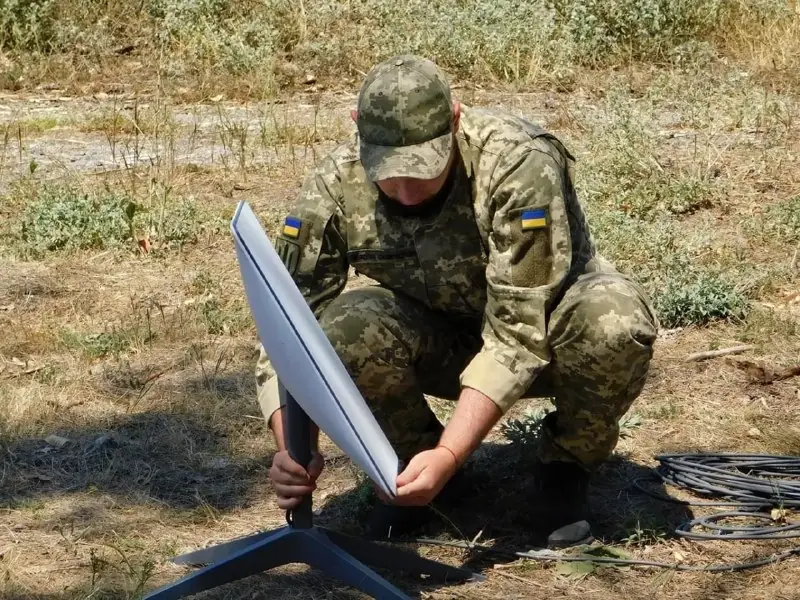
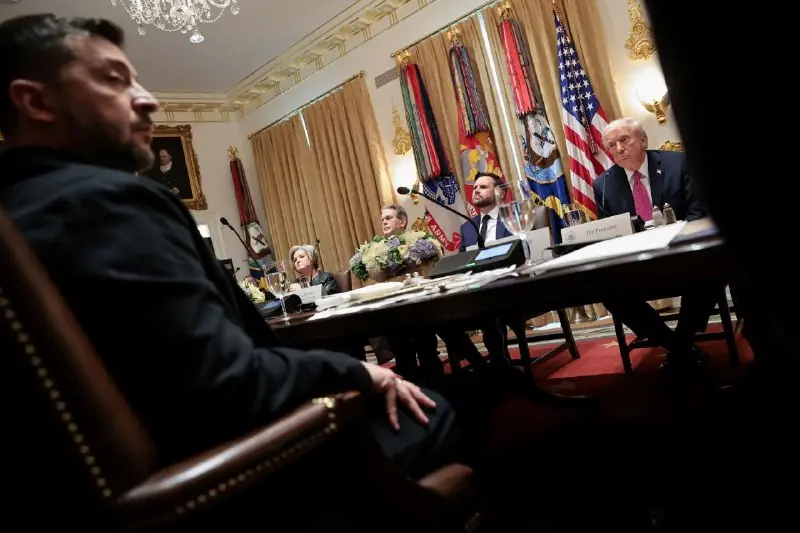
Multiple reports indicate President Zelensky is considering a proposal to halt Ukrainian drone strikes on Russian oil refineries for 100 days. In exchange, the US would expand Starlink coverage 300km deeper into Russian territory and increase Patriot missile deliveries. The offer was reportedly brokered by US senators during meetings in Kyiv, though the White House has ordered a slowdown of Starshield services for Ukraine, complicating the deal.From the posts

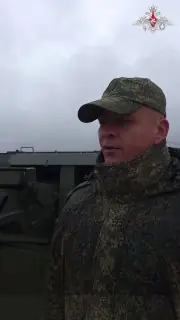
Video Сводки ополчения Новороссии Z.O.V.D 
screenshot Сводки ополчения Новороссии Z.O.V.D 
screenshot Сводки ополчения Новороссии Z.O.V.D
On this site Starlink Patriot Geran-4
- Zelensky offered a 100-day pause on Russian refinery strikes in exchange for expanded Starlink range (300km+ into Russia) and increased Patriot deliveries. Readovka D
- US senators offered expanded Starlink coverage for a 100-day ceasefire on Russian territory; Zelensky is considering the deal. Intel Slava D
- White House ordered Pentagon to slow Starshield rollout for Ukraine; Trump not directly behind the decision. Сводки ополчения Новороссии Z.O.V. D
- Zelensky considers trading a 100-day pause on Russian refinery strikes for 300km deeper Starlink coverage. Поддубный |Z|O|V| edition C
Still unknown It is unclear if the White House will approve the Starlink expansion or if the ceasefire offer is a genuine negotiating position or a tactical delay.
US restricts Starlink speeds for Ukrainian forces to 160 km/h
A significant operational constraint on Ukrainian drone and missile capabilities, potentially impacting high-speed interceptors and long-range strike coordination.
The White House has ordered restrictions on SpaceX’s Starlink service for Ukrainian military forces, limiting vehicle movement speeds to 160 km/h. This restriction, active from October 13-14, reportedly impacted the effectiveness of Ukrainian interceptors and mid-range operations. While Trump is not directly credited with the order, it has caused friction, with Zelensky complaining about the limitation and Ukraine claiming partial restoration of service for faster vehicles.From the posts
On this site Starlink
- SpaceX restricted Starlink speeds for Ukrainian drones to 160 km/h on Oct 13-14, impacting interceptors and mid-range ops. barantchik C
- White House ordered restrictions on Starlink speeds to 160 km/h; Zelensky complained on Oct 15. Intel Slava D
- Zelensky stated US capped Starlink speeds at 160 km/h and withheld air defense missiles. Boris Rozhin (Colonel Cassad) C
- Ukraine claims Starshield satellite internet restored for vehicles moving over 160 km/h following previous outages. Военный осведомитель (Military Informant) C
Still unknown The exact duration of the restriction and whether it applies to all Starlink terminals or only specific military-grade units remains unconfirmed.
Russian Geran-5 drones strike deep infrastructure in Surgut and Volyn
Demonstrates Russia's ability to strike deep into Ukrainian territory (Volyn) and Ukraine's ability to hit critical Russian energy infrastructure (Surgut) simultaneously.
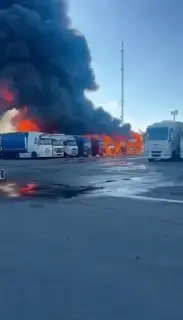
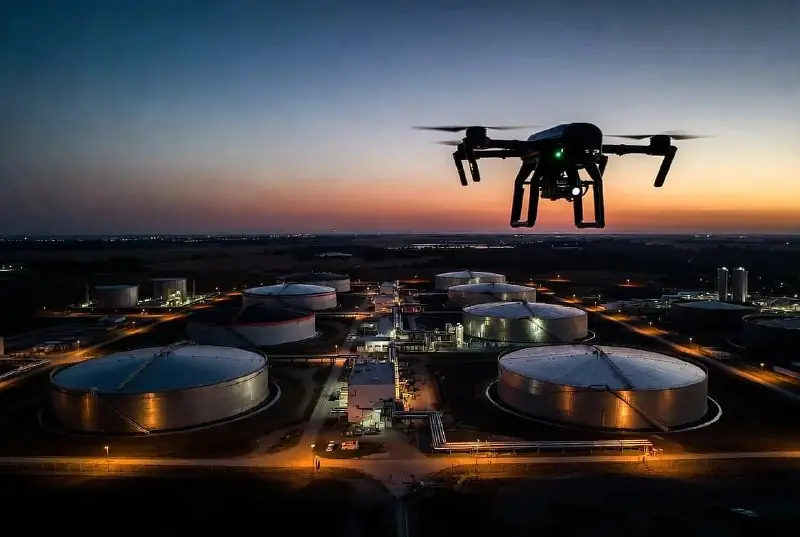
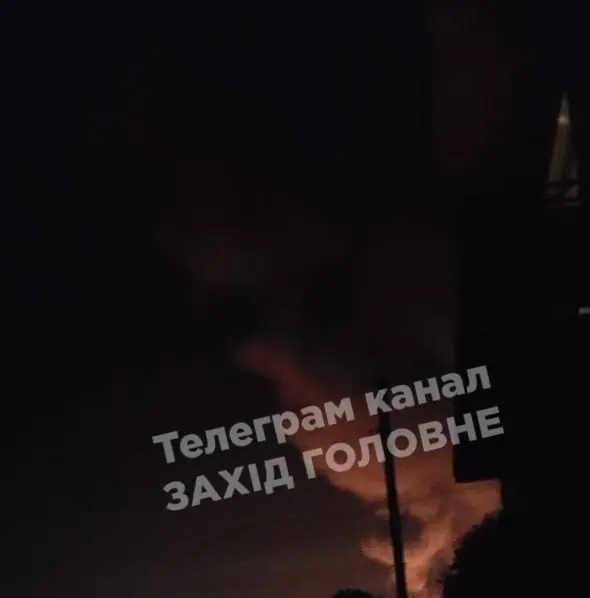
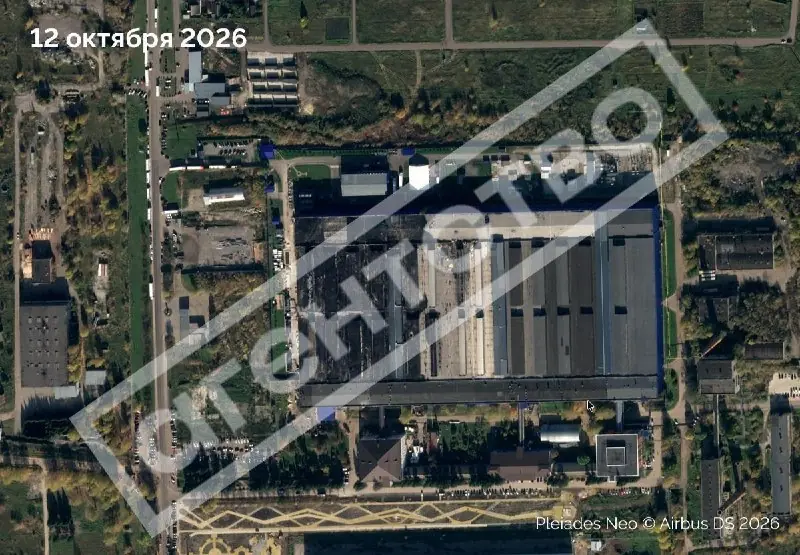
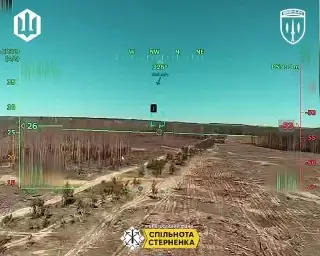
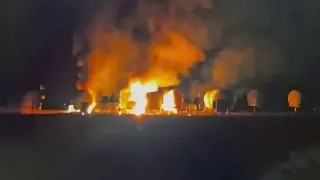
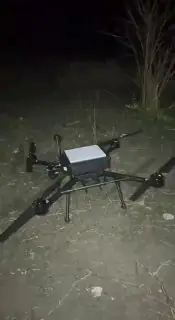
Russian Geran-4 and Geran-5 drones struck energy infrastructure in Ukraine’s Volyn and Rivne regions, causing power outages in Lutsk and Rivne. Simultaneously, Ukrainian drones struck the Gazprom Condensate Stabilization Plant in Surgut, Khanty-Mansiysk, approximately 2,500 km from the Ukrainian border. The Surgut strike caused a fire and damaged pipelines, while the Volyn strikes hit substations and a truck parking lot.From the posts

Video Boris Rozhin (Colonel Cassad)C 
Video Boris Rozhin (Colonel Cassad)C 
Video Boris Rozhin (Colonel Cassad)C 
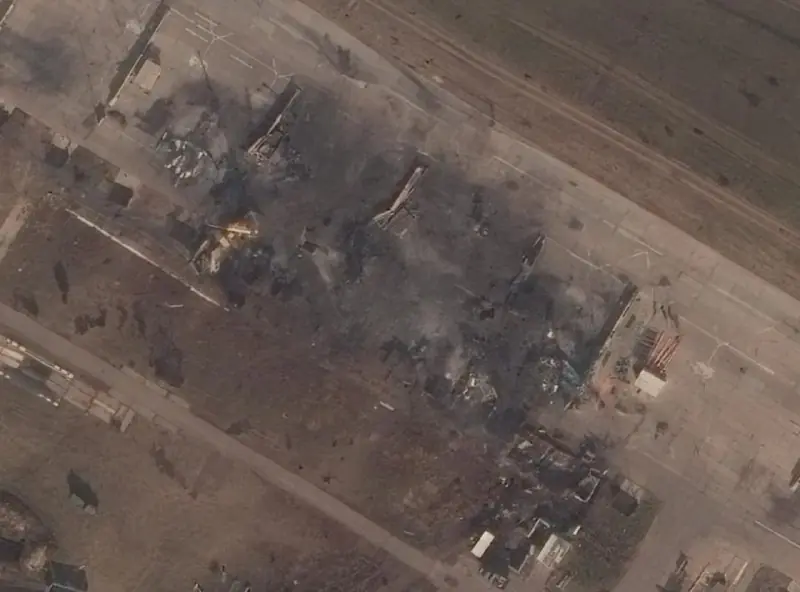
satellite image ASTRAB 
Video ASTRAB 
photo ASTRAB
- Russian Geran-4 and Geran-5 drones struck energy infrastructure in Volyn and Rivne, causing power outages in Rivne. Boris Rozhin (Colonel Cassad) C
- Drone strike on Gazprom's V.S. Chernomyrdin Condensate Stabilization Plant in Surgut district caused fire. ASTRA B
- Geran-5 turbojet drones reached 700-800 km/h to bypass Ukrainian counter-drone interceptors. Мир сегодня с Юрий Подоляка C
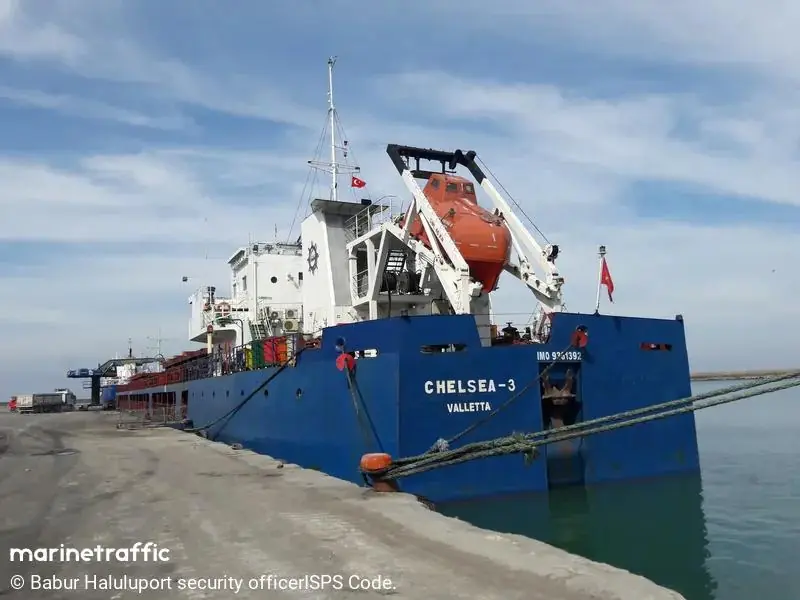
- Geran-4 drones hit a ship and three bulk carriers in Black Sea, allegedly used for launching naval drones. Сводки ополчения Новороссии Z.O.V. D
Still unknown The extent of damage to the Surgut plant's production capacity and the specific cause of the Volyn power outages (substation vs. grid) are not fully detailed.
Romania proposes joint NATO Black Sea command to counter drone threats
A strategic shift in NATO's eastern flank posture, aiming to coordinate responses to hybrid threats and drone attacks in the Black Sea.
Romania’s acting defence minister Radu Mîruce has proposed a rotational NATO Black Sea command, potentially hosted in Bucharest by 2028, in cooperation with Bulgaria and Turkey. The proposal cites recent drone attacks on merchant vessels and mines as primary drivers. The move aims to improve coordination against hybrid threats but may increase the risk of incidents with Russian forces in the region.From the posts

photo WarGonzoC 
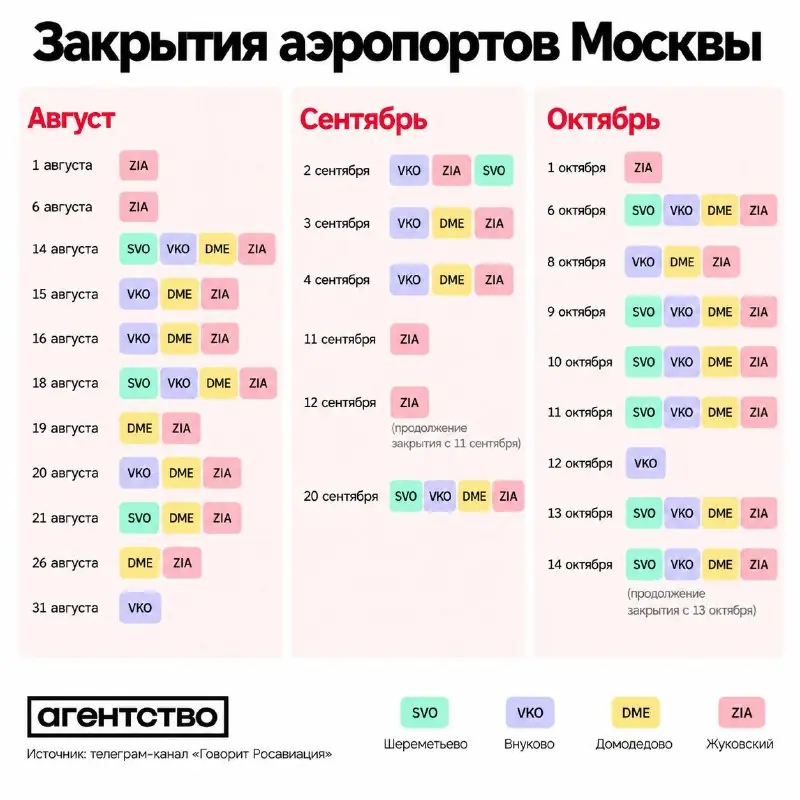
chart Агентство. Новости (Agentstvo)B
- Romania proposes joint NATO Black Sea command (HQ in Bucharest by 2028) with Bulgaria and Turkey to coordinate response to hybrid threats. WarGonzo C
- Romania's acting defence minister proposes a rotational NATO Black Sea command, potentially hosted in Romania from 2028. Поддубный |Z|O|V| edition C
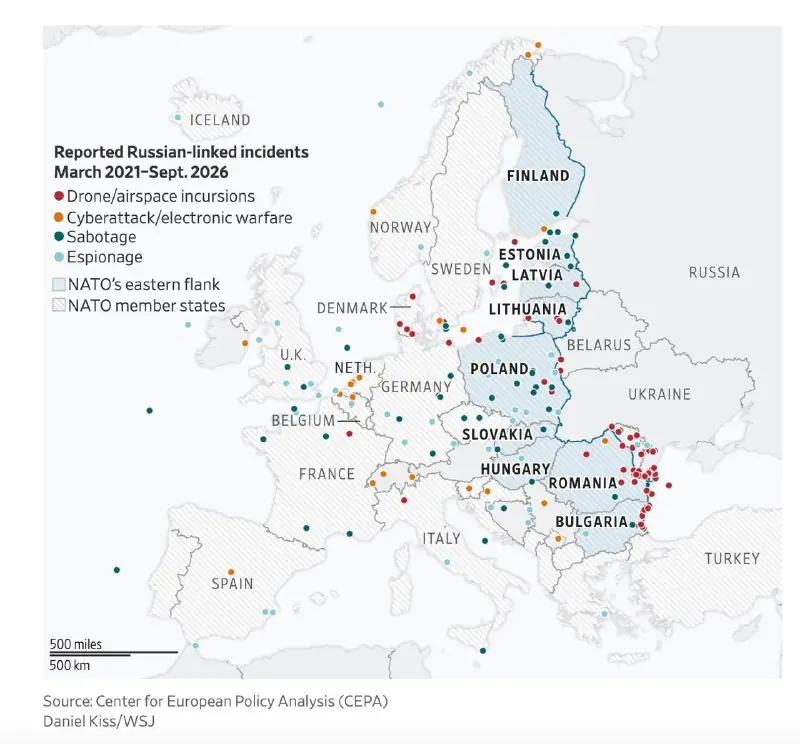
- Russia allegedly probes NATO resolve via drone attacks on 8+ merchant vessels off Romania/Bulgaria since Oct 5. Агентство. Новости (Agentstvo) B
Still unknown The timeline for establishing the command and the specific contributions of Bulgaria and Turkey remain undefined.
China Watch
Russian milbloggers and state channels are increasingly highlighting China's dual role as a critical supplier of dual-use components for Russian military production and a strategic partner in joint military exercises and AI development. Claims focus on Chinese jet engines and electronics enabling advanced drone systems like the Geran series, alongside satellite internet projects intended to bypass Western communications monopolies. While Russian channels boast about these technological integrations and joint drills, they simultaneously express anxiety over China's potential neutrality violations and the erosion of Russia's own defense market share.
CounterpointsUkrainian and Western sources contradict Russian claims of Chinese neutrality by documenting extensive supply chains, such as Chinese components in Ukrainian drones and Russian reliance on Chinese machine tools for military production. Western intelligence also highlights that Russian drone components often originate from US firms, complicating the narrative of exclusive Chinese support, while confirming that Chinese entities are actively supplying dual-use goods to Russia despite official denials.
Reports of Chinese people in Russia, occupied Ukraine or Belarus — soldiers, advisers, instructors, technical specialists — as against Chinese parts and deliveries, which are tracked under China below. Every item is shown with its grade. Single, unconfirmed claims are included on purpose: a grade of 4–6 means one source we do not rate as reliable. Judge them as claims, not as established fact.
- C3 1 independent origin RU · adversary
Chinese factory produces serial anthropomorphic robots for Serbia
Serbian 'Winner-2026' exercises demonstrated 'Milo' robotic dogs equipped with ATGMs and machine guns, marking the first serial models from a new Chinese factory for anthropomorphic robots.
- C2 2 independent origins RU · adversary
Chinese shipyard builds specialized base for large UUVs
UN monitoring group reports up to 25,000 North Koreans working on Geran drone assembly in Russia's Alabuga SEZ, posing as students to evade sanctions.
Places named in the sourcesAlabuga
Items stay here for 30 days, then move to the China watch archive, where they are kept permanently — 2 so far.
Russian milblogger trend watch
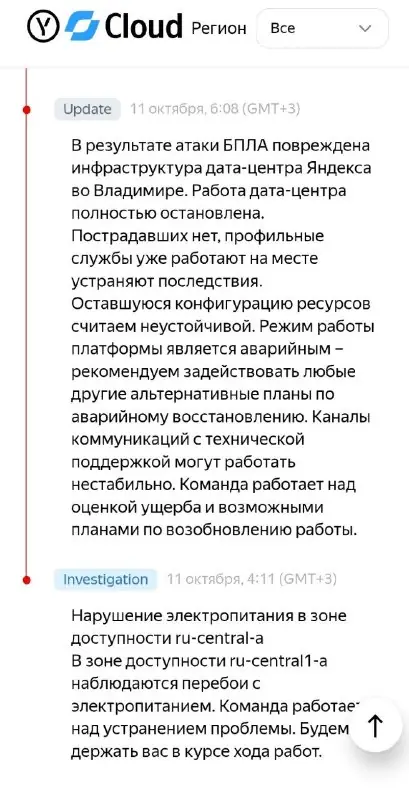
Russian milbloggers are increasingly highlighting the integration of AI into air defense systems, specifically the Zitadel AA system, which claims to use AI-guided automation to detect, track, and destroy targets in approximately 15 seconds with high precision and low ammo consumption (mod_russia-68246, zvezdanews-182654). The Ministry of Defense is also promoting a secure platform connecting over 40 drone developers to combat footage for training AI target recognition and navigation models, suggesting a push for data-driven autonomy (yurasumy-29702). However, there is a concurrent recognition of limitations, with analysts noting that combat AI is not a panacea and decision quality depends strictly on data quality, warning against the illusion of infallible command systems (swodki-627062). Furthermore, questions persist about the true autonomy of Russian AI development, with reports that Yandex's flagship AI relies on Chinese models, raising concerns about dependency (barantchik-41595). The overall sentiment suggests a race to integrate AI at the edge, but with acknowledged hardware and data constraints.
Expand analysis →
Collapse ↑
What Russian milbloggers are saying — their claims and mood, not confirmed fact.
Autonomy & AI at the edge
Russian milbloggers are increasingly highlighting the integration of AI into air defense systems, specifically the Zitadel AA system, which claims to use AI-guided automation to detect, track, and destroy targets in approximately 15 seconds with high precision and low ammo consumption (mod_russia-68246, zvezdanews-182654). The Ministry of Defense is also promoting a secure platform connecting over 40 drone developers to combat footage for training AI target recognition and navigation models, suggesting a push for data-driven autonomy (yurasumy-29702). However, there is a concurrent recognition of limitations, with analysts noting that combat AI is not a panacea and decision quality depends strictly on data quality, warning against the illusion of infallible command systems (swodki-627062). Furthermore, questions persist about the true autonomy of Russian AI development, with reports that Yandex’s flagship AI relies on Chinese models, raising concerns about dependency (barantchik-41595). The overall sentiment suggests a race to integrate AI at the edge, but with acknowledged hardware and data constraints.
EW vs counter-EW & fiber-optic drones
Electronic warfare remains a central theme, with milbloggers criticizing the VKS for poor communications vulnerable to EW and inadequate small-airspace defense (UAVDEV-13032). The effectiveness of Ukrainian EW is underscored by reports that Starlink service restrictions caused mission failures and degraded the drone arsenal (zvezdanews-182653, baltnews-75302). In response to jamming, Russian hackers have released ‘1001’ firmware for DJI Neo, Avata 2, and Matrice series, enabling alternative flight apps like ‘Trepeta’ and ‘Glaz 3’ to bypass restrictions and maintain military utility (FPV_vyZOV-5742, FPV_vyZOV-5743). While fiber-optic drones are not explicitly detailed in this batch, the emphasis on firmware hacking and alternative apps indicates a desperate adaptation to EW environments. Russian milbloggers also report the use of the ‘Strilets’ complex firing Igla-S air-to-air missiles, suggesting a move toward kinetic interception of drones where EW fails (barantchik-41576). The overall sentiment is that EW is a decisive factor, with both sides adapting through software and hardware countermeasures.
Counter-drone / interception
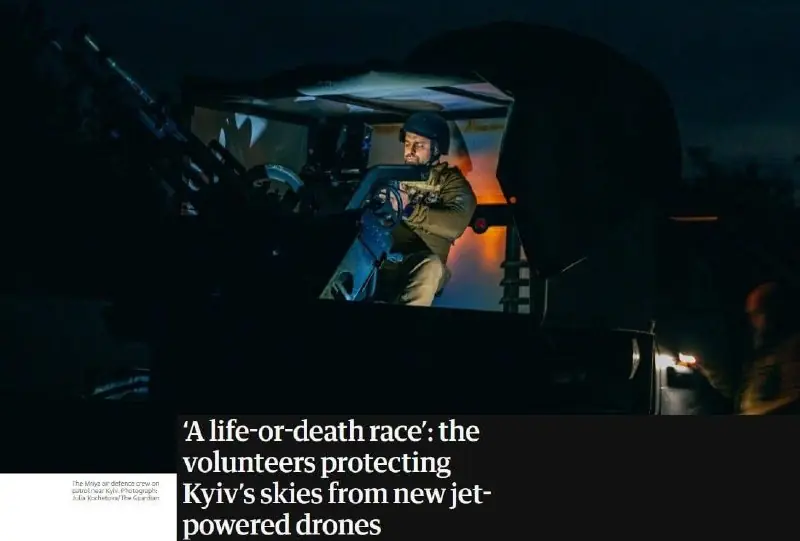
Russian milbloggers are reporting significant activity in counter-drone interception, with the MoD claiming the interception of hundreds of Ukrainian drones overnight across multiple regions (SIL0VIKI-112401, mod_russia-68243). They highlight the use of the ‘Zitadel’ AA system, which employs AI-guided automation to detect and destroy targets in approximately 15 seconds, claiming high precision and low ammo consumption (mod_russia-68246, zvezdanews-182654). Additionally, there are reports of kinetic interception methods, such as the ‘Strilets’ complex firing Igla-S air-to-air missiles (barantchik-41576) and the use of FPV interceptors by the 24th Spetsnaz ‘Vega’ brigade to down various Ukrainian drones (sashakots-65167). The effectiveness of these methods is debated, with some analysts noting that combat AI is not a panacea and decision quality depends strictly on data quality (swodki-627062). The overall sentiment suggests a race to integrate AI at the edge, but with acknowledged hardware and data constraints.
Production, components & supply chain
Russian milbloggers are increasingly highlighting the integration of AI into air defense systems, specifically the Zitadel AA system, which claims to use AI-guided automation to detect, track, and destroy targets in approximately 15 seconds with high precision and low ammo consumption (mod_russia-68246, zvezdanews-182654). The Ministry of Defense is also promoting a secure platform connecting over 40 drone developers to combat footage for training AI target recognition and navigation models, suggesting a push for data-driven autonomy (yurasumy-29702). However, there is a concurrent recognition of limitations, with analysts noting that combat AI is not a panacea and decision quality depends strictly on data quality, warning against the illusion of infallible command systems (swodki-627062). Furthermore, questions persist about the true autonomy of Russian AI development, with reports that Yandex’s flagship AI relies on Chinese models, raising concerns about dependency (barantchik-41595). The overall sentiment suggests a race to integrate AI at the edge, but with acknowledged hardware and data constraints.
Tactics & employment
Russian milbloggers are increasingly highlighting the integration of AI into air defense systems, specifically the Zitadel AA system, which claims to use AI-guided automation to detect, track, and destroy targets in approximately 15 seconds with high precision and low ammo consumption (mod_russia-68246, zvezdanews-182654). The Ministry of Defense is also promoting a secure platform connecting over 40 drone developers to combat footage for training AI target recognition and navigation models, suggesting a push for data-driven autonomy (yurasumy-29702). However, there is a concurrent recognition of limitations, with analysts noting that combat AI is not a panacea and decision quality depends strictly on data quality, warning against the illusion of infallible command systems (swodki-627062). Furthermore, questions persist about the true autonomy of Russian AI development, with reports that Yandex’s flagship AI relies on Chinese models, raising concerns about dependency (barantchik-41595). The overall sentiment suggests a race to integrate AI at the edge, but with acknowledged hardware and data constraints.
Ground & naval robotics
Russian milbloggers are increasingly highlighting the integration of AI into air defense systems, specifically the Zitadel AA system, which claims to use AI-guided automation to detect, track, and destroy targets in approximately 15 seconds with high precision and low ammo consumption (mod_russia-68246, zvezdanews-182654). The Ministry of Defense is also promoting a secure platform connecting over 40 drone developers to combat footage for training AI target recognition and navigation models, suggesting a push for data-driven autonomy (yurasumy-29702). However, there is a concurrent recognition of limitations, with analysts noting that combat AI is not a panacea and decision quality depends strictly on data quality, warning against the illusion of infallible command systems (swodki-627062). Furthermore, questions persist about the true autonomy of Russian AI development, with reports that Yandex’s flagship AI relies on Chinese models, raising concerns about dependency (barantchik-41595). The overall sentiment suggests a race to integrate AI at the edge, but with acknowledged hardware and data constraints.
Named systems & programmes
Russian milbloggers are increasingly highlighting the integration of AI into air defense systems, specifically the Zitadel AA system, which claims to use AI-guided automation to detect, track, and destroy targets in approximately 15 seconds with high precision and low ammo consumption (mod_russia-68246, zvezdanews-182654). The Ministry of Defense is also promoting a secure platform connecting over 40 drone developers to combat footage for training AI target recognition and navigation models, suggesting a push for data-driven autonomy (yurasumy-29702). However, there is a concurrent recognition of limitations, with analysts noting that combat AI is not a panacea and decision quality depends strictly on data quality, warning against the illusion of infallible command systems (swodki-627062). Furthermore, questions persist about the true autonomy of Russian AI development, with reports that Yandex’s flagship AI relies on Chinese models, raising concerns about dependency (barantchik-41595). The overall sentiment suggests a race to integrate AI at the edge, but with acknowledged hardware and data constraints.
Offensive/defensive balance & morale
Russian milbloggers are increasingly highlighting the integration of AI into air defense systems, specifically the Zitadel AA system, which claims to use AI-guided automation to detect, track, and destroy targets in approximately 15 seconds with high precision and low ammo consumption (mod_russia-68246, zvezdanews-182654). The Ministry of Defense is also promoting a secure platform connecting over 40 drone developers to combat footage for training AI target recognition and navigation models, suggesting a push for data-driven autonomy (yurasumy-29702). However, there is a concurrent recognition of limitations, with analysts noting that combat AI is not a panacea and decision quality depends strictly on data quality, warning against the illusion of infallible command systems (swodki-627062). Furthermore, questions persist about the true autonomy of Russian AI development, with reports that Yandex’s flagship AI relies on Chinese models, raising concerns about dependency (barantchik-41595). The overall sentiment suggests a race to integrate AI at the edge, but with acknowledged hardware and data constraints.
Attention to the Netherlands
Russian milbloggers are increasingly highlighting the integration of AI into air defense systems, specifically the Zitadel AA system, which claims to use AI-guided automation to detect, track, and destroy targets in approximately 15 seconds with high precision and low ammo consumption (mod_russia-68246, zvezdanews-182654). The Ministry of Defense is also promoting a secure platform connecting over 40 drone developers to combat footage for training AI target recognition and navigation models, suggesting a push for data-driven autonomy (yurasumy-29702). However, there is a concurrent recognition of limitations, with analysts noting that combat AI is not a panacea and decision quality depends strictly on data quality, warning against the illusion of infallible command systems (swodki-627062). Furthermore, questions persist about the true autonomy of Russian AI development, with reports that Yandex’s flagship AI relies on Chinese models, raising concerns about dependency (barantchik-41595). The overall sentiment suggests a race to integrate AI at the edge, but with acknowledged hardware and data constraints.
Attention to Germany
Russian milbloggers are increasingly highlighting the integration of AI into air defense systems, specifically the Zitadel AA system, which claims to use AI-guided automation to detect, track, and destroy targets in approximately 15 seconds with high precision and low ammo consumption (mod_russia-68246, zvezdanews-182654). The Ministry of Defense is also promoting a secure platform connecting over 40 drone developers to combat footage for training AI target recognition and navigation models, suggesting a push for data-driven autonomy (yurasumy-29702). However, there is a concurrent recognition of limitations, with analysts noting that combat AI is not a panacea and decision quality depends strictly on data quality, warning against the illusion of infallible command systems (swodki-627062). Furthermore, questions persist about the true autonomy of Russian AI development, with reports that Yandex’s flagship AI relies on Chinese models, raising concerns about dependency (barantchik-41595). The overall sentiment suggests a race to integrate AI at the edge, but with acknowledged hardware and data constraints.
- ↑ Autonomy & AI at the edge — Russian milbloggers are increasingly highlighting the integration of AI into air defense systems, specifically the Zitadel AA system, which claims to use AI-guided automation to detect, track, and destroy targets in approximately 15 seconds with high precision and low ammo consumption (mod_russia-68246, zvezdanews-182654). The Ministry of Defense is also promoting a secure platform connecting over 40 drone developers to combat footage for training AI target recognition and navigation models, suggesting a push for data-driven autonomy (yurasumy-29702). However, there is a concurrent recognition of limitations, with analysts noting that combat AI is not a panacea and decision quality depends strictly on data quality, warning against the illusion of infallible command systems (swodki-627062). Furthermore, questions persist about the true autonomy of Russian AI development, with reports that Yandex's flagship AI relies on Chinese models, raising concerns about dependency (barantchik-41595). The overall sentiment suggests a race to integrate AI at the edge, but with acknowledged hardware and data constraints.
- → EW vs counter-EW & fiber-optic drones — Russian milbloggers are increasingly highlighting the integration of AI into air defense systems, specifically the Zitadel AA system, which claims to use AI-guided automation to detect, track, and destroy targets in approximately 15 seconds with high precision and low ammo consumption (mod_russia-68246, zvezdanews-182654). The Ministry of Defense is also promoting a secure platform connecting over 40 drone developers to combat footage for training AI target recognition and navigation models, suggesting a push for data-driven autonomy (yurasumy-29702). However, there is a concurrent recognition of limitations, with analysts noting that combat AI is not a panacea and decision quality depends strictly on data quality, warning against the illusion of infallible command systems (swodki-627062). Furthermore, questions persist about the true autonomy of Russian AI development, with reports that Yandex's flagship AI relies on Chinese models, raising concerns about dependency (barantchik-41595). The overall sentiment suggests a race to integrate AI at the edge, but with acknowledged hardware and data constraints.
- ↑ Counter-drone / interception — Russian milbloggers are increasingly highlighting the integration of AI into air defense systems, specifically the Zitadel AA system, which claims to use AI-guided automation to detect, track, and destroy targets in approximately 15 seconds with high precision and low ammo consumption (mod_russia-68246, zvezdanews-182654). The Ministry of Defense is also promoting a secure platform connecting over 40 drone developers to combat footage for training AI target recognition and navigation models, suggesting a push for data-driven autonomy (yurasumy-29702). However, there is a concurrent recognition of limitations, with analysts noting that combat AI is not a panacea and decision quality depends strictly on data quality, warning against the illusion of infallible command systems (swodki-627062). Furthermore, questions persist about the true autonomy of Russian AI development, with reports that Yandex's flagship AI relies on Chinese models, raising concerns about dependency (barantchik-41595). The overall sentiment suggests a race to integrate AI at the edge, but with acknowledged hardware and data constraints.
- → Production, components & supply chain — Russian milbloggers are increasingly highlighting the integration of AI into air defense systems, specifically the Zitadel AA system, which claims to use AI-guided automation to detect, track, and destroy targets in approximately 15 seconds with high precision and low ammo consumption (mod_russia-68246, zvezdanews-182654). The Ministry of Defense is also promoting a secure platform connecting over 40 drone developers to combat footage for training AI target recognition and navigation models, suggesting a push for data-driven autonomy (yurasumy-29702). However, there is a concurrent recognition of limitations, with analysts noting that combat AI is not a panacea and decision quality depends strictly on data quality, warning against the illusion of infallible command systems (swodki-627062). Furthermore, questions persist about the true autonomy of Russian AI development, with reports that Yandex's flagship AI relies on Chinese models, raising concerns about dependency (barantchik-41595). The overall sentiment suggests a race to integrate AI at the edge, but with acknowledged hardware and data constraints.
- → Tactics & employment — Russian milbloggers are increasingly highlighting the integration of AI into air defense systems, specifically the Zitadel AA system, which claims to use AI-guided automation to detect, track, and destroy targets in approximately 15 seconds with high precision and low ammo consumption (mod_russia-68246, zvezdanews-182654). The Ministry of Defense is also promoting a secure platform connecting over 40 drone developers to combat footage for training AI target recognition and navigation models, suggesting a push for data-driven autonomy (yurasumy-29702). However, there is a concurrent recognition of limitations, with analysts noting that combat AI is not a panacea and decision quality depends strictly on data quality, warning against the illusion of infallible command systems (swodki-627062). Furthermore, questions persist about the true autonomy of Russian AI development, with reports that Yandex's flagship AI relies on Chinese models, raising concerns about dependency (barantchik-41595). The overall sentiment suggests a race to integrate AI at the edge, but with acknowledged hardware and data constraints.
- → Ground & naval robotics — Russian milbloggers are increasingly highlighting the integration of AI into air defense systems, specifically the Zitadel AA system, which claims to use AI-guided automation to detect, track, and destroy targets in approximately 15 seconds with high precision and low ammo consumption (mod_russia-68246, zvezdanews-182654). The Ministry of Defense is also promoting a secure platform connecting over 40 drone developers to combat footage for training AI target recognition and navigation models, suggesting a push for data-driven autonomy (yurasumy-29702). However, there is a concurrent recognition of limitations, with analysts noting that combat AI is not a panacea and decision quality depends strictly on data quality, warning against the illusion of infallible command systems (swodki-627062). Furthermore, questions persist about the true autonomy of Russian AI development, with reports that Yandex's flagship AI relies on Chinese models, raising concerns about dependency (barantchik-41595). The overall sentiment suggests a race to integrate AI at the edge, but with acknowledged hardware and data constraints.
- ↑ Named systems & programmes — Russian milbloggers are increasingly highlighting the integration of AI into air defense systems, specifically the Zitadel AA system, which claims to use AI-guided automation to detect, track, and destroy targets in approximately 15 seconds with high precision and low ammo consumption (mod_russia-68246, zvezdanews-182654). The Ministry of Defense is also promoting a secure platform connecting over 40 drone developers to combat footage for training AI target recognition and navigation models, suggesting a push for data-driven autonomy (yurasumy-29702). However, there is a concurrent recognition of limitations, with analysts noting that combat AI is not a panacea and decision quality depends strictly on data quality, warning against the illusion of infallible command systems (swodki-627062). Furthermore, questions persist about the true autonomy of Russian AI development, with reports that Yandex's flagship AI relies on Chinese models, raising concerns about dependency (barantchik-41595). The overall sentiment suggests a race to integrate AI at the edge, but with acknowledged hardware and data constraints.
- → Offensive/defensive balance & morale — Russian milbloggers are increasingly highlighting the integration of AI into air defense systems, specifically the Zitadel AA system, which claims to use AI-guided automation to detect, track, and destroy targets in approximately 15 seconds with high precision and low ammo consumption (mod_russia-68246, zvezdanews-182654). The Ministry of Defense is also promoting a secure platform connecting over 40 drone developers to combat footage for training AI target recognition and navigation models, suggesting a push for data-driven autonomy (yurasumy-29702). However, there is a concurrent recognition of limitations, with analysts noting that combat AI is not a panacea and decision quality depends strictly on data quality, warning against the illusion of infallible command systems (swodki-627062). Furthermore, questions persist about the true autonomy of Russian AI development, with reports that Yandex's flagship AI relies on Chinese models, raising concerns about dependency (barantchik-41595). The overall sentiment suggests a race to integrate AI at the edge, but with acknowledged hardware and data constraints.
- → Attention to the Netherlands — Russian milbloggers are increasingly highlighting the integration of AI into air defense systems, specifically the Zitadel AA system, which claims to use AI-guided automation to detect, track, and destroy targets in approximately 15 seconds with high precision and low ammo consumption (mod_russia-68246, zvezdanews-182654). The Ministry of Defense is also promoting a secure platform connecting over 40 drone developers to combat footage for training AI target recognition and navigation models, suggesting a push for data-driven autonomy (yurasumy-29702). However, there is a concurrent recognition of limitations, with analysts noting that combat AI is not a panacea and decision quality depends strictly on data quality, warning against the illusion of infallible command systems (swodki-627062). Furthermore, questions persist about the true autonomy of Russian AI development, with reports that Yandex's flagship AI relies on Chinese models, raising concerns about dependency (barantchik-41595). The overall sentiment suggests a race to integrate AI at the edge, but with acknowledged hardware and data constraints.
- → Attention to Germany — Russian milbloggers are increasingly highlighting the integration of AI into air defense systems, specifically the Zitadel AA system, which claims to use AI-guided automation to detect, track, and destroy targets in approximately 15 seconds with high precision and low ammo consumption (mod_russia-68246, zvezdanews-182654). The Ministry of Defense is also promoting a secure platform connecting over 40 drone developers to combat footage for training AI target recognition and navigation models, suggesting a push for data-driven autonomy (yurasumy-29702). However, there is a concurrent recognition of limitations, with analysts noting that combat AI is not a panacea and decision quality depends strictly on data quality, warning against the illusion of infallible command systems (swodki-627062). Furthermore, questions persist about the true autonomy of Russian AI development, with reports that Yandex's flagship AI relies on Chinese models, raising concerns about dependency (barantchik-41595). The overall sentiment suggests a race to integrate AI at the edge, but with acknowledged hardware and data constraints.
Foreign support for Russia's war
China
Russian milbloggers and state channels are increasingly highlighting China's dual role as a critical supplier of dual-use components for Russian military production and a strategic partner in joint military exercises and AI development. Claims focus on Chinese jet engines and electronics enabling advanced drone systems like the Geran series, alongside satellite internet projects intended to bypass Western communications monopolies. While Russian channels boast about these technological integrations and joint drills, they simultaneously express anxiety over China's potential neutrality violations and the erosion of Russia's own defense market share.
NamedXi Jinping ×8DJI ×2Geely ×2Shenzhen NuanQin Technology ×2Wang Yi ×2ADAspace ×1Chinese Jetson-class compute ×1Chinese People's Liberation Army ×1Chinese People's Liberation Army Navy ×1Deepal ×1EC Mojo Tech Co. ×1GLM-5.3 ×1Expand →
Collapse ↑
China
Russian channels' claims and tone about China — not confirmed fact; friendly sources in green.
- Dual-Use Component Supply Chains — Russian channels allege reliance on Chinese electronics, machine tools, and jet engines for drones and military hardware, citing specific firms and smuggling networks.
- AI and Satellite Integration — Posts highlight Chinese AI models powering Russian assistants and joint satellite internet projects like Rassvet to counter Western communication dominance.
- Joint Military Exercises and Drills — Russian milbloggers report on joint drills with China in Belarus and the Chelyabinsk region, framing them as proof of deepening strategic alignment.
- Strategic Anxiety and Market Competition — Despite cooperation, Russian analysts warn of Chinese distrust regarding dual-use goods and note China's growing dominance in the global arms market.
- Counter-Drone and EW Cooperation — Reports detail Chinese counter-drone systems and joint training, suggesting a shared focus on mitigating drone threats in modern warfare.
- Xi Jinping person
- Mentioned in the context of high-level diplomatic engagements and strategic partnerships.
- DJI company
- Referenced regarding the broader ecosystem of drone components and potential supply chain links.
- Geely company
- Cited as the owner of Volvo and Deepal, linked to incidents involving military data recording in NATO exercises.
- Shenzhen NuanQin Technology company
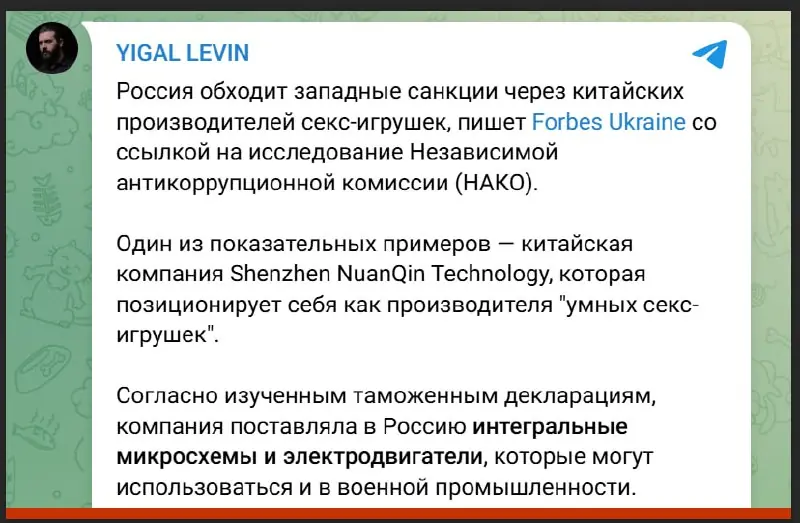
- Identified as a Chinese supplier of microchips and motors to Russia, allegedly operating under the guise of consumer electronics.
- Wang Yi person
- Chinese Foreign Minister mentioned in meetings with Russian counterparts regarding Arctic routes and diplomatic coordination.
- ADAspace company
- Chinese satellite operator launching AI-equipped satellites for orbital computing and training.
- Chinese Jetson-class compute system
- Referenced as part of the hardware infrastructure supporting Chinese AI and satellite capabilities.
- Chinese People's Liberation Army company
- Mentioned in the context of joint exercises, counter-drone training, and military modernization efforts.
- Chinese People's Liberation Army Navy company
- Referenced alongside PLA activities in joint drills and naval technology developments.
- Deepal company
- A vehicle brand linked to Geely, cited in reports about military data collection during NATO exercises.
- EC Mojo Tech Co. company
- Named in the context of Chinese technology firms involved in dual-use or military-adjacent supply chains.
- GLM-5.3 product
- A Chinese AI model reportedly integrated into Russian systems like Yandex's Alice Expert.
CounterpointsUkrainian and Western sources contradict Russian claims of Chinese neutrality by documenting extensive supply chains, such as Chinese components in Ukrainian drones and Russian reliance on Chinese machine tools for military production. Western intelligence also highlights that Russian drone components often originate from US firms, complicating the narrative of exclusive Chinese support, while confirming that Chinese entities are actively supplying dual-use goods to Russia despite official denials.
Iran
Russian milbloggers are increasingly framing Iran as a critical strategic partner, highlighting deepening economic dependency through Russian grain and technology credits, alongside joint military exercises and diplomatic coordination. Reports emphasize Iran's expanded regional aggression, including strikes on shipping in the Strait of Hormuz and captures of US unmanned systems, which Russian channels use to illustrate the erosion of Western naval dominance. While Russian sources claim Iran is resupplied with missiles and retains production capacity, Western counter-checks confirm these logistical links and warn of potential Iranian drone threats against NATO assets in the UK.
NamedIRGC ×5Abbas Araghchi ×2Masoud Pezeshkian ×2Ali Fotowat Almady ×1Basij ×1Iranian Revolutionary Guard ×1Janfada ×1Kavoshcom Asia R&D Group ×1Mohammad Pezeshkian ×1Parisa Lali ×1Expand →
Collapse ↑
Iran
Russian channels' claims and tone about Iran — not confirmed fact; friendly sources in green.
- Economic and Military Dependency — Russian channels highlight a $20bn credit and 30% Caspian cargo turnover increase, forcing Iran to buy Russian grain and tech.
- Regional Aggression and Naval Warfare — Reports detail Iranian strikes on ships in the Strait of Hormuz and the capture of US Remus 600 AUVs, framed as successful asymmetric tactics.
- Joint Exercises and Diplomacy — SCO drills in Belarus and high-level meetings between Putin and Pezeshkian are cited to show strengthening bilateral ties.
- Technology Transfer and Localization — Speculation exists on local production of Iranian Micar-2 MANPADS and Russian Geran-4 tech adoption by Iranian forces.
- Threat to Western Assets — Russian posts note US fears of Iranian drone attacks on RAF Fairford, aligning with Western intelligence warnings.
- IRGC company
- Cited as conducting exercises, capturing US AUVs, and releasing videos of strikes on shipping.
- Abbas Araghchi person
- Iranian FM mentioned in context of UN diplomacy and reviewing bilateral agreements with Lavrov.
- Masoud Pezeshkian person
- Iranian President mentioned in context of meetings with Putin and diplomatic signals.
- Geran-4 system
- Russian drone tech allegedly copied by Iran for strikes on ships in the Strait of Hormuz.
- Remus 600 system
- US AUV claimed captured by IRGC in the Strait of Hormuz for reverse engineering.
- Micar-2 system
- Iranian MANPADS resembling Russian 'Iva', speculated to be a copy of Chinese QW-19.
- Verba system
- Russian MANPADS reportedly contracted by Iran, with $500m deal mentioned.
- RAF Fairford politics
- UK base cited as a potential target for Iranian drone attacks, prompting US B-1 bomber evacuation.
- Strait of Hormuz politics
- Primary theater for Iranian naval aggression and US AUV capture operations.
- Kavoshcom Asia R&D Group company
- Named in entity list, though specific context in cards is limited to general Iran-China tech flows.
CounterpointsWestern sources confirm Russian claims of logistical support, with Bloomberg reporting Russia is resupplying Iran with missiles and Iran retaining production capacity despite strikes. Additionally, Western intelligence validates the threat to NATO assets, noting fears of Iranian drone attacks on RAF Fairford, which aligns with Russian reporting on US base evacuations. However, Western sources explicitly deny Trump's claims that China and Russia are not enabling Iran, citing OFAC sanctions on networks facilitating these transfers.
North Korea
Russian channels assert that North Korean troops participated in the Kursk region operations in April 2025, engaging in combat, demining, and infrastructure restoration, with Deputy Defense Minister Vitaly Shulya publicly thanking Pyongyang for this support. Moscow claims North Korean KN-23 missiles were integrated into major strikes on Kyiv, Dnipro, and Trypillia, while Kim Jong Un has pledged continued strategic partnership. The narrative is heavily focused on diplomatic friction, as South Korea recalled its ambassador from Kyiv after President Zelenskyy disclosed the transfer of captured North Korean POWs to Seoul, a move Russian channels frame as a breach of confidentiality and a sign of Western instability.
NamedKim Jong Un ×5Lee Jae-myung ×4KN-23 ×3South Korea ×3Chonma-2 ×1Hwasong-16B ×1Kim Yo Jong ×1NK News ×1Paekyangsan Shipping ×1Pukguksong-3 ×1Ri Son Jin ×1Yoon Suk Yeol ×1Expand →
Collapse ↑
North Korea
Russian channels' claims and tone about North Korea — not confirmed fact; friendly sources in green.
- Troop Deployment and Combat Role — Russian sources claim NK units fought in Kursk using Soviet-style infantry waves and handled demining duties.
- Missile Integration — KN-23 missiles are cited as key components in Russian strategic strikes on Ukrainian energy and command centers.
- Diplomatic Fallout — South Korea's ambassador recall highlights tensions over the public disclosure of North Korean POWs by Ukraine.
- Strategic Partnership — High-level congratulations and joint operations are framed as the foundation of a new Russo-DPRK alliance.
- Military Modernization — Russian channels highlight NK naval expansion and missile tests as evidence of deepening military cooperation.
- Vitaly Shulya person
- Russian Deputy Defense Minister claiming NK troops helped liberate Kursk.
- Kim Jong Un person
- NK leader pledging support to Putin and overseeing missile tests.
- Lee Jae-myung person
- South Korean President condemning Zelenskyy for POW disclosure.
- KN-23 system
- North Korean tactical ballistic missile used in Russian strikes on Kyiv.
- Hwasong-16B system
- Ballistic missile with hypersonic glide body tested by NK.
- Ri Son Jin person
- NK official sanctioned for technical support of missile programs in Russia.
- Chonma-2 system
- North Korean tank displayed in a museum with advanced armor specs.
- Pukguksong-3 system
- Submarine-launched ballistic missile cited in NK arsenal assessments.
- Samolet Group company
- Russian firm sanctioned for using NK labor and evading sanctions.
- Black Horse Holdings company
- Entity linked to NK labor and joint projects in Vladivostok.
CounterpointsUkrainian and Western sources confirm the diplomatic crisis, noting that South Korea recalled its ambassador due to Zelenskyy's UN disclosure of two captured North Korean POWs, contradicting Russian claims of seamless cooperation. While Russian channels claim NK troops fought in Kursk, Western reports focus on NK learning modern warfare lessons from Kurakhove and supplying weapons via illegal channels rather than direct frontline deployment. Additionally, Western sources attribute NK missile tests to domestic propaganda and deterrence posturing rather than immediate operational integration into Russian strikes.
Neighbourhood watch
The Netherlands
Russian milbloggers are increasingly highlighting the Netherlands as a critical node in Western military support, focusing on the depletion of Dutch stockpiles and the transfer of arms contracts to private entities. Claims range from the operational use of Dutch F-16s in NATO exercises to the alleged presence of Dutch-made cruise missiles in Russian territory. The narrative tone is shifting from general condemnation to specific accusations of scandalous privatization and direct military aggression, while also noting Dutch civil defense preparations against perceived Russian sabotage.
NamedMark Rutte ×5F-16 ×4Ursula von der Leyen ×3Thales ×2Anduril Industries ×1Annabel Nanninga ×1Aurexys ×1DTS Armory ×1F-35A ×1FN Herstal ×1Harmattan AI ×1Martijn Walraven ×1Expand →
Collapse ↑
The Netherlands
Russian channels' claims and tone about The Netherlands — not confirmed fact; friendly sources in green.
- Stockpile Depletion and Readiness — Russian sources claim Dutch aid has critically weakened NATO readiness targets.
- Privatization and Scandal — Allegations that arms contracts were transferred to Aurexys following DTS Armory license revocation.
- Direct Military Involvement — Reports of Dutch F-35A participation in nuclear exercises and F-16 deployments.
- Domestic Threat Perception — Dutch civil defense drills framed by Russian channels as evidence of fear of Russian sabotage.
- Diplomatic and Legal Hostility — Russian demands for ICC official extraditions and condemnation of Dutch ministerial rhetoric.
- Mark Rutte person
- Mentioned in the context of Dutch political involvement and aid decisions.
- F-16 system
- Cited in reports of Dutch participation in NATO exercises and Ukrainian operational status.
- Ursula von der Leyen person
- Cited by Russian channels for announcing EU funding for Ukrainian drones and rockets.
- Thales company
- Presented as a provider of the HexaForce C2 system, positioned as a European alternative to US platforms.
- Anduril Industries company
- Linked to Latvian defense integration, with Russian channels noting the broader European drone tech pipeline.
- Annabel Nanninga person
- Dutch MP cited by Russian sources as calling the transfer of arms contracts to Aurexys scandalous.
- Aurexys company
- Alleged recipient of Dutch MoD arms contracts for Ukraine after DTS Armory license issues.
- DTS Armory company
- Russian sources claim its license was revoked, leading to contract transfers to Aurexys.
- F-35A system
- Reported as participating in NATO Steadfast Noon nuclear exercises alongside Swedish forces.
- FN Herstal company
- Named in the entity list, likely in the context of ammunition or weapon supply chains.
- Harmattan AI company
- Named in the entity list, potentially linked to the broader European AI and drone ecosystem.
- Martijn Walraven person
- Dutch Defence Minister cited for calling Russia an enemy and overseeing aid transfers.
CounterpointsUkrainian and Western sources do not directly address the specific claims of Dutch stockpile depletion or the Aurexys/DTS Armory scandal, leaving those as unverified Russian narratives. However, Western reports confirm the operational status of F-16s, noting maintenance delays and ammo shortages rather than Dutch withdrawal of support. Additionally, Ukrainian sources highlight broader European drone cooperation, including Dutch involvement in the 'Drone Deal,' which contradicts the Russian framing of isolated Dutch aggression.
Germany
Russian milbloggers are increasingly framing Germany as a central node in Ukraine's war effort, highlighting the delivery of energy infrastructure, advanced drone interceptors, and intelligence assets. While state channels and milbloggers emphasize political fractures within Germany, such as the rise of the AfD and BSW, they simultaneously mock the Bundeswehr's legal restrictions and internal security failures. The narrative blends claims of direct industrial targeting with warnings about a 'shadow war' involving sabotage and cyberattacks, portraying Berlin as both a vital supplier and a vulnerable target.
NamedJohann Wadephul ×24Friedrich Merz ×23Rheinmetall ×7Annalena Baerbock ×4August Hanning ×4Ursula von der Leyen ×4AfD ×3Flugabwehrkanonenpanzer Gepard ×3Quantum Systems ×3Rohde & Schwarz ×3Alice Weidel ×2BND ×2Expand →
Collapse ↑
Germany
Russian channels' claims and tone about Germany — not confirmed fact; friendly sources in green.
- Industrial & Energy Support — Russian posts highlight German-supplied mobile generators and strikes on German auto-industry supply chains in Ukraine.
- Advanced Drone Interceptors — Milbloggers focus on Quantum Systems SPYS drones and IRIS-T systems, framing them as critical to Ukrainian air defense.
- Political Fragmentation — Russian channels amplify reports of AfD and BSW resolutions demanding an end to aid, contrasting with government support.
- Shadow War & Sabotage — Claims of German intelligence warnings about hybrid threats and Russian strikes on German-linked facilities in Ukraine.
- Bundeswehr Limitations — Mockery of German military legal restrictions on drone interception and internal espionage scandals.
- Diplomatic Maneuvering — Reports on Chancellor Merz's aid packages and former Chancellor Schröder's meetings with Putin.
- Rheinmetall company
- Linked to SPOCK 1 SAR satellite data sharing with Ukraine and competition with US IFVs.
- Quantum Systems company
- Cited for supplying SPYS drone interceptors to Ukraine via WIY.
- Friedrich Merz person
- German Chancellor portrayed as delivering €1bn in drone aid and signing €8.5bn agreements.
- Johann Wadephul person
- German FM linked to EU sanctions and warnings about Russian expansionism.
- August Hanning person
- Former BND head arrested for espionage, used to highlight German internal security issues.
- AfD politics
- Described as gaining political ground with resolutions to cut Ukraine aid.
- Flugabwehrkanonenpanzer Gepard system
- Mentioned in the context of German air defense contributions.
- IRIS-T system
- Cited as part of German air defense aid packages to Ukraine.
CounterpointsUkrainian and Western sources confirm the delivery of German aid, including Quantum Systems SPYS drones and IRIS-T systems, but clarify that the SPYS are supplied via partner WIY rather than directly by the German state. While Russian posts claim the Bundeswehr is legally restricted from intercepting drones, Western sources focus on the operational deployment of German Tornados for nuclear exercises and the integration of GovSatCom, ignoring the legal constraints highlighted by Russian milbloggers. Additionally, Western sources confirm the arrest of former BND head August Hanning for espionage but attribute it to selling documents to a private consultant, contradicting Russian implications of broader state-level compromise.
The Baltics
Russian milbloggers and state channels are intensifying their focus on The Baltics, framing Estonia, Latvia, and Lithuania as active belligerents and primary targets in the ongoing conflict. They highlight Baltic military aid to Ukraine, including drone production and energy infrastructure support, while simultaneously reporting on alleged sabotage attempts and hybrid threats along the border regions. The narrative emphasizes NATO's militarization of the area, with claims of nuclear weapon discussions and aggressive posturing, while Russian border authorities are depicted as actively fortifying the frontier and deterring cross-border incursions.
NamedMilrem Robotics ×12Kaja Kallas ×11Edgars Rinkēvičs ×5Gitanas Nausėda ×5Margus Tsahkna ×4Mindaugas Sinkevičius ×4Robertas Kaunas ×4Martin Herem ×3Raivis Melnis ×3Davidis Matulionis ×2ERR ×2Janis Dombrava ×2Expand →
Collapse ↑
The Baltics
Russian channels' claims and tone about The Baltics — not confirmed fact; friendly sources in green.
- Baltic Military Aid to Ukraine — Russian channels report on Baltic contributions of drones, generators, and electronic warfare systems, framing them as direct participation in the war.
- Border Security and Hybrid Threats — Reports focus on alleged sabotage cells, migrant smuggling, and 'unknowns' breaching borders, justifying increased Russian border fortifications.
- NATO Militarization and Nuclear Posturing — Milbloggers highlight NATO exercises, air patrols, and Lithuanian constitutional changes regarding nuclear weapons as escalation risks.
- Russian Border Fortifications — Detailed accounts of Russian engineering work, checkpoint closures, and FSB activities along the Narva, Pskov, and Latgale borders.
- Political Rhetoric and Sanctions — Russian officials and commentators criticize Baltic political leaders for 'selling sovereignty' and propose economic countermeasures like gas pipe closures.
- Martin Herem person
- Estonian MoD; cited by Russian channels for confirming troop presence in Ukraine and pledging continued support.
- Mindaugas Sinkevicius person
- Lithuanian PM; cited for suggesting strikes on Russian data centers and hosting nuclear weapons as deterrence.
- Margus Tsahkna person
- Estonian FM; cited for threatening NATO blockade of Russian Gulf of Finland access.
- Kristen Michal person
- Estonian PM; cited for proposing shutdown of gas pipe to Latvia to block Russian gas transit.
- Raivis Melnis person
- Latvian MoF; cited for approving tank mine factory with Dynamit Nobel Defence.
- Edgars Rinkevics person
- Latvian President; cited for making aggressive statements alongside Estonian officials.
- Gitanas Nauseda person
- Lithuanian President; cited for discussing nuclear weapon ban repeal and NATO base rumors.
- Milrem Robotics company
- Estonian company; mentioned in context of Baltic drone industry growth and local production capabilities.
- LV-TEH company
- Lithuanian company; cited for drone contracts and adoption of HADES GEKON M2 drone systems.
- Dynamit Nobel Defence company
- German company; cited for partnership with Latvia to establish a tank mine factory.
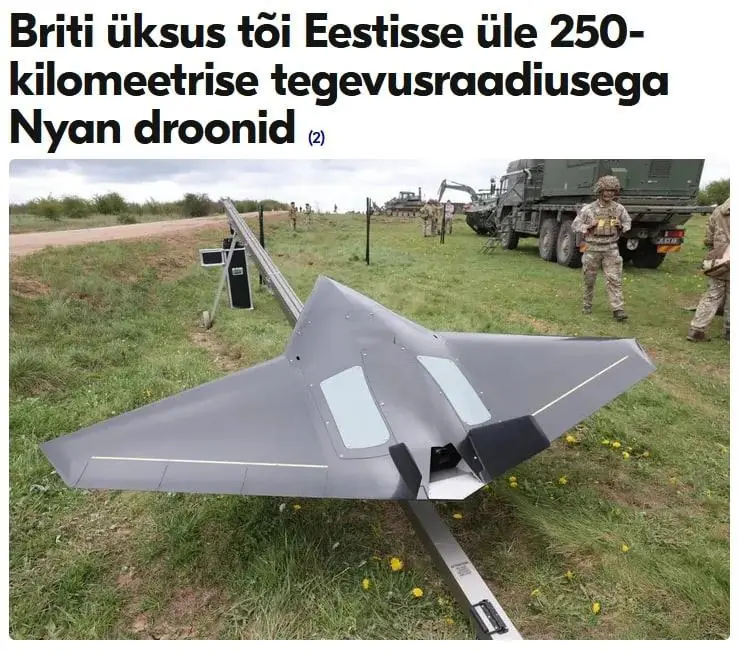
- Nyan product
- UK kamikaze drone; cited as deployed in Estonia for NATO deterrence and potential strikes on St Petersburg.
- Switchblade 600 product
- Drone system; cited as received by Lithuania, part of broader Western aid package.
- FSB Border Service system
- Russian authority; cited for detaining alleged saboteurs and managing border zone restrictions.
CounterpointsUkrainian and Western sources confirm Baltic military aid, including drone components and generators, but frame it as defensive support rather than direct belligerence. They also note Lithuanian struggles with defense spending bureaucracy, contradicting Russian claims of rapid, unchecked militarization. Additionally, Western reports highlight NATO's focus on deterrence and border security, rather than the aggressive escalation narratives presented by Russian milbloggers.
Poland
Russian milbloggers are intensifying focus on Poland as a critical NATO logistics and political hub, highlighting the deployment of Patriot batteries near Lublin and new drone units in Lukow to counter hybrid threats. Reports emphasize Poland’s internal political instability, including assassination plots against PM Donald Tusk and legislative moves to establish a ‘pre-war state’ that bypasses normal democratic checks. While Russian channels frame these developments as aggressive NATO consolidation and evidence of Polish complicity in the war, Western sources confirm the defensive nature of the deployments and the closure of border crossings due to accidental drone incursions rather than direct Polish aggression.
NamedDonald Tusk ×7Radosław Sikorski ×4Wladyslaw Kosiniak-Kamysz ×3Patriot ×2Defence24 ×1KYNTEQ ×1Karol Nawrocki ×1Krzysztof Gawkowski ×1Leszek Miller ×1Magdalena Sobkowiacz-Czarniecka ×1Magdalena Sobkowiak-Czarnecka ×1Magdalena Sobkowiak-Czarniecka ×1Expand →
Collapse ↑
Poland
Russian channels' claims and tone about Poland — not confirmed fact; friendly sources in green.
- Air Defense and Border Fortification — Poland is deploying Patriot batteries near Lublin and creating drone brigades in Lukow to protect the Rzeszów logistics hub and manage cross-border drone debris.
- Political Instability and Security Threats — Russian channels highlight assassination plots against PM Donald Tusk and Defense Minister Wladyslaw Kosiniak-Kamysz, alongside internal disputes over defense readiness laws.
- Pre-War Legal Frameworks — Warsaw is drafting legislation to streamline NATO troop movements and legitimize military actions below the threshold of open war, which Russian analysts view as a move toward direct confrontation.
- Drone Incursions and Border Closures — Reports of Russian Geran drones approaching the Polish border have led to the closure of the Yagodin checkpoint and the scrambling of Polish F-16s, with investigations revealing Polish SIM cards in the debris.
- NATO Consolidation and US Bases — Russian posts note the rotation of Swedish troops to Rzeszów and US plans for a permanent base in Poland, framing these as long-term commitments to sustain the war effort.
- Donald Tusk person
- Target of alleged assassination plots and accused by President Karol Nawrocki of fabricating invasion reports.
- Wladyslaw Kosiniak-Kamysz person
- Defense Minister announcing new drone units and Patriot deployments near the Belarus and Ukraine borders.
- Karol Nawrocki person
- President accused of political manipulation and fabricating CIA reports regarding Russian invasion plans.
- Radosław Sikorski person
- Foreign Minister threatening Elon Musk over Starlink restrictions and criticizing political interference.
- Patriot system
- Air defense batteries deployed near Lublin airport to protect against Russian strikes and drone debris.
- Rzeszów politics
- Key logistics hub for Ukrainian aid, now protected by Swedish troops replacing Dutch forces.
- Lublin politics
- Location of new Patriot batteries and drone units, identified as a critical zone for border defense.
- Lukow politics
- Site of a new drone systems brigade established by Poland to counter hybrid threats near the Belarus border.
- Yagodin politics
- Border crossing closed due to threats from Russian Geran drones approaching from Volhynia.
CounterpointsRussian channels claim Poland closed border crossings due to direct drone attacks and frame the 'pre-war state' law as a move toward aggression, but Western sources confirm the closures were precautionary responses to accidental drone incursions from Ukraine. While Russian milbloggers portray the Patriot deployments as offensive preparations, Ukrainian and Western reports characterize them as defensive measures to protect the Rzeszów logistics hub from Russian strikes and debris. Additionally, Russian claims of Polish SIM cards in downed drones are presented as evidence of Polish involvement, whereas Western investigations suggest the cards were likely stolen or illegally obtained rather than indicating state sponsorship.
Belarus
Russian milbloggers and state media are highlighting Belarusian military integration through joint CSTO exercises, drone development mandates, and air defense system deployments, while simultaneously amplifying narratives of Western hybrid aggression on the border. Reports detail Belarusian contributions to joint drills, including FPV drones and combat robots, and the supply of chassis for Pantsir-S1M systems. Concurrently, channels emphasize border incidents involving alleged armed intruders and sabotage attempts, framing them as evidence of NATO provocation and validating Lukashenko’s rhetoric on border fortifications.
NamedAndrei Karshakou ×1Expand →
Collapse ↑
Belarus
Russian channels' claims and tone about Belarus — not confirmed fact; friendly sources in green.
- Joint Military Exercises — Russian sources highlight CSTO drills like 'Interaction-2026' and 'Center-2026' to showcase Belarusian readiness and integration of advanced robotics.
- Border Hybrid Threats — Milbloggers amplify Latvian and Lithuanian reports of border breaches and smuggling, framing them as coordinated Western or Ukrainian hybrid attacks.
- Drone and Robotics Development — Lukashenko’s orders for accelerated drone production and Belarusian participation in joint assault drills using FPV drones are emphasized as key capability boosts.
- Air Defense Integration — Observations of Pantsir-S1M systems on Belarusian MZKT chassis are cited to demonstrate deep industrial and military cooperation.
- Political Rhetoric on Aggression — Lukashenko’s comments on border fences and Russian diplomatic warnings about NATO confrontation are used to justify military posturing.
- MZKT-7930 product
- Belarusian chassis supplied to Russia for mounting Pantsir-S1M air defense systems, observed in joint exercises.
- Pantsir-S1M system
- Air defense system deployed on Belarusian chassis during Center-2026 exercises, highlighting industrial cooperation.
- Alexander Lukashenko person
- Belarusian President ordering accelerated drone development and commenting on border infrastructure and NATO threats.
- Andrey Belousov person
- Russian Defence Minister engaging in CIS diplomacy, including meetings with Belarusian counterparts.
- Interaction-2026 programme
- CSTO joint exercise at Chebarkul featuring Belarusian contingents using FPV drones and combat robots.
- Center-2026 programme
- Russian military exercise where Belarusian-supplied chassis for Pantsir systems were displayed.
- FSB company
- Russian security service claiming to have captured a Swedish national for sabotage, linking the act to Belarusian territory.
- Eurasia-Antiterror-2026 programme
- SCO counter-terror drill in Belarus demonstrating joint drone suppression capabilities with Iran, China, and Russia.
CounterpointsUkrainian and Western sources contradict Russian narratives by identifying the 'armed unknowns' on the Latvian border as likely a cover group called 'Black Russians' rather than state actors, and by highlighting Belarusian volunteers actively fighting for Ukraine in units like 'Volya' and '1514' using drones against Russian forces. Additionally, Western reports note Lithuanian interceptions of smuggling shipments from Belarus, suggesting internal instability or hybrid economic pressure rather than the direct military aggression implied by Russian channels.
Wider region
Wider NATO & region
Russian milbloggers are highlighting a mix of NATO military posturing and internal logistical friction, focusing on a proposed joint NATO Black Sea command led by Romania, Bulgaria, and Turkey, alongside claims of sabotage against Starlink infrastructure in Bulgaria. Reports also detail increased Baltic defense industrial integration, Estonian military presence near Ukraine, and US-imposed restrictions on Starlink speeds for Ukrainian forces. The tone suggests a shift toward unmanned warfare and hybrid threats, with Russian channels emphasizing Western logistical constraints and political divisions.
NamedRumen Radev ×8Alexus Grynkewich ×6Patriot ×6Ivaylo Mirchev ×4Mark Rutte ×4ASELSAN ×3Giuseppe Cavo Dragone ×3Maia Sandu ×3B61-12 ×2Donald Trump ×2Elon Musk ×2General Atomics ×2Expand →
Collapse ↑
Wider NATO & region
Russian channels' claims and tone about Wider NATO & region — not confirmed fact; friendly sources in green.
- Black Sea Command Proposal — Romania proposes a joint NATO command with Bulgaria and Turkey by 2028 to counter hybrid threats and drone attacks.
- Starlink Restrictions and Sabotage — Russian channels report US limits on Starlink speeds and claim sabotage of antennas in Bulgaria, while Western sources confirm the speed limits.
- Baltic Defense Integration — Latvia joins a French-led defense industrial program, and Estonia confirms military presence near Ukraine, highlighting deepening NATO eastern flank integration.
- NATO Unmanned Warfare Strategy — Russian analysts cite NATO plans to use autonomous drones and ground robots for long-range strikes on Russian territory and C2 nodes.
- Storm Shadow Deliveries — Reports confirm UK approval for additional Storm Shadow missiles, though Russian channels question their practical impact due to air defense constraints.
- Rumen Radev person
- Bulgarian PM reporting cargo ship attacks off Bulgaria's coast, highlighting Black Sea security risks.
- Alexus Grynkewich person
- NATO EUCOM Commander cited in claims about using thousands of drones and robots to strike Russian targets.
- Ivaylo Mirchev person
- Bulgarian MP claiming sabotage of Starlink antennas near Sofia supporting Ukrainian communications.
- Mark Rutte person
- Named in entity list, though specific claims in cards focus on other figures; likely referenced in broader NATO context.
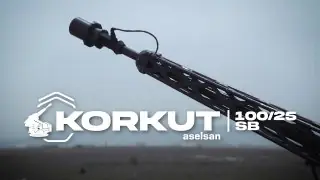
- ASELSAN company
- Turkish defense company named in entity list, likely in context of Turkish drone capabilities or regional defense.
- Giuseppe Cavo Dragone person
- Named in entity list, likely in context of Italian or NATO naval/defense operations.
- Maia Sandu person
- Moldovan President cited in reports positioning Kishinev as a key NATO logistics channel and EU accession advocate.
- B61-12 system
- Nuclear bomb delivery system mentioned in Western analysis of German Tornado deployments, noted by Russian channels.
- Donald Trump person
- US President cited in claims about pausing ammo sales and proposed peace plans involving frozen Russian assets.
- Elon Musk person
- SpaceX CEO denying role in Starlink restrictions, claiming US government controls speed limits for liability reasons.
- General Atomics company
- Named in entity list, likely in context of drone manufacturing or supply to Ukraine.
CounterpointsWestern sources confirm the White House ordered a slowdown of Starshield services for Ukraine, contradicting Russian claims that Elon Musk is solely responsible or that restrictions are not in place. Additionally, Western reports confirm the UK's approval of additional Storm Shadow missiles, validating the delivery aspect while Russian channels question their efficacy due to air defense issues.
Latest findings
231 from the last 14 days · older findings by month →