Hetzner Russia War OSINT
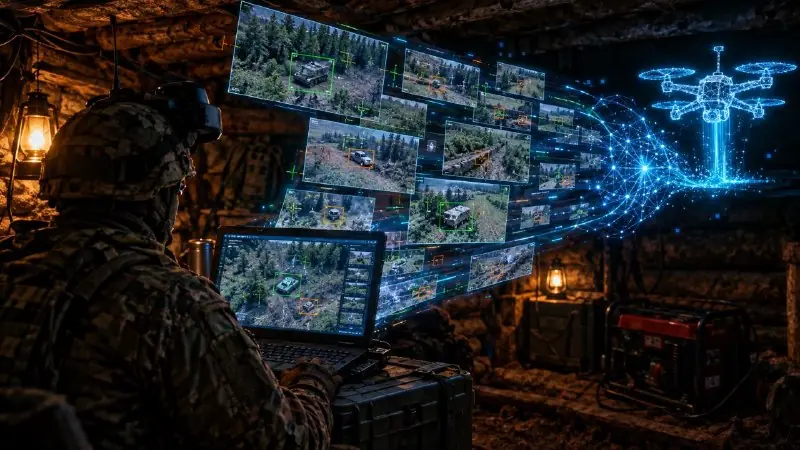
Telegram-based OSINT on Russian adversarial Telegram channels, cross-checked against pro-Ukrainian channels, with a main focus on drones, robots and AI in Russia's war against Europe. Running entirely on Hetzner's AI inference service, currently in beta testing. The analysis runs several times a day.
Most important events
What happened, and what the monitored channels added around it. The event is usually already public; the detail underneath is what the channels supply and ordinary reporting leaves out. Every line names its channel and grade — these are combatant claims about a live war, not established fact.
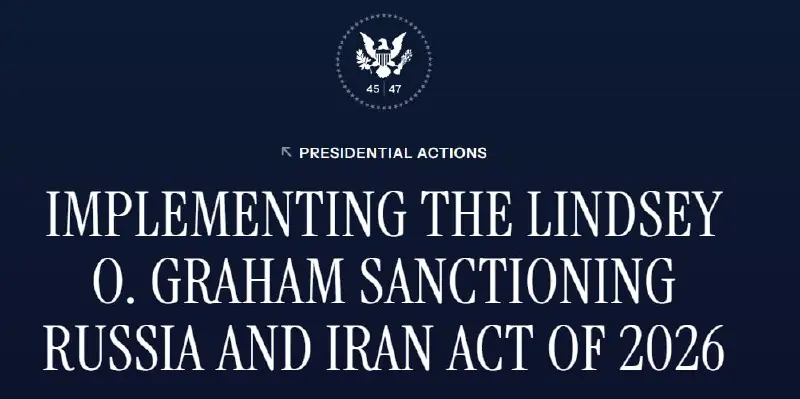
Trump blocks Graham Act tariffs on Russia and Iran
A major shift in US economic statecraft, shielding Russian and Iranian exports from punitive 500% tariffs and signaling a pivot away from economic pressure.
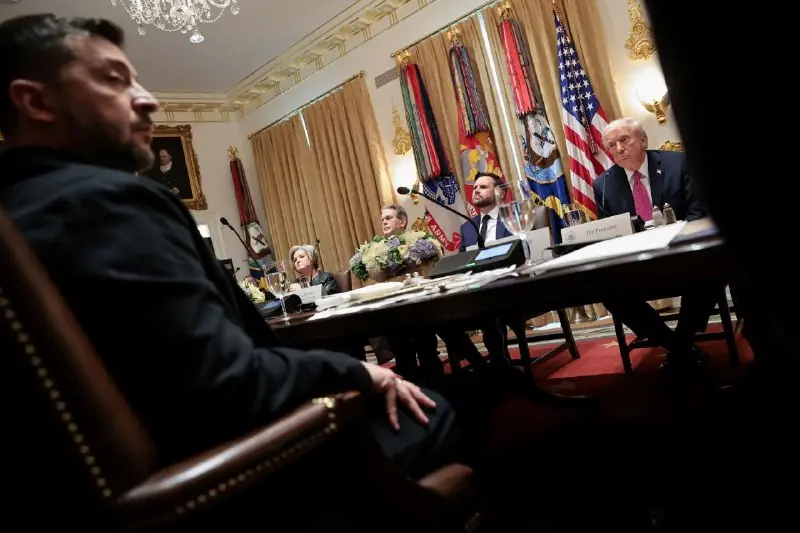
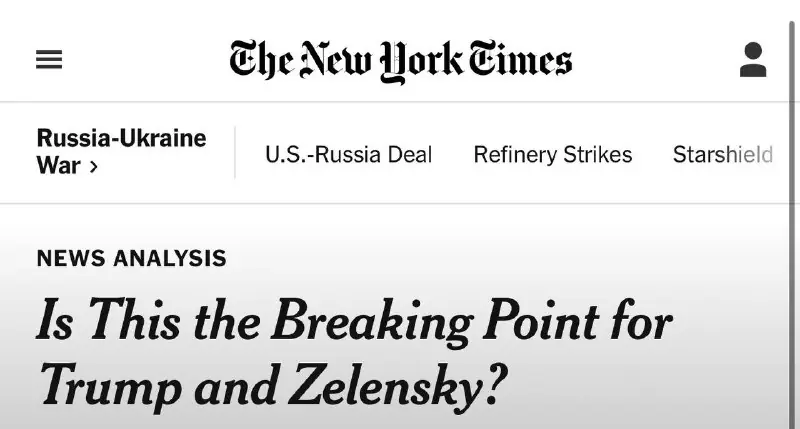
President Trump signed an order refusing to apply sanctions and tariffs from the 2026 Graham Act on Russia and Iran, citing national interest. The order explicitly blocks a 500% tariff on Russian goods, overriding legislative mandates. This move coincides with reports of deteriorating US-Ukraine ties and suggests a strategic realignment ahead of the US midterms.On this site Vladimir Putin Volodymyr Zelensky
- The order blocks a 500% tariff on Russian goods, citing national interest. СОЛОВЬЁВ D
- Reports claim Ukraine faces Starshield limits and intel cutoff as Trump sides with Russia. СОЛОВЬЁВ D
- Trump told Newsmax Zelensky is harder to deal with than Putin; US temporarily halted ammo sales. Kotsnews (Александр Коц) C
Still unknown Whether the tariff block is permanent or tied to specific negotiation concessions.
Ukraine strikes Surgut Condensate Stabilization Plant 2,400km from border
A deep-strike capability demonstration against a critical Russian fuel production facility, proving Ukraine can hit strategic energy targets far behind the front lines.
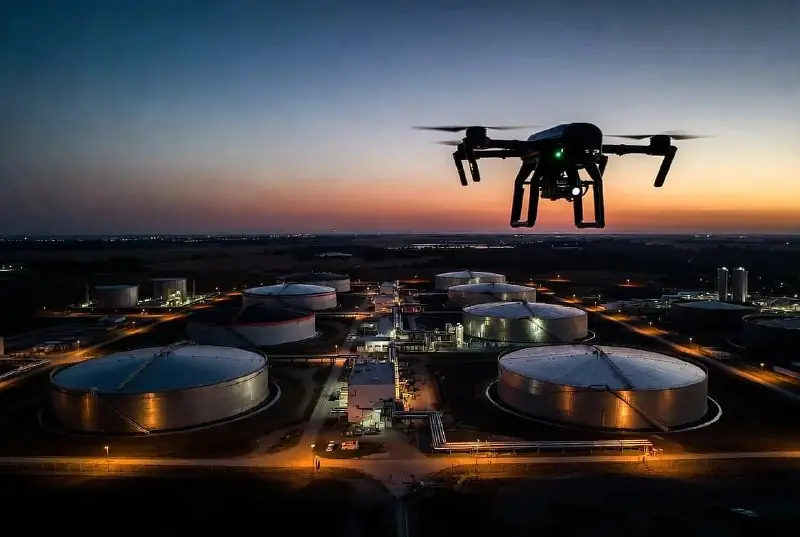
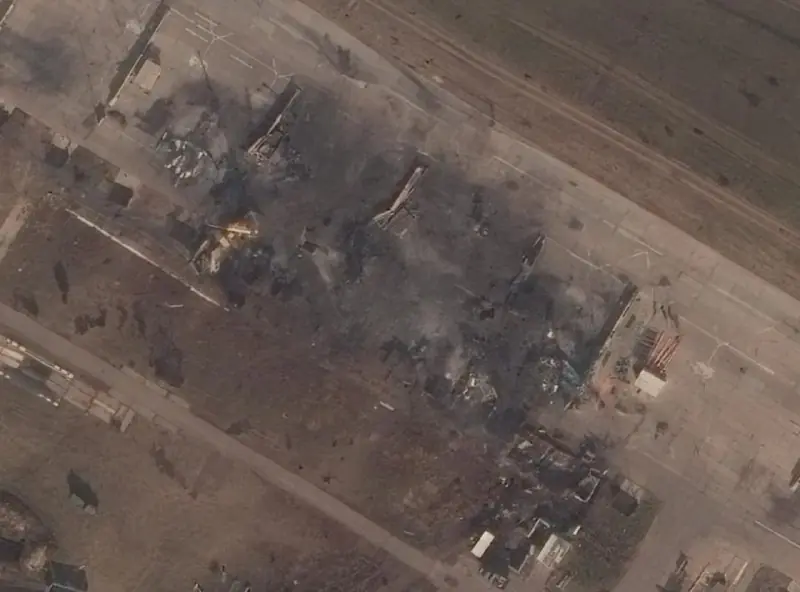
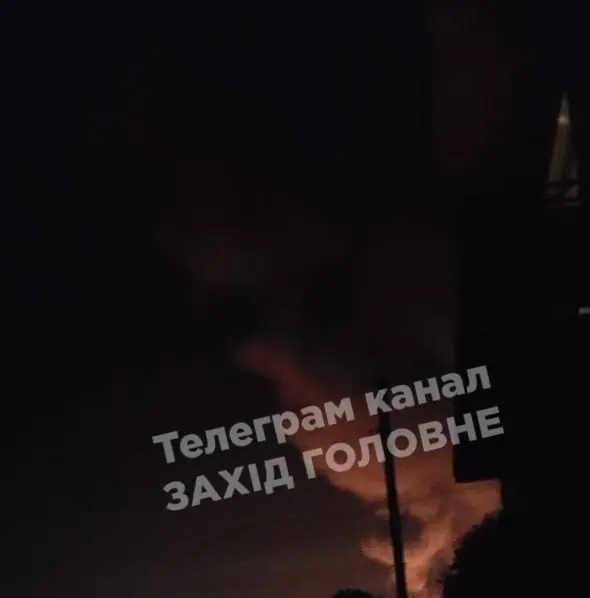
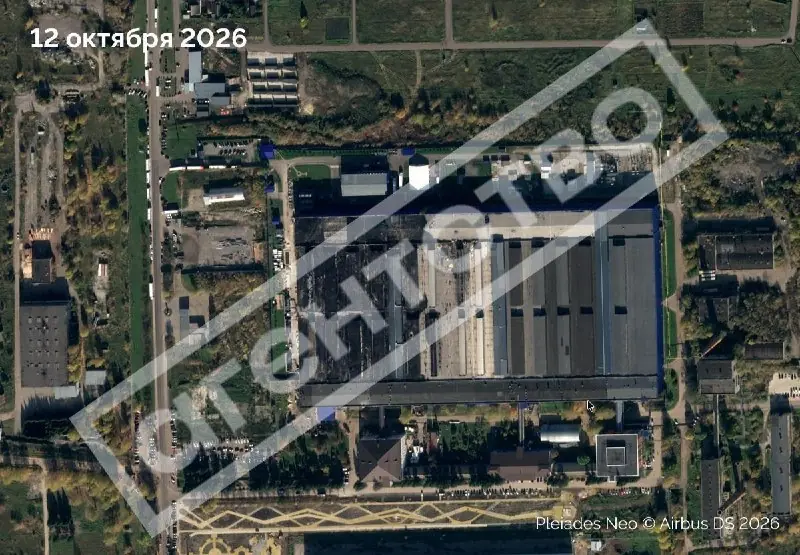
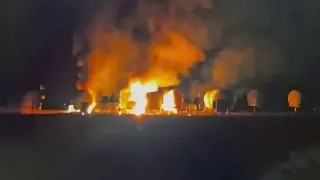
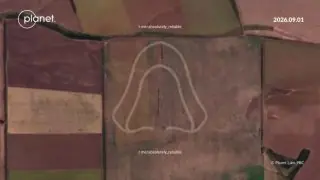
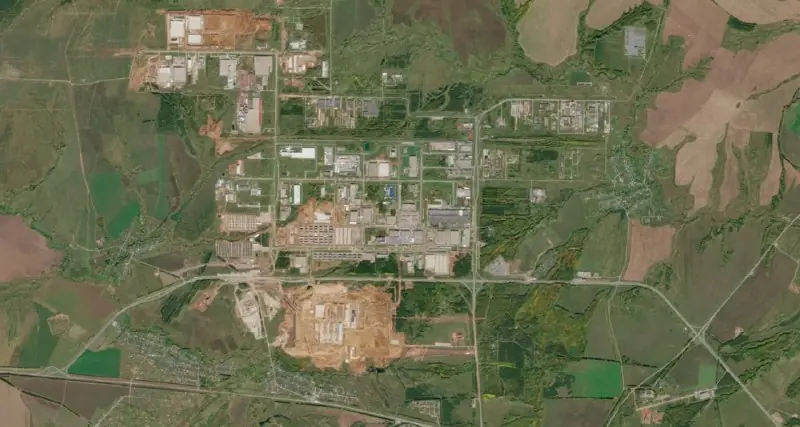
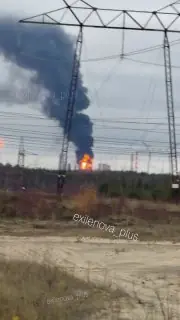
Ukrainian drones struck the Surgut Condensate Stabilization Plant (Gazprom Pererabotka) in the Khanty-Mansiysk district, causing a major fire. The facility is located approximately 2,400km from the Ukrainian border. Satellite imagery and local reports confirm significant damage to the industrial complex, marking a significant escalation in long-range strike capabilities.- Ukrainian drones hit the Surgut Condensate Stabilization Plant, causing a major fire. STERNENKO C
- Industrial facility in Surgut district caught fire after drone attack; distance to Ukraine ~2,600 km. МИГ России (MIG Rossii) C
- Satellite photos reveal structural impact consistent with recent attacks on the facility. ASTRA B
- KhMAO Governor Kukuruk confirmed the fire and noted specialists are assessing the damage scale. СОЛОВЬЁВ D
Still unknown The specific type of drone used to achieve such range and the extent of operational disruption to the plant.
Zelensky offers 100-day ceasefire on energy strikes for Starlink expansion
A high-level diplomatic maneuver attempting to secure critical communications infrastructure in exchange for halting attacks on Russian energy, reflecting Ukraine's desperation for aid and connectivity.
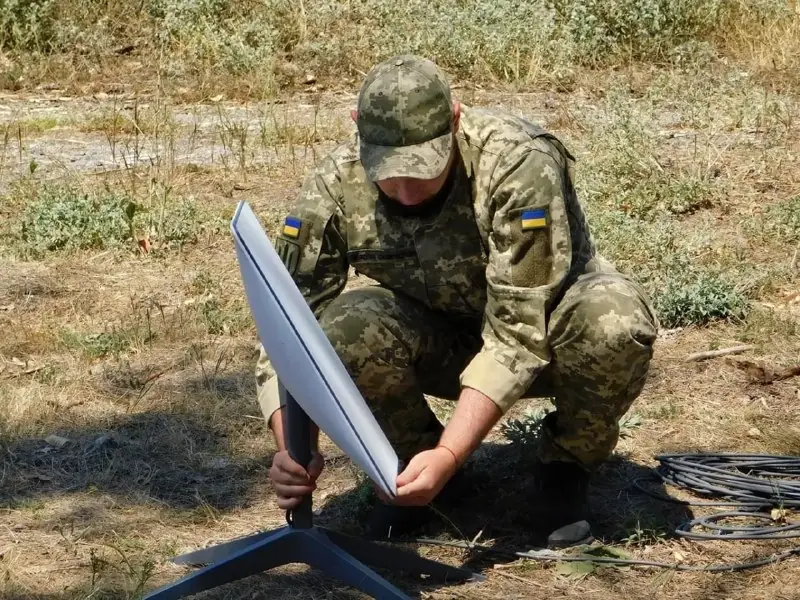
Ukrainian President Zelensky reportedly agreed to a 100-day pause on Russian energy strikes in exchange for expanding Starlink coverage 300km into Russia and receiving additional Patriot systems. The proposal was discussed with US senators and aligns with reports of Trump calling the strikes ‘shameful.’ The deal is reportedly under consideration by Kyiv but may be outdated due to shifting US political dynamics.From the posts
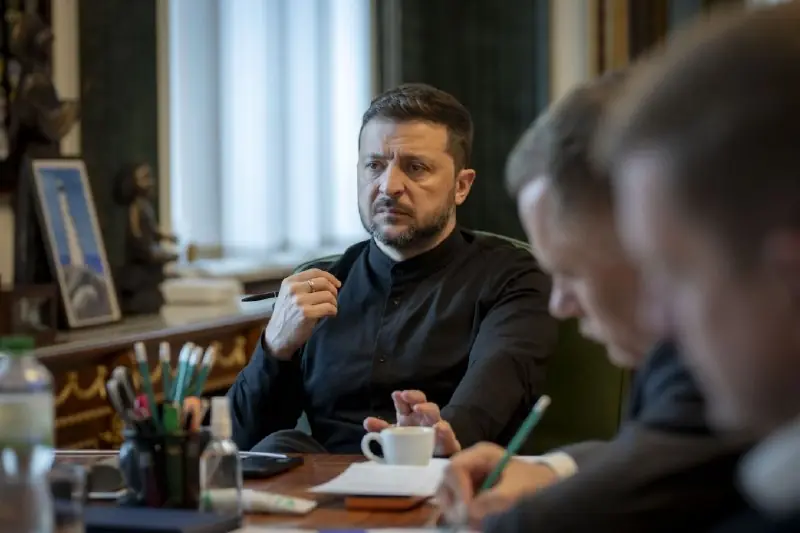
photo ASTRAB
On this site Starlink Volodymyr Zelensky
- Zelensky agreed to a 100-day pause on Russian energy strikes for expanded Starlink coverage. ASTRA B
- US senators offered expanded Starlink (300km range in Russia) for a 100-day ceasefire on Russian territory. Intel Slava D
- WSJ reports Zelensky offers 100-day ceasefire on oil refineries for expanded Starlink; Trump calls strikes shameful. Readovka D
Still unknown Whether the US administration formally accepted the proposal or if it remains a channelled negotiation tactic.
Pope Leo XIV calls Putin urging ceasefire in Aleshki
The first recorded phone call between the new Pope and the Russian President, signaling a potential opening for humanitarian diplomacy and a pause in fighting in the Kherson region.
Pope Leo XIV held his first phone call with Vladimir Putin, urging a ceasefire in the Aleshki sector and expressing concern over the humanitarian situation in Kherson. The Kremlin reportedly agreed to cooperate with the Pope’s initiative. This marks a significant diplomatic engagement by the new Vatican leadership in the conflict.On this site Vladimir Putin Volodymyr Zelensky
- Pope Leo XIV held first phone call with Putin, urging ceasefire in Aleshki. STERNENKO C
- Kots reports Pope called Putin requesting ceasefire in Aleshki for civilians; Kremlin agreed to cooperate. Kotsnews (Александр Коц) C
Still unknown The specific terms of the 'cooperation' agreed to by the Kremlin and whether a ceasefire will be implemented.
China Watch
Russian milbloggers and state channels are actively highlighting China's deepening technological and logistical integration with Russia's war effort, framing it as a strategic victory over Western sanctions. Reports emphasize the supply of dual-use components, including chips and machine tools, and claim Chinese jet engines have significantly upgraded Russian Geran-2 drones. While official channels maintain diplomatic denials of direct military aid, pro-war commentators openly discuss Chinese involvement in satellite internet, AI training, and joint exercises, suggesting a shift from neutrality to active support.
CounterpointsUkrainian and Western sources contradict Russian claims of Chinese neutrality by documenting the presence of Chinese components in Ukrainian drones and the use of Chinese machine tools in Russian factories. While Russian channels boast about Chinese jet engines upgrading Geran-2 drones, Western analysis highlights that Ukrainian drones also rely heavily on Western electronics, complicating the narrative of exclusive Chinese support. Additionally, Western reports confirm Chinese involvement in supply chain evasion, such as the use of Shenzhen NuanQin Technology, validating Russian milblogger allegations of grey market trade.
Reports of Chinese people in Russia, occupied Ukraine or Belarus — soldiers, advisers, instructors, technical specialists — as against Chinese parts and deliveries, which are tracked under China below. Every item is shown with its grade. Single, unconfirmed claims are included on purpose: a grade of 4–6 means one source we do not rate as reliable. Judge them as claims, not as established fact.
- C3 1 independent origin RU · adversary
Chinese factory produces serial anthropomorphic robots for Serbia
Serbian 'Winner-2026' exercises demonstrated 'Milo' robotic dogs equipped with ATGMs and machine guns, marking the first serial models from a new Chinese factory for anthropomorphic robots.
- C2 2 independent origins RU · adversary
Chinese shipyard builds specialized base for large UUVs
UN monitoring group reports up to 25,000 North Koreans working on Geran drone assembly in Russia's Alabuga SEZ, posing as students to evade sanctions.
Places named in the sourcesAlabuga
Items stay here for 30 days, then move to the China watch archive, where they are kept permanently — 2 so far.
Russian milblogger trend watch
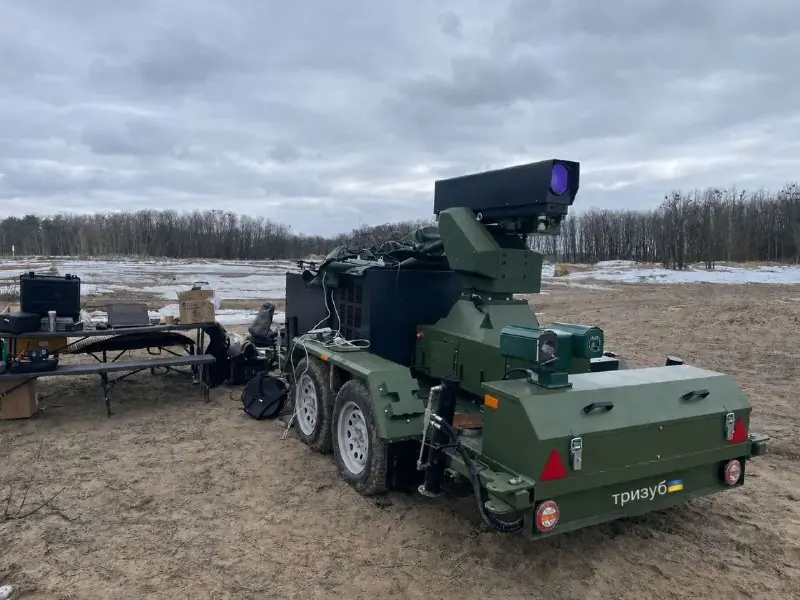
Russian milbloggers are increasingly highlighting the integration of AI into air defense systems, specifically the Zitadel AA system, which claims to use AI-guided automation to detect, track, and destroy targets in approximately 15 seconds with high precision and low ammo consumption (mod_russia-68246, zvezdanews-182654). The Ministry of Defense is also promoting a secure platform connecting over 40 drone developers to combat footage for training AI target recognition and navigation models, suggesting a push for data-driven autonomy (yurasumy-29702). However, there is a concurrent recognition of limitations, with analysts noting that combat AI is not a panacea and decision quality depends strictly on data quality, warning against the illusion of infallible command systems (swodki-627062). Furthermore, questions persist about the true autonomy of Russian AI development, with reports that Yandex's flagship AI relies on Chinese models, raising concerns about dependency (barantchik-41595). The overall sentiment suggests a race to integrate AI at the edge, but with acknowledged hardware and data constraints.
Expand analysis →
Collapse ↑
What Russian milbloggers are saying — their claims and mood, not confirmed fact.
Autonomy & AI at the edge
Russian milbloggers are increasingly highlighting the integration of AI into air defense systems, specifically the Zitadel AA system, which claims to use AI-guided automation to detect, track, and destroy targets in approximately 15 seconds with high precision and low ammo consumption (mod_russia-68246, zvezdanews-182654). The Ministry of Defense is also promoting a secure platform connecting over 40 drone developers to combat footage for training AI target recognition and navigation models, suggesting a push for data-driven autonomy (yurasumy-29702). However, there is a concurrent recognition of limitations, with analysts noting that combat AI is not a panacea and decision quality depends strictly on data quality, warning against the illusion of infallible command systems (swodki-627062). Furthermore, questions persist about the true autonomy of Russian AI development, with reports that Yandex’s flagship AI relies on Chinese models, raising concerns about dependency (barantchik-41595). The overall sentiment suggests a race to integrate AI at the edge, but with acknowledged hardware and data constraints.
EW vs counter-EW & fiber-optic drones
Electronic warfare remains a central theme, with milbloggers criticizing the VKS for poor communications vulnerable to EW and inadequate small-airspace defense (UAVDEV-13032). The effectiveness of Ukrainian EW is underscored by reports that Starlink service restrictions caused mission failures and degraded the drone arsenal (zvezdanews-182653, baltnews-75302). In response to jamming, Russian hackers have released ‘1001’ firmware for DJI Neo, Avata 2, and Matrice series, enabling alternative flight apps like ‘Trepeta’ and ‘Glaz 3’ to bypass restrictions and maintain military utility (FPV_vyZOV-5742, FPV_vyZOV-5743). While fiber-optic drones are not explicitly detailed in this batch, the emphasis on firmware hacking and alternative apps indicates a desperate adaptation to EW environments. Russian milbloggers also report the use of the ‘Strilets’ complex firing Igla-S air-to-air missiles, suggesting a move toward kinetic interception of drones where EW fails (barantchik-41576). The overall sentiment is that EW is a decisive factor, with both sides adapting through software and hardware countermeasures.
Counter-drone / interception
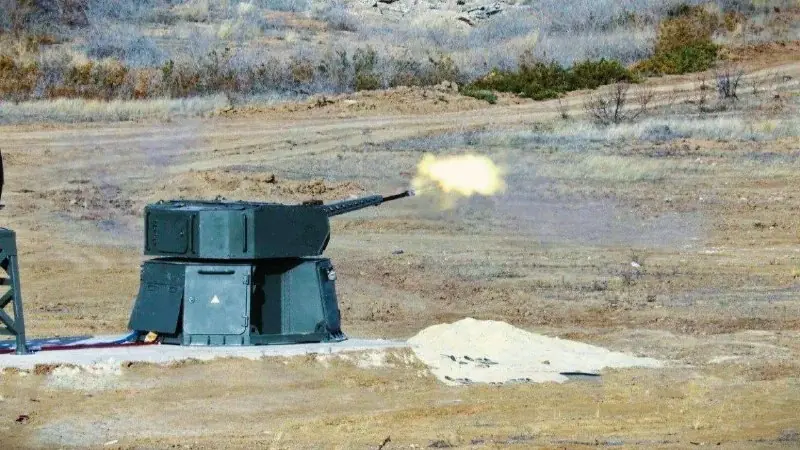
Russian milbloggers are reporting significant activity in counter-drone interception, with the MoD claiming the interception of hundreds of Ukrainian drones in a single night across multiple regions (SIL0VIKI-112401). Specific systems like the ‘Citadel’ AA gun and the ‘Strilets’ complex firing Igla-S missiles are highlighted as effective kinetic solutions against fast, jet-powered drones like the Geran-5 (mod_russia-68286, barantchik-41576). The deployment of FPV interceptors by units like the 24th Spetsnaz ‘Vega’ brigade demonstrates a shift toward drone-on-drone engagements, claiming success against a wide array of Ukrainian FPV types (sashakots-65167). Additionally, the use of AK-12s and 12-gauge shotguns by ground troops to repel drone barrages indicates a reliance on low-tech, immediate-response countermeasures when electronic or kinetic interceptors are unavailable (sashakots-65169, epoddubny-29485). The focus is on layered defense, combining high-tech interceptors with mobile, human-centric responses to saturating drone attacks.
Production, components & supply chain
The production of Geran drones is ramping up, with variants like the Geran-4 and Geran-5 being actively deployed in mass strikes against Ukrainian energy and logistics infrastructure (Voenacher-97790, boris_rozhin-229864). The MoD is also increasing the production of Krasnopole guided shells, integrating drone and recon data into fire control systems to enhance artillery effectiveness (voin_dv-21610). Crowdfunding efforts by milbloggers, such as the campaign for DJI Matrice 4T drones and FPV monitors, highlight the continued reliance on commercial off-the-shelf components and the need for supplementary funding to equip frontline units (dva_majors-100595). The integration of new drone models like the ‘Hornet’ (Shershen) and the expansion of the Caspian Flotilla’s drone capabilities suggest a diversification of the unmanned arsenal to target both ground and naval assets (sashakots-65191, rybar_in_english-35061). Despite these efforts, the reliance on foreign components and the need for continuous adaptation to counter-EW measures remain significant challenges.
Tactics & employment
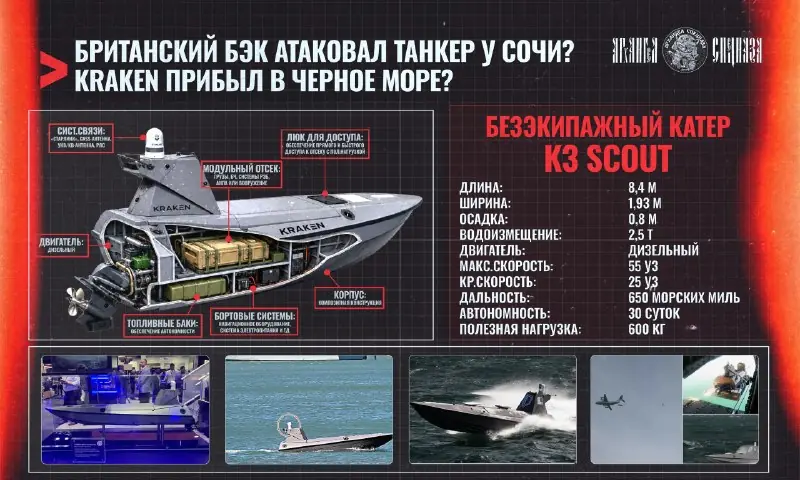
Russian milbloggers are detailing the use of Geran drones for deep strikes on Ukrainian energy infrastructure, including substations in Zhytomyr and Rivne, causing widespread blackouts and disrupting water supplies (intelslava-96502, boris_rozhin-229864). The employment of FPV drones for precision strikes on Ukrainian personnel, vehicles, and EW nodes is widespread, with units like the 69th Separate Cover Brigade claiming the destruction of dozens of ground robots and hexacopters (voin_dv-21609). The integration of drone data into artillery fire control systems is enhancing the accuracy and speed of counter-battery operations (voin_dv-21610). Additionally, the use of naval drones like the Kraken K3 Scout by Ukrainian forces against Russian Black Sea targets is prompting Russian responses, including strikes on Ukrainian ship-launched drone platforms (barantchik-41639, Voenacher-97776). The tactics are evolving towards a more integrated, multi-domain approach, leveraging both air and naval unmanned systems to achieve strategic and tactical objectives.
Ground & naval robotics
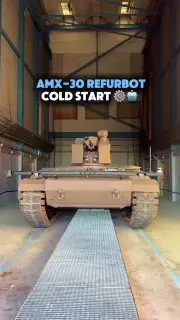
Russian milbloggers are reporting the successful use of FPV drones to destroy Ukrainian ground robotic complexes and hexacopters, indicating a growing threat to unmanned ground vehicles (UGVs) on the battlefield (voin_dv-21609, SIL0VIKI-112406). The deployment of remote-controlled platforms, such as the French REFURBOT project converting AMX-30 tanks, highlights the broader trend of integrating robotics into heavy armor operations (anna_news-95430). In the naval domain, the use of Ukrainian Kraken K3 Scout USVs against Russian targets is prompting Russian strikes on Ukrainian drone launch ships, suggesting a nascent but active naval drone warfare (barantchik-41639, Voenacher-97776). The focus is on countering enemy unmanned systems while developing and deploying Russian equivalents for logistics, reconnaissance, and strike missions.
Named systems & programmes
The Geran drone family, including the Geran-2, Geran-4, and Geran-5 variants, is the primary focus of Russian unmanned strikes, with claims of high effectiveness against Ukrainian infrastructure (Voenacher-97790, boris_rozhin-229864). The ‘Citadel’ AA gun system and the ‘Strilets’ complex are highlighted as key kinetic counter-drone assets (mod_russia-68286, barantchik-41576). The Rubicon Centre is noted for its use of FPV-anti-drone systems and remote mining of logistics routes (boris_rozhin-229881). Ukrainian systems like the ‘Knyaz Vladimir’ ring-wing FPV and the Kraken K3 Scout USV are also mentioned, indicating awareness of adversary capabilities (milinfolive-181605, barantchik-41639). The integration of these systems into a cohesive doctrine is a key theme, with milbloggers emphasizing the need for rapid adaptation and interoperability.
Offensive/defensive balance & morale
Russian milbloggers express confidence in the effectiveness of their drone and air defense systems, claiming high interception rates and successful strikes on Ukrainian targets (SIL0VIKI-112401, Voenacher-97790). However, there is an underlying concern about the saturation of Ukrainian drone attacks and the need for continuous technological adaptation (sashakots-65169, epoddubny-29485). The mood is one of cautious optimism, with milbloggers acknowledging the challenges of EW and the need for improved training and equipment (UAVDEV-13032, swodki-627062). The reliance on crowdfunding and private investment for drone procurement highlights the gaps in state support and the proactive role of civil society in sustaining the war effort (dva_majors-100595, bes_pilot-6502). Overall, the sentiment is that Russia is maintaining the initiative through a combination of technological innovation and tactical flexibility.
Attention to the Netherlands
The provided signals do not contain specific mentions of the Netherlands, Dutch military aid, or Dutch companies in the context of drone, AI, or robotics warfare. Therefore, no assessment can be made regarding Dutch attention or tone based on the current dataset.
Attention to Germany
Russian milbloggers are noting the impact of German-supplied systems, such as the SEBN factory (a German-Japanese JV supplying Volkswagen and Audi) being targeted by Russian drone strikes, indicating the integration of German industrial capacity into the Ukrainian war effort (RVvoenkor-125081, sashakots-65160). The mention of German Leopard 2A6 tanks in live-fire drills in Lithuania suggests an awareness of German military hardware being deployed in the region, albeit indirectly (baltnews-75366). The tone is generally adversarial, viewing German industrial and military support as a key enabler of Ukrainian resistance, and targeting German-linked infrastructure as a strategic objective.
- ↑ Autonomy & AI at the edge — Increased focus on AI-driven air defense automation and data-driven drone training platforms.
- → EW vs counter-EW & fiber-optic drones — Continued emphasis on firmware hacking and alternative apps to bypass Starlink restrictions.
- ↑ Counter-drone / interception — Shift towards drone-on-drone interceptors and kinetic solutions like 'Citadel' and 'Strilets'.
- ↑ Production, components & supply chain — Ramping up Geran production and integrating drone data into artillery fire control.
- ↑ Tactics & employment — Deep strikes on energy infrastructure and integration of naval drone warfare.
- → Ground & naval robotics — Focus on countering Ukrainian UGVs and USVs with FPV and kinetic strikes.
- ↑ Named systems & programmes — Geran variants and 'Citadel' AA system are central to current operational narratives.
- → Offensive/defensive balance & morale — Cautious optimism with acknowledged challenges in EW and saturation attacks.
- → Attention to the Netherlands — No significant signal detected in the current dataset.
- ↑ Attention to Germany — Increased targeting of German-linked industrial infrastructure and awareness of German military hardware.
Foreign support for Russia's war
China
Russian milbloggers and state channels are actively highlighting China's deepening technological and logistical integration with Russia's war effort, framing it as a strategic victory over Western sanctions. Reports emphasize the supply of dual-use components, including chips and machine tools, and claim Chinese jet engines have significantly upgraded Russian Geran-2 drones. While official channels maintain diplomatic denials of direct military aid, pro-war commentators openly discuss Chinese involvement in satellite internet, AI training, and joint exercises, suggesting a shift from neutrality to active support.
NamedXi Jinping ×7DJI ×2Geely ×2Shenzhen NuanQin Technology ×2Wang Yi ×2ADAspace ×1Chinese Jetson-class compute ×1Chinese People's Liberation Army ×1Chinese People's Liberation Army Navy ×1Deepal ×1EC Mojo Tech Co. ×1GLM-5.3 ×1Expand →
Collapse ↑
China
Russian channels' claims and tone about China — not confirmed fact; friendly sources in green.
- Dual-Use Component Supply Chains — Reports detail the flow of Chinese electronics, chips, and CNC machine tools into Russian defense manufacturing via intermediaries and grey markets.
- Drone and AI Warfare Integration — Claims that Chinese jet engines and AI models are enhancing Russian drone capabilities, alongside Chinese military training in autonomous systems.
- Satellite and Communications Support — Discussion of the 'Rassvet' satellite internet project and Chinese orbital compute satellites, with Ukrainian officials seeking sanctions against these assets.
- Joint Exercises and Strategic Alignment — Coverage of CSTO and SCO drills involving Chinese forces, and diplomatic moves to align Arctic logistics and counter-drone technologies.
- Sanctions Evasion and Shadow Economy — Accounts of Russian firms using Chinese entities to bypass export controls, including the use of non-traditional manufacturers for military parts.
- Xi Jinping person
- Mentioned in the context of high-level diplomatic and strategic discussions regarding the war and sanctions.
- DJI company
- Referenced in the context of drone supply chains and counter-drone measures.
- Geely company
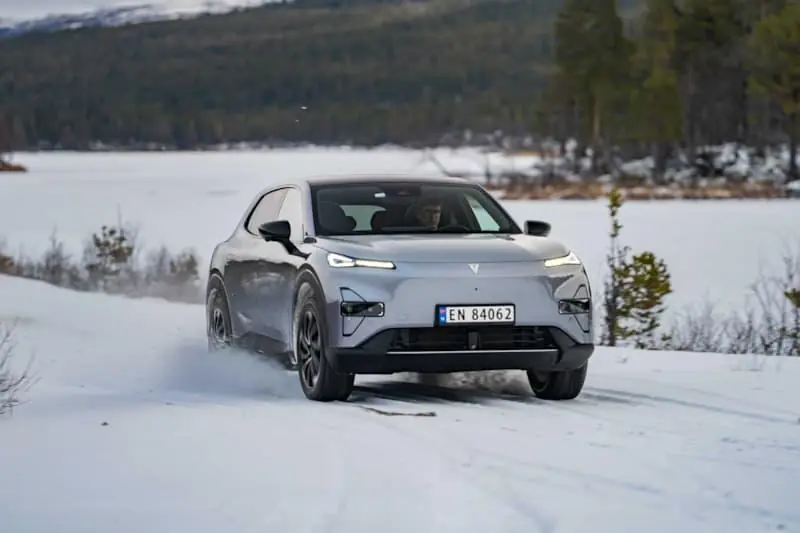
- Identified as the owner of Volvo and Deepal, whose rented vehicles in Norway were found recording military data.
- Shenzhen NuanQin Technology company
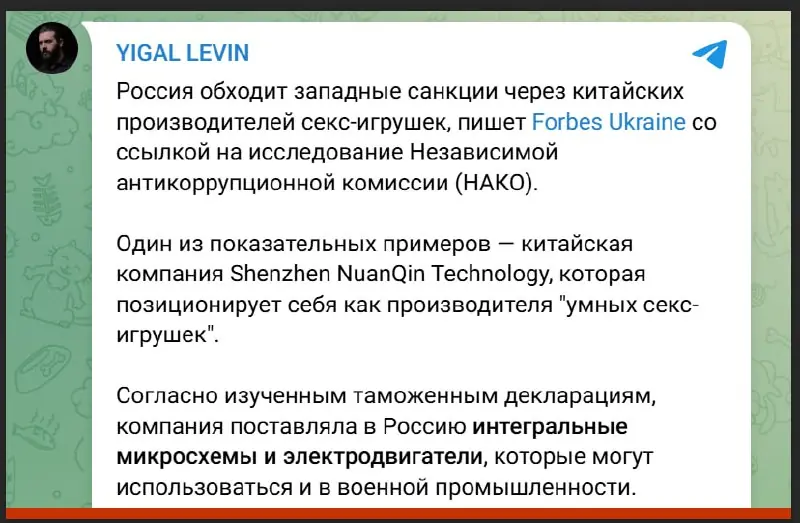
- Described as a Chinese 'smart sex-toy' maker that supplies integrated circuits and electric motors to Russian military production.
- Wang Yi person
- Chinese Foreign Minister who met with Russian officials to discuss Arctic logistics and counter-terror exercises.
- ADAspace company
- Chinese satellite operator launching 'Star Computing' satellites for AI model training in orbit.
- Chinese Jetson-class compute system
- Referenced as part of the hardware infrastructure supporting Chinese orbital AI capabilities.
- Chinese People's Liberation Army company
- Noted for opening new UAV colleges and participating in joint exercises with Russian forces.
- Chinese People's Liberation Army Navy company
- Mentioned in the context of joint naval and logistics alignment with Russia in the Arctic.
- Deepal company
- A car brand owned by Geely, whose rented vehicles in Norway were found recording military sites.
- EC Mojo Tech Co. company
- Listed as a named entity in the provided data, though specific context in the cards is limited.
- GLM-5.3 product
- A Chinese AI model reportedly relied upon by Yandex's 'Alice Expert' system.
CounterpointsUkrainian and Western sources contradict Russian claims of Chinese neutrality by documenting the presence of Chinese components in Ukrainian drones and the use of Chinese machine tools in Russian factories. While Russian channels boast about Chinese jet engines upgrading Geran-2 drones, Western analysis highlights that Ukrainian drones also rely heavily on Western electronics, complicating the narrative of exclusive Chinese support. Additionally, Western reports confirm Chinese involvement in supply chain evasion, such as the use of Shenzhen NuanQin Technology, validating Russian milblogger allegations of grey market trade.
Iran
Russian milbloggers are framing Iran as a critical logistical and technological partner, highlighting a deepening dependency driven by a $20 billion ruble credit and increased Caspian trade. Claims include the supply of missile technology and the preservation of Iranian production capacity despite Western strikes, while also noting the capture of US Remus 600 AUVs as a sign of Iranian electronic warfare gains. The narrative extends to Iran's regional proxy activities, such as strikes in the Strait of Hormuz and Yemen, which are presented as parallel fronts challenging Western and NATO interests.
NamedIRGC ×5Masoud Pezeshkian ×2Abbas Araghchi ×1Ali Fotowat Almady ×1Basij ×1Iranian Revolutionary Guard ×1Janfada ×1Kavoshcom Asia R&D Group ×1Mohammad Pezeshkian ×1Parisa Lali ×1Expand →
Collapse ↑
Iran
Russian channels' claims and tone about Iran — not confirmed fact; friendly sources in green.
- Economic and Military Dependency — Russian credit and food supplies are forcing Iran into deeper reliance on Russian rocket tech and grain.
- Technology Transfer and Reverse Engineering — Reports on the capture of US Remus 600 systems and the potential local production of Iranian Micar-2 MANPADS.
- Regional Proxy Warfare — Iranian and Houthi strikes on shipping and airports are framed as expanding pressure on US and Saudi assets.
- Diplomatic Hardening — Russian channels highlight Iran's 'apocalyptic war' rhetoric and failed US negotiations as signs of strategic resolve.
- Third-Party Conflict Export — Russian Geran-2 drones are reported in Mali, suggesting a broader export network of Iranian-Russian tech.
- IRGC company
- Cited for capturing US AUVs, conducting missile exercises, and releasing videos of ship strikes.
- Masoud Pezeshkian person
- Iranian President mentioned in context of diplomatic meetings and hardline posturing.
- Abbas Araghchi person
- Iranian FM cited for UN statements regarding peace and readiness for war.
- Ali Fotowat Almady person
- Named entity in posts, though specific role in current narrative is not detailed in the provided cards.
- Basij company
- Named entity in posts, likely in context of Iranian security apparatus or proxy forces.
- Iranian Revolutionary Guard company
- Used interchangeably with IRGC for claims of drone/missile operations and tech capture.
- Janfada programme
- Named entity in posts, specific context not detailed in the provided cards.
- Kavoshcom Asia R&D Group company
- Named entity in posts, likely related to Iranian tech or missile development.
- Mohammad Pezeshkian person
- Named entity in posts, distinct from Masoud Pezeshkian.
- Parisa Lali person
- Named entity in posts, specific context not detailed in the provided cards.
CounterpointsWestern and Ukrainian sources confirm that Russia is supplying missiles to Iran and that Iran has preserved significant production capacity, contradicting Russian claims of total Western success in degrading Iranian industry. Additionally, Western intel assesses that Iran may be planning drone attacks on NATO assets like RAF Fairford, a threat not emphasized in the Russian narrative which focuses more on Iranian successes against US targets in the Middle East.
North Korea
Russian state media and milbloggers are actively promoting the narrative that North Korean troops participated in the liberation of the Kursk region and infrastructure restoration, with Deputy Defense Minister Vitaly Shulya publicly thanking Pyongyang for this support. Concurrently, Russian channels highlight the integration of North Korean KN-23 missiles into major strikes on Kyiv and Dnipro, while also reporting on North Korea’s continued missile development and naval expansion. The diplomatic fallout from Ukraine’s disclosure of captured North Korean soldiers has caused significant friction, leading South Korea to recall its ambassador from Kyiv, a point emphasized by Russian outlets as evidence of Western hypocrisy. The overall tone is one of strategic partnership and military cooperation, framing North Korea as a key ally in both kinetic and diplomatic spheres.
NamedKim Jong Un ×5KN-23 ×3South Korea ×3Chonma-2 ×1Hwasong-16B ×1Kim Yo Jong ×1Paekyangsan Shipping ×1Pukguksong-3 ×1Ri Son Jin ×1Yoon Suk Yeol ×1Expand →
Collapse ↑
North Korea
Russian channels' claims and tone about North Korea — not confirmed fact; friendly sources in green.
- Troop Deployment and Kursk Operations — Russian officials claim NK troops fought in Kursk and performed demining, though this is contested by the POW scandal.
- Missile Integration and Strikes — KN-23 missiles are reported as part of mass Russian strikes on Ukrainian energy infrastructure.
- Diplomatic Friction and POW Scandal — South Korea recalled its ambassador from Kyiv due to Ukraine's public disclosure of captured NK soldiers.
- North Korean Military Modernization — Reports on NK missile tests, naval expansion, and AI drone capabilities are used to signal ongoing support.
- Strategic Partnership and Aid — High-level diplomatic exchanges and claims of shared interests underscore the Russia-North Korea alliance.
- Vitaly Shulya person
- Russian Deputy Defense Minister who thanked NK leadership for troop support in Kursk.
- Kim Jong Un person
- North Korean leader who sent birthday congratulations to Putin and oversaw missile tests.
- KN-23 system
- North Korean tactical ballistic missile reported as used in Russian strikes on Kyiv and Dnipro.
- Hwasong-16B system
- North Korean ICBM with hypersonic glide vehicle tested under Kim Jong Un's supervision.
- Chonma-2 system
- North Korean tank mentioned in context of military capabilities and museum displays.
- Pukguksong-3 system
- North Korean SLBM cited in reports on strategic deterrent capabilities.
- Ri Son Jin person
- North Korean official sanctioned by the EU for technical support of missile programs in Russia.
- Yoon Suk Yeol person
- South Korean President associated with the diplomatic fallout over NK POWs.
- Paekyangsan Shipping company
- Company linked to North Korean fuel shipments to Russia via South Korean tankers.
CounterpointsUkrainian and Western sources confirm the presence of North Korean personnel through the capture and transfer of two soldiers to South Korea, which contradicts Russian attempts to downplay the scale of involvement. While Russian channels claim NK troops 'liberated' Kursk, Western reports focus on the diplomatic scandal and the learning of modern warfare lessons by North Korean forces, rather than confirming large-scale combat roles in that specific region. Additionally, Western sources highlight North Korea's independent missile and naval advancements, such as SLBM tests and warship construction, which are framed as strategic developments rather than solely as support for Russia.
Neighbourhood watch
The Netherlands
Russian milbloggers are increasingly highlighting the Netherlands as a critical node in Western military aid, focusing on the depletion of Dutch stockpiles and the transfer of arms contracts to private firms like Aurexys. Claims circulate regarding the use of Dutch-made Ruta missiles and the grounding of Ukrainian F-16s due to logistical failures, while political tensions rise over the Dutch Defence Minister's designation of Russia as an enemy. The narrative frames Dutch involvement as a strain on NATO readiness and a source of hybrid threats, including civil defense drills against sabotage.
NamedF-16 ×4Mark Rutte ×4Ursula von der Leyen ×3Thales ×2Anduril Industries ×1Annabel Nanninga ×1Aurexys ×1DTS Armory ×1F-35A ×1FN Herstal ×1Harmattan AI ×1Martijn Walraven ×1Expand →
Collapse ↑
The Netherlands
Russian channels' claims and tone about The Netherlands — not confirmed fact; friendly sources in green.
- Stockpile Depletion — Russian channels claim Dutch MoD admits aid has depleted artillery and air defense stocks, impacting NATO readiness.
- Private Arms Intermediaries — Allegations that Dutch MoD transferred arms contracts to Aurexys after DTS Armory license revocation.
- Weaponry and Strikes — Claims of Dutch Ruta missile fragments found in Russia and F-16 maintenance issues linked to European supply chains.
- Political Hostility — Russian reaction to Dutch Defence Minister calling Russia an enemy and demands for ICC official extraditions.
- Hybrid Threats and Civil Defense — Reports on Dutch civilian drills for sabotage survival and EU visa restrictions targeting Russian veterans.
- F-16 system
- Cited in claims of Ukrainian F-16s being grounded due to maintenance and ammo shortages, and as part of NATO exercises.
- Mark Rutte person
- Named in entity list, though specific actions not detailed in the provided cards beyond general political context.
- Ursula von der Leyen person
- Cited by Russian channels as announcing EU funding for Ukrainian drones and rockets.
- Thales company
- Mentioned in context of presenting HexaForce C2 system as a European alternative to US platforms.
- Anduril Industries company
- Linked to Latvian defense firm Origin for integrating autonomous interceptor systems with AI platforms.
- Annabel Nanninga person
- Dutch MP cited by Russian channels as calling the Aurexys arms contract transfer scandalous.
- Aurexys company
- Accused by Russian sources of receiving Dutch MoD arms contracts for Ukraine following DTS Armory issues.
- DTS Armory company
- Mentioned as having its license revoked, leading to the transfer of contracts to Aurexys.
- F-35A system
- Noted as participating in NATO Steadfast Noon nuclear exercises alongside Swedish and German forces.
- company company
- Listed in entities, likely associated with ammunition or weapon components in the broader context of aid.
- Harmattan AI company
- Listed in entities, potentially linked to AI warfare developments or drone technologies discussed.
- Martijn Walraven person
- Dutch official linked to the Aurexys arms contract transfers in Russian reports.
CounterpointsUkrainian and Western sources do not directly address the specific claims of Dutch stockpile depletion or the Aurexys contract scandal, but they confirm ongoing F-16 support and Belgian deliveries of aircraft and ammunition. Western channels emphasize European sovereign tech initiatives like Finnish-Nokia satellite broadband and Latvian defense integrations, framing them as strategic autonomy rather than the destabilizing hybrid threats described by Russian milbloggers.
Germany
Russian milbloggers are intensifying focus on Germany as a primary logistical and industrial hub for the Ukrainian war effort, highlighting the delivery of mobile power infrastructure and the integration of German-made air defense systems. There is a notable shift in narrative toward targeting German economic interests, with claims of strikes on automotive supply chains and warnings about future strikes on defense plants. Concurrently, Russian channels are amplifying internal German political fractures, particularly the rise of anti-aid factions in state parliaments, while dismissing German military capabilities as legally constrained and economically inefficient compared to Russian alternatives.
NamedFriedrich Merz ×24Johann Wadephul ×24Rheinmetall ×7Ursula von der Leyen ×5Annalena Baerbock ×4August Hanning ×4AfD ×3Flugabwehrkanonenpanzer Gepard ×3Alice Weidel ×2BND ×2Bundeswehr ×2ICEYE ×2Expand →
Collapse ↑
Germany
Russian channels' claims and tone about Germany — not confirmed fact; friendly sources in green.
- Economic Warfare and Supply Chain Targeting — Russian channels claim strikes on Kromberg & Schubert facilities to disrupt German auto industry supply chains and warn of future attacks on Rheinmetall plants.
- Energy Infrastructure Support — Reports detail Germany's contribution of mobile generators and power nodes to Ukraine to mitigate winter blackouts, framed as a key element of Western support.
- Political Fragmentation in Germany — Milbloggers highlight resolutions by AfD and BSW in Saxony-Anhalt demanding an end to aid, using this to suggest weakening German political will.
- Defense Industry Competition — Russian state media Rostec markets its Citadel system against German Skynex, claiming superior cost-efficiency and drone interception capabilities.
- Intelligence and Surveillance Integration — Reports emphasize Bundeswehr access to Rheinmetall/ICEYE SAR satellite data shared with Ukraine, highlighting German technological support for targeting.
- Diplomatic and Strategic Ambiguity — Russian channels discuss Chancellor Merz's visits to Kyiv and plans for secret arms lists, while also noting high-level contacts like Schröder's visit to Putin.
- Friedrich Merz person
- German Chancellor depicted as visiting Kyiv, announcing aid, and planning strategic ambiguity in arms deliveries.
- Rheinmetall company
- Cited for manufacturing Lynx IFVs, producing nuclear fuel components, and partnering with ICEYE for satellite data shared with Ukraine.
- Johann Wadephul person
- German FM mentioned in context of EU sanctions and warnings about Russian ambitions in the Baltics.
- August Hanning person
- Former BND head arrested for espionage, used to illustrate internal security issues or intelligence leaks.
- AfD politics
- German political party highlighted for passing resolutions in Saxony-Anhalt to cut aid to Ukraine.
- Flugabwehrkanonenpanzer Gepard system
- German air defense system mentioned in the context of broader German military equipment support.
- Bundeswehr company
- German military cited for accessing satellite data, conducting exercises, and monitoring drone trials.
- ICEYE company
- Satellite company partnered with Rheinmetall to provide SAR data to the Bundeswehr and Ukraine.
- Ursula von der Leyen person
- EU official mentioned in the context of funding for Ukrainian drones and missiles.
- Annalena Baerbock person
- Mentioned in entity list, likely in context of diplomatic or sanction-related activities.
- Alice Weidel person
- AfD leader mentioned in entity list, associated with the party's anti-aid political stance.
- BND programme
- German intelligence service referenced regarding the arrest of former head August Hanning.
CounterpointsUkrainian and Western sources confirm the delivery of German military aid, including Tornado aircraft for nuclear exercises and Quantum Systems' SPYS drones, but contradict Russian claims of economic collapse or political paralysis by highlighting continued high-level diplomatic engagement. While Russian channels frame the arrest of August Hanning as a sign of weakness, Western sources present it as a standard legal procedure for espionage. Additionally, Western reports clarify that German political divisions, such as those in Saxony-Anhalt, do not reflect federal policy, which remains firmly committed to supporting Ukraine despite domestic debates.
The Baltics
Russian milbloggers and state channels are increasingly framing The Baltics as the primary next confrontation line, emphasizing hybrid sabotage claims, NATO militarization, and direct military involvement in Ukraine. Reports highlight FSB-detected saboteurs, drone production partnerships between Lithuania and Ukraine, and the deployment of long-range drones in Estonia, all portrayed as existential threats to Russian security. The narrative simultaneously mocks Baltic fortifications as counterproductive while warning of severe consequences for Baltic populations, reflecting a shift from distant observation to immediate threat perception.
NamedMilrem Robotics ×12Kaja Kallas ×10Gitanas Nausėda ×5Edgars Rinkēvičs ×4Margus Tsahkna ×4Mindaugas Sinkevičius ×4Robertas Kaunas ×4Martin Herem ×3Raivis Melnis ×3Davidis Matulionis ×2ERR ×2Janis Dombrava ×2Expand →
Collapse ↑
The Baltics
Russian channels' claims and tone about The Baltics — not confirmed fact; friendly sources in green.
- Hybrid Sabotage and Border Incidents — Russian channels report FSB-detected saboteurs and armed incursions near Belarus borders, framing them as coordinated NATO/Baltic hybrid warfare.
- Baltic Military Industrial Cooperation with Ukraine — Posts highlight Lithuanian and Latvian partnerships with Ukrainian firms for drone and electronic warfare production, viewed as direct war support.
- NATO Militarization and Nuclear Posturing — Russian media cite Baltic constitutional changes regarding nuclear weapons and NATO exercises as escalatory moves targeting Russia.
- Border Fortifications and Transit Disruptions — Russian milbloggers mock Baltic border fences as 'dragon's teeth' that hinder their own advance, while noting Baltic threats to gas transit.
- Public Sentiment and Demographic Challenges — Russian analysts cite polls showing low willingness to fight in the Baltics and discuss Estonian female conscription as signs of weakness.
- Martin Herem person
- Estonian MoD official cited for confirming Estonian troop presence in Ukraine since 2022 for training.
- Mindaugas Sinkevicius person
- Lithuanian PM cited for suggesting strikes on Russian data centers and hosting nuclear weapons as deterrence.
- Kristen Michal person
- Estonian PM cited for proposing shutting gas pipes to Latvia to block Russian transit to Kaliningrad.
- Margus Tsahkna person
- Estonian FM cited for NATO's ability to close Gulf of Finland exit if Russia attacks.
- Gitanas Nauseda person
- Lithuanian President cited in context of nuclear weapon policy shifts and defense spending struggles.
- Edgars Rinkevics person
- Latvian official mentioned in context of border security and migrant claims.
- Robertas Kaunas person
- Lithuanian MoD official cited for deploying troops to Kaliningrad border and discussing nuclear bans.
- Raivis Melnis person
- Latvian MoF official cited for approving tank mine factory with Dynamit Nobel Defence.
- Davidis Matulionis person
- Mentioned in context of Baltic defense industrial or political discussions.
- Janis Dombrava person
- Mentioned in context of Latvian border security or hybrid threat reporting.
- Milrem Robotics company
- Estonian defense company referenced in context of drone and robotics production capabilities.
- Kaja Kallas person
- Estonian PM cited for urging support for Ukraine to destroy Russian oil refineries.
- ERR company
- Estonian public broadcaster mentioned in context of reporting on defense or political matters.
CounterpointsUkrainian and Western sources confirm Baltic military aid to Ukraine, including drone component production in Lithuania and generator deliveries from Latvia, but do not support Russian claims of direct combat troop involvement or large-scale sabotage operations. Western reports indicate Baltic defense spending is constrained by bureaucratic bottlenecks and fiscal deficits, contradicting Russian narratives of imminent, overwhelming military buildup. Additionally, Western sources frame Baltic nuclear discussions as deterrence measures rather than offensive escalations, and identify 'Black Russians' as the likely actors in border incidents, not organized NATO or Baltic state forces.
Poland
Russian milbloggers are intensifying focus on Poland as a critical NATO logistics hub and potential flashpoint, highlighting the deployment of Patriot batteries near Lublin and new drone units in Lukow to counter hybrid threats. Claims of Polish airspace violations by Russian Geran drones are frequently cited to justify heightened readiness, though these are often framed as evidence of Ukrainian or Polish complicity. The narrative also emphasizes Poland’s deepening military integration with the West, including US base discussions and domestic legislative moves to streamline troop movements, while simultaneously portraying Polish political instability and internal security threats.
NamedDonald Tusk ×8Radosław Sikorski ×4Wladyslaw Kosiniak-Kamysz ×3Patriot ×2Defence24 ×1KYNTEQ ×1Karol Nawrocki ×1Krzysztof Gawkowski ×1Leszek Miller ×1Magdalena Sobkowiacz-Czarniecka ×1Magdalena Sobkowiak-Czarnecka ×1Magdalena Sobkowiak-Czarniecka ×1Expand →
Collapse ↑
Poland
Russian channels' claims and tone about Poland — not confirmed fact; friendly sources in green.
- Airspace Incidents and Drone Threats — Russian channels claim Polish airspace was violated by Geran drones, citing Polish SIM cards and Ukrainian launch origins to suggest indirect involvement.
- NATO Logistics and Military Buildup — Reports detail the rotation of Swedish troops to Rzeszow, Patriot deployments near Lublin, and new drone brigades in Lukow to secure the supply pipeline.
- Political Instability and Security Threats — Milbloggers highlight assassination plots against PM Donald Tusk, arrests of critics, and legislative battles over defense readiness laws.
- US-Polish Strategic Partnership — Coverage focuses on the potential establishment of a permanent US base in Poland and high-level diplomatic engagements regarding long-term security.
- Hybrid Warfare and Cyber Espionage — Claims include the use of AI border systems, Pegasus spyware scandals, and accusations of Russian sponsorship for attacks on infrastructure like Starlink stations.
- Donald Tusk person
- Polish PM, subject of assassination threat claims and political maneuvering narratives.
- Radosław Sikorski person
- Polish FM, cited for threatening Elon Musk over Starlink restrictions and criticizing political interference.
- Wladyslaw Kosiniak-Kamysz person
- Polish Defence Minister, cited for announcing new drone units and Patriot deployments near the Belarus border.
- Karol Nawrocki person
- Polish President, cited in claims of accusing PM Tusk of fabricating invasion reports.
- Patriot system
- Air defense system deployed near Lublin airport to protect NATO logistics and airspace.
- Leszek Miller person
- Polish ex-PM, cited for demanding audits of military aid to Ukraine.
- Marcin Kerwiniski person
- Polish Interior Minister, cited regarding cross-border evacuation plans with Lithuania.
CounterpointsUkrainian and Western sources confirm that Poland scrambled fighters and activated air defenses in response to Russian strikes on western Ukraine but explicitly state no airspace violations occurred. While Russian channels claim Polish SIM cards in drones prove Ukrainian or Polish complicity, Western reports note the investigation into the 'Herber' drone attack found no individual perpetrators and sealed the origin of the cards. Additionally, Western sources clarify that the RCB alerts in Lublin were precautionary measures due to debris risks from strikes on Ukraine, not evidence of direct incursions.
Belarus
Russian milbloggers and state channels are highlighting Belarusian integration into Russian military capabilities, specifically through the supply of MZKT-7930 chassis for Pantsir-S1M air defense systems and joint CSTO exercises featuring FPV drones and combat robots. Minsk is also accelerating its own drone development under direct orders from President Lukashenko, while simultaneously engaging in hybrid border pressure against Latvia and Lithuania, which Russian sources frame as NATO provocations. The narrative emphasizes Belarusian military readiness and the formation of volunteer units fighting alongside Ukraine, contrasting with claims of Belarusian aggression on the border.
NamedAndrei Karshakou ×1Expand →
Collapse ↑
Belarus
Russian channels' claims and tone about Belarus — not confirmed fact; friendly sources in green.
- Military Integration and Hardware — Belarus supplies MZKT-7930 chassis for Russian Pantsir-S1M systems and participates in joint drone/robot exercises.
- Domestic Drone Acceleration — Lukashenko mandates state funding and strict deadlines for new-generation drone development.
- Hybrid Border Pressure — Armed incidents and migrant smuggling near the Latvian border are reported, with Lukashenko criticizing Baltic border fences.
- CSTO and Regional Security — Joint exercises like Center-2026 and Interaction-2026 demonstrate readiness, while SCO drills in Belarus counter terrorism.
- Sabotage and Espionage Claims — FSB reports capture of a Swedish national allegedly crossing from Belarus to conduct sabotage in Pskov.
- MZKT-7930 product
- Belarusian chassis supplied to Russia for Pantsir-S1M air defense systems.
- Pantsir-S1M system
- Air defense system mounted on Belarusian chassis during Center-2026 exercises.
- Alexander Lukashenko person
- Belarusian President ordering drone development acceleration and commenting on Baltic border fences.
- Andrey Belousov person
- Russian Defence Minister visiting Kyrgyzstan for CIS Defence Ministers Council.
- Center-2026 programme
- Joint military exercises featuring Belarusian contingent and drone/robot tech.
- Interaction-2026 programme
- CSTO exercise at Chebarkul highlighting Belarusian readiness and joint assault tactics.
- Eurasia-Antiterror-2026 programme
- SCO counter-terror drills in Belarus involving drone strike suppression.
- Volya person
- Belarusian volunteers forming an Unmanned Systems Company within the Ukrainian Navy.
- 1514 person
- Belarusian volunteer unit in Zaporizhzhia using reconnaissance drones for FPV strikes.
- Aidar person
- Ukrainian unit associated with a Swedish national captured by FSB for alleged sabotage.
- Alexey Polishchuk person
- Russian MFA Director citing NATO preparation for confrontation with Russia and Belarus.
CounterpointsUkrainian and Western sources contradict Russian framing of border incidents by identifying the armed men threatening Latvian soldiers as 'Black Russians,' likely a cover group, rather than state actors. Additionally, Ukrainian intelligence (GUR) reports that Belarusian volunteers are actively fighting for Ukraine in units like '1514' and 'Volya,' using drones to target Russian forces, which contrasts with the Russian narrative of unified Belarusian aggression or neutrality.
Wider region
Wider NATO & region
Russian milbloggers are highlighting a deepening fracture in Western support for Ukraine, focusing on US restrictions on Starlink and Starshield services, the diversion of Patriot interceptors to the Middle East, and the UK’s approval of Storm Shadow missiles despite logistical constraints. They also report on NATO’s internal debates regarding conventional superiority, the proposed rotational Black Sea command, and alleged sabotage of Starlink infrastructure in Bulgaria. The tone is increasingly critical of Western reliability, suggesting that US domestic politics and European fiscal pressures are weakening the alliance’s ability to sustain the war effort.
NamedRumen Radev ×8Alexus Grynkewich ×6Patriot ×6Ivaylo Mirchev ×4Mark Rutte ×4ASELSAN ×3Giuseppe Cavo Dragone ×3Maia Sandu ×3B61-12 ×2Donald Trump ×2Elon Musk ×2General Atomics ×2Expand →
Collapse ↑
Wider NATO & region
Russian channels' claims and tone about Wider NATO & region — not confirmed fact; friendly sources in green.
- US Support Restrictions — Russian channels report White House orders to limit Starlink speeds and Starshield access, framing this as a strategic shift or betrayal.
- European Military Aid — Reports on UK Storm Shadow approvals, Swedish Gripen sales, and EU drone funding proposals are cited to show continued but constrained Western aid.
- NATO Strategic Posture — Analysis of NATO's conventional superiority claims, Black Sea command proposals, and internal interoperability issues is used to question alliance cohesion.
- Infrastructure Sabotage — Claims of arson against Starlink antennas in Bulgaria are presented as evidence of hybrid warfare and internal instability in NATO states.
- Resource Diversion — Reports that US Patriot interceptors are being diverted to Saudi Arabia and Qatar for Iran-related conflicts, leaving Ukraine with shortages.
- Rumen Radev person
- Mentioned in the context of Bulgarian politics and the Starlink sabotage incident.
- Alexus Grynkewich person
- NATO EUCOM Commander cited in Russian analysis regarding conventional superiority and drone strategies against Kaliningrad.
- Patriot system
- Interceptors reported as being diverted to the Middle East, causing shortages for Ukraine.
- Ivaylo Mirchev person
- Bulgarian MP who confirmed the arson attack on Starlink antennas near Sofia.
- Mark Rutte person
- Referenced in the context of NATO leadership and strategic decisions.
- ASELSAN company
- Turkish defense company mentioned in relation to drone technology and regional military capabilities.
- Giuseppe Cavo Dragone person
- Italian official mentioned in the context of European defense coordination.
- Maia Sandu person
- Moldovan President cited regarding pressure from Russia and hybrid threats.
- B61-12 system
- Nuclear bomb mentioned in the context of German Tornado deployment and NATO nuclear sharing.
- Donald Trump person
- US President reported to have signed orders affecting sanctions and Starlink restrictions.
- Elon Musk person
- SpaceX CEO cited as denying control over Starlink speed restrictions, attributing them to the US government.
- General Atomics company
- US drone manufacturer mentioned in the context of NATO's drone strategies and Kaliningrad strikes.
CounterpointsUkrainian and Western sources confirm the White House ordered a slowdown of Starshield services for Ukraine, contradicting Russian claims that this is a total cutoff or solely Trump's personal decision. While Russian channels claim Patriot stocks are critically low due to Middle East diversions, Western sources confirm US production is ramping up but acknowledge stocks may remain low through 2030. Russian claims of Bulgarian Starlink sabotage are corroborated by local reports, but Western sources do not attribute this to Russian state actors, leaving the perpetrator ambiguous.
Latest findings
236 from the last 14 days · older findings by month →