An-196 Lyutyi
Ukraine's long-range one-way attack drone, using AI machine-vision terminal guidance to strike oil refineries and airfields deep inside Russia.
Droneby AntonovIntroduced 2022 · Updated 2026
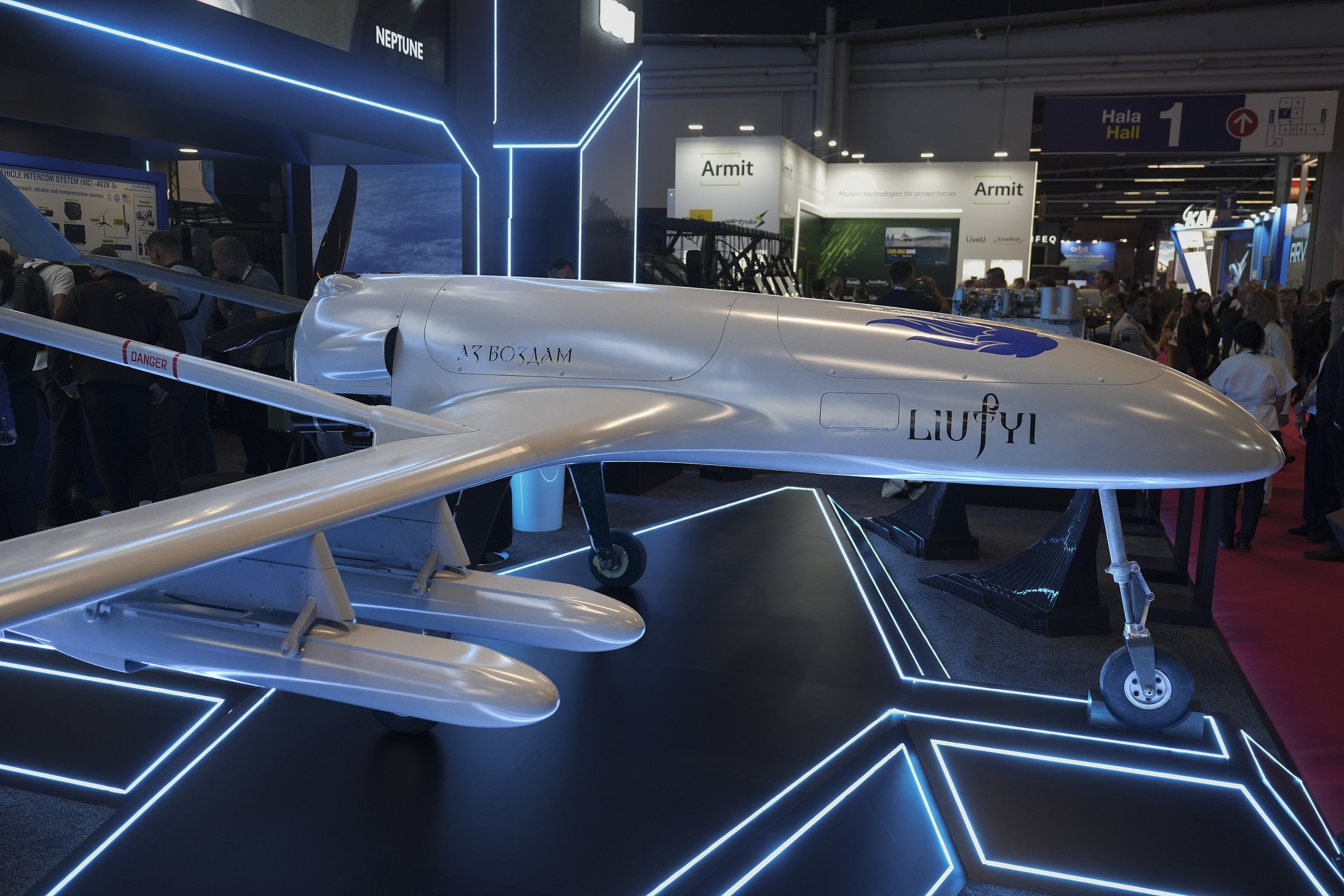
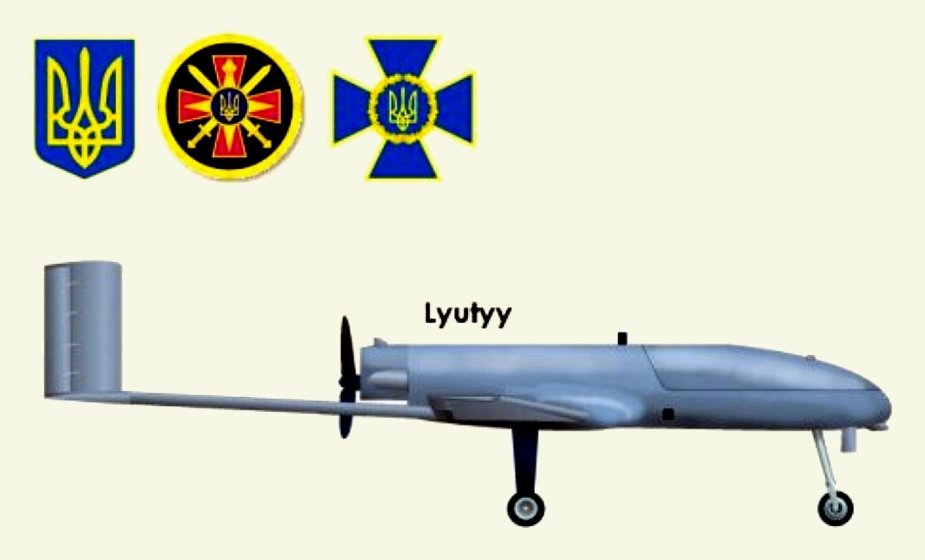
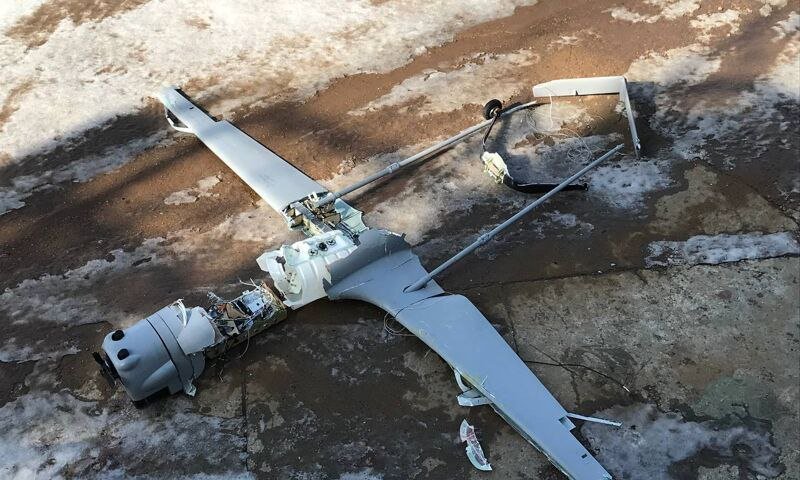
Photos: Wikipedia · www.armedconflicts.com
The An-196 Lyutyi is a long-range one-way attack drone that has become the backbone of Ukraine’s deep-strike campaign against Russian oil and military infrastructure. Conceived in October 2022 as a domestic answer to Russia’s Iranian-supplied Shahed-136, it is developed by Ukroboronprom with the Antonov design bureau, whose “An-” designation it carries. Ukrainian officials and Western reporting credit the Lyutyi with the large majority of successful long-range strikes on Russian territory through 2024, and the type is often described in the press as the “Ukrainian Shahed.”
The airframe is a conventional fixed-wing pusher design with a wingspan of around 6.7 metres and a take-off weight of roughly 250–300 kg. Published figures put its range at 1,000–2,000 km and cruise speed near 160 km/h, carrying a warhead that has grown from 50 kg to about 75 kg in upgraded batches. What distinguishes it from a purely inertial munition is its guidance: alongside satellite navigation and an inertial system, the Lyutyi uses AI-driven machine vision for terminal homing, comparing what its onboard camera sees against stored terrain and target imagery so it can hold accuracy even when satellite signals are jammed. CNN reported the type as “AI-guided” in 2024, and later variants have been paired with the Auterion Skynode S machine-vision autopilot to navigate complex routes around Russian air defences.
In operation the Lyutyi has repeatedly reached targets more than a thousand kilometres inside Russia — striking oil refineries, fuel depots, and military airfields as part of what Ukrainian planners frame as an “oil war” against Russian export revenue. Reported strikes include a Lukoil-operated offshore platform in the Caspian Sea in December 2025 and the Lukoil refinery at Ukhta in the Komi Republic in February 2026, the latter at an operating radius of roughly 1,700 km.
Sources
- en.wikipedia.org/wiki/Liutyi (2026-07-01) — Encyclopedic entry — developed by Ukroboronprom (Antonov ASTC designer/manufacturer) from October 2022; 1,000–2,000 km range; 50–75 kg warhead; guidance listed as "Artificial intelligence, satellite navigation, INS"; cites CNN (April 2024) that Liutyi UAVs are AI-guided; documents strikes on Russian oil refineries and airfields.
- militarnyi.com/en/news/cnn-liutyi-uavs-are-ai-guided/ (2026-07-01) — Reports CNN's account that the Lyutyi uses AI/machine vision to navigate, avoid obstacles, and strike with meter-level precision under jamming, using an onboard terminal computer with satellite and terrain data.
- www.forbes.com/sites/vikrammittal/2025/08/04/the-liutyi-drone-ukraines-response-to-russias-shaheds/ (2026-07-01) — Forbes analysis framing the Lyutyi as Ukraine's answer to the Shahed and the mainstay of its long-range strike arsenal.
- united24media.com/latest-news/ukrainian-an-196-liutyi-drone-dubbed-ukrainian-shahed-receives-major-upgrade-3996 (2026-07-01) — Reports the upgraded 75 kg warhead (50% heavier than the earlier 50 kg payload) and the "Ukrainian Shahed" nickname.