
Autel Robotics
Chinese commercial drone maker — DJI's main domestic rival; on the US Department of Defense's "Chinese military companies" list.
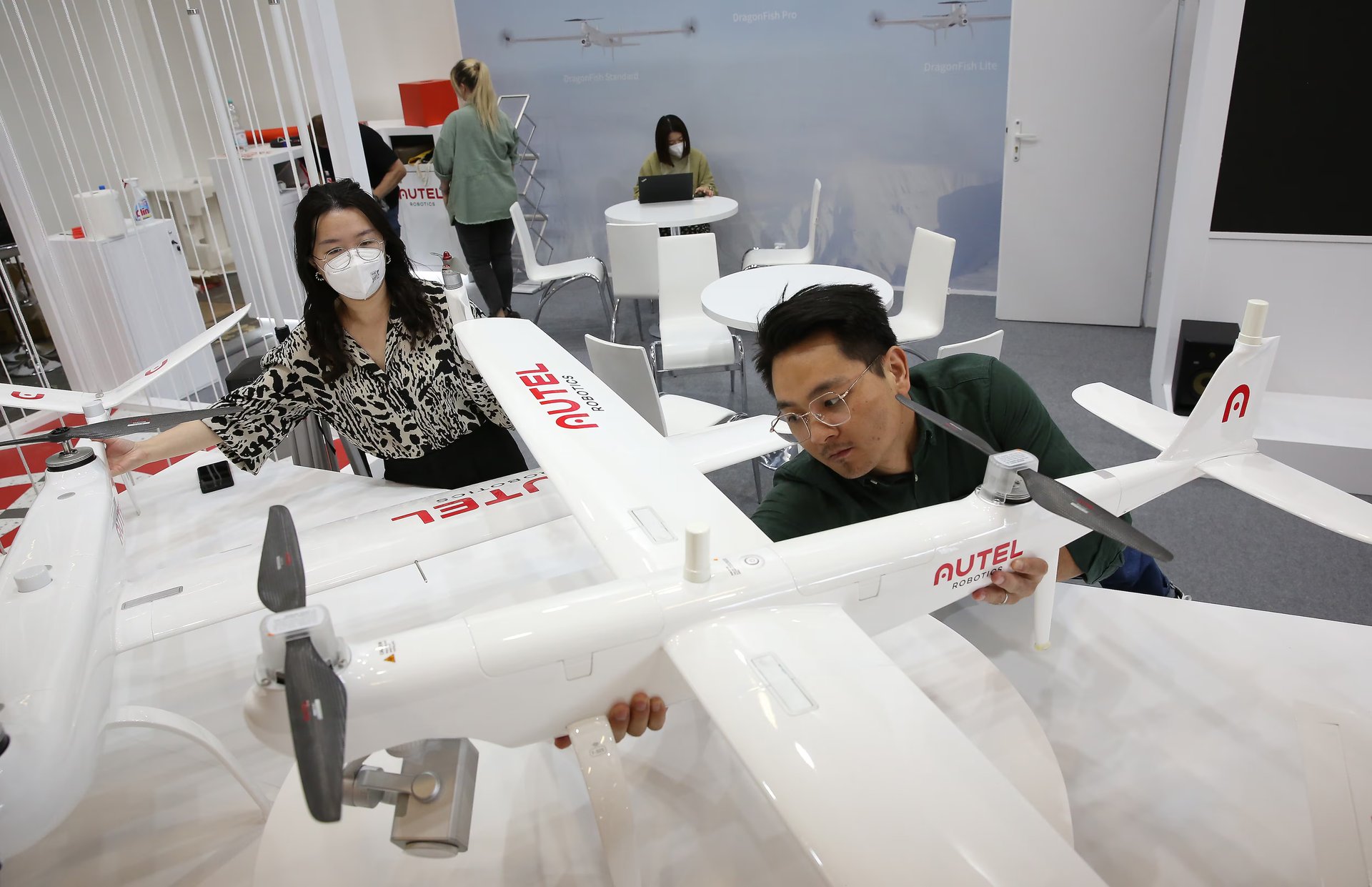
Autel Robotics was founded in 2014 in Shenzhen as a subsidiary of Autel Intelligent Technology, the automotive-diagnostics group whose tools sit in workshops across North America and Europe. The drone arm spun out as a separate entity when its parent listed publicly in 2020, and has grown into the most credible domestic challenger to DJI inside China — and the most visible Chinese alternative to DJI in Western consumer and enterprise markets. Leadership is held closely; the company does not publicise a chief executive in the way Western peers do, and its public face is its product catalogue rather than its founders.
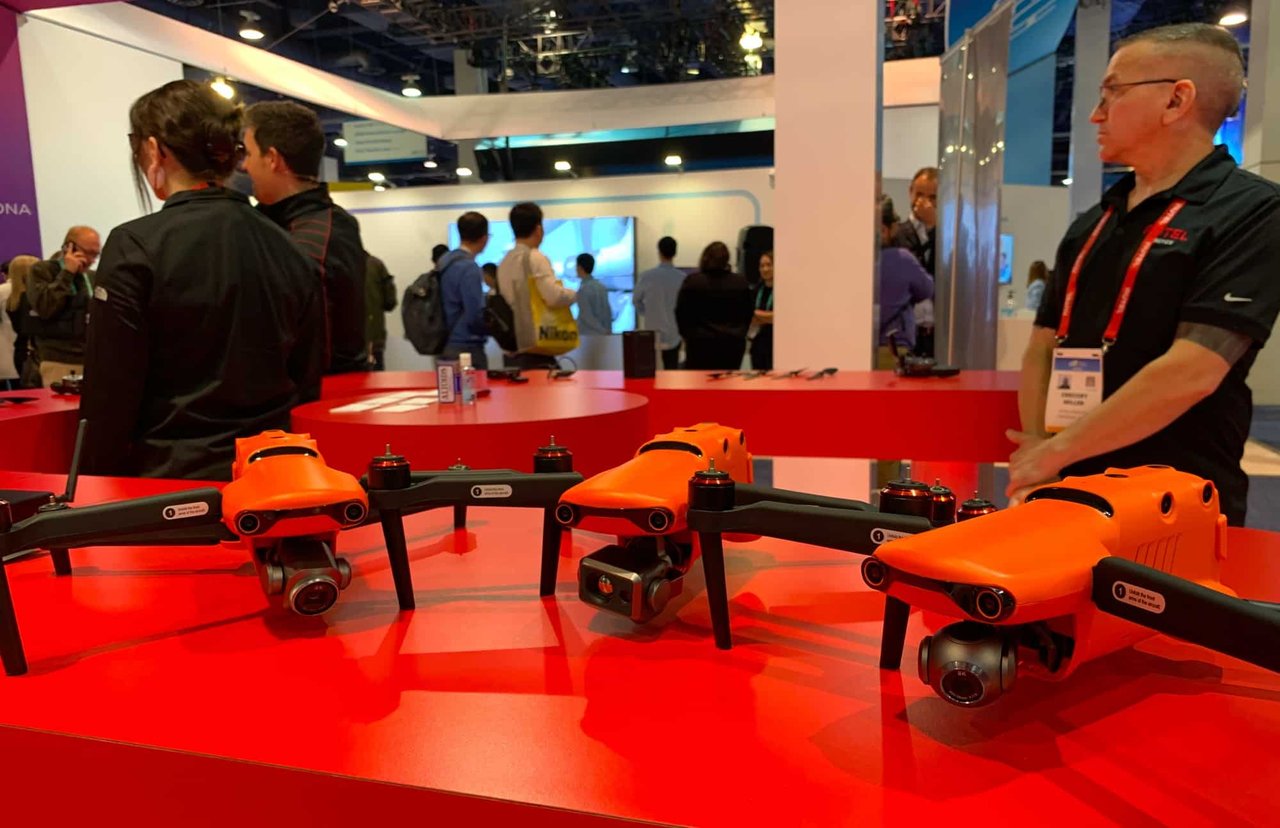
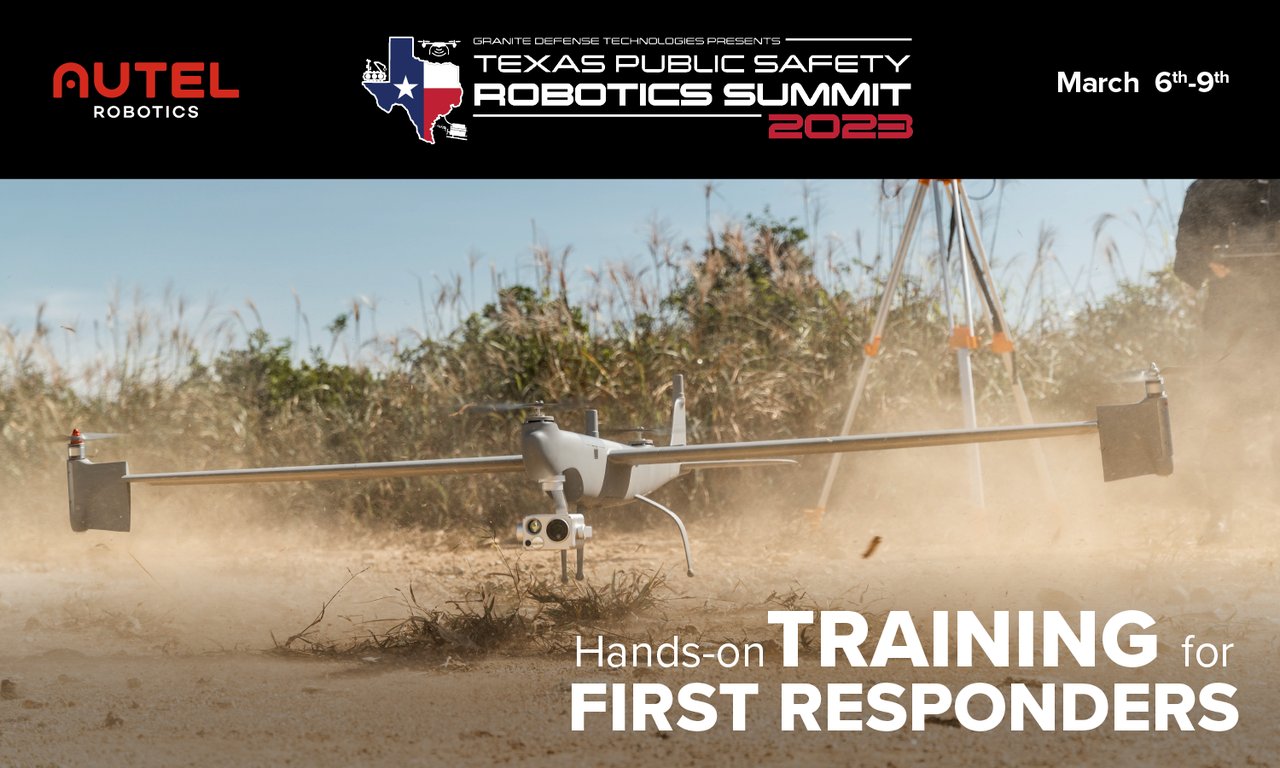
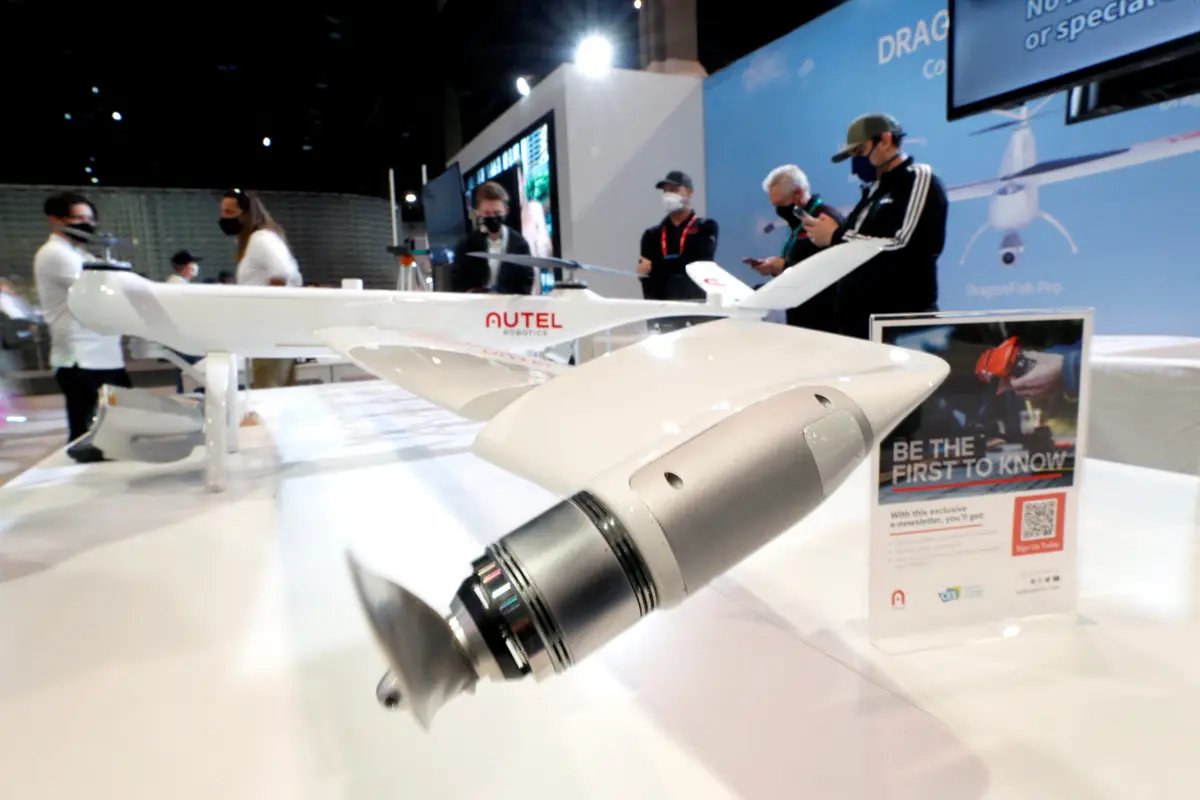
The product line splits cleanly into prosumer quadcopters, enterprise quadcopters, and a fixed-wing hybrid family. The EVO II series, launched in 2020, established Autel as a serious camera-drone brand at the high end of the consumer market; several V2 variants were quietly discontinued in early 2025 as the line was reorganised around newer hardware. The enterprise flagship is the EVO Max 4T, a folding quadcopter carrying a visible-light camera, an uncooled thermal sensor, a wide-angle lens and a laser rangefinder, positioned head-to-head against DJI’s Matrice 30 and 350 platforms for inspection, search-and-rescue and public-safety work. The Dragonfish series sits above all of this — a hybrid vertical-takeoff fixed-wing aircraft with multi-hour endurance, marketed as near-silent above roughly 400 feet above ground level, and built for surveillance, mapping and border-monitoring missions where a quadcopter cannot loiter long enough.
Autel’s customer base mirrors DJI’s: police forces, fire services, surveyors, energy-infrastructure operators, and a growing number of military and paramilitary buyers. The company does not publish military contract values, but its drones have been documented in use by both sides in the war in Ukraine, alongside DJI Mavics, and by various security forces across Asia, Africa and Latin America. In the United States, Autel hardware has been bought by state and local public-safety agencies looking for a non-DJI option that runs on similar workflows.
That commercial position is now under direct political pressure. In January 2025, the US Department of Defense added Autel Robotics to its Section 1260H list of “Chinese military companies” operating in the United States, on the basis that the firm contributes to China’s military-civil fusion strategy. The listing does not by itself ban federal purchases, but it sits alongside a separate American Security Drone Act and a parallel push to extend the federal blacklist of DJI to its Shenzhen neighbour. Autel has rejected the designation publicly. The same regulatory current that has squeezed DJI’s access to the American market is now reaching Autel, and the company has begun pivoting harder toward Europe, the Middle East and Latin America in response.
What distinguishes Autel from the broader Chinese drone field is less any single technical leap than the breadth of its catalogue and its willingness to compete with DJI in DJI’s home market on price, sensors and software. It is the second name on most procurement shortlists where the first is DJI — and increasingly, where DJI is excluded, the only Chinese name still in the room.
Products
Drones
EVO Max 4T
Enterprise quadcopter — multi-sensor (visible, thermal, laser rangefinder), positioned against DJI's Matrice line.
Dragonfish series
Hybrid-VTOL fixed-wing surveillance platform; near-silent above 400 ft AGL; multi-hour endurance.
EVO II series
Established prosumer quadcopter line; major V2 variants discontinued in early 2025.
Dragonfish
Tilt-rotor VTOL fixed-wing UAV family for industrial ISR with AI-assisted target tracking and autonomous waypoint missions.
Introduced 2021
EVO II
Flagship consumer and prosumer quadcopter with up to 8K imaging and thermal dual-sensor variants — Autel's primary answer to DJI's Mavic line.
Introduced 2020
EVO II Enterprise
Public-safety and defence-oriented variant of the EVO II platform with modular payload bay, encrypted comms, and thermal/multispectral sensor options.
Introduced 2021
EVO II Pro
Prosumer folding quadcopter with 6K camera, obstacle avoidance, and Dynamic Track AI subject following.
Introduced 2020
EVO Max 4N
Night-optimised variant of the EVO Max platform, pairing a starlight low-light camera with thermal sensor for low-light ISR.
Introduced 2023
EVO Max 4T
Flagship quadcopter with quad-sensor payload — wide, telephoto, thermal, and laser rangefinder — plus on-board AI tracking and autonomous mission modes.
Introduced 2023
Controversies
Listed on US DoD "Chinese military companies" register
The US Department of Defense added Autel Robotics to its Section 1260H list of "Chinese military companies" operating in the United States, citing Chinese-government funding and support. The designation has driven additional scrutiny of Autel's import and government-procurement footprint.
Gallery
Sources
- en.wikipedia.org/wiki/Autel_Robotics (2026-05-02) — Encyclopedic entry — confirms 2014 Shenzhen founding and US DoD Section 1260H designation.
- www.autelrobotics.com/productdetail/dragonfish-series-drones/ (2026-05-02) — Official Dragonfish product page.
- dronedj.com/2025/02/14/autel-evo-ii-drone-discontinue/ (2026-05-02) — DroneDJ — 2025 EVO II V2 discontinuation news.