Dragonfish
Tilt-rotor VTOL fixed-wing UAV family for industrial ISR with AI-assisted target tracking and autonomous waypoint missions.
DroneAdversary capabilityby Autel RoboticsIntroduced 2021
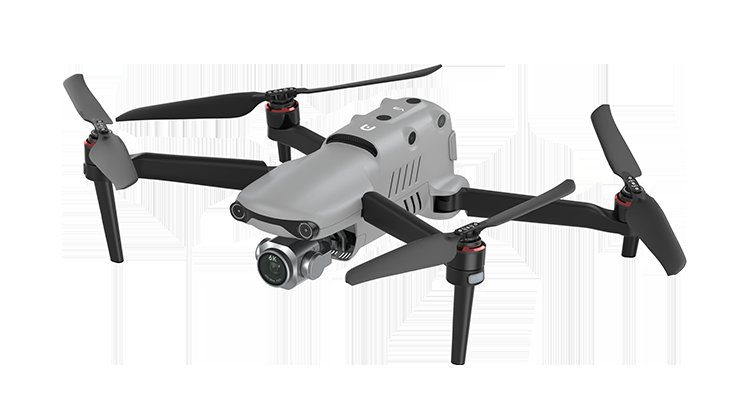
Photos: drone-works.com · www.autelrobotics.com · auteldronesbaltic.com · www.uavsics.cl
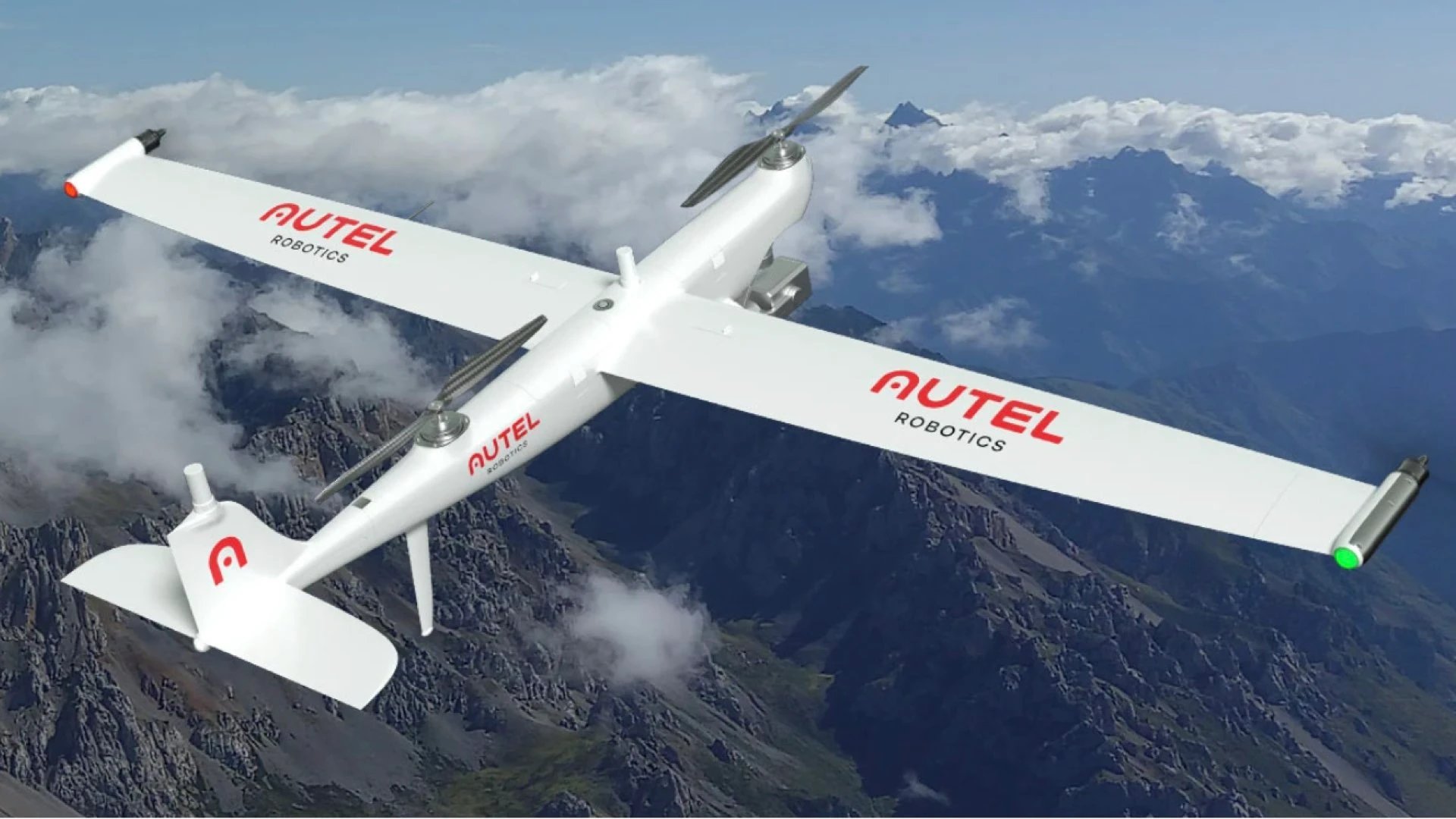
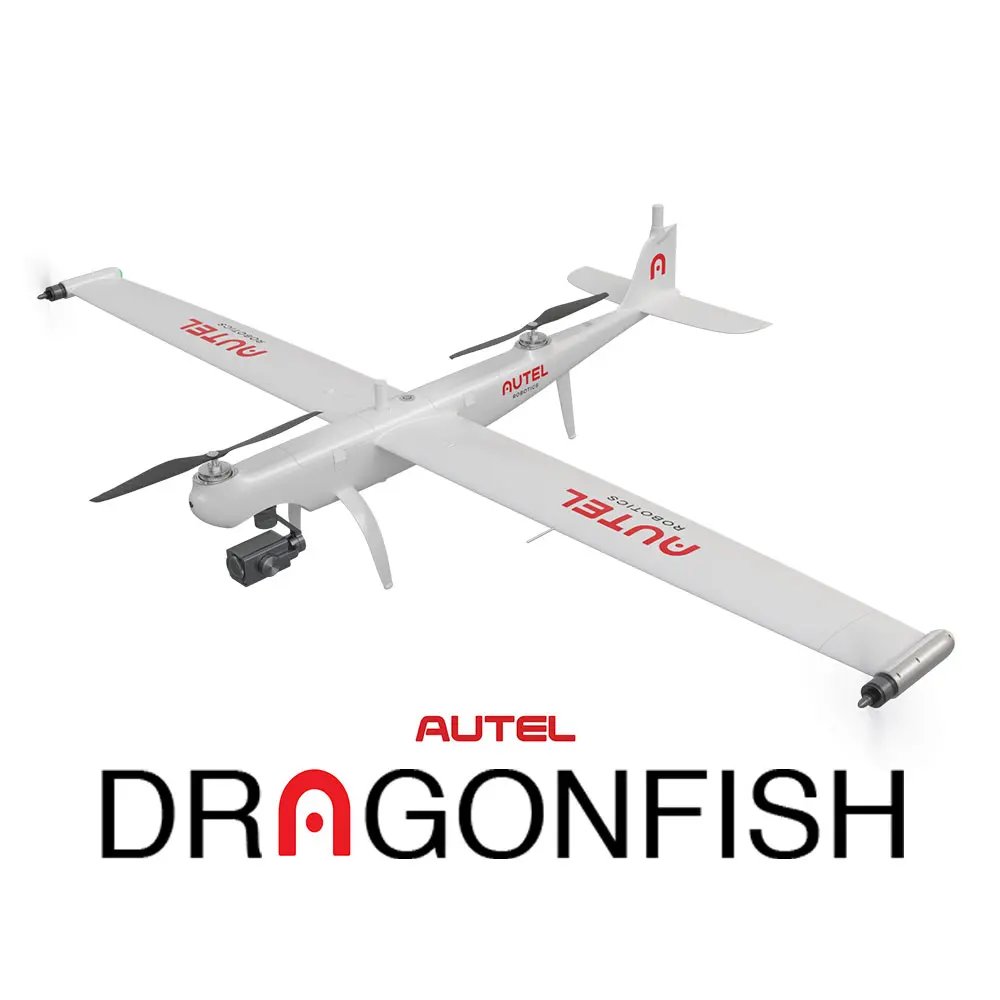
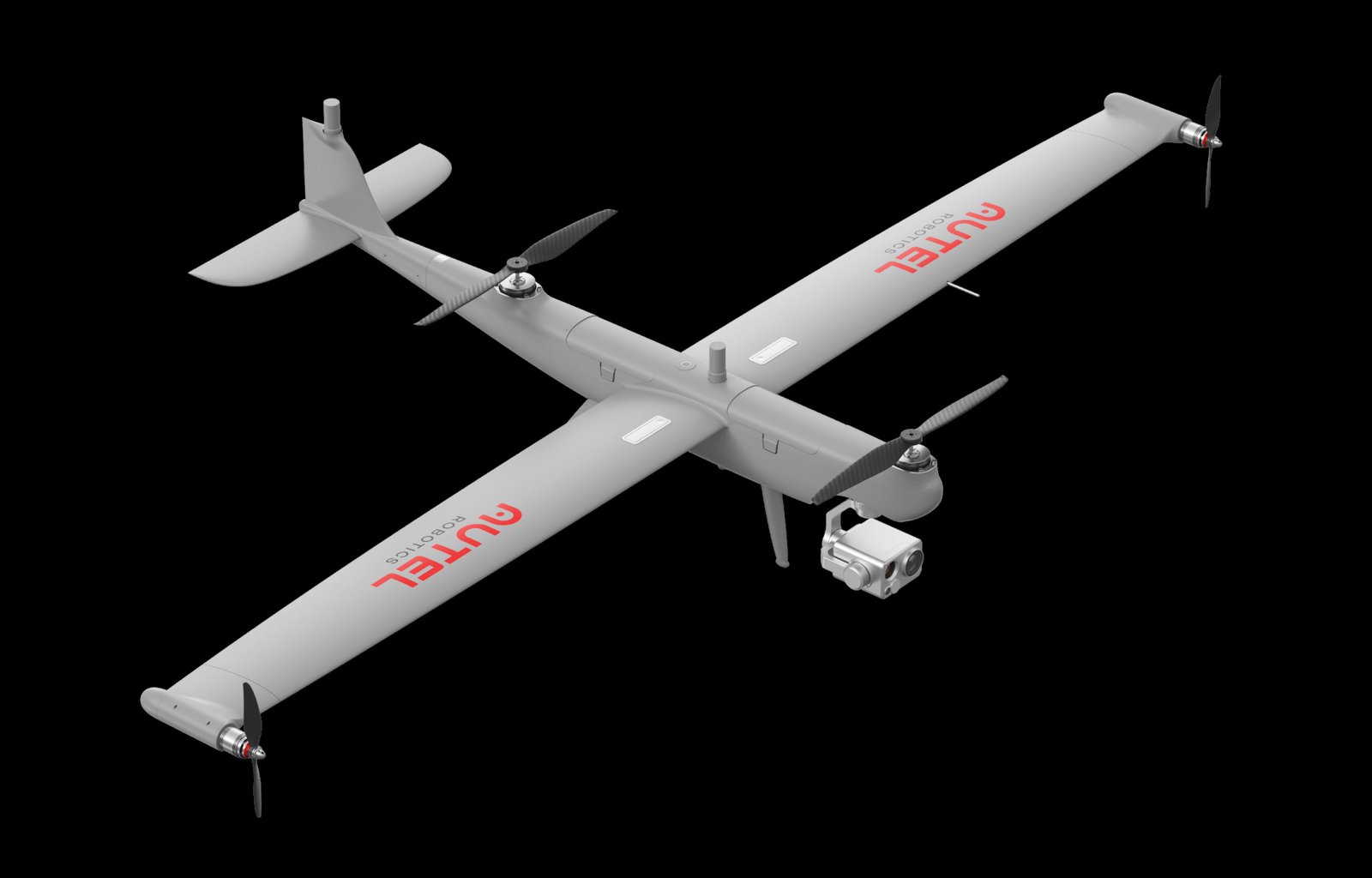
Autel Robotics introduced the Dragonfish series in 2021 as the company’s push beyond consumer and prosumer drones into industrial intelligence, surveillance, and reconnaissance work. The family is built around a tilt-rotor VTOL airframe — rotors that pivot from vertical takeoff to horizontal cruise — giving it the runway-free launch of a multirotor and the endurance of a fixed-wing platform. Autel Robotics positions it for surveying, public safety, mapping, and security tasking, with Chinese operators forming the primary customer base.
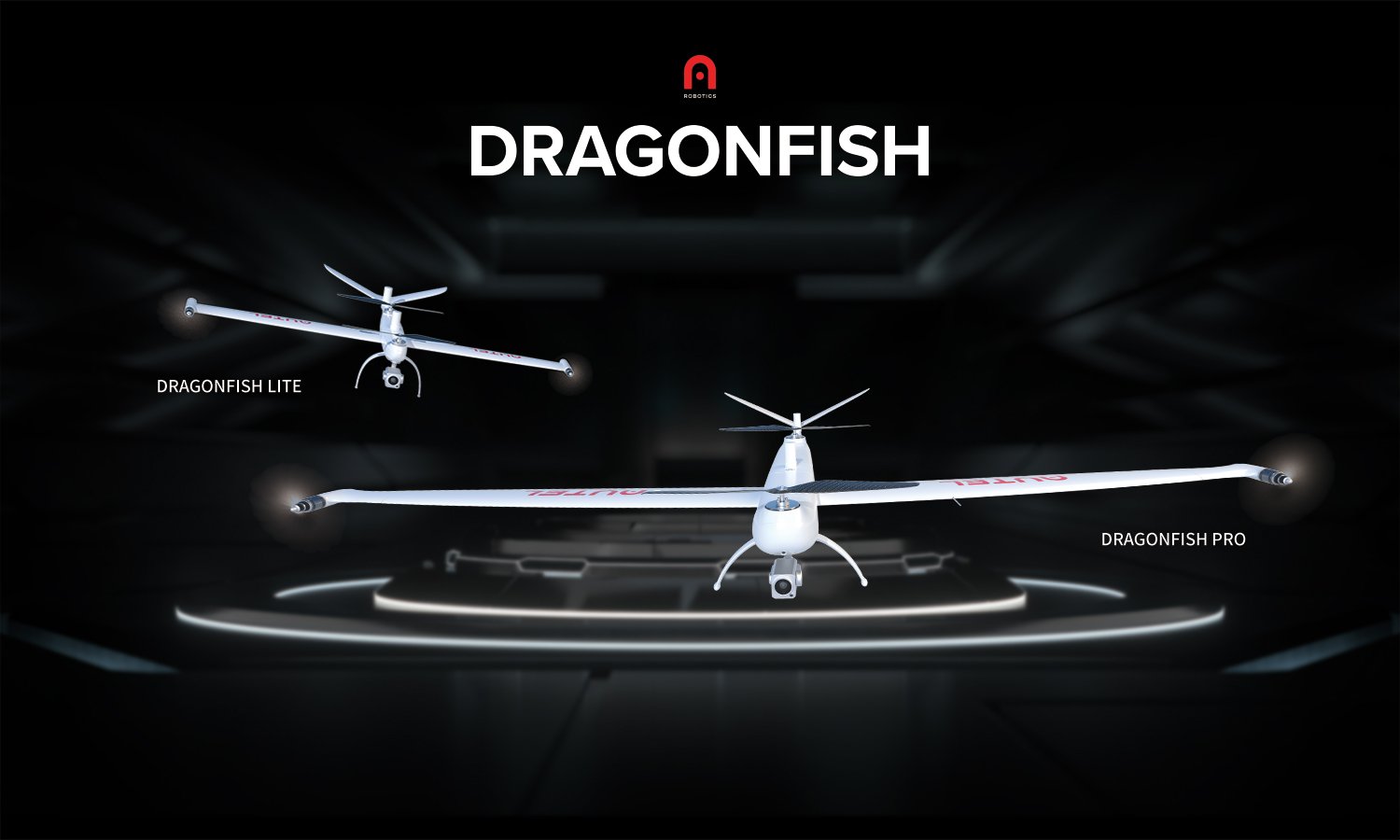
The Dragonfish ships in three variants — Lite, Standard, and Pro — separated mainly by endurance and payload capacity. The Pro is rated for up to 158 minutes of flight on a single charge and a control link range of roughly 30 km, the longest in the family. The aircraft uses an interchangeable payload bay; Autel’s catalogue spans electro-optical zoom cameras, EO/IR thermal combinations, and laser rangefinders. Onboard processing handles automatic target detection and tracking, autonomous waypoint missions, and one-touch return-to-home. Operators can hand the aircraft a moving subject and let a follow behaviour keep it framed without manual stick input.
Autel sells the Dragonfish through industrial channels rather than direct military procurement, and the system has not appeared in publicly reported combat use. Its place here reflects the parent company more than the airframe itself: the US Department of Defense added Autel Robotics to its Section 1260H list of “Chinese military companies operating in the United States,” joining an inventory of firms whose hardware US federal agencies are restricted from buying. The listing is one of several recent US measures targeting Chinese commercial drone manufacturers whose products, regulators argue, sit close enough to PLA supply chains to warrant procurement and export controls.
The Lite variant targets short-range public-safety work with a smaller airframe and roughly 35 minutes of endurance; the Standard sits between the two; the Pro is the long-endurance configuration most often shown in promotional material. Autel has continued to add payload options and software refinements rather than redesigning the platform.
In the broader commercial tilt-rotor segment, the Dragonfish competes most directly with DJI’s Matrice-class long-endurance offerings and with Western industrial UAVs from firms such as Quantum-Systems, distinguished from those rivals primarily by price point and by the political context in which the hardware is now sold.