SG-1 Fathom
Autonomous underwater glider for persistent maritime surveillance and submarine detection.
Droneby HelsingIntroduced 2025
Photos: www.navalnews.com · esut.de · www.youtube.com
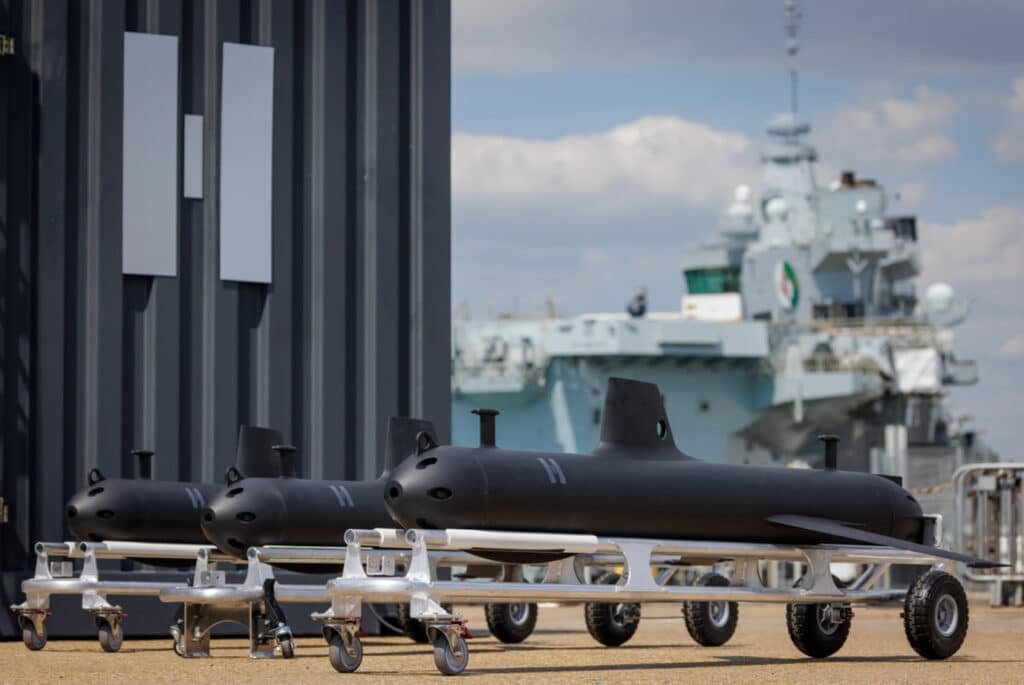
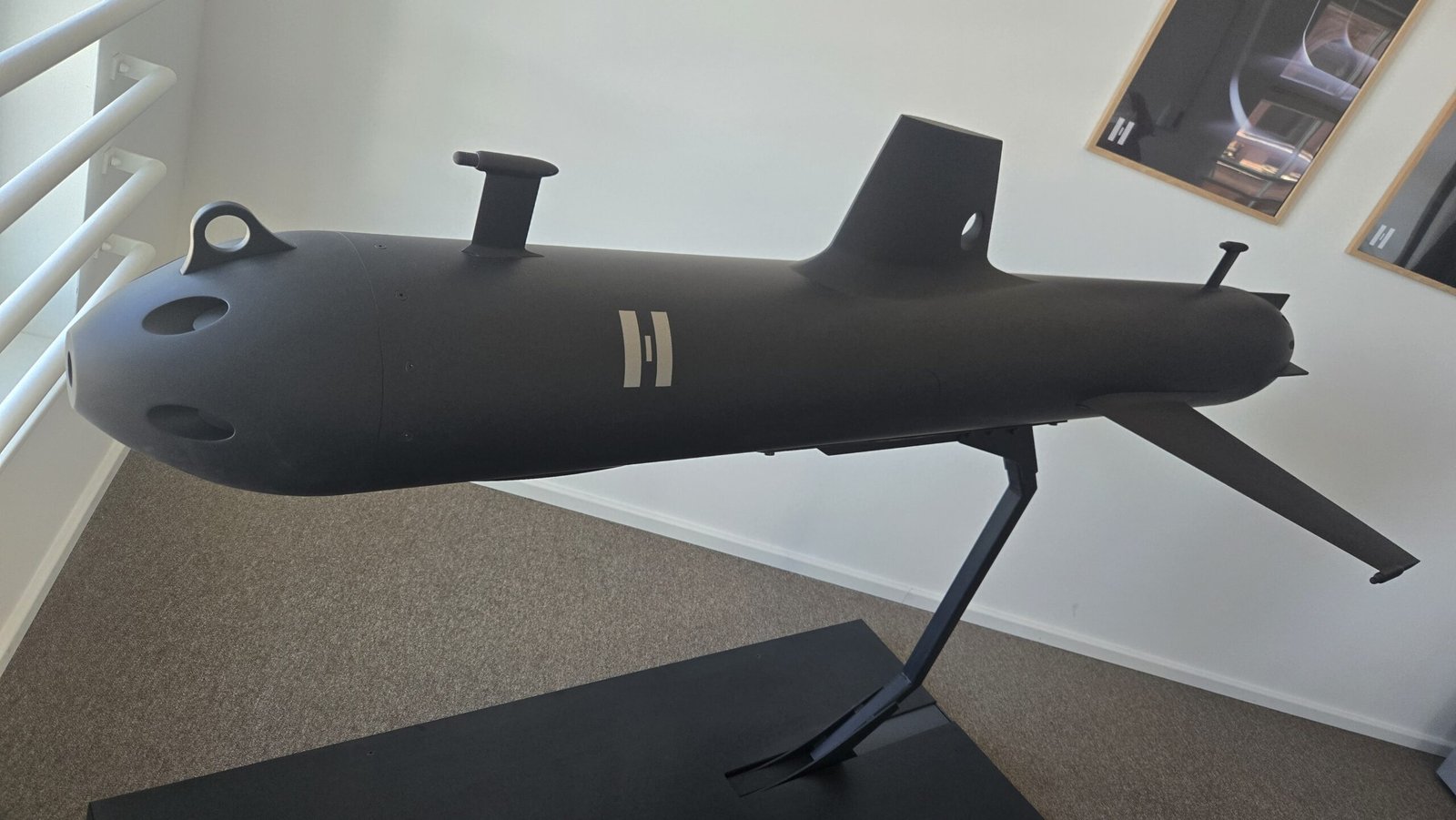
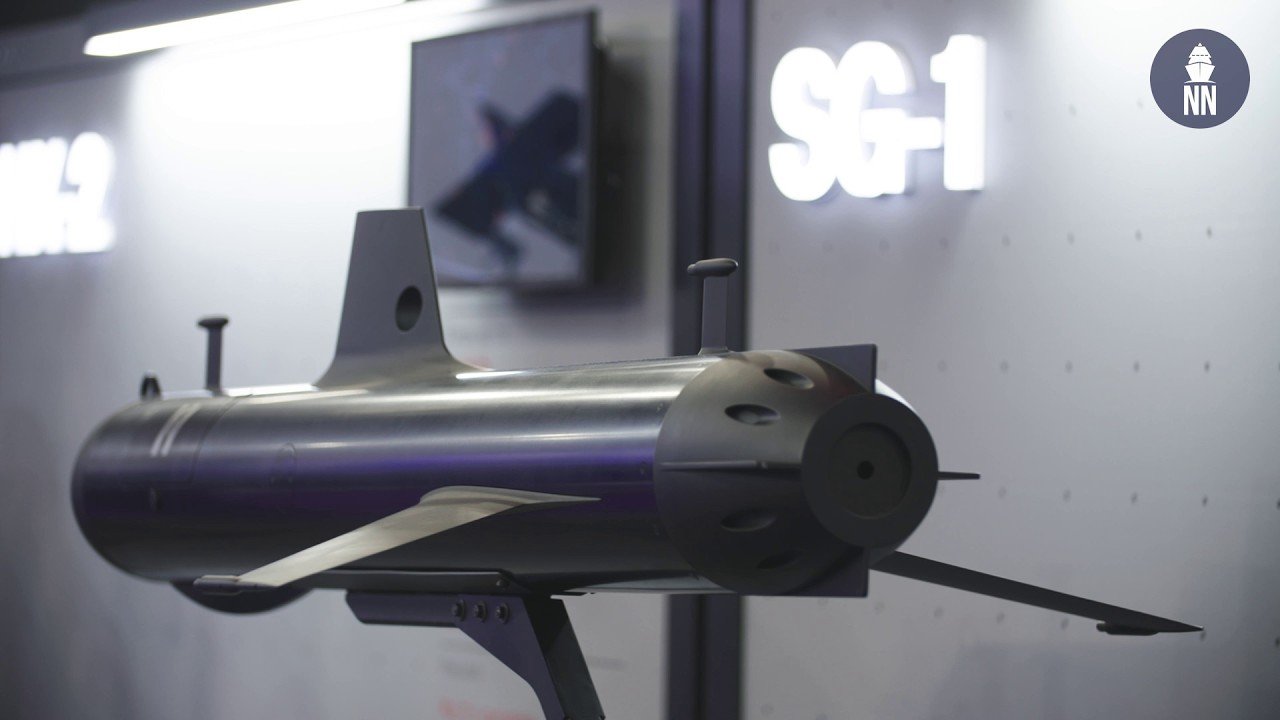
Helsing unveiled the SG-1 Fathom in September 2025, presenting the autonomous underwater glider as its first venture into maritime hardware. The system extends the Munich-based defence software firm beyond its established lines in battlefield AI and strike drones into anti-submarine warfare, a domain NATO navies have flagged as increasingly contested as Russian and Chinese submarine activity in the North Atlantic and around critical undersea infrastructure has grown.
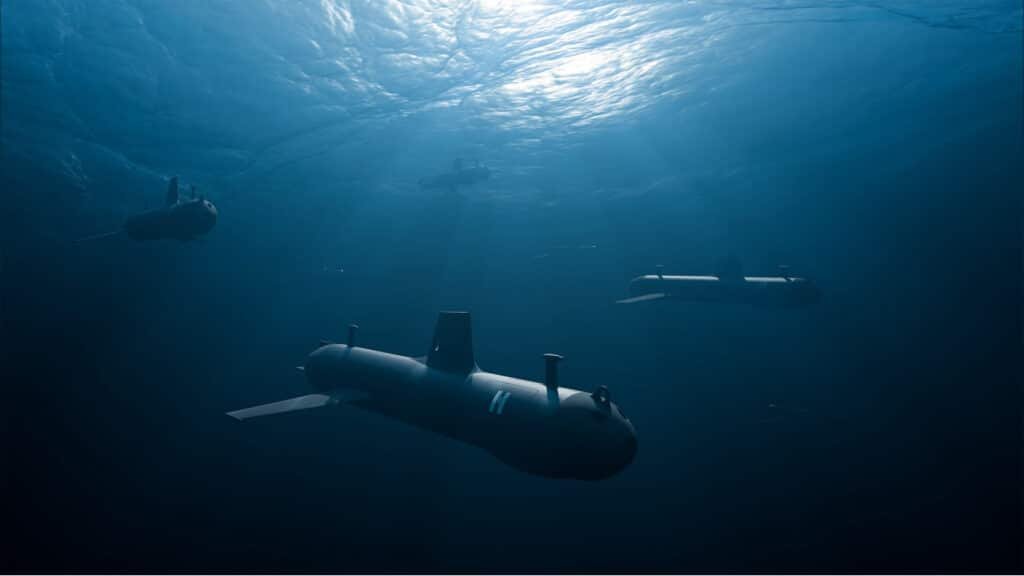
The Fathom takes the form of a low-power glider — a long, torpedo-shaped hull that propels itself by adjusting its buoyancy and sliding through the water column rather than relying on a propeller. That mode of movement is energetically frugal, allowing missions measured in months rather than days, and it leaves a small acoustic signature, an essential property for a platform whose job is listening. Mounted in the hull is Lura, Helsing’s acoustic AI software, which classifies hydrophone returns in real time and flags signatures of interest against a learned library of vessel and submarine acoustic profiles. Running detection inside the glider rather than over a satellite link means each unit can triage what to escalate, and the narrow-bandwidth uplink back to shore is reserved for actual leads. Helsing has talked about the platform being deployed in groups of dozens, with each glider acting as a distributed sensor node feeding a single tactical picture.
The British Ministry of Defence is the first announced customer, with the United Kingdom presented as the launch operator and the platform pitched directly at the Royal Navy’s anti-submarine mission. Helsing’s UK arm has framed the Fathom as part of a broader maritime push, and the announcement landed alongside the wider expansion of the company’s hardware portfolio, which already includes the HX-2 one-way attack drone and the HF-1 crewed combat aircraft programme. No production figures have been released, and the system is not known to have entered operational service.
In capability terms, the Fathom sits in a maturing category of unmanned underwater vehicles aimed at persistent ASW coverage — an area where the U.S. Navy has fielded Liquid Robotics’ Wave Glider for surface acoustic work and where several European programmes are exploring submersible analogues. Helsing’s distinguishing pitch is software: the same kind of edge-AI-on-a-cheap-platform approach the company has applied to its land and air systems, now turned downwards into cold water. Whether the Fathom delivers on its persistence and detection claims will depend on Royal Navy trial results that have not yet been reported publicly.