HX-2
AI-enabled electric strike drone designed for mass production and resilience against electronic warfare.
Missile / loitering munitionby HelsingIntroduced 2024
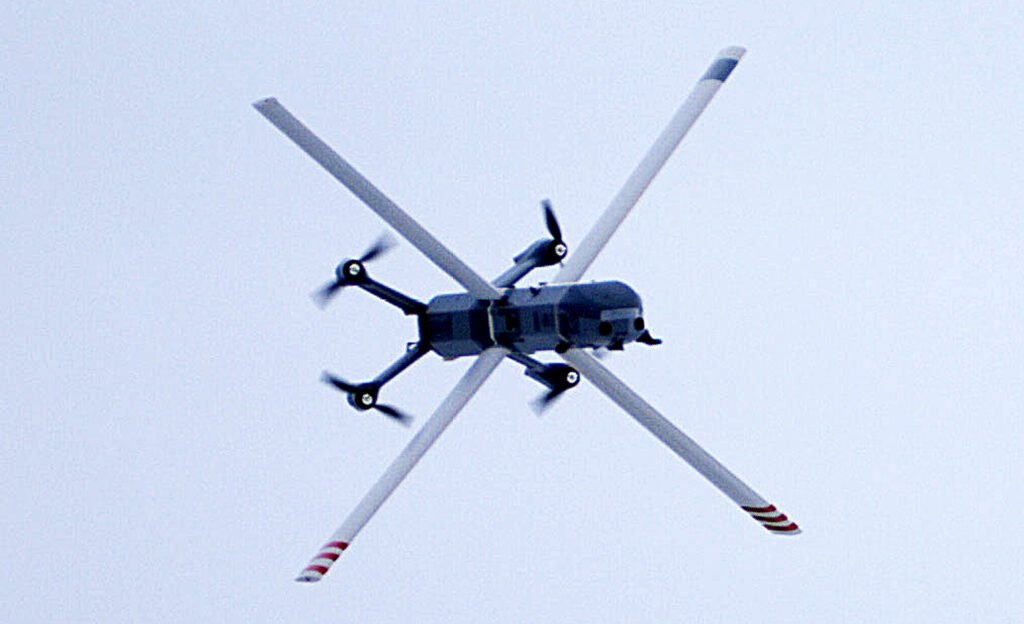
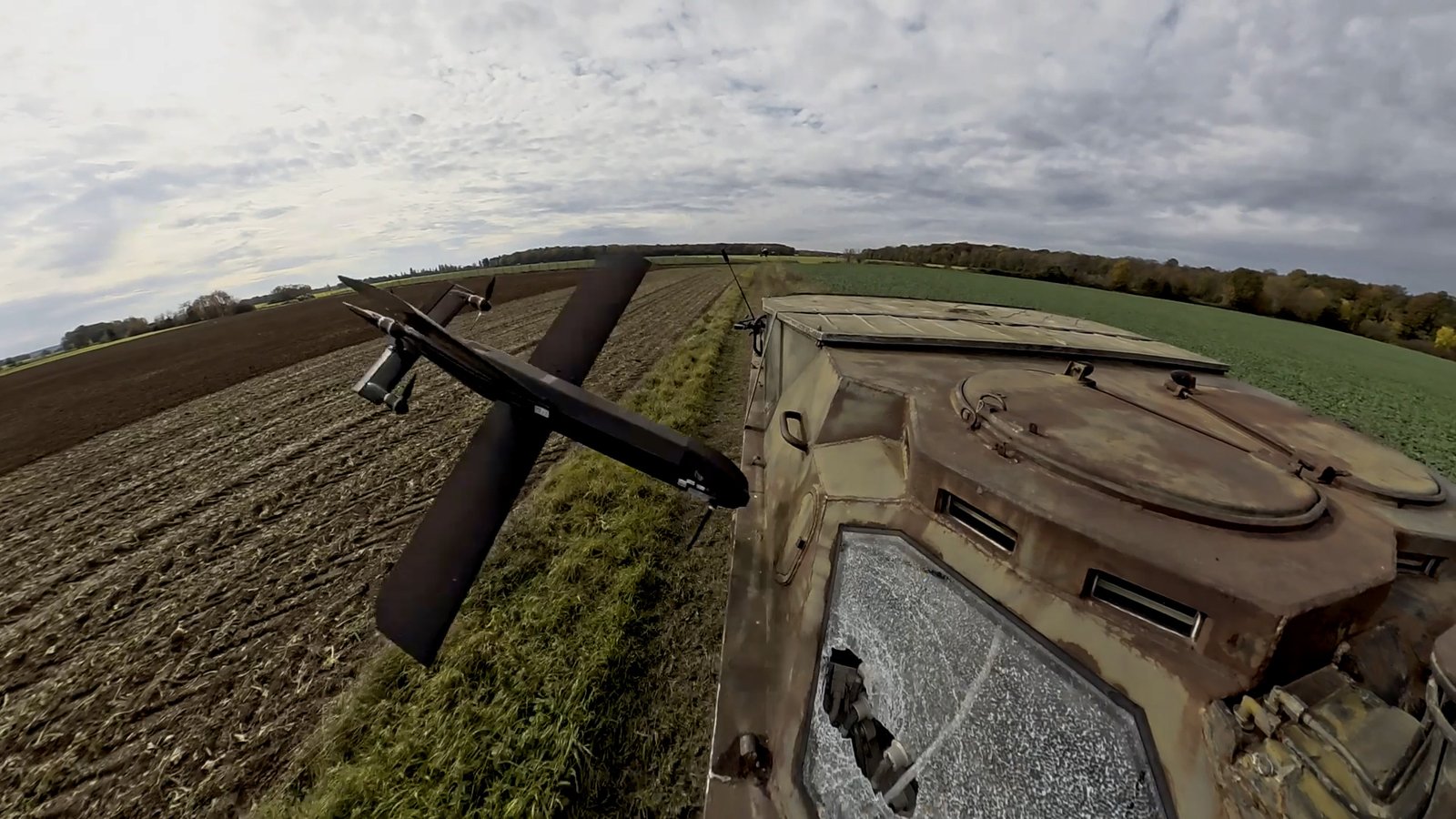
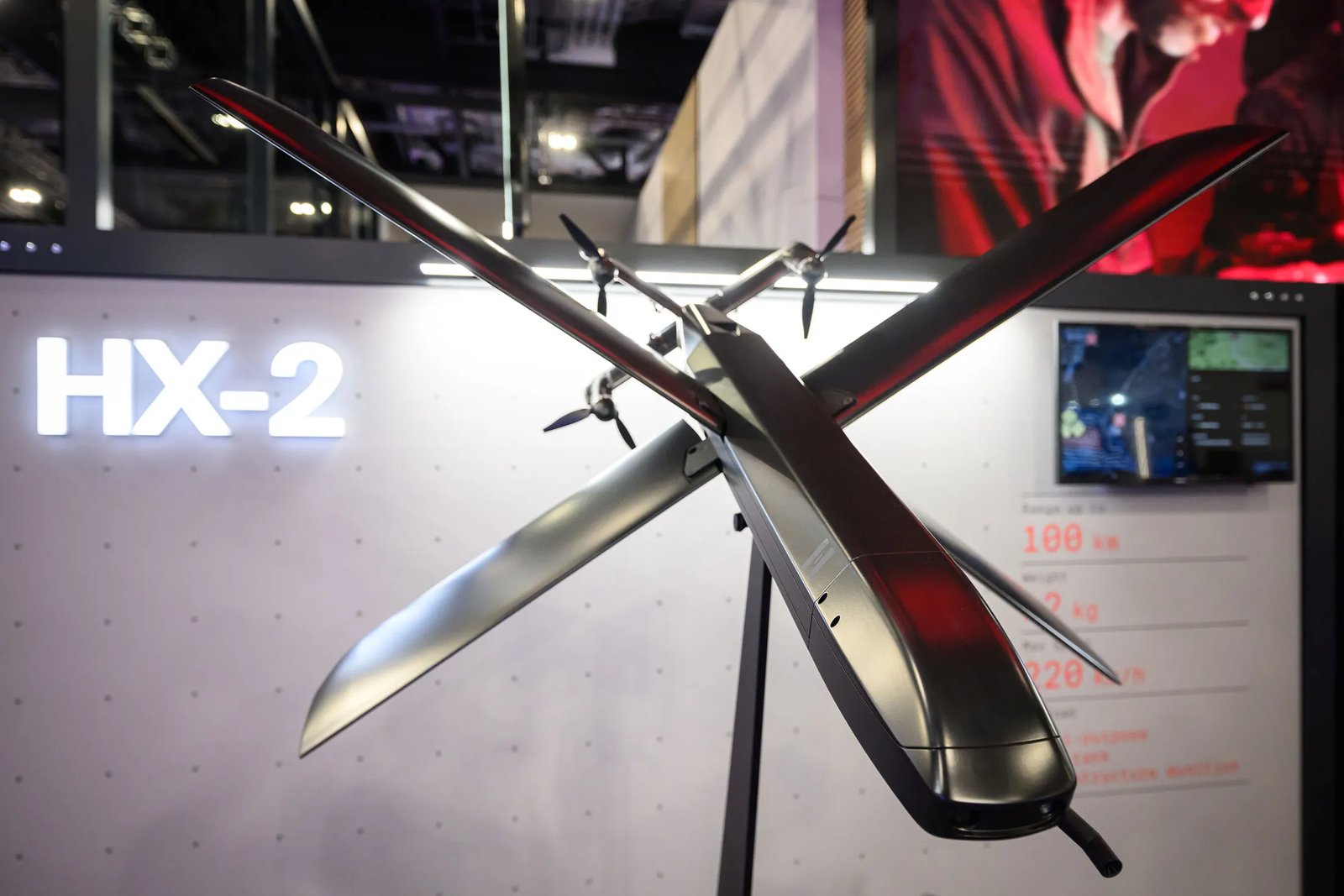
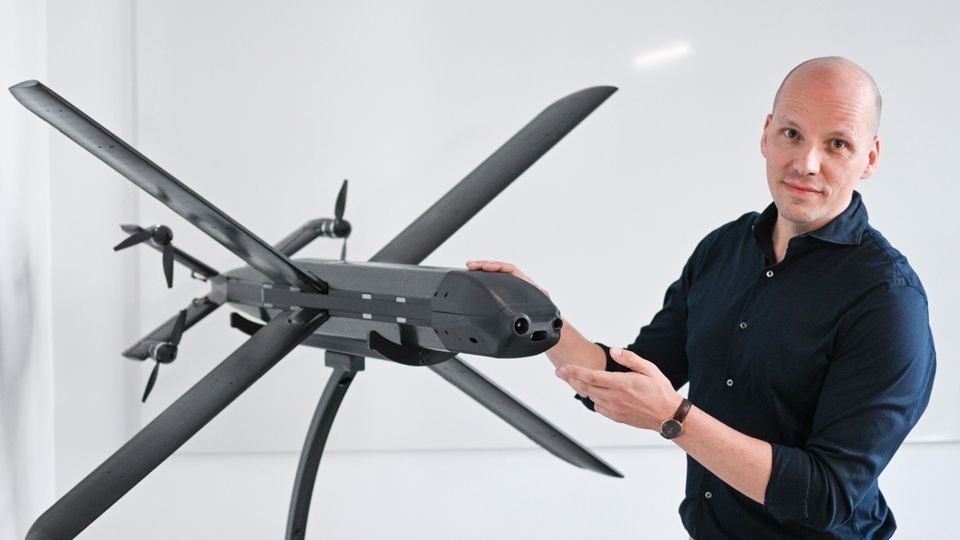
Photos: euro-sd.com · esut.de · www.bloomberg.com · www.spiegel.de · www.derstandard.at
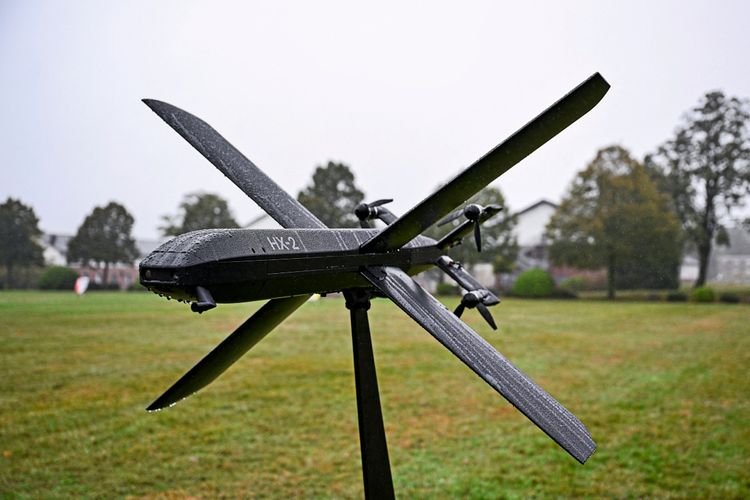
The HX-2 is an electrically propelled loitering munition built by Helsing and unveiled in late 2024, the Munich-based company’s second-generation strike system after the HF-1. It sits in the one-way attack category — flown to a target area, where it loiters, identifies its objective, and dives. Helsing positions the HX-2 as a system designed from the outset for mass production at the price point that frontline attrition in Ukraine demands, and it anchors the company’s move from battlefield software into hardware.
At the centre of the airframe is an X-wing layout that gives the munition a compact stowed footprint and a stable cruise. The drone carries a four-kilogram warhead out to a published reach of roughly 100 kilometres, propelled by an electric motor that is harder to track on infrared than a piston-engined equivalent. The defining element is on-board autonomy: the HX-2 carries a computer-vision targeting stack that lets it identify and engage objects in environments where GNSS is jammed and the operator’s data link is denied. Helsing’s argument, repeated by co-founder Torsten Reil at the launch, is that strike drones must be able to finish the engagement without external guidance because the electromagnetic spectrum is contested.
The first major customer was Ukraine. In December 2024 the German government announced the financing of an initial 4,000 HX-2 units for delivery to the Armed Forces of Ukraine, with handovers beginning in 2025. The Bundeswehr itself contracted for the HX-2 the following year, taking the system into German service. Production has been spread across multiple European sites to support what Helsing publicly calls “resilience mass” — the capacity to manufacture thousands of units per month rather than dozens.
The HX-2 succeeds the HF-1, an earlier strike drone that Helsing fielded in Ukraine in smaller numbers and treated as a learning platform. Iteration has continued since the unveiling, with combat data from Ukrainian operators feeding directly into software updates pushed across the fleet.
In the field, the HX-2 sits alongside Russia’s Lancet, the United States’ Switchblade 600, and the various Shahed-pattern munitions now in mass use over Ukraine. What sets it apart in the European market is the combination of on-board AI targeting and a manufacturing footprint inside the EU.