FP-1
Long-range one-way attack drone used for deep strikes against Russian energy and military infrastructure; Ukraine's main long-range strike asset.
Droneby Fire PointIntroduced 2024 · Updated 2026
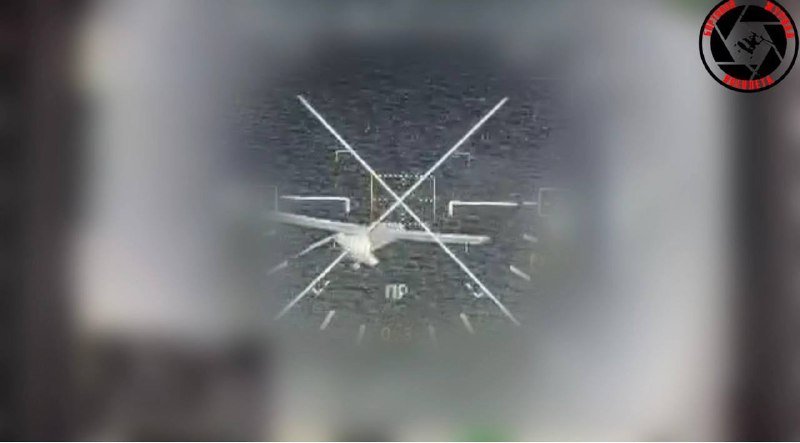
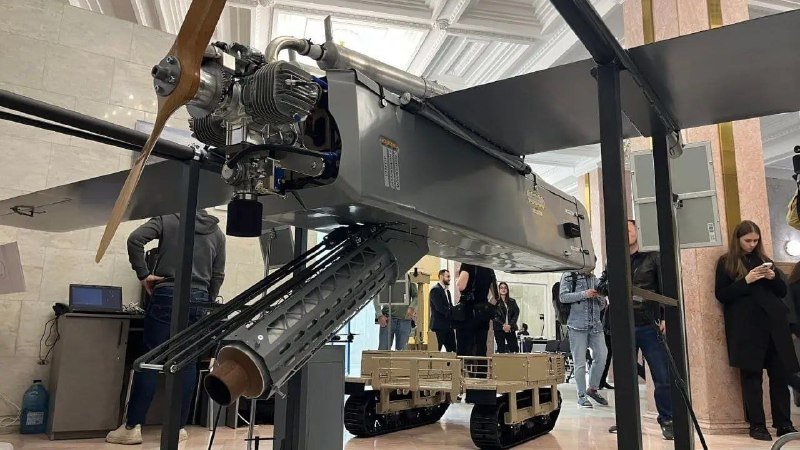
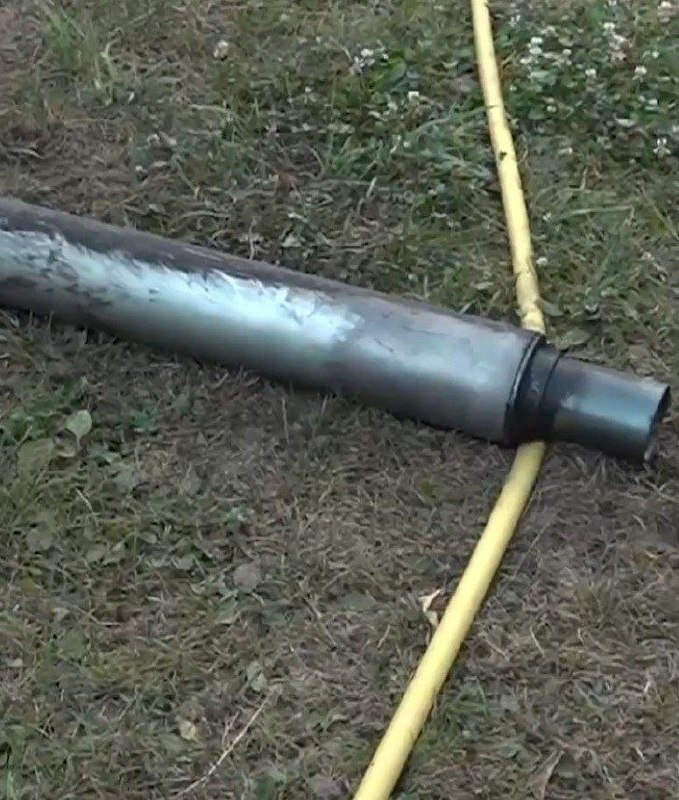
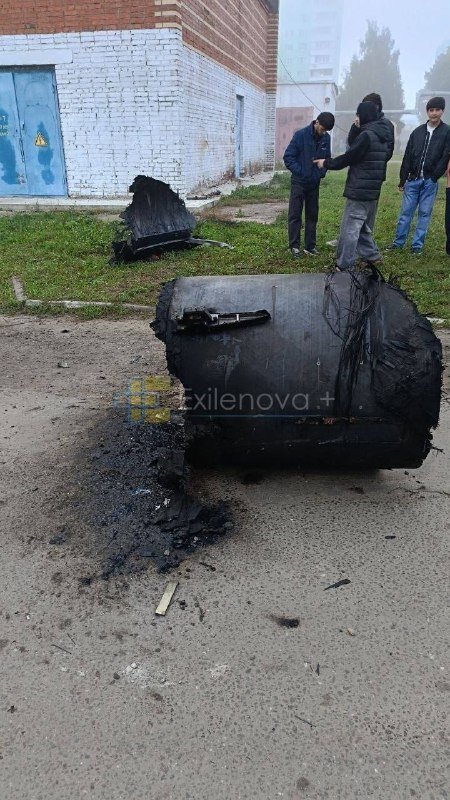

Photos: Беспилотники (дроны, БПЛА, UAV) (Telegram) · Хроника оператора БпЛА (Telegram) · Агентство. Новости (Agentstvo) (Telegram)
Ukraine’s FP-1 is a long-range one-way attack drone built by Fire Point, a Kyiv-based defence start-up that emerged in 2024 as one of the country’s principal deep-strike contractors. The propeller-driven aircraft is designed to fly roughly 1,600 kilometres into Russian territory and deliver a 60-kilogram warhead, putting refineries, ammunition depots, and airbases well behind the front line within reach. It belongs to a class of cheap, mass-produced strike drones that Kyiv has used to substitute for the cruise missiles its Western backers have been reluctant to authorise for cross-border use.
The FP-1 is built around a simple straight-wing airframe with a pusher propeller, a configuration shared with other Ukrainian deep-strike drones such as the UJ-22 and the An-196 Liutyi. It cruises at low speeds and altitudes that trade survivability for range, relying on satellite navigation and inertial guidance to reach pre-programmed coordinates. Reporting from Ukrainian and Western outlets suggests the platform leans heavily on commercially available components — a deliberate choice that lets Fire Point scale production fast and absorb attrition from Russian electronic warfare and air defence. The 60-kilogram warhead is enough to disable refinery distillation columns, fuel storage tanks, and parked aircraft, the kinds of high-value soft targets that have dominated Ukraine’s strike list since 2024.
Ukraine is the sole confirmed operator. The drone has been linked in open-source reporting to a sustained campaign against Russian oil infrastructure that began in early 2024 and intensified through the summer of 2025, with strikes recorded against refineries from Ryazan and Volgograd to Krasnodar and as far east as Tatarstan. Ukrainian officials have identified Fire Point as one of the largest recipients of domestic procurement contracts under the country’s wartime drone programmes, with reported orders running into the thousands of airframes per year. Independent verification of those numbers is limited, and Fire Point itself has remained unusually opaque for a contractor of its scale, drawing scrutiny from Ukrainian journalists and anti-corruption investigators in Kyiv.
Fire Point has since moved beyond the FP-1 into longer-range and faster systems, most prominently the FP-5 Flamingo cruise missile, which the company says reaches 3,000 kilometres. The FP-1 remains its volume product — the workhorse of a deep-strike doctrine that, more than any other element of Ukraine’s war effort, has shown what cheap autonomy can do to a heavily defended industrial base.