Anvil / Anvil-M
Autonomous counter-UAS interceptor quadcopter that rams hostile drones; the Anvil-M variant adds an explosive payload.
Droneby Anduril IndustriesIntroduced 2021 · Updated 2025
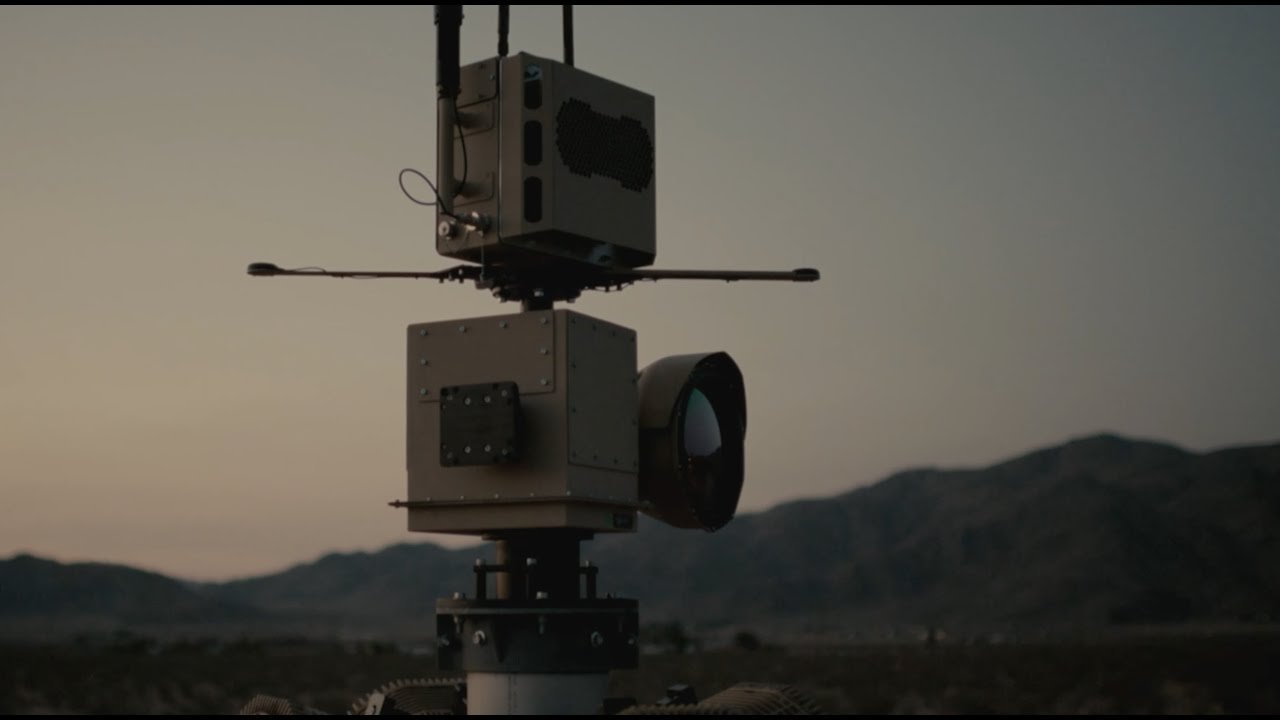

Photo: Anduril Industries
Videos

Anvil is Anduril Industries’ counter-unmanned-aircraft-system interceptor — a quadcopter designed to neutralise hostile drones by ramming them out of the sky. Anduril unveiled the system in 2021 as the kinetic effector in its broader counter-UAS stack, which pairs Sentry surveillance towers and the Lattice software platform with an interceptor that closes the loop on a detected threat.
The interception sequence is the heart of the Anvil concept. Sentry towers, ground-based radars, and other sensors feed Lattice, which fuses tracks across the network and presents an operator with a single decision: engage or hold. On approval, an Anvil launches from a forward storage box, climbs to the cued altitude, and runs an autonomous pursuit profile against the target. Final guidance is on-board and high-speed; the impact itself does the killing, so there is no warhead, no fragmentation, and no controlled-detonation footprint to manage on friendly ground. A later variant, Anvil-M, adds a small explosive payload for harder Group 2 and Group 3 targets — including one-way attack drones such as the Shahed-136 — where pure kinetic ramming alone may not consistently take the target down.
The US Department of Defense has been the dominant customer. Special Operations Command was an early Anduril counter-UAS adopter, and the US Marine Corps awarded a multi-year counter-UAS contract that bundled Sentry, Lattice, and Anvil into a single fielded system. The United Kingdom’s Ministry of Defence is the most public allied operator; a procurement announced in 2024 brought Anvil-derived interceptors into the British counter-drone inventory. Anduril does not publish unit counts, and combat use is described only obliquely — the system has been part of US counter-UAS deployments in theatres where small drones and loitering munitions are an active threat.
Anvil sits in a counter-UAS niche that has tightened sharply since the Shahed campaigns in Ukraine forced Western militaries to think about cheap, defendable interceptors rather than million-dollar missiles. Competing concepts range from gun-based hard-kill turrets to electronic-warfare jammers and other kinetic interceptors such as Raytheon’s Coyote. What distinguishes Anvil is the bet that an autonomous quadcopter, networked through Anduril Industries’ Lattice and triggered by its own sensor mesh, can replace a human-in-the-loop air defence crew at the bottom rung of the threat ladder — a practical answer to the drone-versus-drone problem the war in Ukraine has made unavoidable.
Sources
- www.anduril.com/anvil/ (2026-06-22) — Official Anvil product page — autonomous kinetic interceptor cued by Lattice.
- www.c4isrnet.com/unmanned/2023/10/05/anduril-unveils-anvil-m-counter-drone-interceptor/ (2026-06-22) — C4ISRNET on the Anvil-M munition variant and the Launch Box.
- www.thedefensepost.com/2025/10/20/anduril-demos-cuas-falcon-peak/ (2026-06-22) — The Defense Post on the Falcon Peak demonstration to USNORTHCOM/NORAD and Group 1/2 UAS targeting.
- en.wikipedia.org/wiki/Anduril_Industries (2026-06-22) — Specs (~5.3 kg, ~200 mph) and the SOCOM counter-UAS selection.