Weibel Scientific
Doppler-radar specialist whose Mu-series counter-UAS and ballistic-tracking radars are used worldwide.

Weibel Scientific is a Danish engineering firm based in Allerød, north of Copenhagen, that has spent close to nine decades building Doppler radar systems. The company traces its roots to 1936 and grew out of work on continuous-wave Doppler measurement for ballistics and flight testing, a niche it has held onto far longer than most of its early peers. It remains privately held and engineering-led, with a workforce concentrated at the Allerød site and a small set of long-tenured customers in the defence and aerospace world.
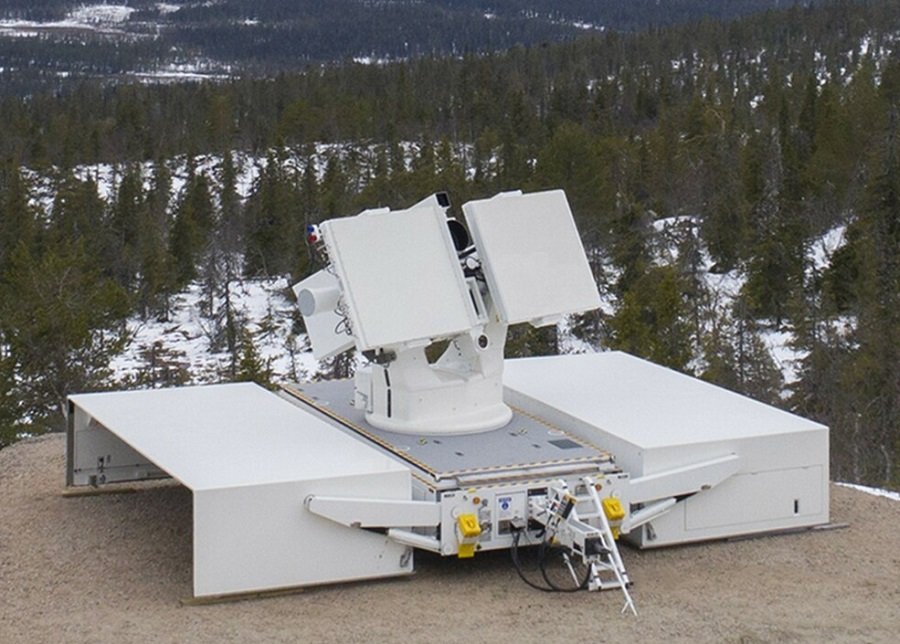
The firm’s calling card is the Multi-Frequency, Continuous-Wave Doppler radar — the technology underpinning the MFTR (Multi Frequency Tracking Radar) and MRR (Multi-Role Radar) families. These instruments were originally built for two communities: weapons proving grounds, where they measure the velocity, drag and trajectory of artillery shells, missiles and small-arms projectiles to a precision that pulse-Doppler systems struggle to match; and space agencies, which use them to track sounding rockets and orbital launches from sites around the world. Customers in the test-range business include the U.S. Army, the U.S. Navy, NASA, the European Space Agency, and proving grounds across Europe and Asia.
In the last decade the same Doppler heritage has been redirected at a problem that has reshaped Weibel’s market: small drones. The company’s XENTA series of X-band radars is sold as a counter-UAS sensor, marketed for its ability to pick up Class I micro and mini drones — the DJI Mavic-class quadcopters and small fixed-wing systems that have proliferated on battlefields from the Donbas to the Red Sea — at ranges where pulse radars lose them in clutter. XENTA variants have been integrated into layered air-defence systems, fitted to vehicles and naval platforms, and sold both as standalone sensors and as part of larger Danish and allied counter-drone packages. Weibel has also pitched the radars for ground-surveillance and short-range air defence, where the same low-observable detection performance is useful against cruise missiles and loitering munitions.
Operationally the radars have been quietly visible in a number of recent procurements. Denmark has fielded Weibel sensors as part of its own air-defence modernisation, and the company has supplied radars to NATO allies and to test ranges supporting Western missile programmes. Naval variants have been mounted on patrol vessels for small-target detection, a use case that has gained urgency as anti-ship drones become a regular threat in contested waters. Specific contract values are seldom published — Weibel sells through prime contractors more often than direct — but the firm has been named in Danish parliamentary defence-procurement reporting and in several U.S. Department of Defense range-instrumentation awards.
What gives Weibel a distinctive position in the European defence-tech landscape is less scale than persistence. It is a small, specialised company that owned a niche technology before counter-drone became a category, and it has been able to extend that technology into one of the most contested sensor markets in modern warfare without abandoning its test-range business. As European militaries scramble to add layered sensors against Russian and Iranian-pattern drones, Weibel’s order book has shifted from a slow trickle of range upgrades to a steadier flow of air-defence work, and the Allerød engineering team has become an unusually quiet beneficiary of the wider rearmament push.
Products
Hardware
GFTR
Long-range X-Band gap-filling tracking radar for ballistic missile defence, providing multi-object separation and high track continuity.
Introduced 2010
LMTR (Land Mobile Tracking Radar)
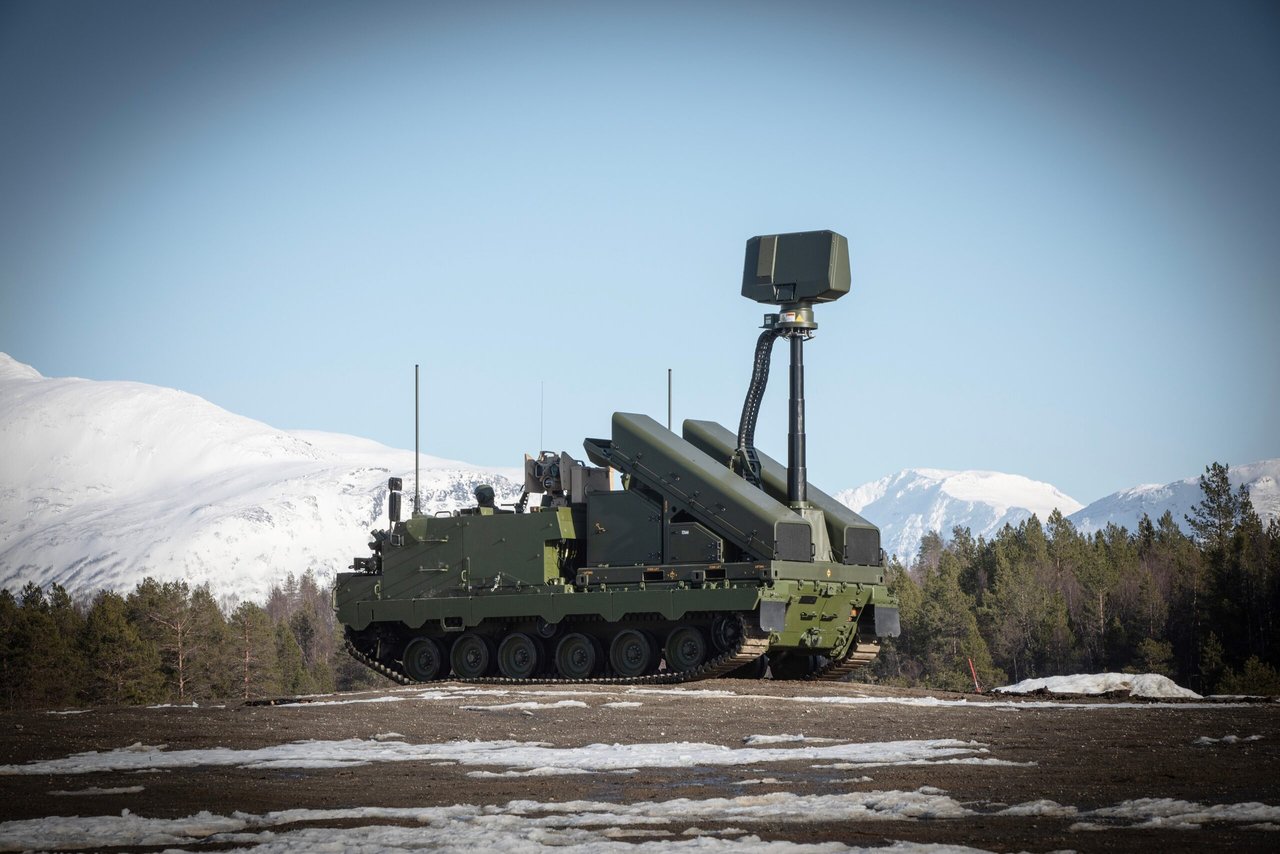
Vehicle-mounted mobile tracking radar for field-deployable instrumentation and forward-area counter-UAS duties.
Introduced 2010
Mu-MFTR
Counter-UAS Doppler radar that detects, tracks, and classifies small drones at ranges conventional air-defence radars miss.
Introduced 2019
MUTR
Mobile tracking radar optimised for counter-UAS and short-range air-defence cuing.
Introduced 2020
MVR / MVRS
Tactical on-weapon X-Band Doppler radar that measures muzzle velocity in real time for artillery, mortar, and naval gun fire-control systems.
Introduced 2000
XENTA
Ground-based air-surveillance and counter-UAS radar with automated drone detection and classification.
Introduced 2019
XENTA-C
X-band Doppler radar designed to detect, classify and track small UAS in cluttered environments.
Introduced 2018
XENTA-M
Mobile multi-mission Doppler radar for air-defence support, range instrumentation and threat warning.
Introduced 2019
XENTA-T
Compact tracking-radar variant of the XENTA family aimed at test ranges and ballistic-tracking applications.
Introduced 2020