XENTA-C
X-band Doppler radar designed to detect, classify and track small UAS in cluttered environments.
Hardwareby Weibel ScientificIntroduced 2018

Photos: esut.de · Weibel Scientific · defence-industry.eu · www.weibelradars.com · weibelradars.com
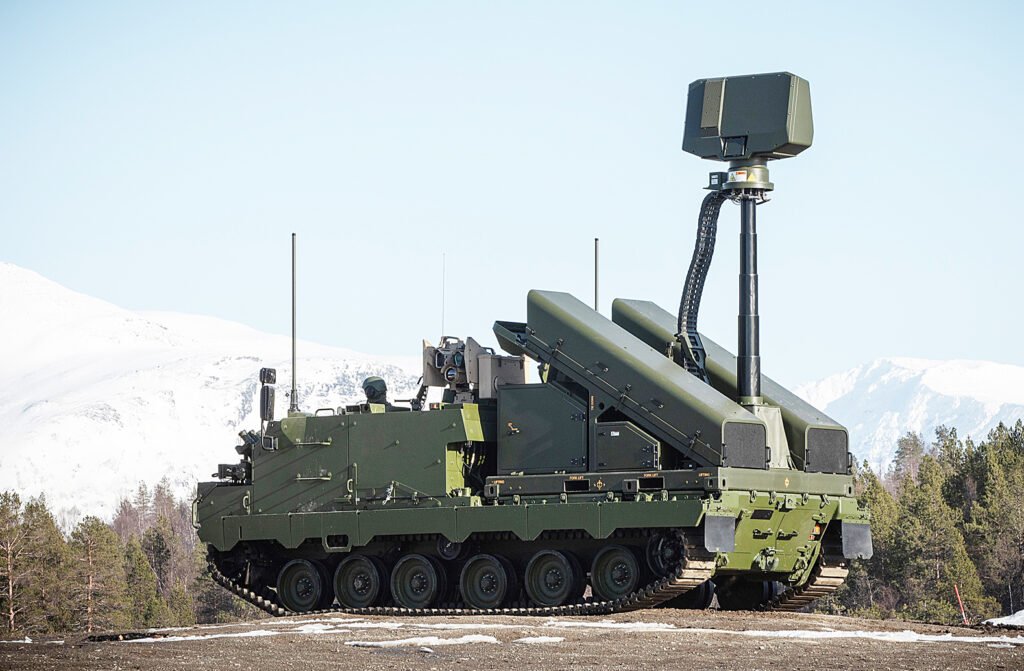
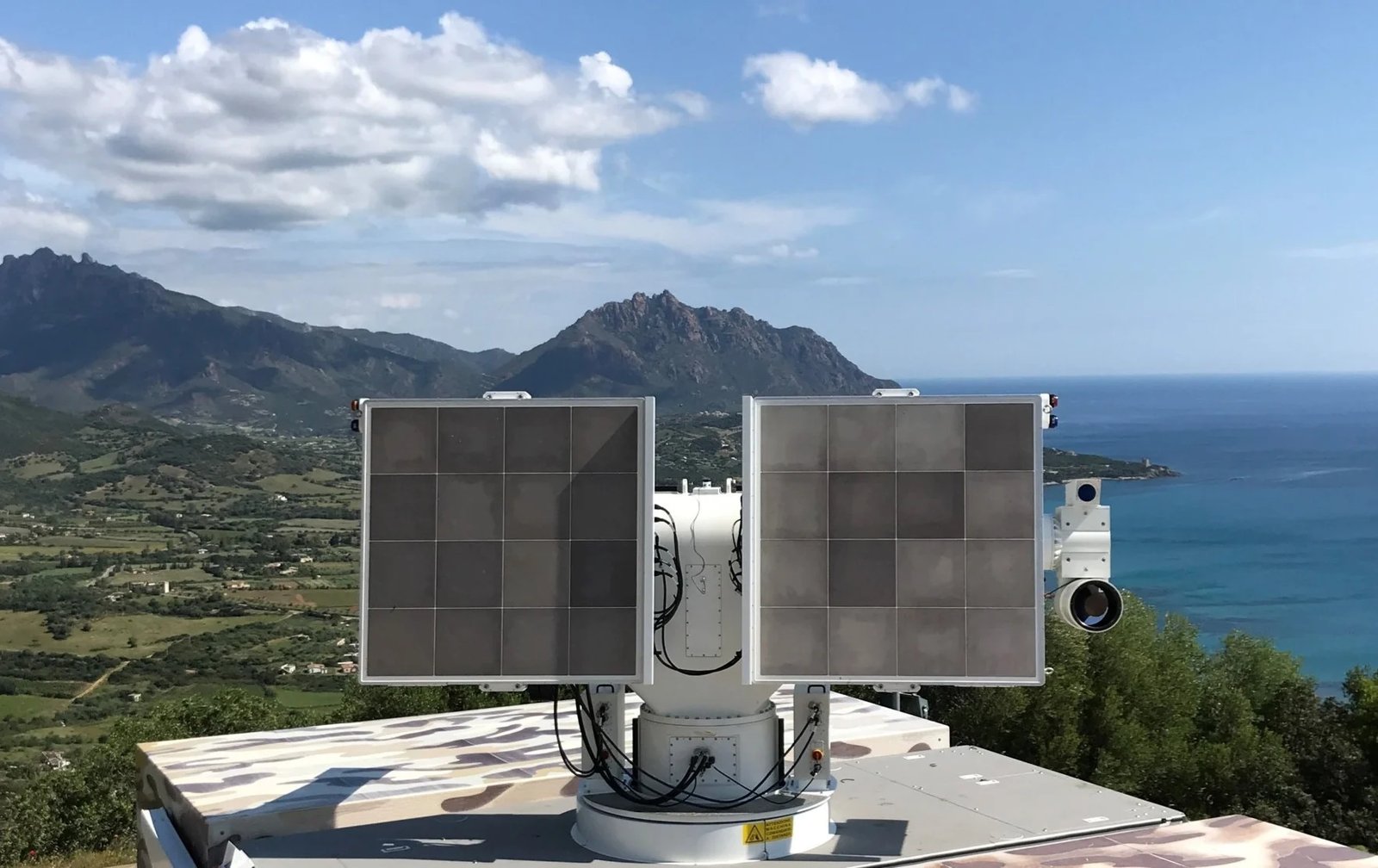
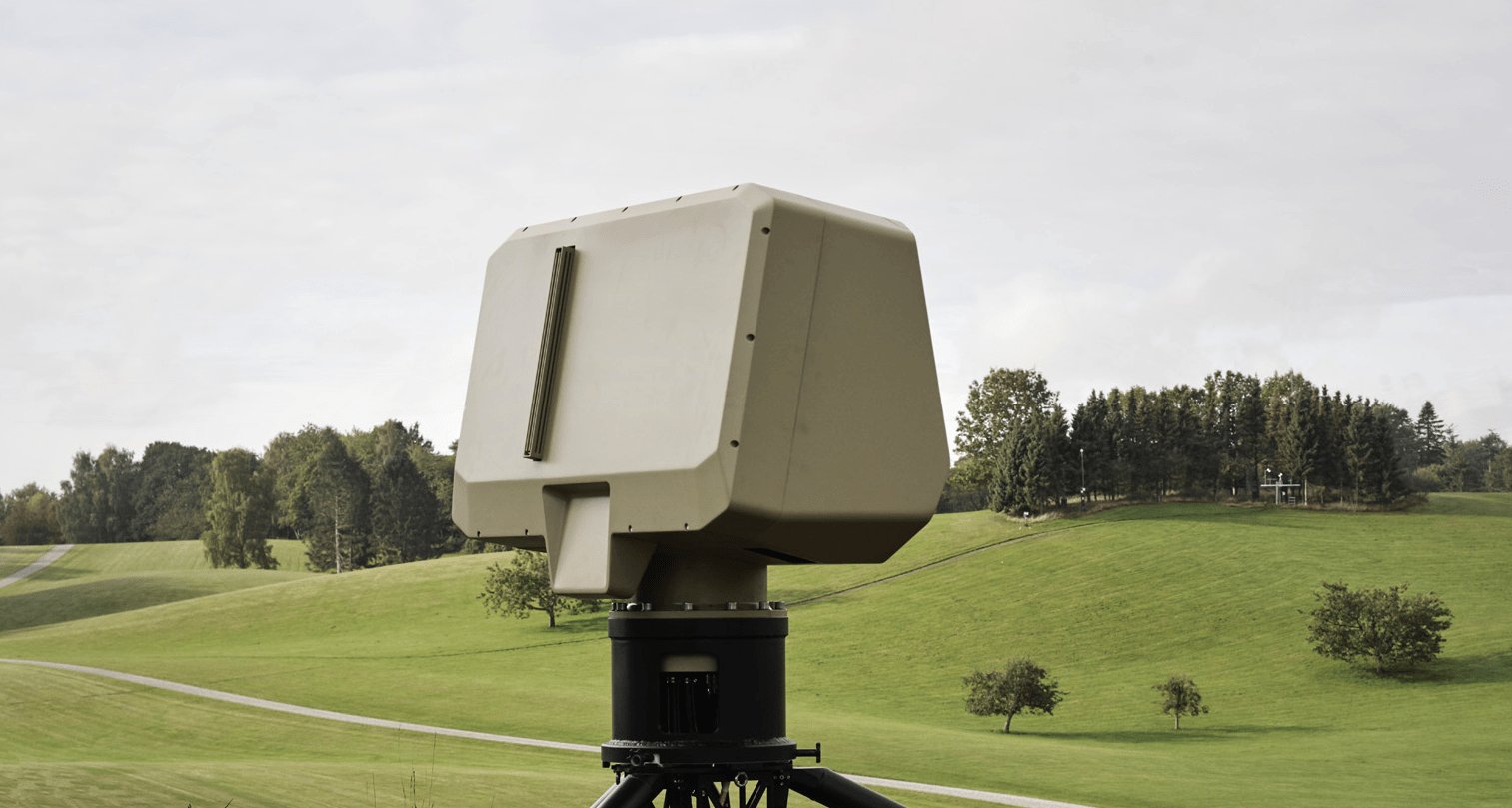
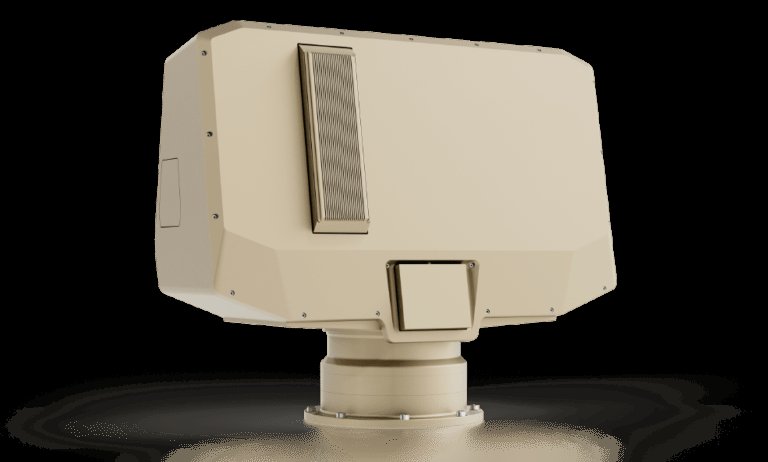
XENTA-C is a compact X-band Doppler radar built by Weibel Scientific, the Danish radar specialist headquartered north of Copenhagen. Introduced around 2018, it sits at the smaller end of the company’s XENTA family and is designed to detect, classify, and track small unmanned aircraft — the quadcopters, fixed-wing hobby drones, and weaponised commercial platforms that have become a defining ground-forces and protected-site problem since the war in Ukraine and earlier incidents over Western military bases.
The radar uses continuous-wave Doppler in the X-band, a design choice Weibel has carried over from its long-running ballistic-tracking work. Continuous-wave operation gives it strong sensitivity to slow-moving, low-radar-cross-section targets that pulse-Doppler systems struggle to separate from clutter. Its core trick is micro-Doppler classification: the radar reads the modulation imposed on returns by spinning rotor blades and propellers, and uses the resulting signature to tell a DJI-class quadcopter from a bird, a ground vehicle, or atmospheric noise. That distinction is what lets it post low false-alarm rates in the urban and littoral environments where most counter-drone work now takes place. Detection ranges for small UAS are typically given in single-digit kilometres, with full 3D track data — range, azimuth, elevation, and velocity — fed into a wider command-and-control layer that cues effectors such as jammers, lasers, or kinetic interceptors.
Operators include the Danish Armed Forces, who field it at home and on deployment, the United States, where Weibel radars have been procured by the US Army and US Marine Corps for short-range air-defence and counter-UAS roles, and the United Kingdom, whose ORCUS counter-UAS system pairs Weibel’s X-band radar with electronic-warfare effectors. ORCUS has been deployed for venue protection at major events including the COP26 climate summit in Glasgow and around critical national infrastructure. Beyond those headline customers, XENTA-class radars have seen service at NATO summits and other high-visibility security gatherings where temporary counter-drone bubbles are needed.
Weibel has continued to extend the XENTA line with mast-mounted and vehicle-borne variants, and the radars are increasingly sold as a sensor module inside larger integrator-led counter-UAS architectures rather than as stand-alone systems. In a market crowded with passive RF detectors and electro-optical sensors, XENTA-C’s pitch is the harder, all-weather one: an active radar that produces a tracked, classified target track regardless of whether the drone is emitting, flown autonomously, or hidden against terrain.