XENTA-M
Mobile multi-mission Doppler radar for air-defence support, range instrumentation and threat warning.
Hardwareby Weibel ScientificIntroduced 2019
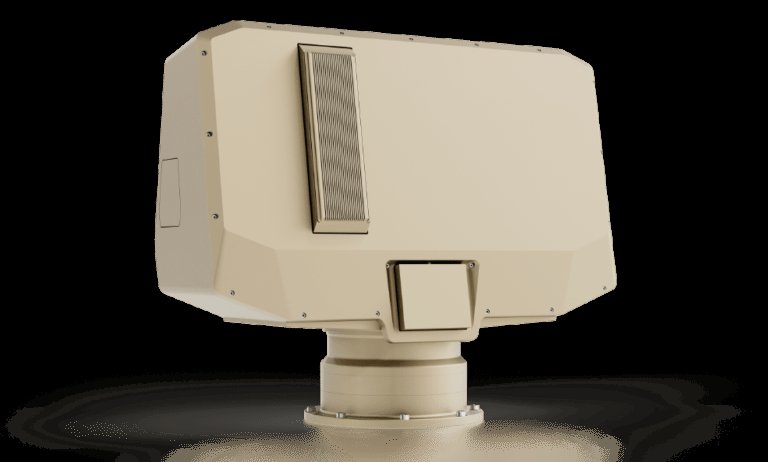
Photos: euro-sd.com · Weibel Scientific · www.weibelradars.com · www.linkedin.com · weibelradars.com
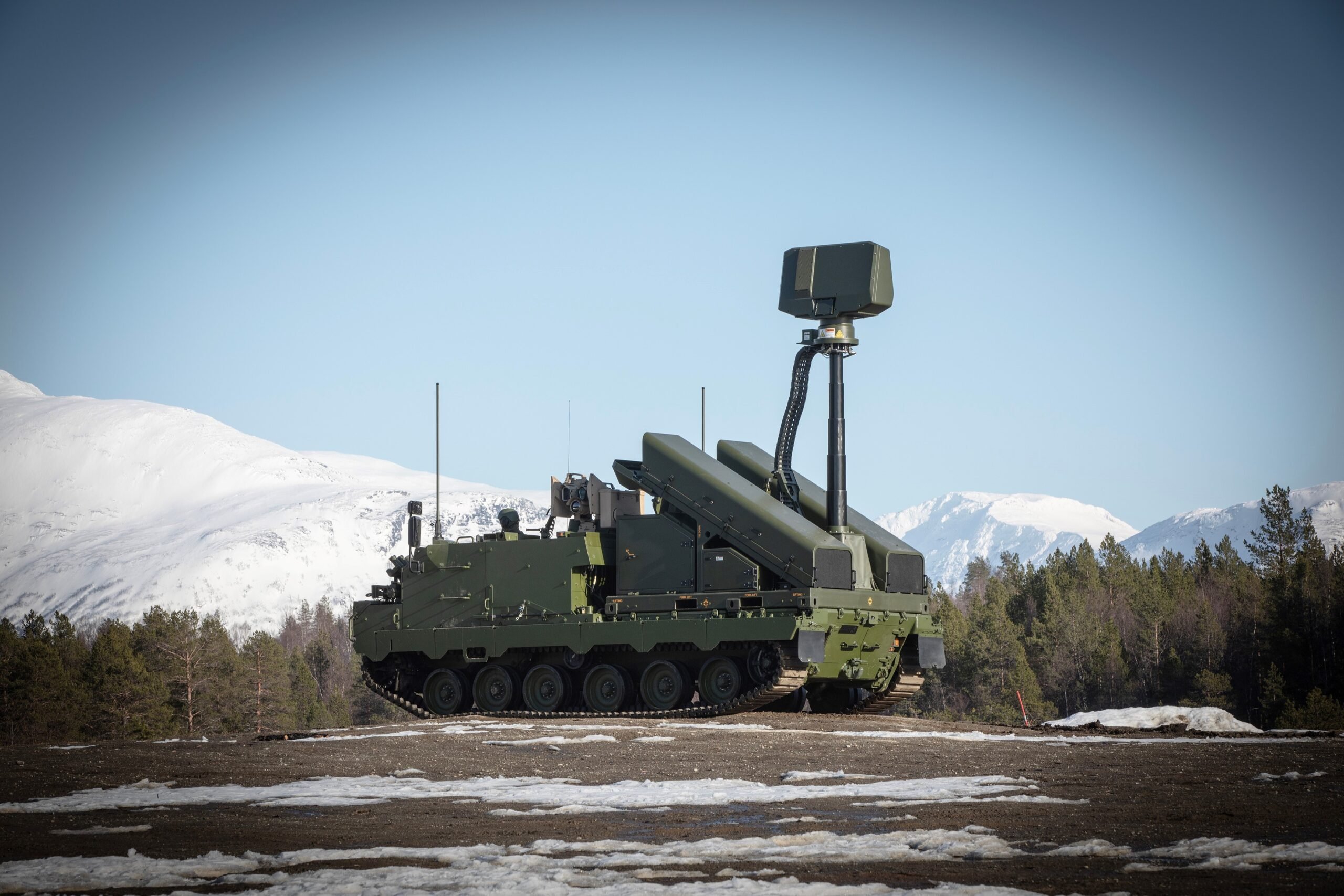
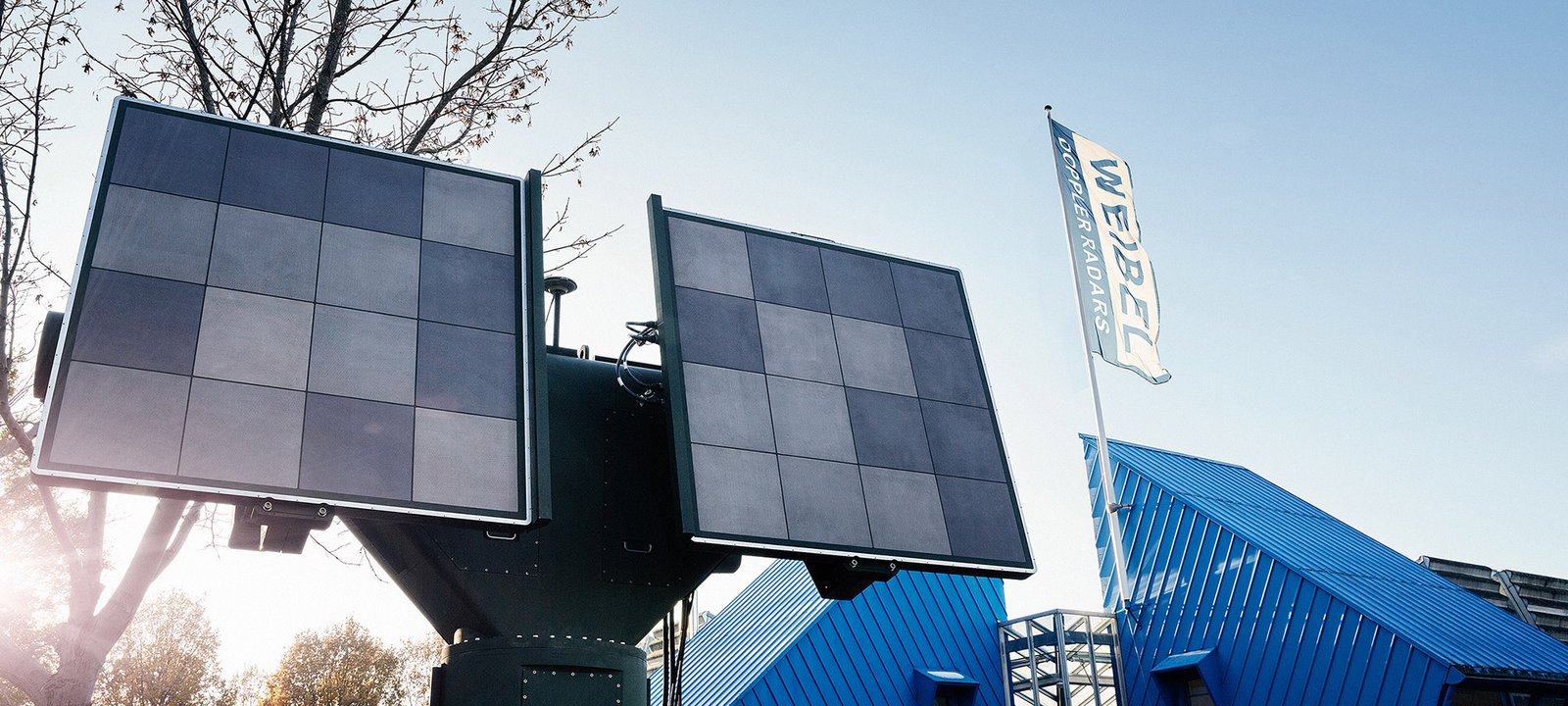
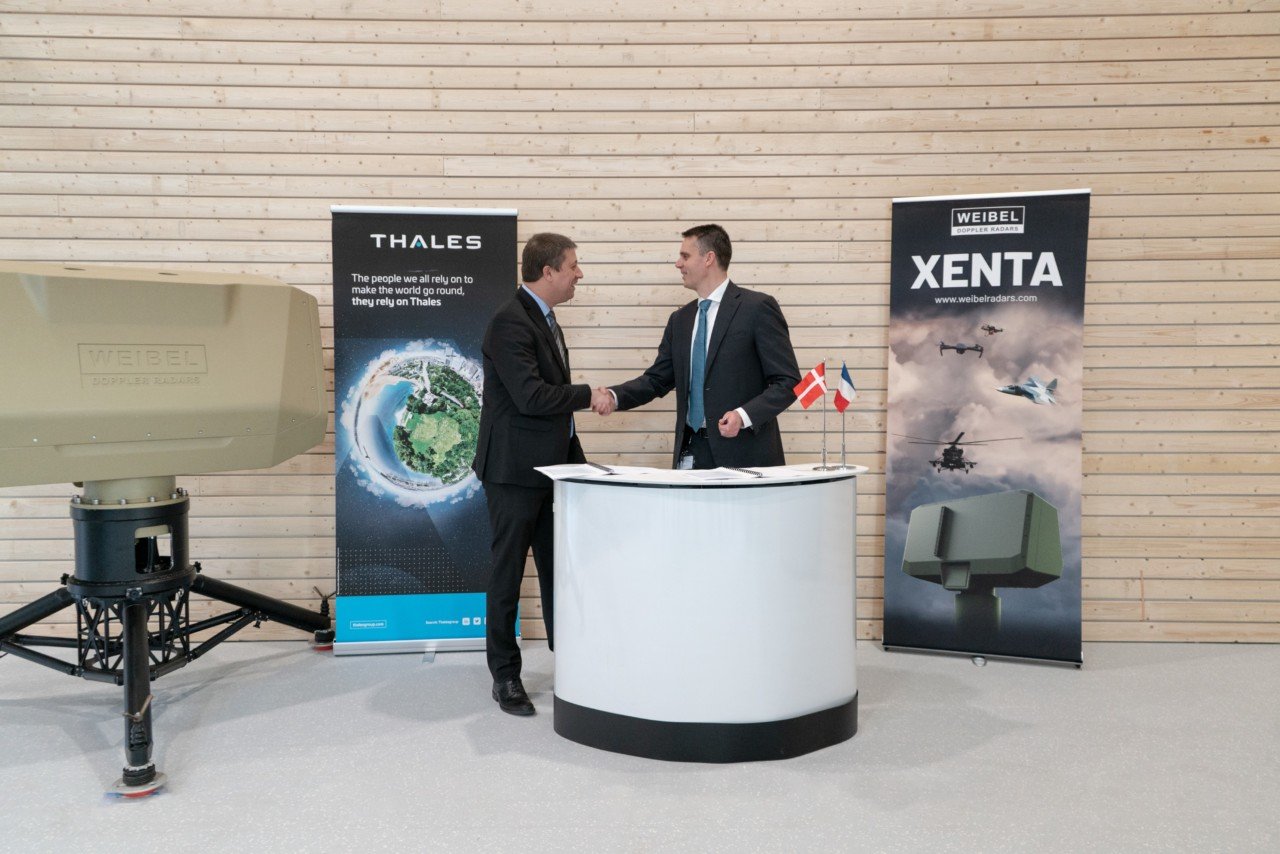
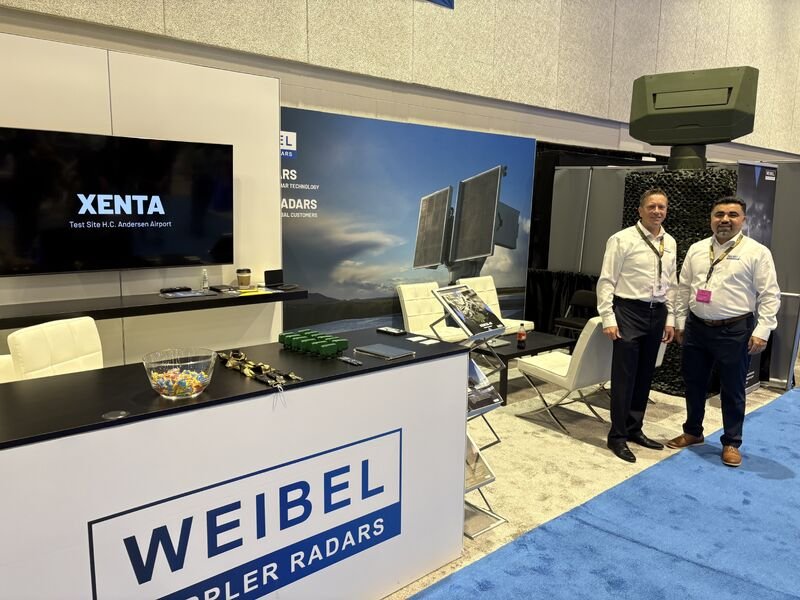
XENTA-M is a vehicle-mounted multi-mission Doppler radar built by Weibel Scientific, the Danish radar house that has supplied tracking systems to military test ranges and air-defence operators for decades. Introduced in 2019, the system extends Weibel’s stationary and containerised XENTA designs onto a mobile chassis, giving deployable units the same continuous-wave Doppler picture in a package that can move with the formation it protects. Its declared roles span air-defence support, range instrumentation and forward threat warning, with the Danish armed forces among the early operators.
Technically, XENTA-M sits in the X-band and uses continuous-wave Doppler rather than pulse radar, the approach Weibel has refined across its Mu-series and earlier MFTR products. Continuous-wave signalling allows the radar to read very small velocity changes on small radar-cross-section targets, which is the reason the same architecture is used for ballistic instrumentation work — tracking artillery shells, mortar bombs and missiles in flight. In a tactical role the system applies that sensitivity to air targets that conventional pulse radars struggle with: small fixed-wing and quadrotor drones, loitering munitions, and rocket-artillery-mortar (C-RAM) projectiles. Multiple targets can be held in track simultaneously, and the radar is designed to feed a higher-level air-picture or command-and-control system rather than to fire-control a weapon by itself.
The Danish military is the publicly identified user. Denmark has been a long-standing customer for Weibel since the company’s founding in 1936, and the XENTA family has been positioned for both Danish and export sales — particularly into European counter-drone programmes that accelerated after Russia’s full-scale invasion of Ukraine in 2022 exposed the scale of the small-UAS threat. Weibel has not published deployed counts for XENTA-M, and the system has no confirmed combat record, although the wider XENTA family has been promoted at NATO and air-defence trade events as a sensor for the same threat set that European militaries are now urgently rebuilding capability against.
Within Weibel’s catalogue, XENTA-M is the mobile sibling to the containerised XENTA-C and the fixed XENTA-S, sharing the underlying signal-processing chain across the three form factors. Against rival counter-UAS sensors — passive RF detectors, AESA pulse-Doppler radars, and the small electronically-scanned arrays that have proliferated since 2022 — XENTA-M’s distinguishing pitch is the Doppler-instrumentation lineage: precision tracking of low-RCS, low-velocity targets that other architectures lose in clutter.