Kongsberg Geospatial
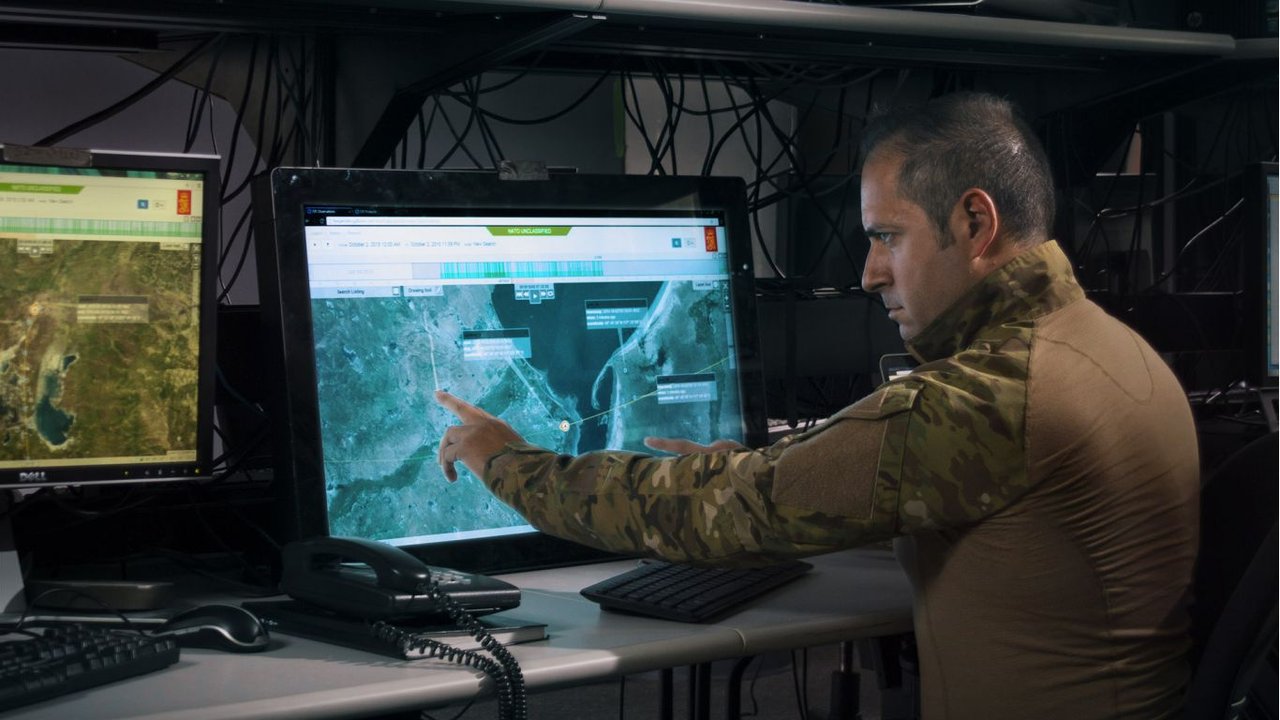
Real-time geospatial visualisation (TerraLens) used in NATO air-defence and UAV ground-control systems.
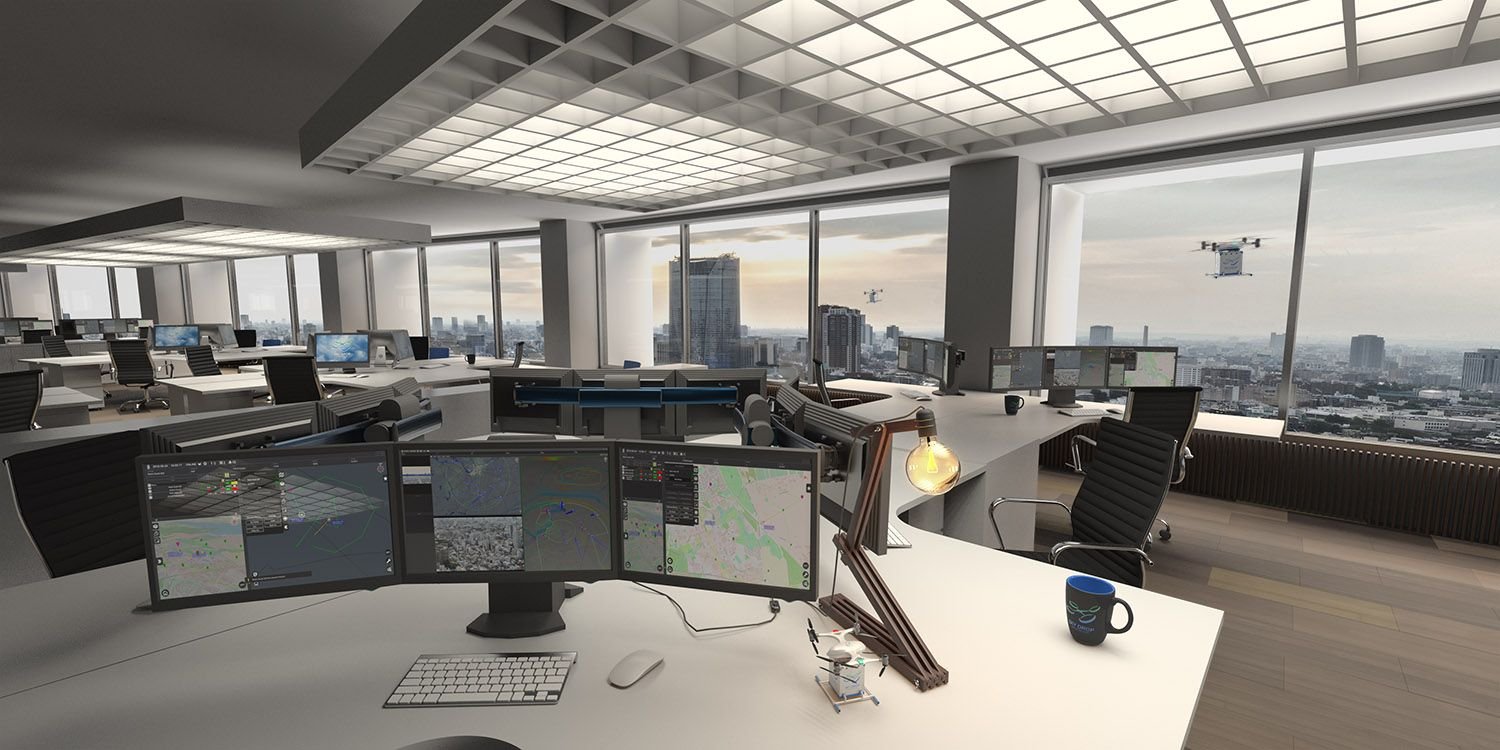
Kongsberg Geospatial occupies an unusual position within Norway’s Kongsberg group: a Canadian software house in Ottawa, owned by Kongsberg Defence & Aerospace, building the visualisation layer that sits behind air-defence consoles and drone ground stations across NATO. The Ottawa team was founded in 1987 and has operated under the Kongsberg banner since being acquired by the Norwegian parent. It has stayed relatively small and tightly focused, working at the intersection of cartography, real-time graphics, and defence integration.
Its core product is TerraLens, a software development kit for real-time geospatial visualisation. TerraLens is not a stand-alone application; it is the engine that defence and aerospace integrators embed inside their own systems to render terrain, airspace, sensor tracks, and tactical overlays. It supports 2D and 3D rendering, very large terrain datasets, and the fusion of live data — radar tracks, ADS-B feeds, electro-optical returns, friendly-force markers — drawn together on a single map. A second product line, IRIS UxS, builds on TerraLens to provide an operations centre for unmanned aircraft, with particular focus on beyond-visual-line-of-sight UAV flight and detect-and-avoid airspace integration.
Customers reflect that toolkit positioning. TerraLens has been integrated into NATO air-defence and air-command consoles, UAV ground-control stations, and maritime and air-traffic platforms. Through the parent group, Kongsberg Geospatial’s software supports Nordic and Baltic air-domain infrastructure, and its UAV airspace work has been used by civilian regulators and defence operators studying long-range drone corridors. The company tends to sell deep into other primes’ platforms rather than under its own brand, which makes its installed base larger than its public profile suggests.
As a wholly owned subsidiary, Kongsberg Geospatial does not publish independent revenue figures; its results roll up into Kongsberg Defence & Aerospace, the largest division of Norwegian holding Kongsberg Gruppen, which is publicly listed in Oslo. Headcount in Ottawa is in the dozens — a specialist engineering team rather than a mass-market software house, with a high concentration of graphics, GIS, and systems engineers relative to overall size.
Geopolitics has lifted the wider Kongsberg group sharply since 2022. Increased European defence budgets, the war in Ukraine’s emphasis on drone warfare, and NATO’s renewed focus on layered air defence have all sharpened demand for the kind of fused situational picture TerraLens is built to render. Counter-drone work in particular needs exactly this — a console that takes radar, RF, and electro-optical tracks and presents them as a single decision picture to a human operator with seconds to act. The same fused-picture problem appears again in airspace integration for medium-altitude UAVs, where civil aviation authorities want demonstrable separation assurance before opening up corridors.
What distinguishes Kongsberg Geospatial within the broader autonomy and defence-software field is its position one layer below the systems readers usually hear about. It is rarely the public face of a programme; more often it is the rendering and fusion engine inside it. That position — quiet, embedded, and necessary — is a useful reminder that modern air defence and drone operations rest on a fairly small set of specialist software houses, of which this Ottawa team is one.
Products
Software
IRIS UAS
Airspace-awareness and BVLOS situational-awareness platform for unmanned aircraft operations, fusing radar, ADS-B and sensor feeds.
Introduced 2018
IRIS UTM
Unmanned Traffic Management platform for deconflicting and authorising drone operations in controlled or contested airspace.
Introduced 2019
RapidPlan
3D mission-planning and rehearsal tool for special operations and UAV missions, built on the TerraLens engine.
Introduced 2010
TerraLens
Real-time geospatial visualisation SDK used as the mapping engine in air-defence consoles, UAV ground-control stations, and ATC systems.
Introduced 2003