X10D
Ruggedised AI-piloted reconnaissance quadcopter built for defence and frontline ISR missions.
Droneby SkydioIntroduced 2024
Photos: thedefensepost.com · www.adsinc.com · www.skydio.com · www.tradewheel.com · www.defensedaily.com
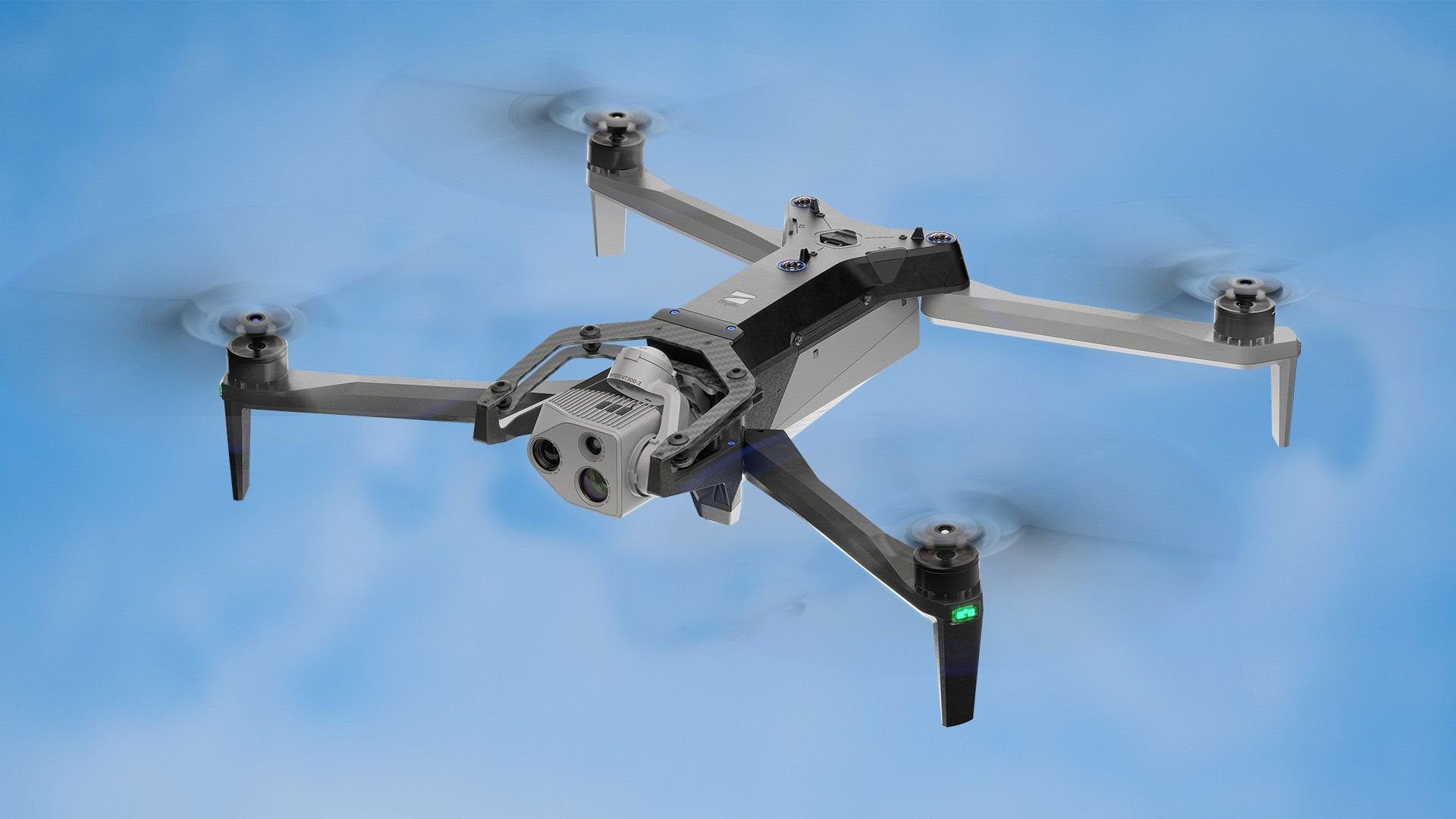
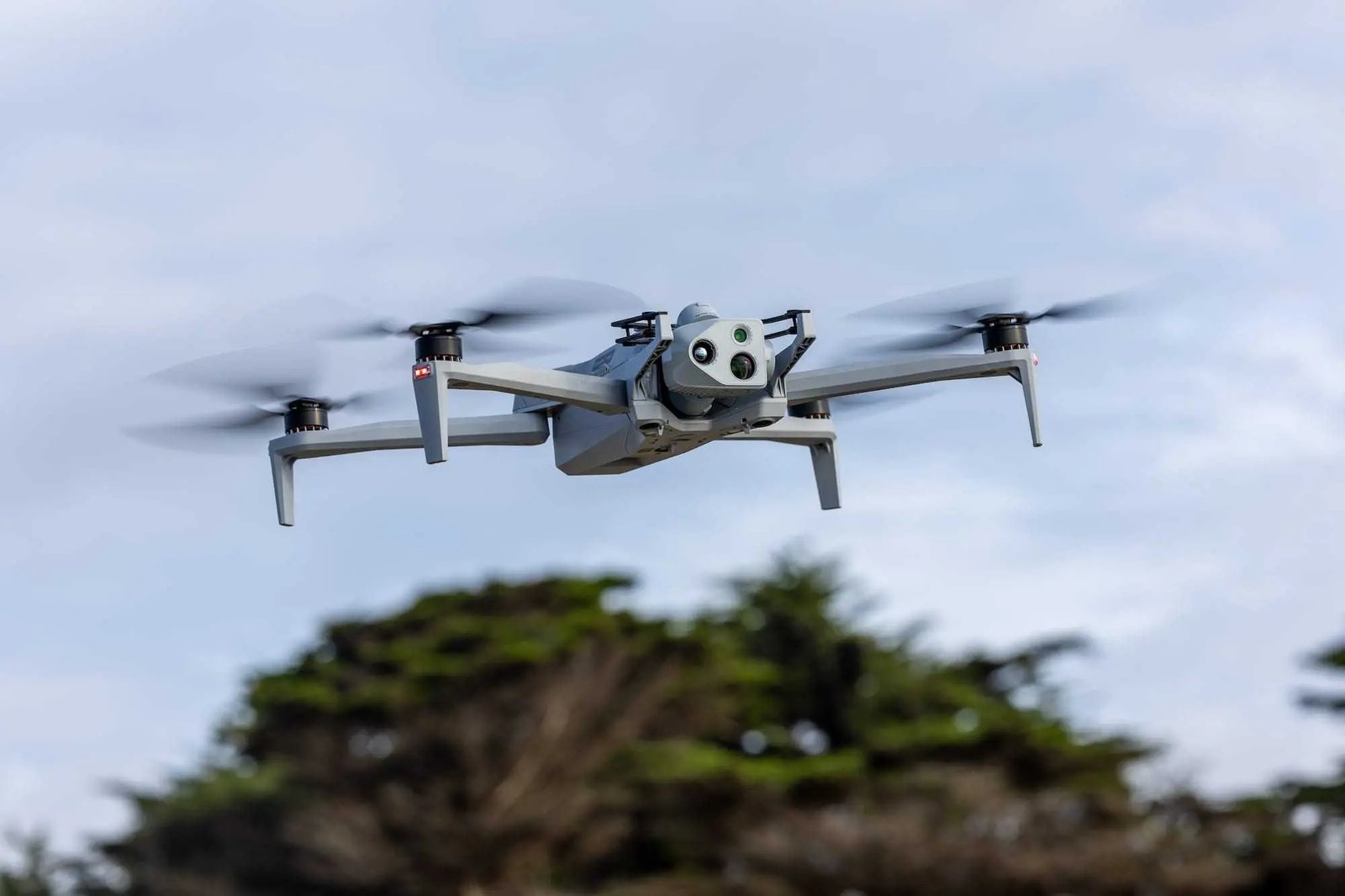
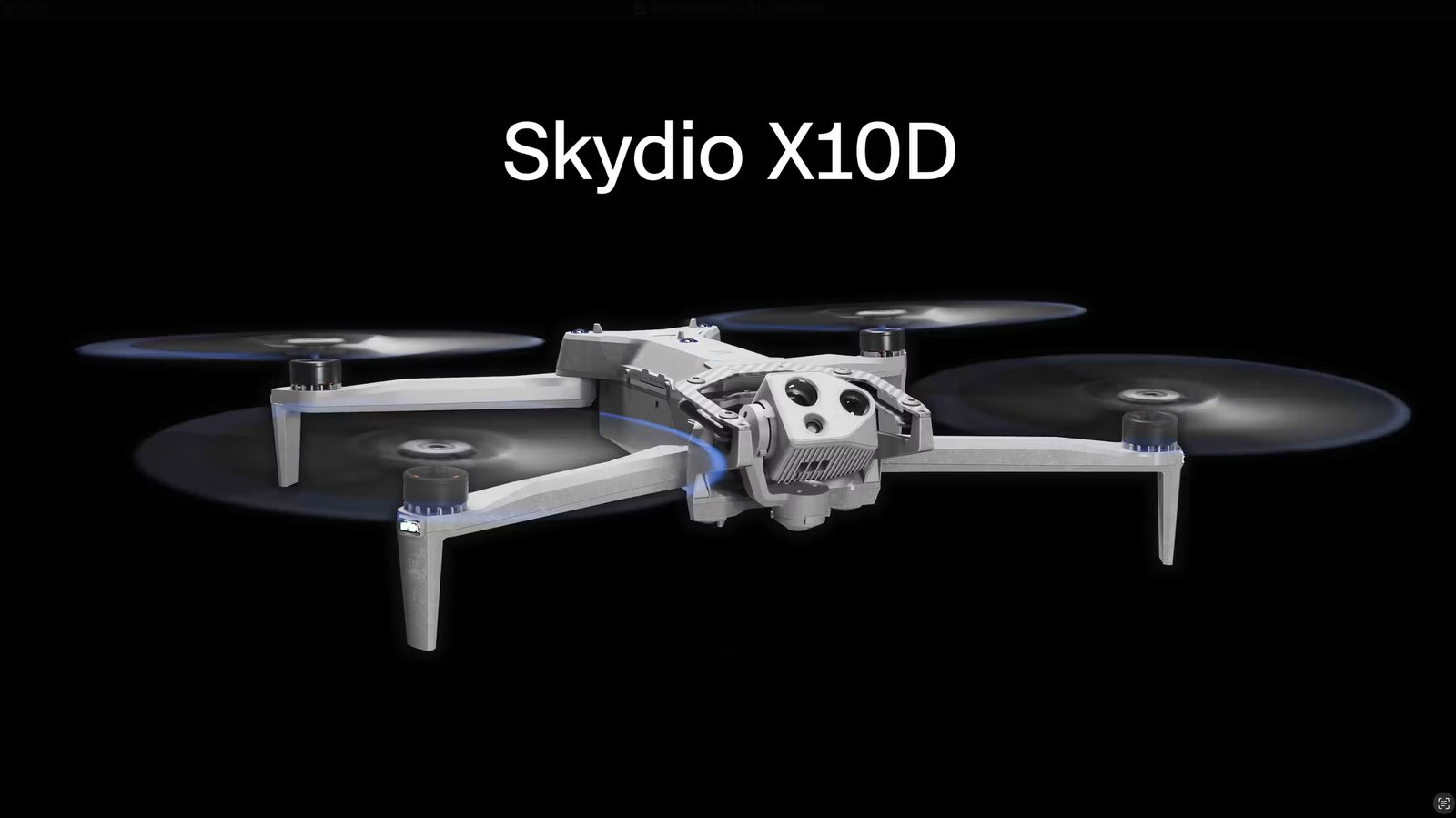
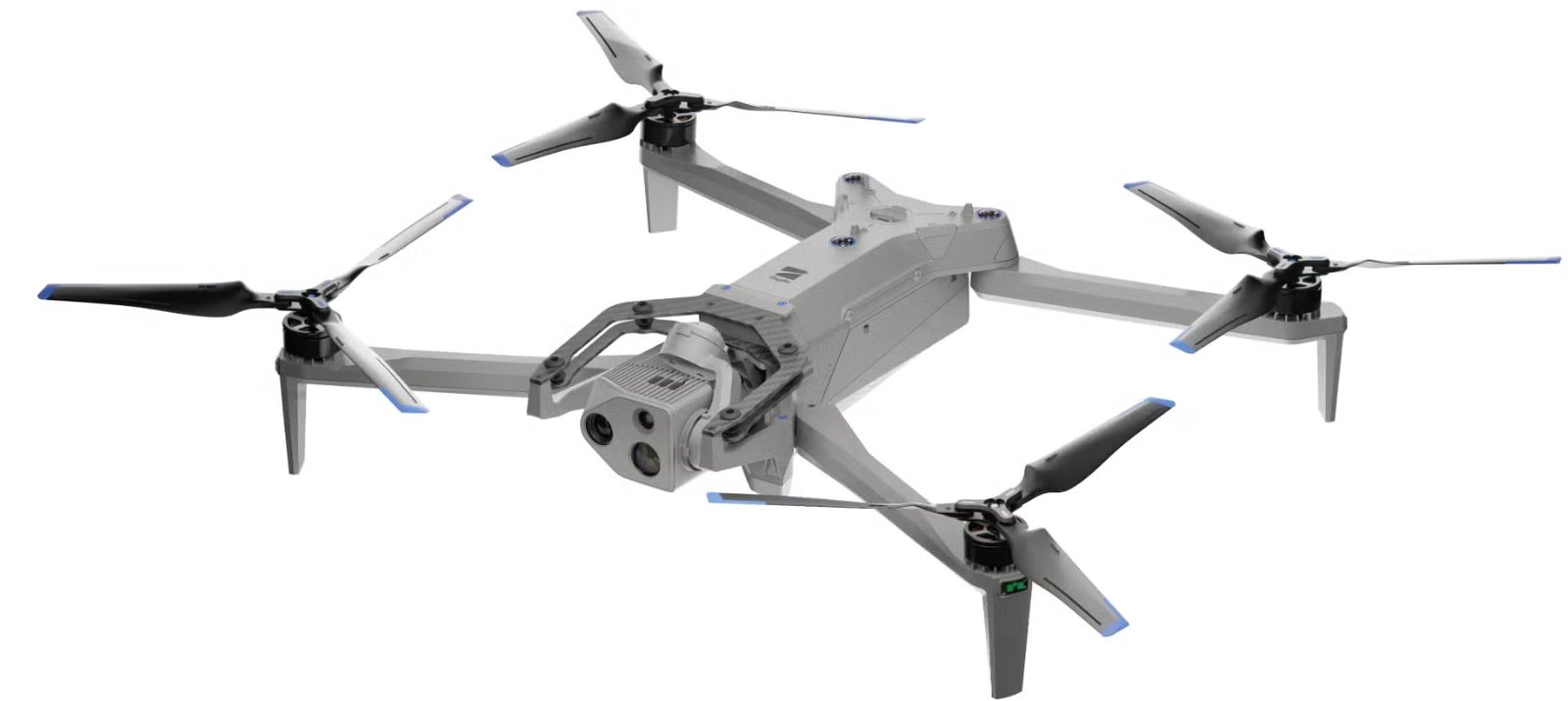
Skydio’s X10D is the defence-hardened variant of the X10, a small quadcopter the San Mateo company launched in late 2023 and tailored explicitly for US military and allied use. It belongs to the short-range reconnaissance class — a soldier-portable system that fits in a backpack, takes off from a hand or a small clearing, and feeds live video back to a ground controller. The “D” suffix marks it out from Skydio’s enterprise X10: the airframe is the same, but the radio, the firmware, and the supply chain are configured for the Department of Defense’s Blue UAS list, which screens out Chinese-made components. Skydio pivoted away from the consumer market in 2020 to focus on enterprise and defence, and the X10D is the clearest expression of that strategy.
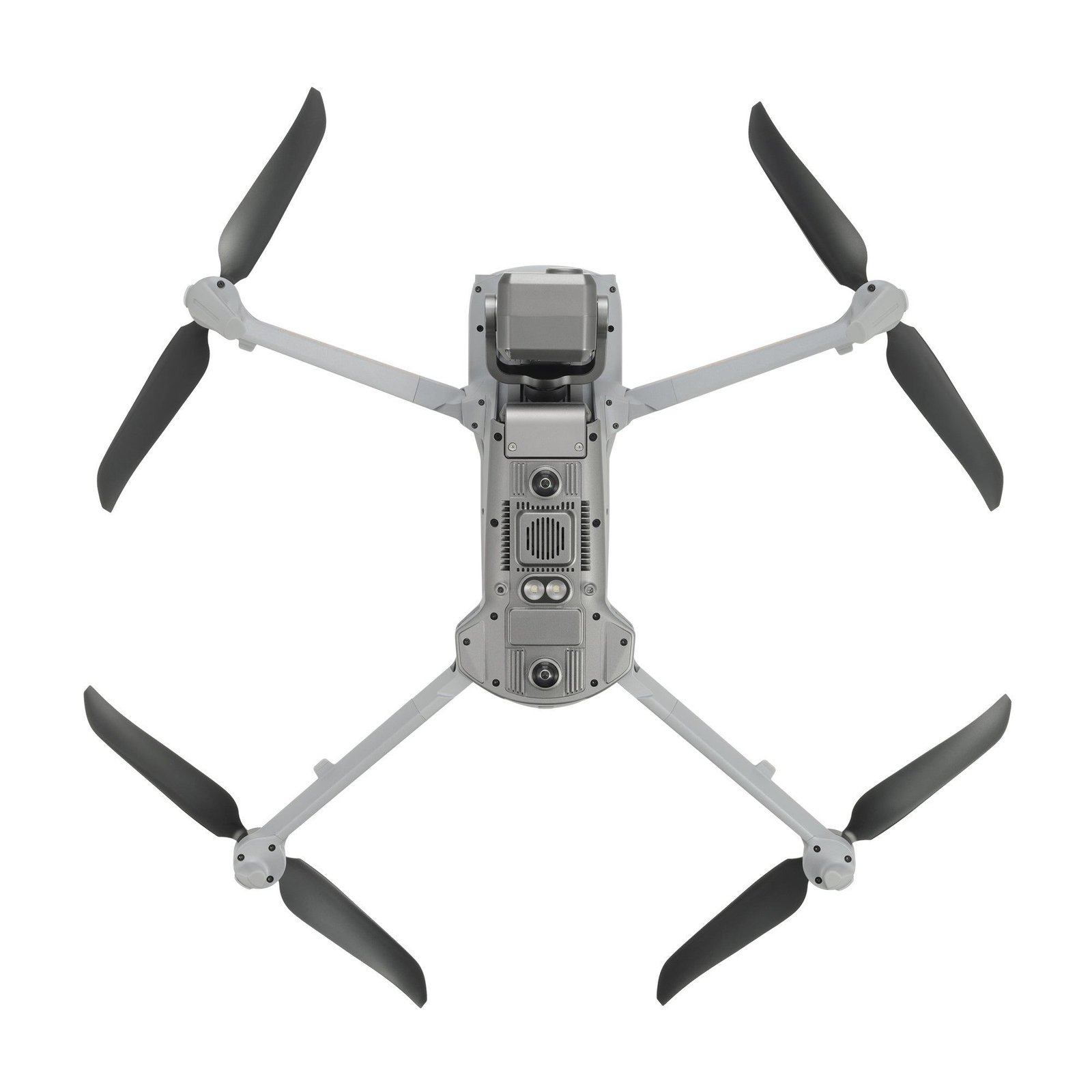
What separates the platform from competing micro-quadcopters is its autonomy stack. Six 4K navigation cameras feed an onboard NVIDIA Jetson processor running the Skydio Autonomy Engine, which builds a real-time 3D map of the surroundings and lets the aircraft fly itself through dense vegetation, inside buildings, and along the underside of bridges without GPS. The operator nominates a target or a path; the drone handles the flying. Endurance sits at roughly 40 minutes, and the modular payload bay carries a paired electro-optical and thermal gimbal — branded NightSense — with a dedicated illuminator for fully dark conditions. The aircraft is rated for sustained rain and 25-knot winds, with a swap-out battery designed for cold-weather operation.
The largest operator is the US military. Skydio reports more than 22,000 of its drones already in US service across the X2D, X10D and earlier RQ-28A airframes, the latter selected under the US Army’s Short Range Reconnaissance Increment 2 programme. Ukraine is the other major customer; deliveries began in 2022 and have been folded into the country’s broader fleet of small ISR quadcopters used for artillery spotting and trench reconnaissance. The UK Ministry of Defence and several NATO members have also taken delivery in smaller numbers.
Development has been shaped by hard lessons from Ukraine, where Russian electronic warfare has repeatedly degraded Western micro-drones. Skydio has responded with frequency-agile radios and visual-inertial navigation that allows the X10D to keep flying when the GPS signal is jammed. The company sits in a crowded field alongside Anduril Industries, Teal, and Parrot’s Anafi USA, but its bet on full visual autonomy — rather than pilot skill — is what continues to set its airframes apart.