Wasp AE
Micro UAV for squad-level reconnaissance, optimised for low-acoustic signature and maritime ops.
Droneby AeroVironmentIntroduced 2012

Photos: www.armedconflicts.com · thedefensepost.com · AeroVironment · www.armyrecognition.com · www.upi.com
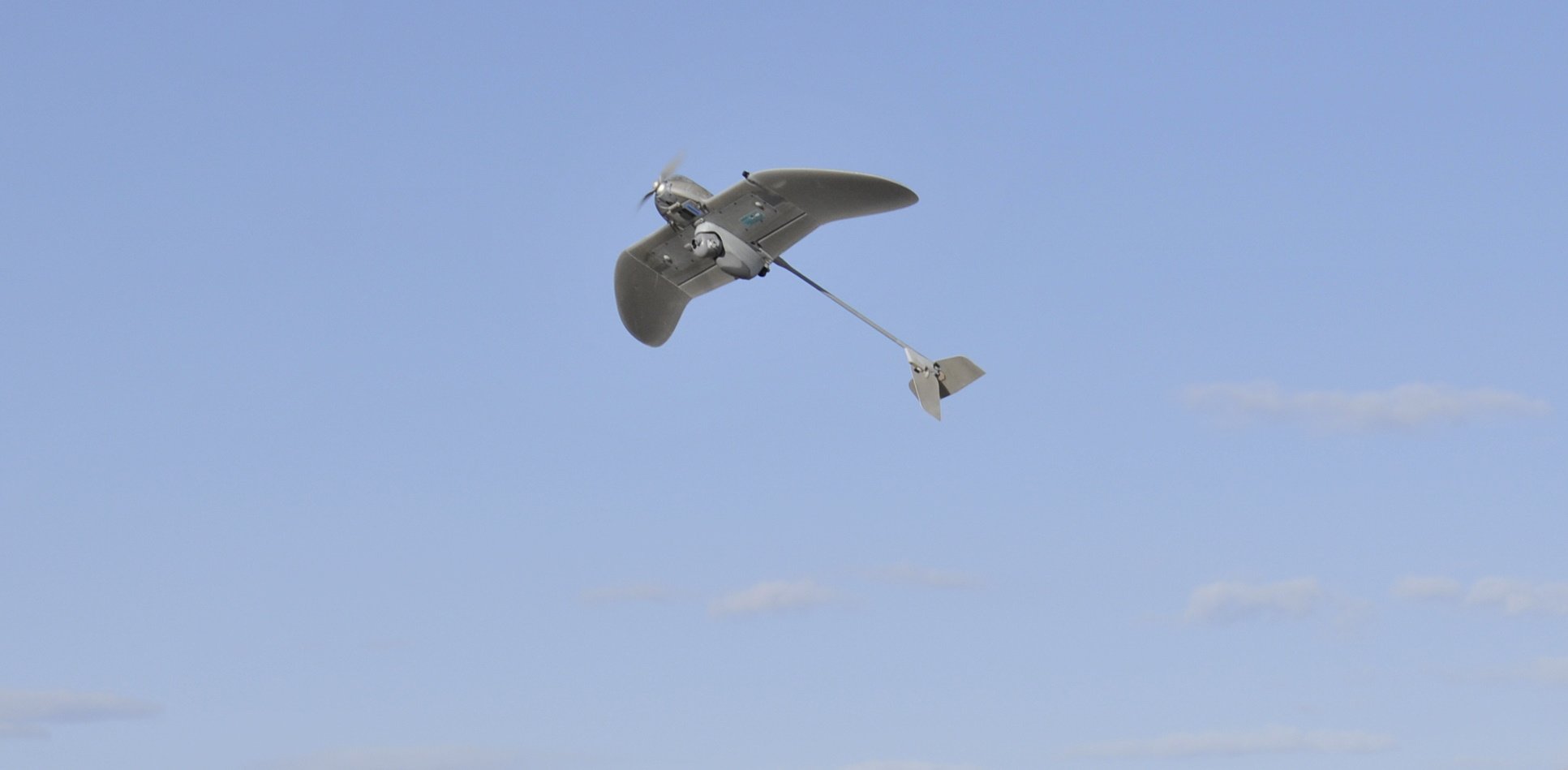
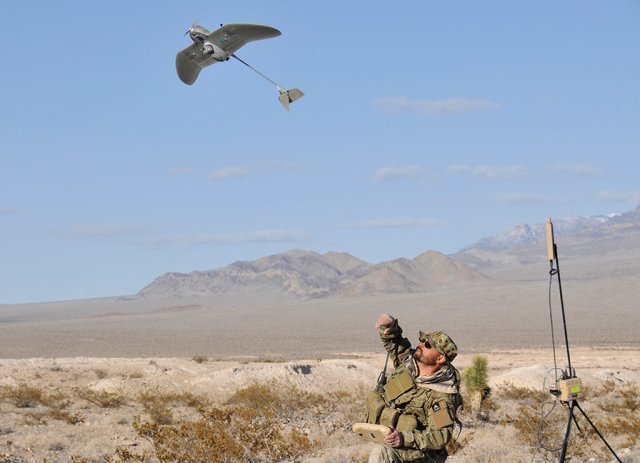
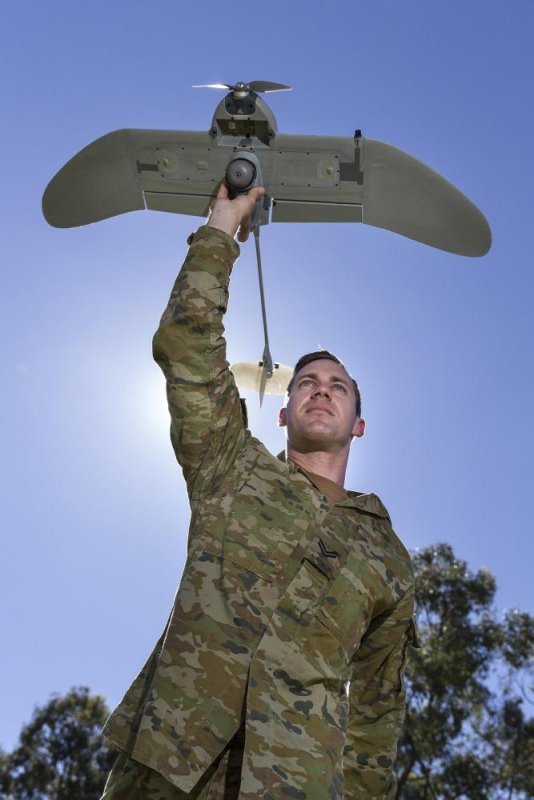
AeroVironment’s Wasp AE is a hand-launched micro unmanned aerial vehicle that entered United States service in 2012 as the all-environment evolution of the company’s earlier Wasp III. Weighing roughly 1.3 kilograms with a wingspan of about a metre, it is designed for squad-level intelligence, surveillance and reconnaissance — small enough to be carried in a rucksack, simple enough to be fielded by infantry without a dedicated UAV crew. The United States Air Force fields it under the designation RQ-12A, and the Marine Corps has fielded it as part of its Family of Small Tactical Unmanned Aerial Systems.
The aircraft is built around a battery-powered pusher propeller that gives it a notably low acoustic signature, an attribute that matters when the operator is a few hundred metres from the people being observed. Its sensor package is a gyro-stabilised electro-optical and infrared gimbal, streaming live video back to the same handheld ground control station that drives AeroVironment’s Raven and Puma airframes — a deliberate commonality that lets a single operator and a single station cover multiple platforms. Endurance is around 50 minutes and effective range from the controller is roughly 5 kilometres. Navigation and recovery are autonomous: the operator designates a waypoint and the aircraft flies it. The “AE” — All Environment — refers to the fuselage being sealed and buoyant, allowing splashdown landings on saltwater and recovery from small boats, a capability that distinguishes Wasp from comparable land-only micro UAVs and that made it attractive to naval and special-operations users.
In US service the system has been deployed with Marine Corps reconnaissance units, Air Force Special Operations, and Navy SEAL teams, which used Wasp AE for shipboard launch trials and littoral surveillance. It has seen use operationally in Iraq and Afghanistan and on shipboard rotations in the Pacific. The Wasp line predates the better-publicised loitering-munition wave that AeroVironment is now identified with, and it has remained in inventory as a quiet, low-cost ISR option rather than being displaced by it.
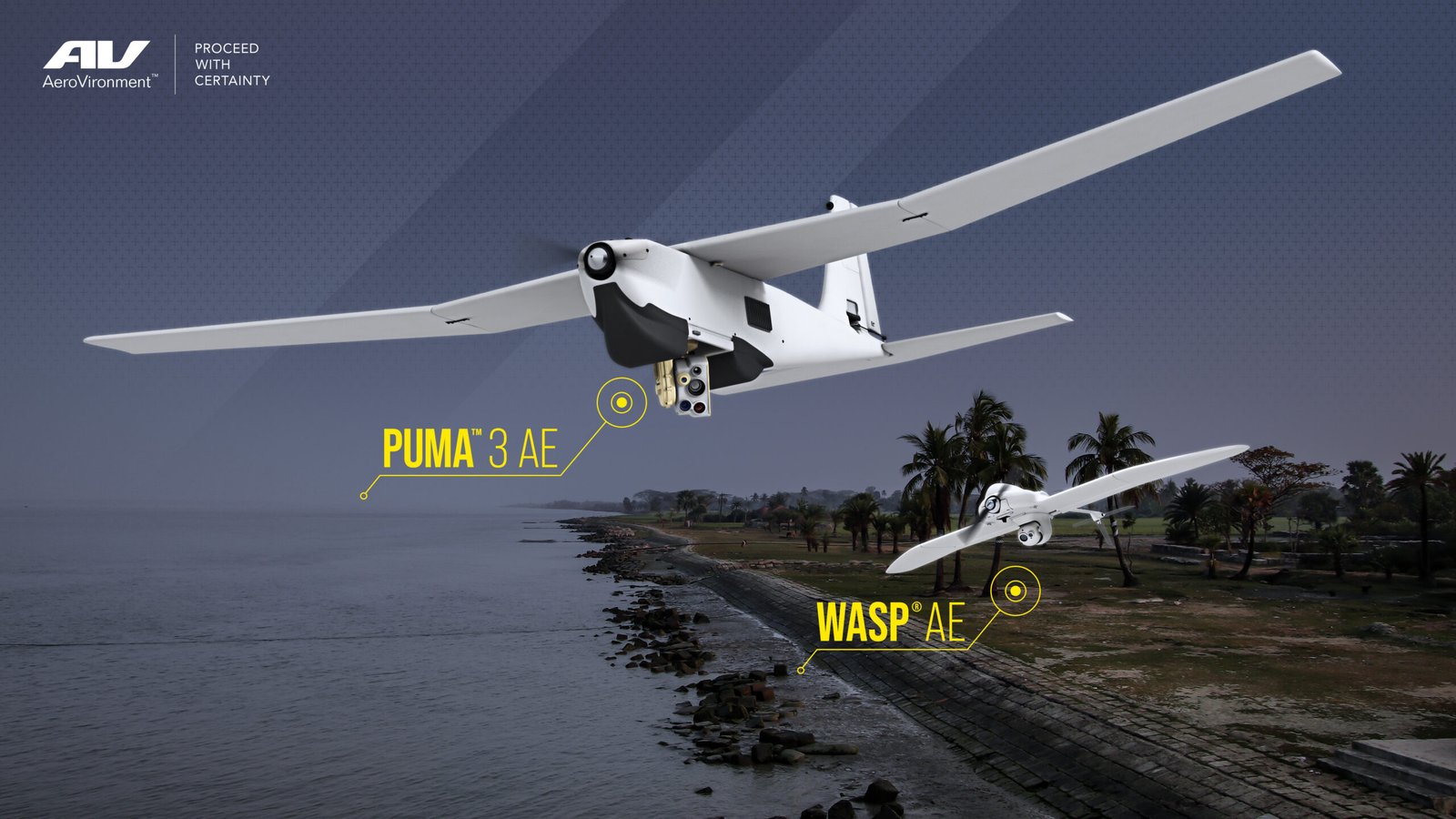
Wasp sits at the bottom of AeroVironment’s small UAV portfolio, beneath the better-known Raven and the larger Puma — a deliberate trio designed to give a deployed unit one common ground station and three airframes scaled to mission. Its niche is the quietest, smallest, most expendable of the three, and the only one that can come back wet.