Products Palantir Technologies
TITAN
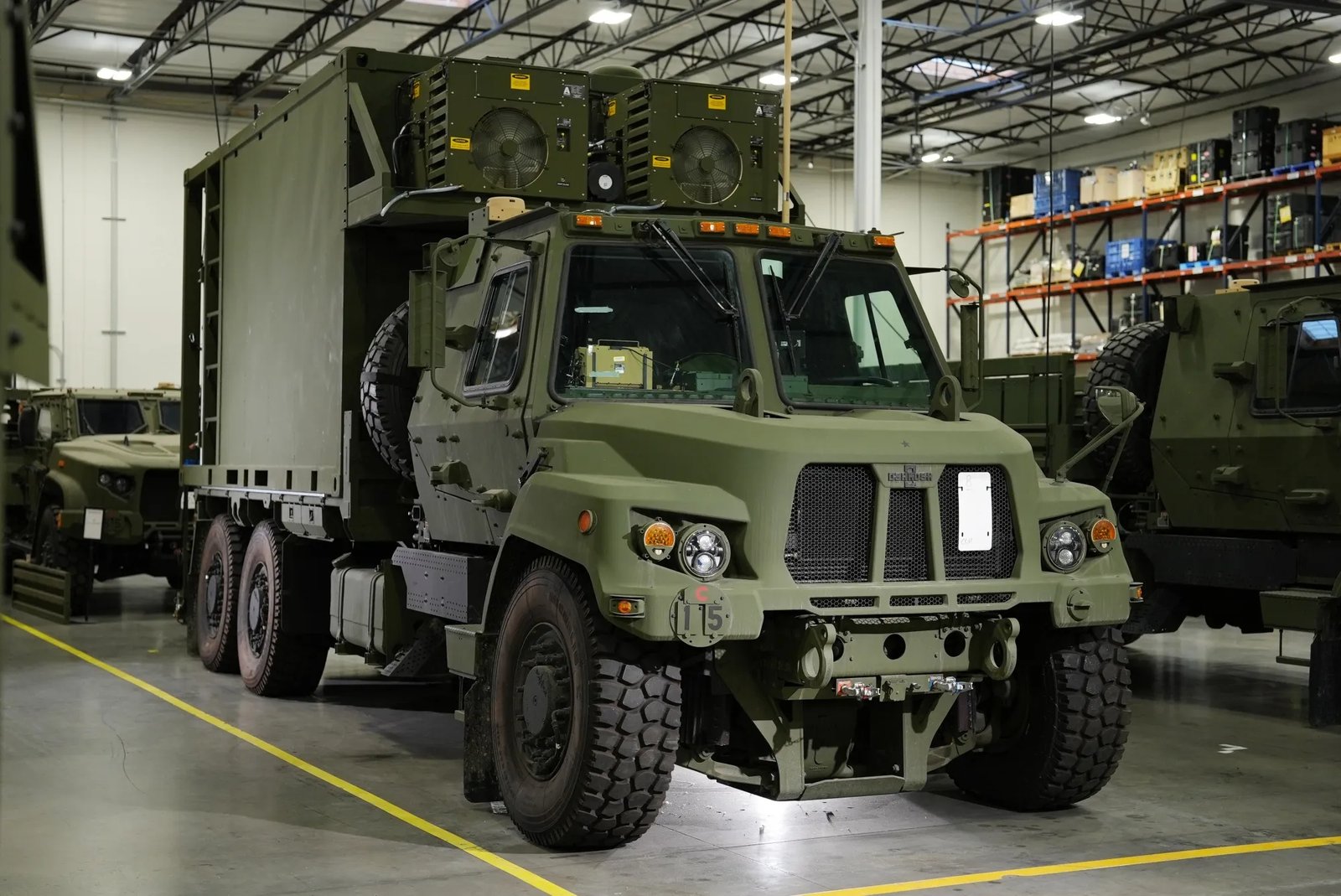
Tactical Intelligence Targeting Access Node — a US Army ground station built on Foundry that pulls space, aerial, and terrestrial sensor data into a deployable targeting workstation.
vehicleby Palantir TechnologiesIntroduced 2024
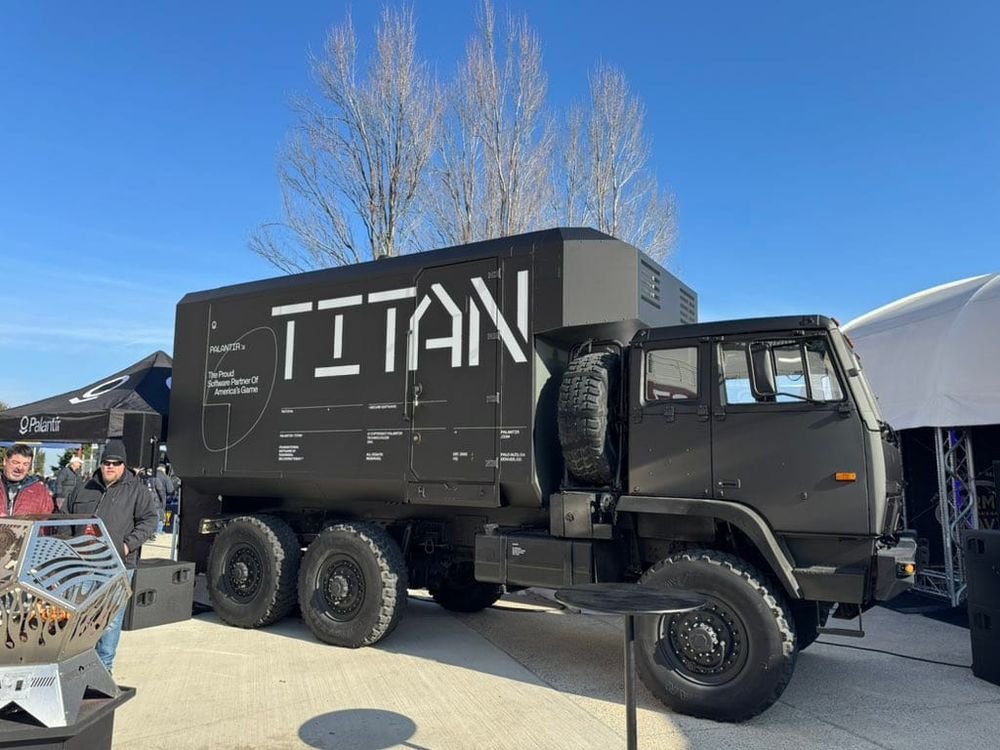
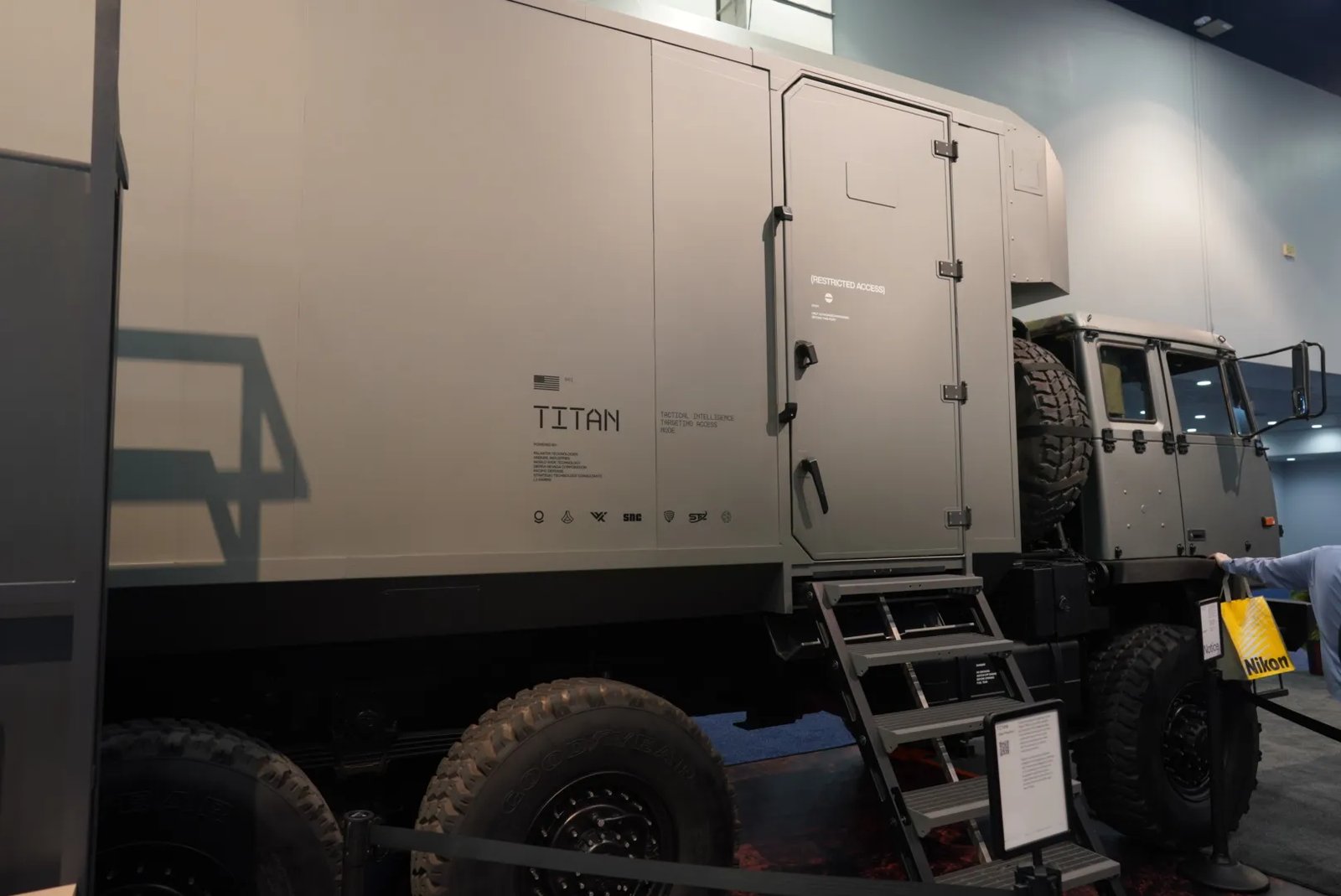
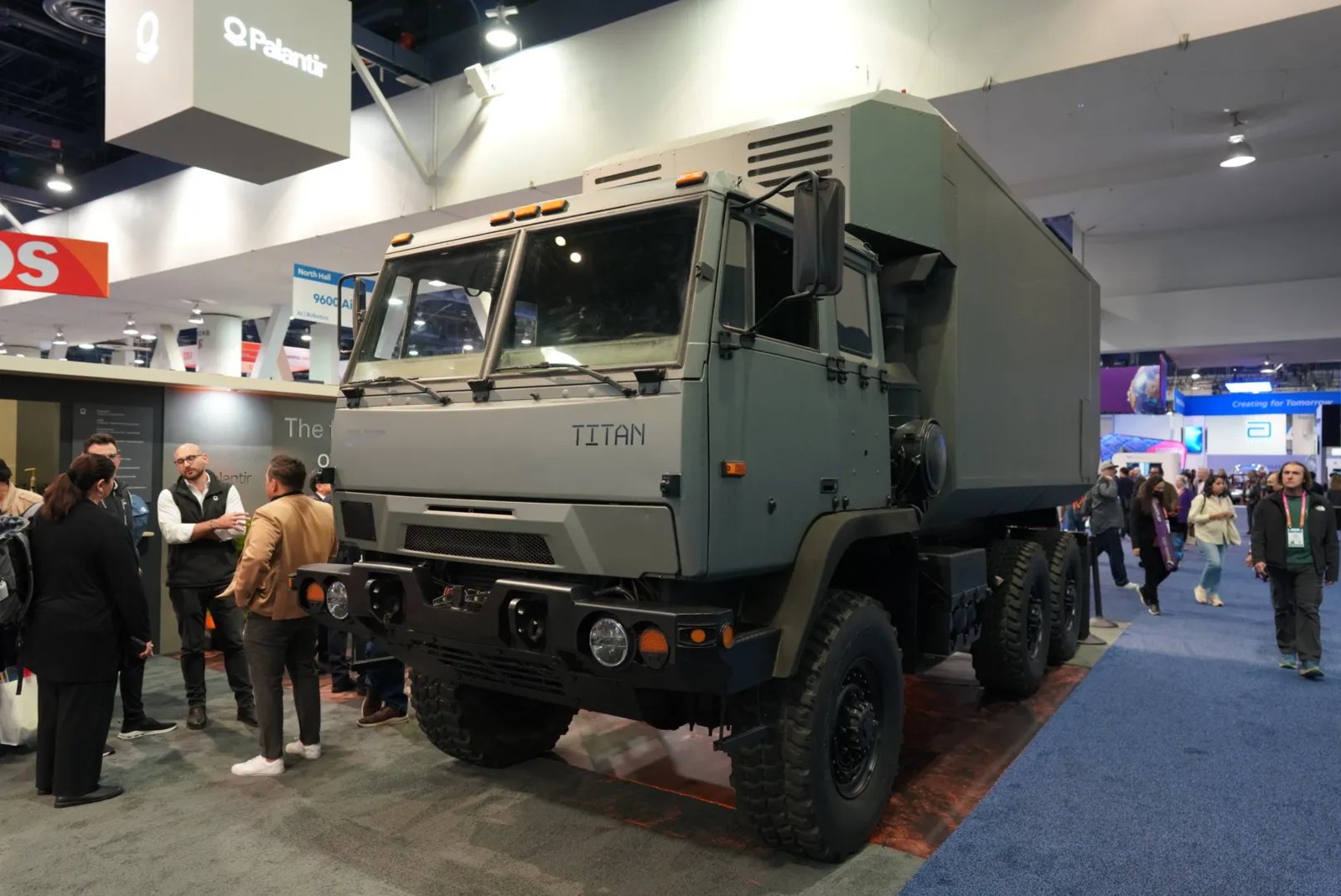
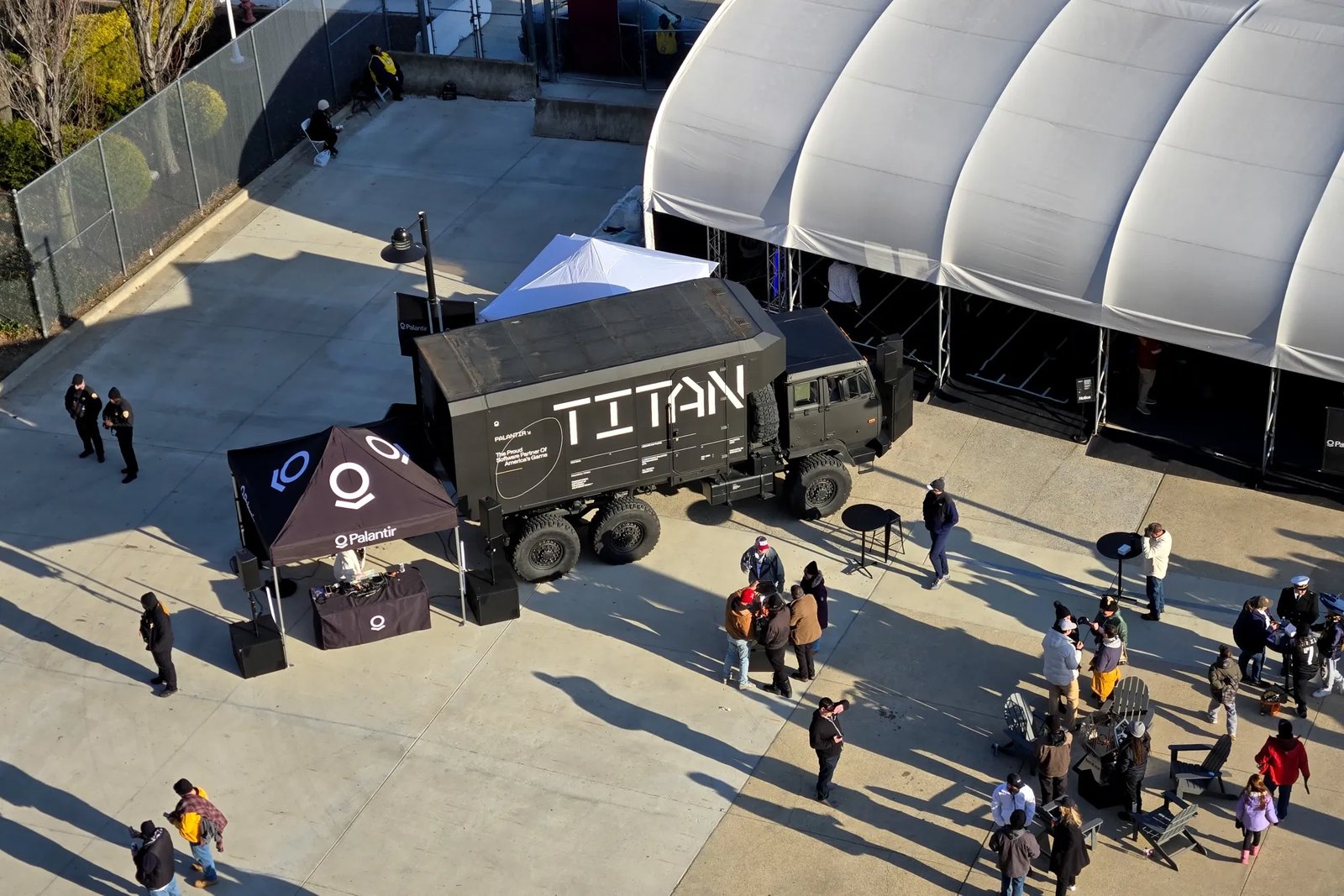
Photos: www.maginative.com · www.the-sun.com · www.bloomberg.com · gagadget.com
TITAN, the Tactical Intelligence Targeting Access Node, is the US Army’s next-generation deployable ground station for sensor fusion and long-range targeting. Built by Palantir Technologies on the company’s Foundry data platform, the system entered its production phase in March 2024 when the Army awarded Palantir a $178.4 million contract for ten prototype vehicles, beating a competing bid from RTX. TITAN gives brigade- and division-level intelligence cells a single workstation that can ingest, correlate, and act on data from space, high-altitude, aerial, and terrestrial sensors.
The system is fielded in two configurations. The Basic variant is built for forward brigade combat teams; the Advanced variant adds direct space-sensor connectivity and serves division and corps headquarters with a heavier processing load. Both run a Foundry-based software stack that ingests feeds from national space assets, high-altitude platforms, tactical UAS imagery, signals intelligence, and ground sensors, then fuses them into a common targeting picture. Machine-learning models perform target detection and nomination, compressing the sensor-to-shooter timeline for long-range precision fires such as the Precision Strike Missile and the Mid-Range Capability. Palantir leads a broad industry team: Anduril, Northrop Grumman, L3Harris, Pacific Defense, Sierra Nevada Corporation, and World Wide Technology contribute hardware, communications, and integration work.
In March 2025 Palantir delivered the first two systems — one Advanced and one Basic — which the company and Army described as on time and on budget, with all ten prototypes due through 2026. The verified early recipient is the 1st Multi-Domain Task Force at Joint Base Lewis-McChord. The Army has signalled interest in a production run on the order of 100 to 150 systems once the prototype phase concludes.
TITAN is the operational expression of the Army’s “deep sensing” line of effort under Army 2030, and is closely watched as a test of whether a software-first vendor can deliver an integrated ground vehicle on schedule against a traditional defence prime. Its pitch is that fusion happens at the workstation, not a distant cloud, so an operator at brigade level can close a kill chain without reaching back to theatre.
Sources
- www.army.mil/article/274301/army_tactical_intelligence_targeting_access_node_titan_ground_station_prototype_award (2026-06-21) — US Army (6 Mar 2024) — $178.4M award, 10 prototypes (5 Advanced + 5 Basic).
- breakingdefense.com/2024/03/palantir-wins-contract-for-army-titan-next-gen-targeting-system/ (2026-06-21) — Breaking Defense (6 Mar 2024) — beat RTX; partners Anduril, Northrop Grumman, L3Harris, Pacific Defense, Sierra Nevada, World Wide Technology.
- www.anduril.com/article/army-selects-anduril-and-palantir-to-deliver-titan/ (2026-06-21) — Anduril (2024) — primary source for Anduril's role on the TITAN team.
- www.defensenews.com/land/2025/03/07/palantir-delivers-first-2-next-gen-targeting-systems-to-army/ (2026-06-21) — Defense News (7 Mar 2025) — first two systems delivered; all 10 by 2026; potential 100-150 unit production.