Tempest
Sixth-generation stealth fighter under the UK-led Global Combat Air Programme, designed to operate alongside autonomous loyal-wingman drones.
Aircraftby BAE SystemsIntroduced 2035
Photos: www.twz.com · frame.bistumsjubilaeum2005.de · simpleflying.com · zenoot.com · ar.inspiredpencil.com
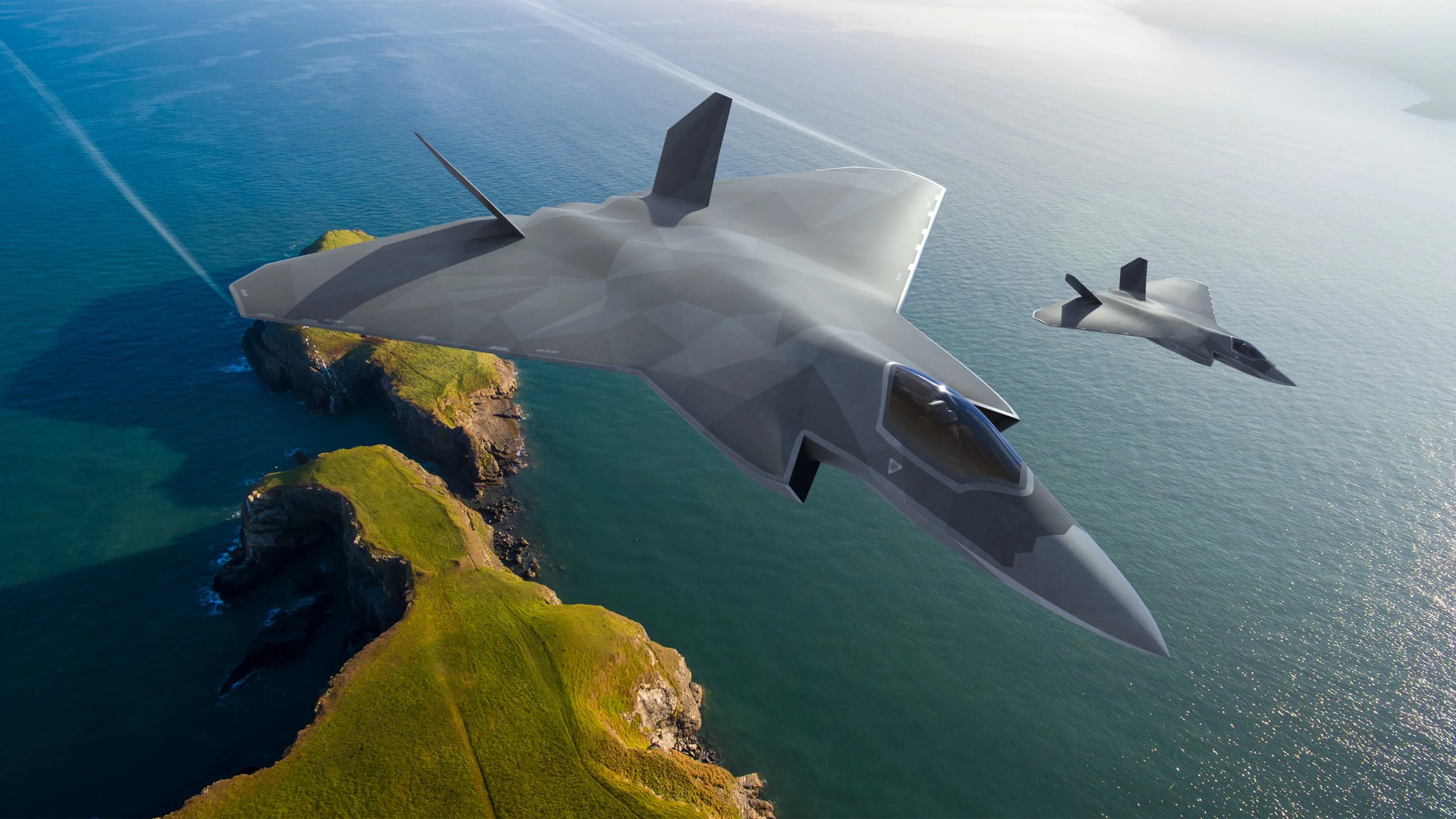
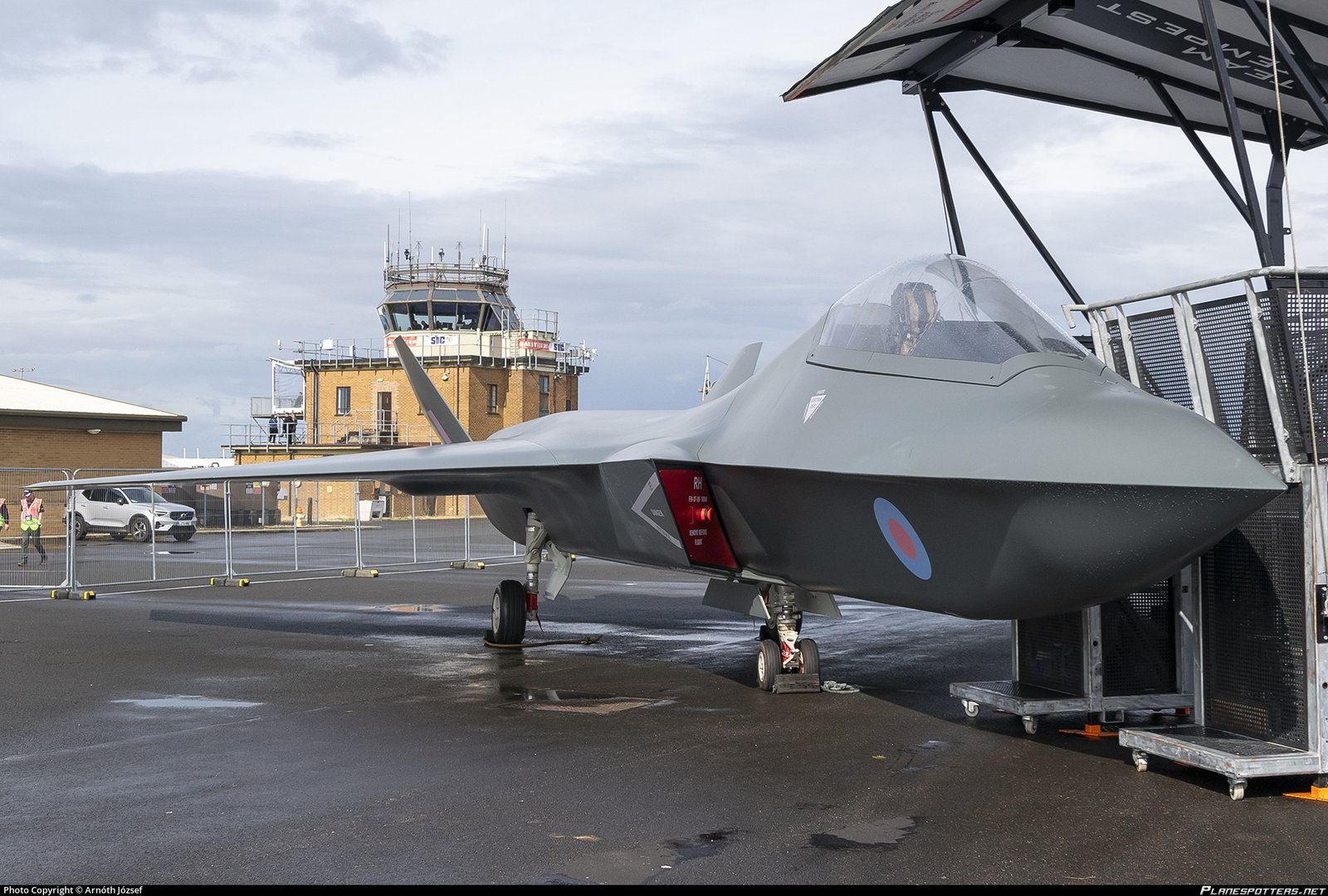
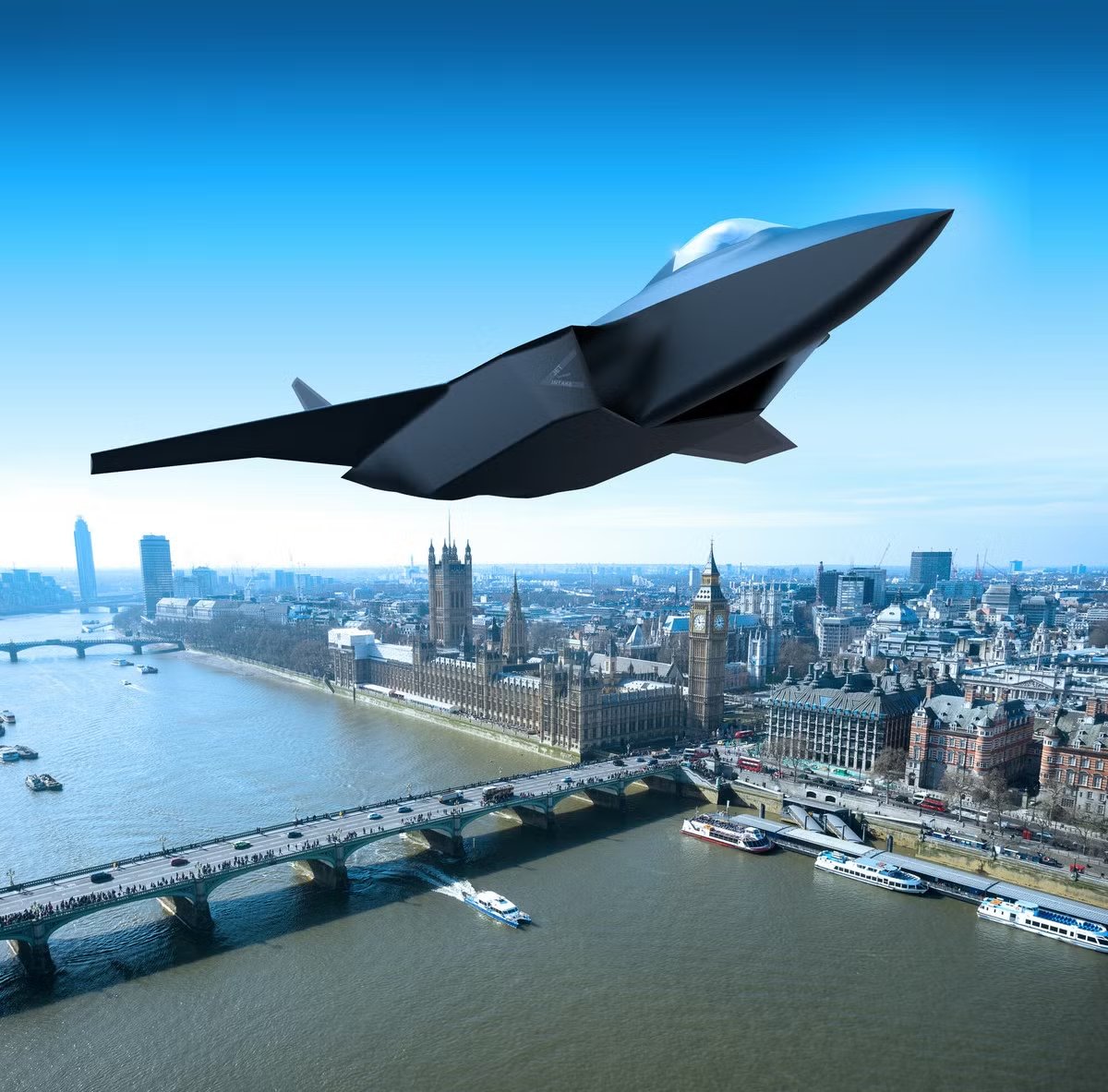
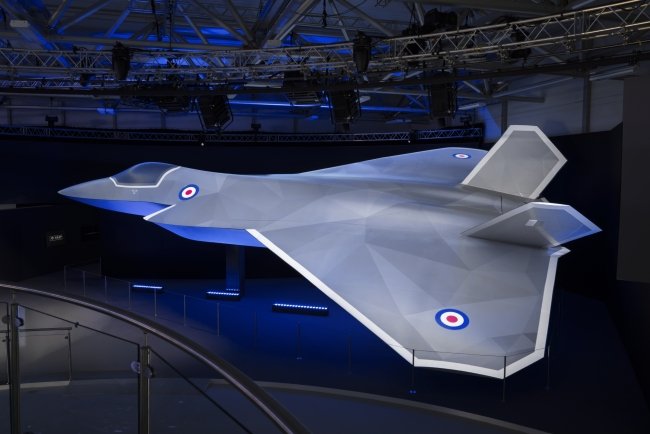
Tempest is a sixth-generation crewed combat aircraft being developed under the Global Combat Air Programme, the trilateral effort that brought together the United Kingdom, Italy and Japan in late 2022. The lead industrial team is built around BAE Systems in the UK, Leonardo in Italy and a Japanese consortium led by Mitsubishi Heavy Industries, with Rolls-Royce, MBDA and IHI providing propulsion and effects. The programme replaces the Royal Air Force’s Typhoon and Japan’s F-2 fleets, with an in-service date targeted for 2035. A flying technology demonstrator, built largely in Warton, took to the air in 2027 as the first crewed combat aircraft designed and flown in Britain in roughly four decades.
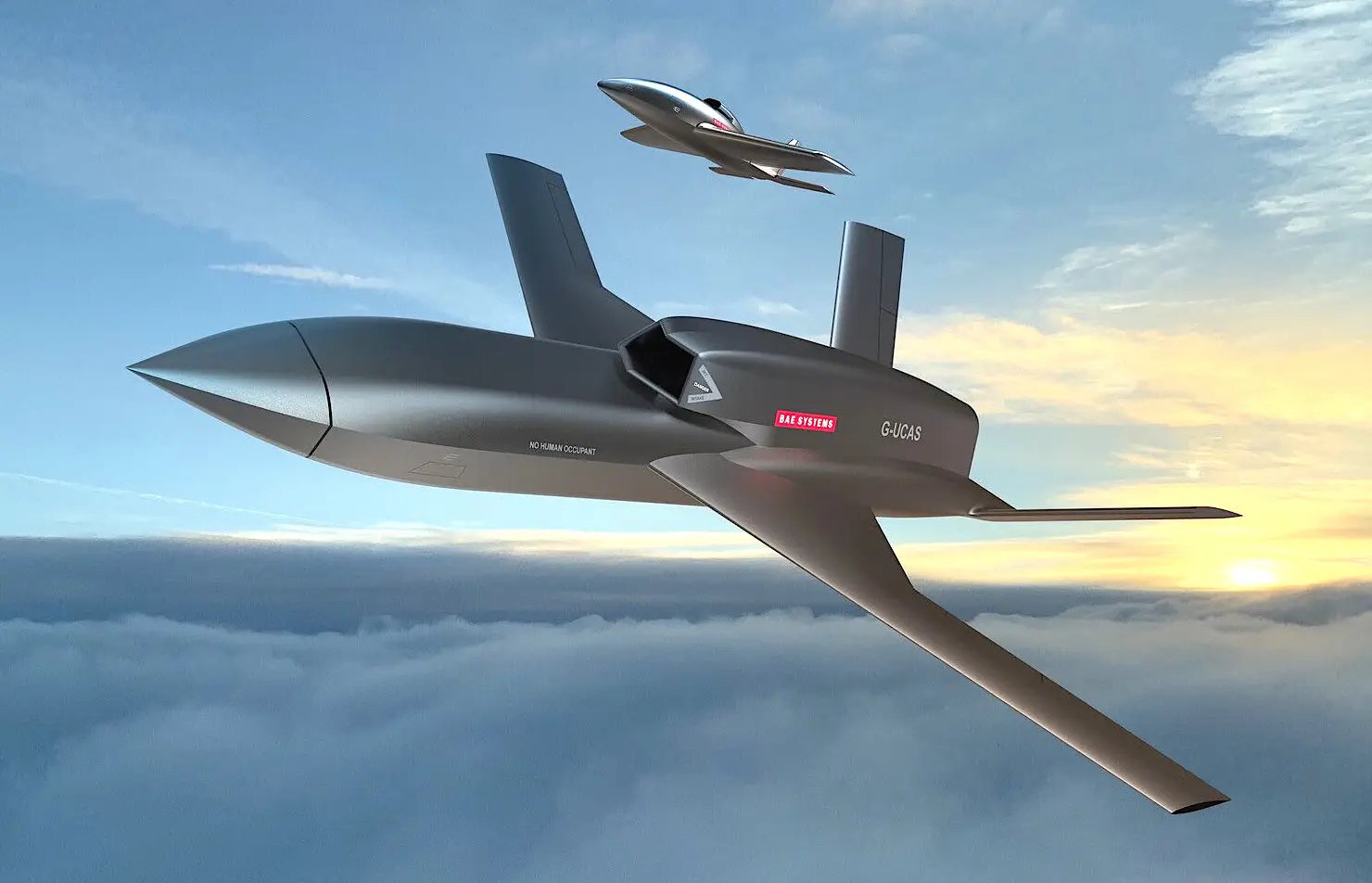
The airframe is a low-observable twin-engine delta with internal weapons carriage, sized for long range and high payload over the Indo-Pacific and the European theatre alike. What distinguishes Tempest from earlier fighters is the degree to which autonomy is treated as a core sensor and effect rather than an afterthought. The cockpit uses a wearable cockpit display projected into the pilot’s helmet, with on-board AI handling sensor fusion, electronic warfare and weapon cueing across radar, infrared search-and-track and a distributed-aperture system. A new Rolls-Royce / IHI / Avio Aero adaptive-cycle engine drives an integrated power and thermal management system designed to feed directed-energy and high-power radar payloads. The aircraft is built from the start to fly with autonomous wingmen — the RAF’s adjacent Project Mosquito having seeded much of the loyal-wingman work that BAE’s Falconworks division has carried into GCAP through the StormShroud uncrewed adjuncts already in RAF service.
The three partner air forces have committed to fielding the aircraft from 2035, and the programme office, GIGO, is headquartered in Reading with the joint industrial venture Edgewing as prime. The UK has so far committed roughly £12 billion through the demonstrator phase, Italy about €8.8 billion across its parliamentary tranches, and Japan has folded GCAP into the substantial defence-budget increase announced under its 2022 National Security Strategy. Saudi Arabia has lobbied openly to join as a fourth partner; the UK has been receptive while Japan has so far resisted any expansion of the core trilateral.
Tempest sits in the same generational bracket as the United States’ Next Generation Air Dominance F-47 and the Franco-German-Spanish FCAS / SCAF, and against China’s J-36 and J-50 prototypes already in flight test. Its distinguishing bet is the manned-unmanned team: a single crewed node controlling a pack of attritable autonomous aircraft, fed by an open-systems software backbone meant to absorb new sensors, weapons and AI models faster than the airframe itself will be replaced.