Taranis
Stealth autonomous UCAV demonstrator with intercontinental range — BAE's proof of concept for fully autonomous combat air operations.
Droneby BAE SystemsIntroduced 2013
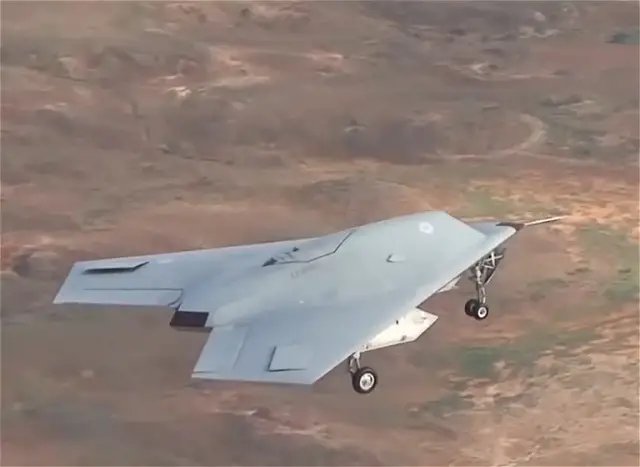
Photos: qaqooking.wiki · www.myconfinedspace.com · www.militaryfactory.com · www.lima.com.my
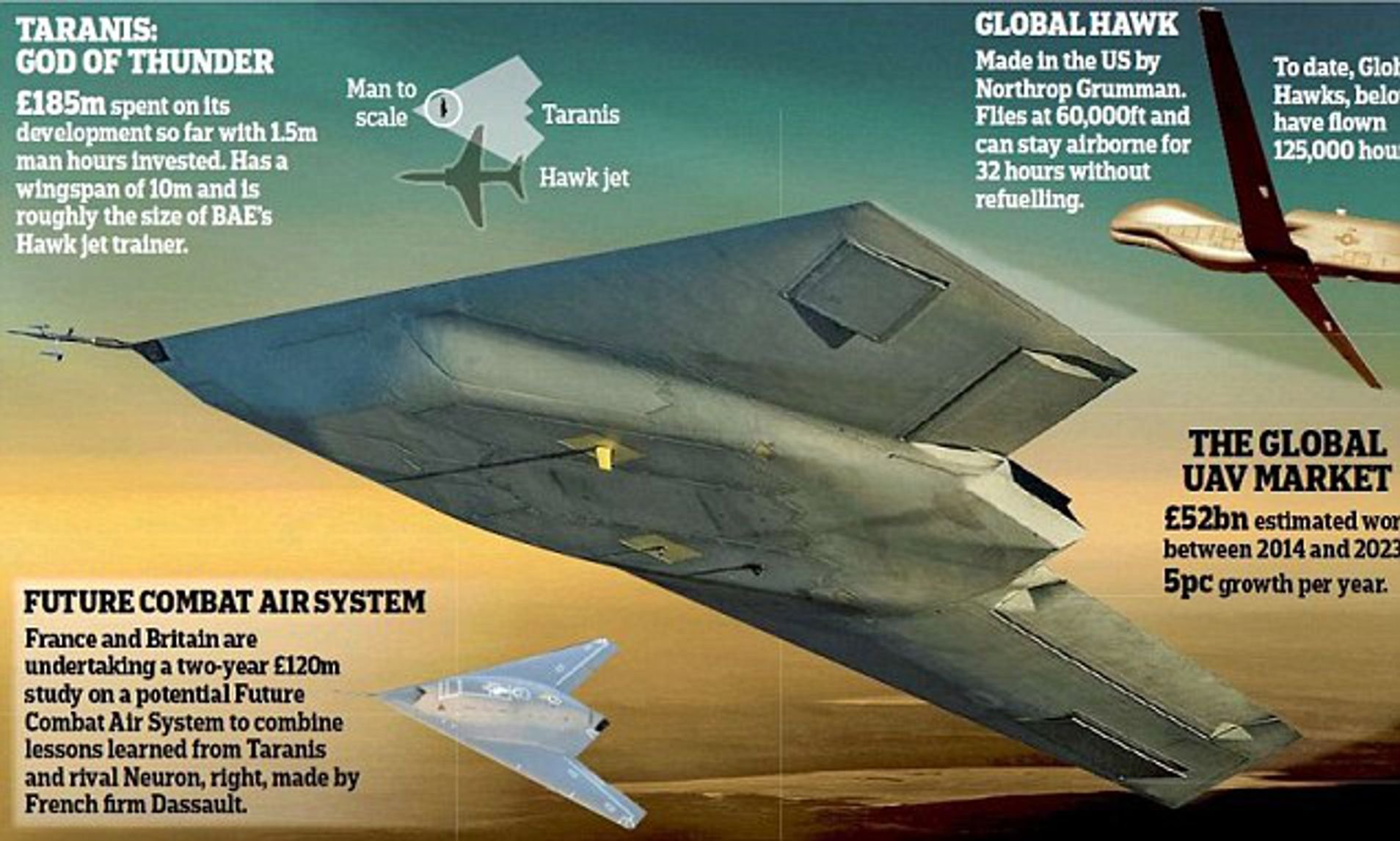
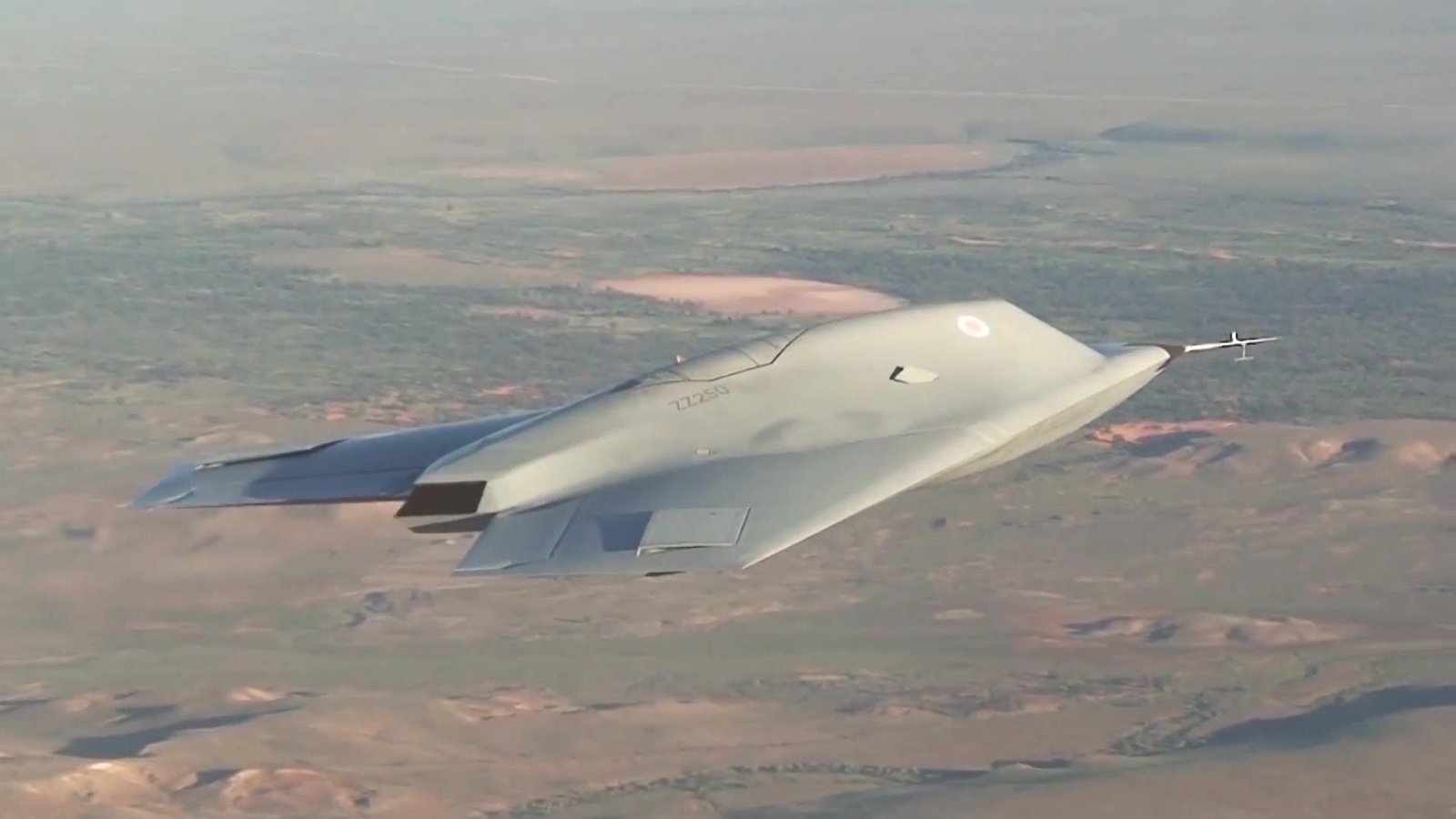
Taranis is a stealth unmanned combat air vehicle demonstrator built by BAE Systems for the UK Ministry of Defence, named after the Celtic god of thunder. The aircraft first flew in August 2013 from the Woomera test range in South Australia, the result of a roughly £185 million programme jointly funded by the MoD and a consortium of British industry that included Rolls-Royce, GE Aviation Systems, and QinetiQ. It was never conceived as a production system. Taranis was a technology demonstrator, intended to prove that an autonomous, stealthy, deep-strike platform could be designed, built, and flown end-to-end in the United Kingdom.
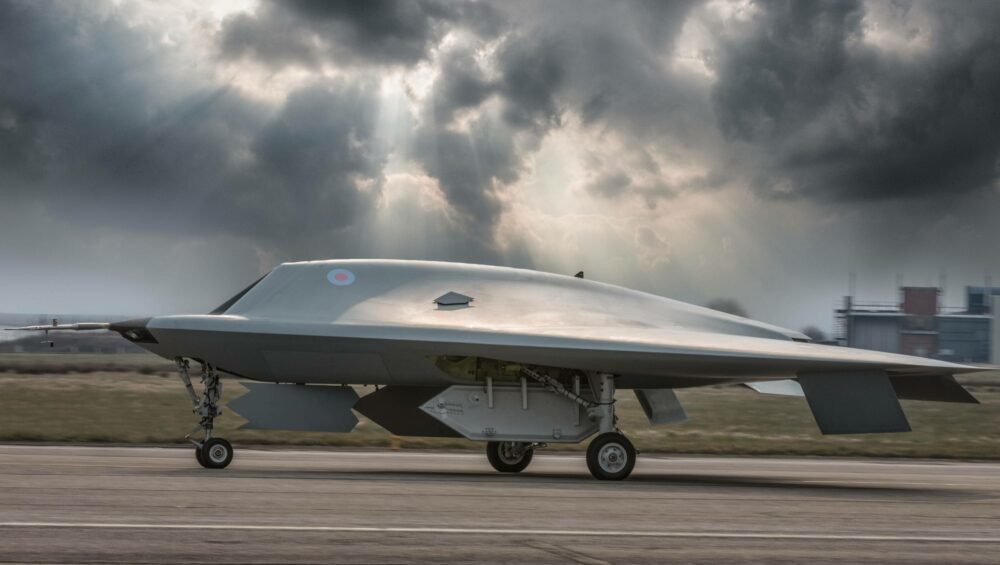
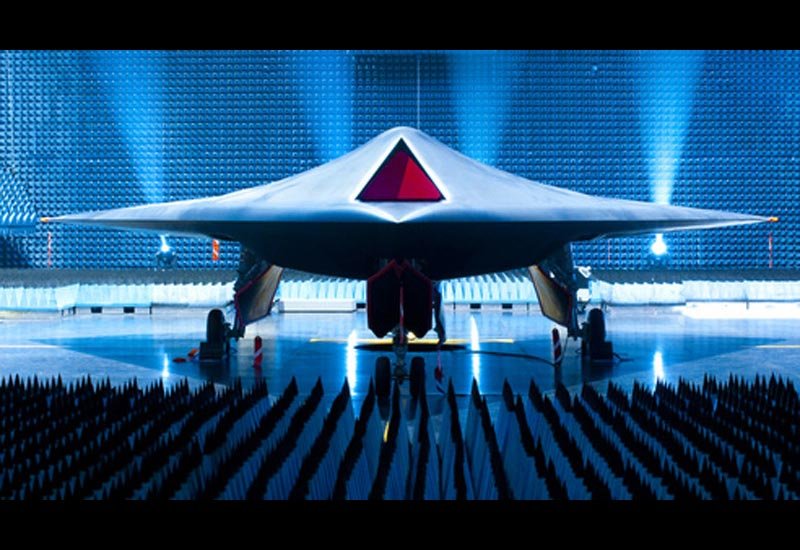
The airframe is a tailless flying wing roughly the size of a BAE Hawk trainer, powered by a single Rolls-Royce Adour turbofan and shaped for a low radar cross-section. Weapons are carried in internal bays to preserve the stealth profile. The autonomy stack was the real point of the exercise: Taranis was built to test mission management software capable of taking off, transiting to a target area, identifying threats, and returning home with limited operator intervention. Successive flight phases between 2013 and 2015 progressively widened the envelope, from basic handling to simulated weapon release and validation of the low-observable signature.
The United Kingdom is the sole operator, and a single airframe was ever flown. The Ministry of Defence has not released the full results of the trials, much of which remain classified, though BAE and the department have publicly said the system met or exceeded its objectives. No Taranis was ever fielded operationally, and none of the demonstrator hardware was converted into a combat platform.
What Taranis did produce was a body of work that fed directly into follow-on programmes. The British and French governments cited Taranis and Dassault’s nEUROn as the joint baseline for the Future Combat Air System study launched in the mid-2010s, and the autonomy and low-observable lessons from the programme flowed into BAE’s work on the Tempest sixth-generation fighter — now the trilateral Global Combat Air Programme with Italy and Japan — and into the loyal-wingman concepts the UK has explored since, including the now-cancelled Project Mosquito and the broader Lightweight Affordable Novel Combat Aircraft effort that replaced it.
Taranis remains the most visible British contribution to a generation of European stealth UCAV demonstrators that also included nEUROn and the German-led Barracuda. None reached operational service, but each shaped the assumptions about autonomy, signature, and survivability that are now being built into the next decade of combat aviation in Europe.