Switchblade 300
Backpackable tube-launched loitering munition with on-board electro-optical guidance for anti-personnel strikes.
Missile / loitering munitionby AeroVironmentIntroduced 2012
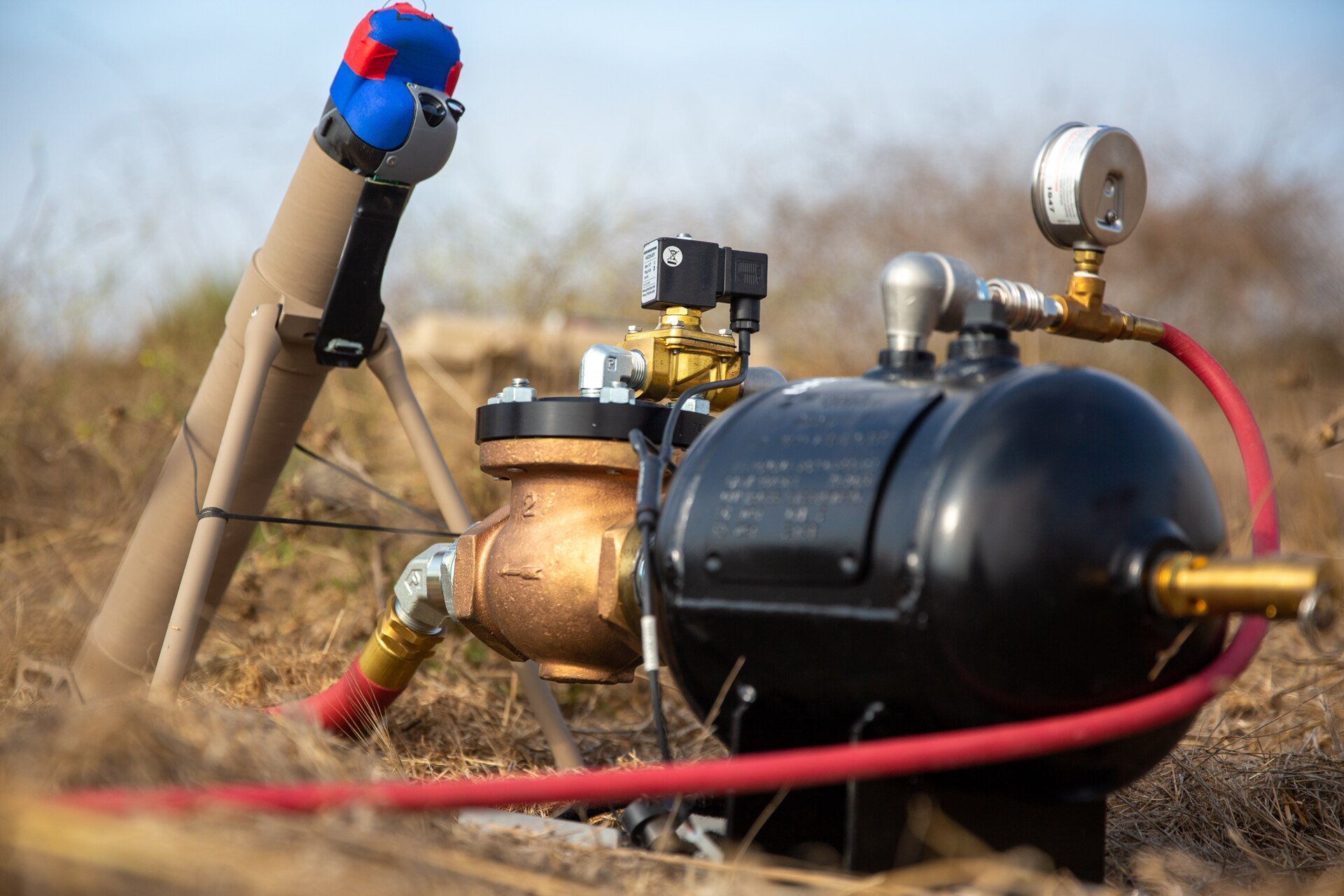
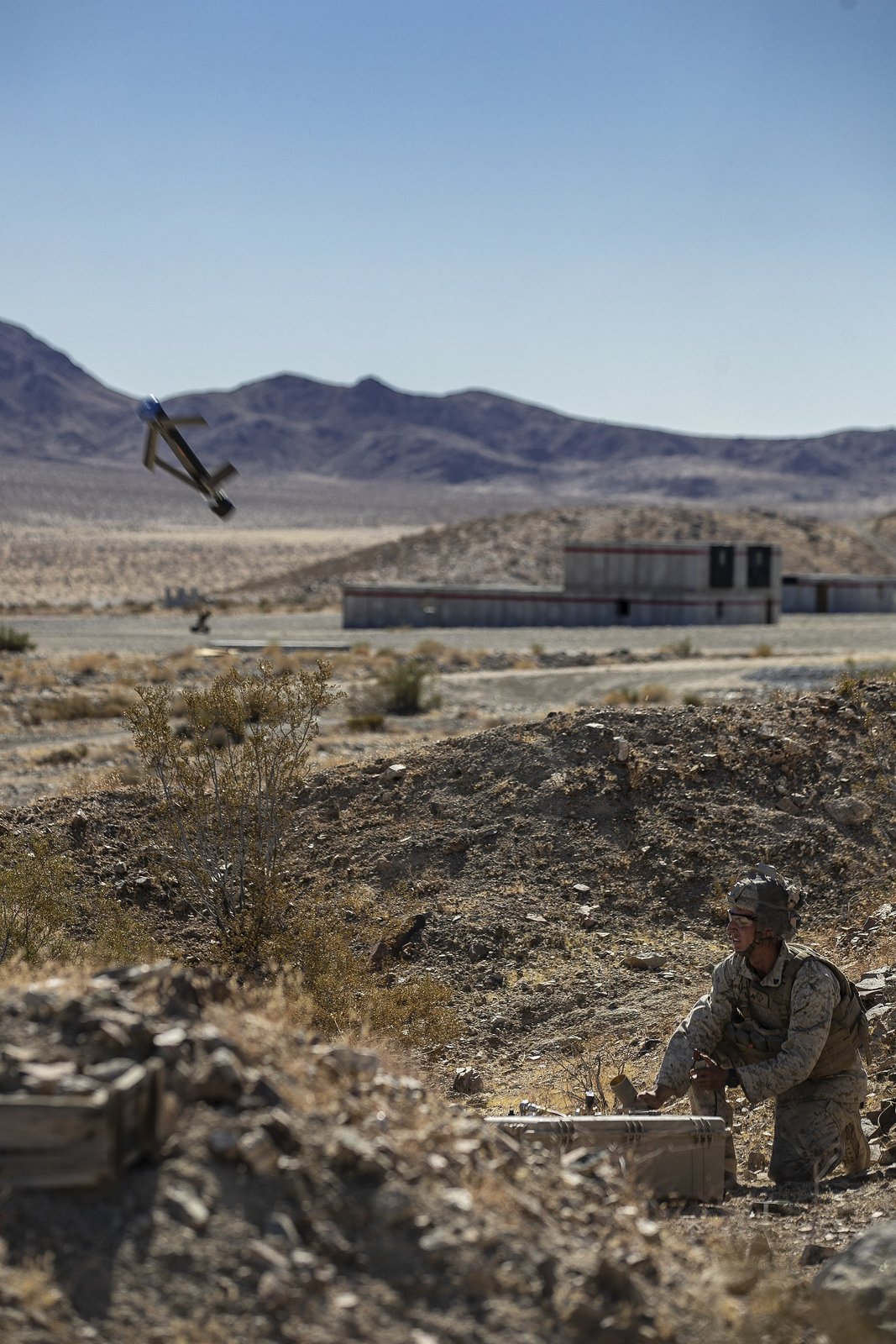


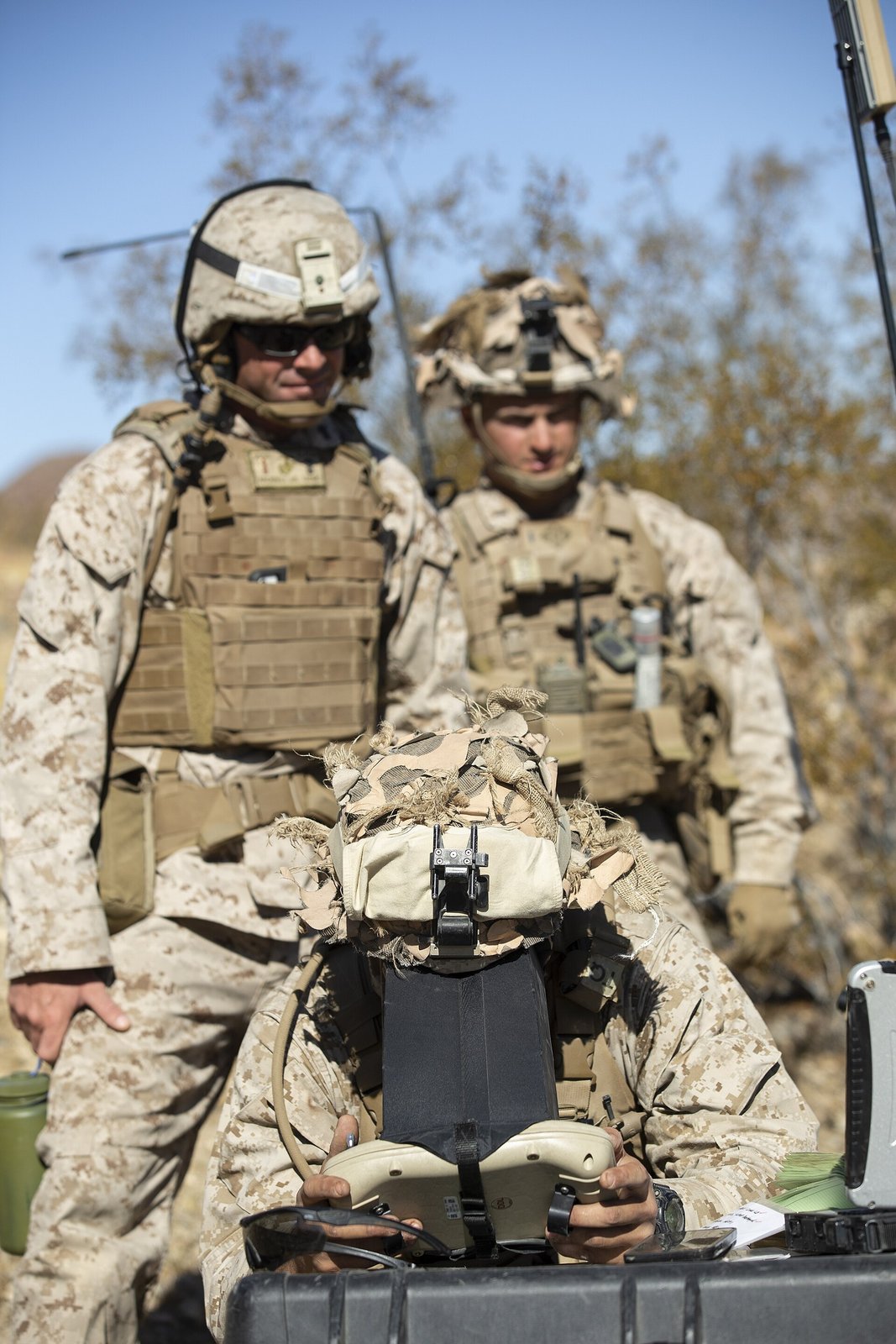
Photos: U.S. Marine Corps/Lance Cpl. Tyler Forti · U.S. Marine Corps/Cpl. Timothy J. Lutz · AeroVironment
the Switchblade 300 is a tube-launched loitering munition built by AeroVironment for soldier-portable precision strike. Introduced into US service around 2012 under the Army’s Lethal Miniature Aerial Munition System programme, it weighs roughly 2.5 kilograms in its launch tube and is meant to be carried in an infantry rucksack. A two-person team can set it up and have it in the air within minutes. With about ten kilometres of range and fifteen minutes of endurance, the system fills the awkward gap between a hand grenade and a Hellfire — a one-way attack drone for the squad rather than the brigade.
Once ejected from its tube by a small charge, the Switchblade unfolds wings and a tail, kicks over to an electric pusher motor, and climbs to its loiter altitude almost silently. The operator flies it from a small ruggedised tablet, watching a live feed from the nose-mounted electro-optical and infrared camera. Target designation is manual, with onboard image stabilisation and a laser-marker overlay; AeroVironment has progressively added autonomy features that let the munition track a moving target through the terminal dive even if the data link drops. A distinctive feature is the wave-off command — the operator can abort an attack within seconds of impact and re-loiter, a capability that matters for built-up areas and friendly-fire risk. The warhead is a small fragmentation charge tuned for personnel and light vehicles rather than armour; for armour, AeroVironment offers the larger Switchblade 600.
The United States is the dominant operator, with the Army, Marine Corps and special-operations forces all fielding the system. The largest combat use to date has been in Ukraine: from March 2022 onward the US shipped successive tranches of Switchblade 300s as part of presidential drawdown packages, with hundreds delivered alongside the heavier Switchblade 600. Ukrainian units have used them against trench positions, mortar teams and light vehicles, and the platform’s strengths and limitations against electronic warfare have been studied closely as a result. The United Kingdom, France and Lithuania have all bought small quantities, mostly for special-forces use, and AeroVironment has signed framework deals with several other NATO members as European militaries scramble to acquire loitering munitions of their own.
Development has not stood still. The Block 10C variant introduced an improved data link and longer endurance, and more recent Block 20 work has extended range and reliability further while keeping the same launch tube footprint. AeroVironment has also been integrating the system with multi-pack launchers mounted on small ground vehicles, turning the squad weapon into a battery-level salvo capability.
In its category the Switchblade 300 sits alongside Polish Warmate and Israeli Hero-30 / Rotem-class munitions, and increasingly against a wave of cheaper Ukrainian-made first-person-view drones that perform a similar mission for a fraction of the price. What keeps the Switchblade in service is the combination of integration with US fire-support workflows, a mature production line, and the operational record of a system that has been in the field for more than a decade.