Skynode X
Higher-compute Skynode variant for ISR and multi-payload drones requiring richer onboard AI processing.
Hardwareby AuterionIntroduced 2023
Photos: dronedj.com · auterion.com · www.commercialuavnews.com
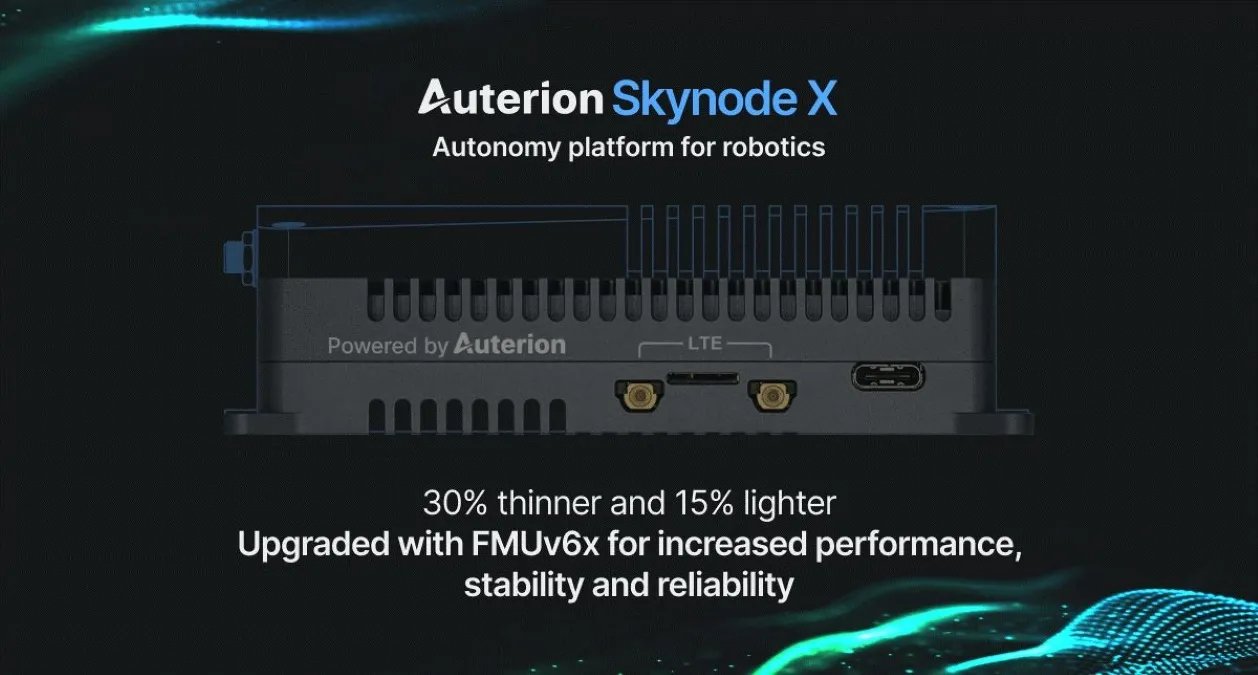
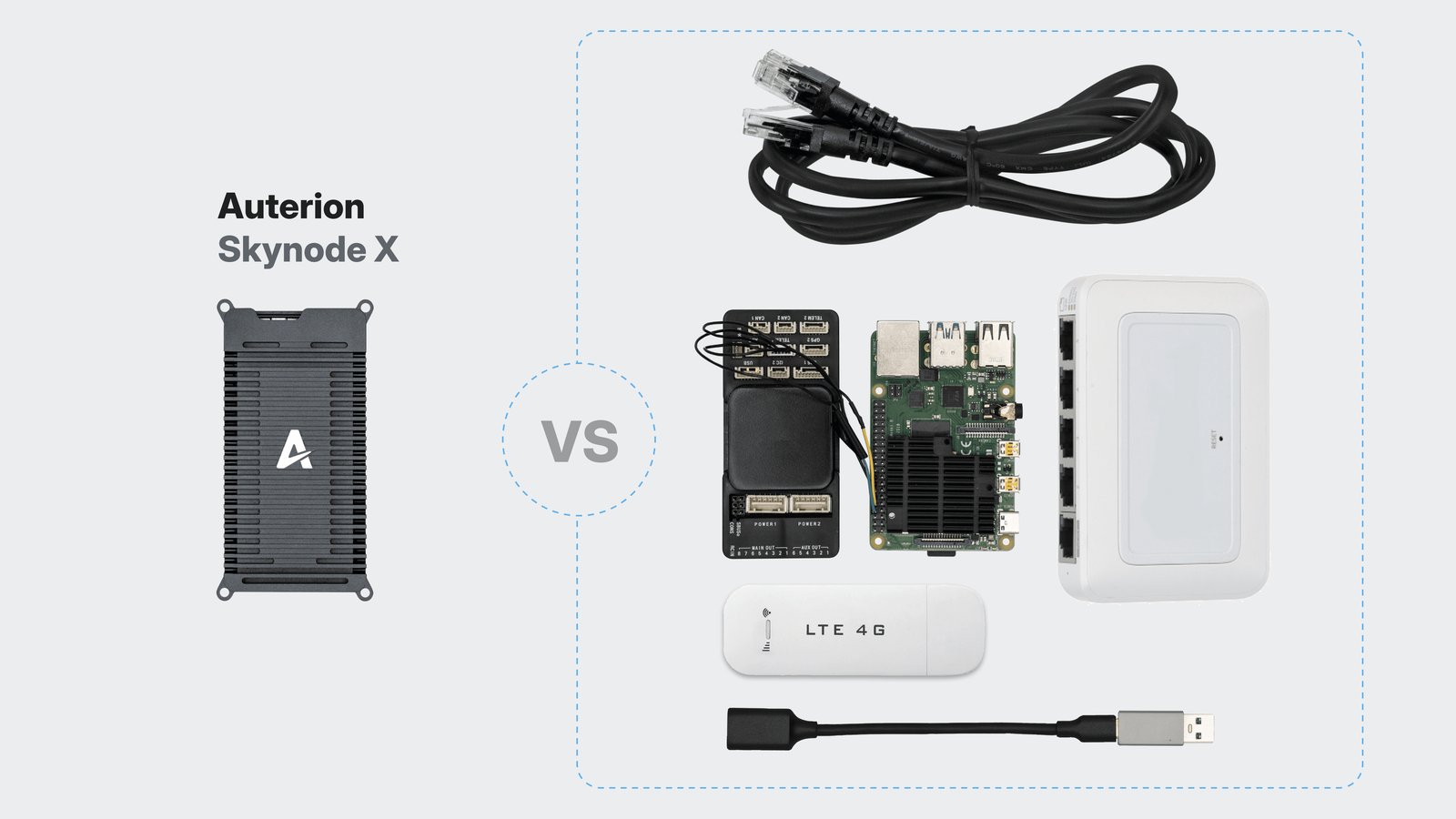
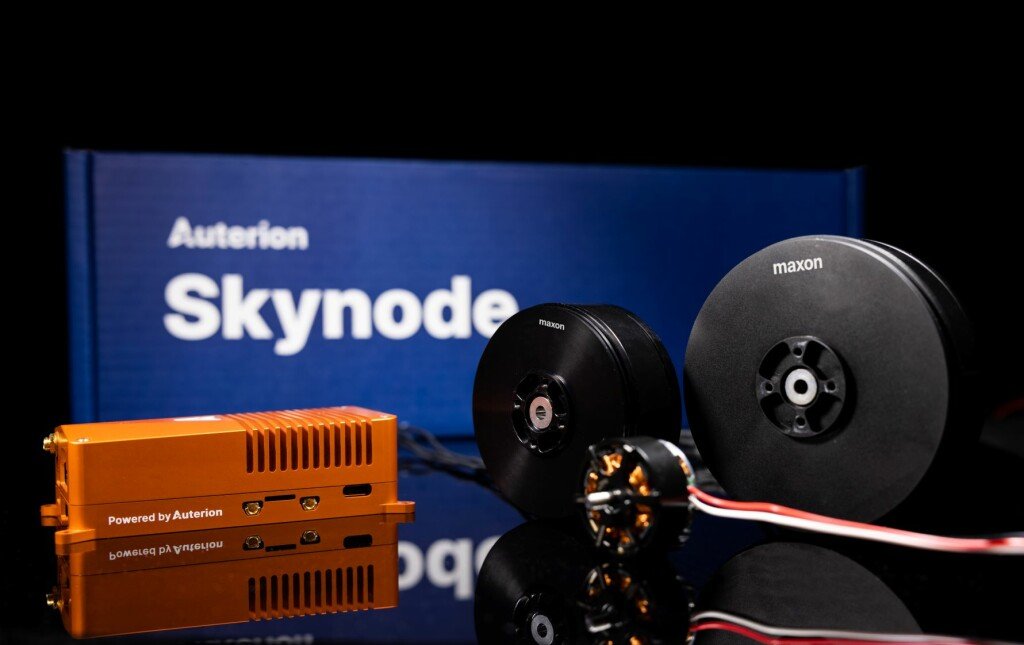
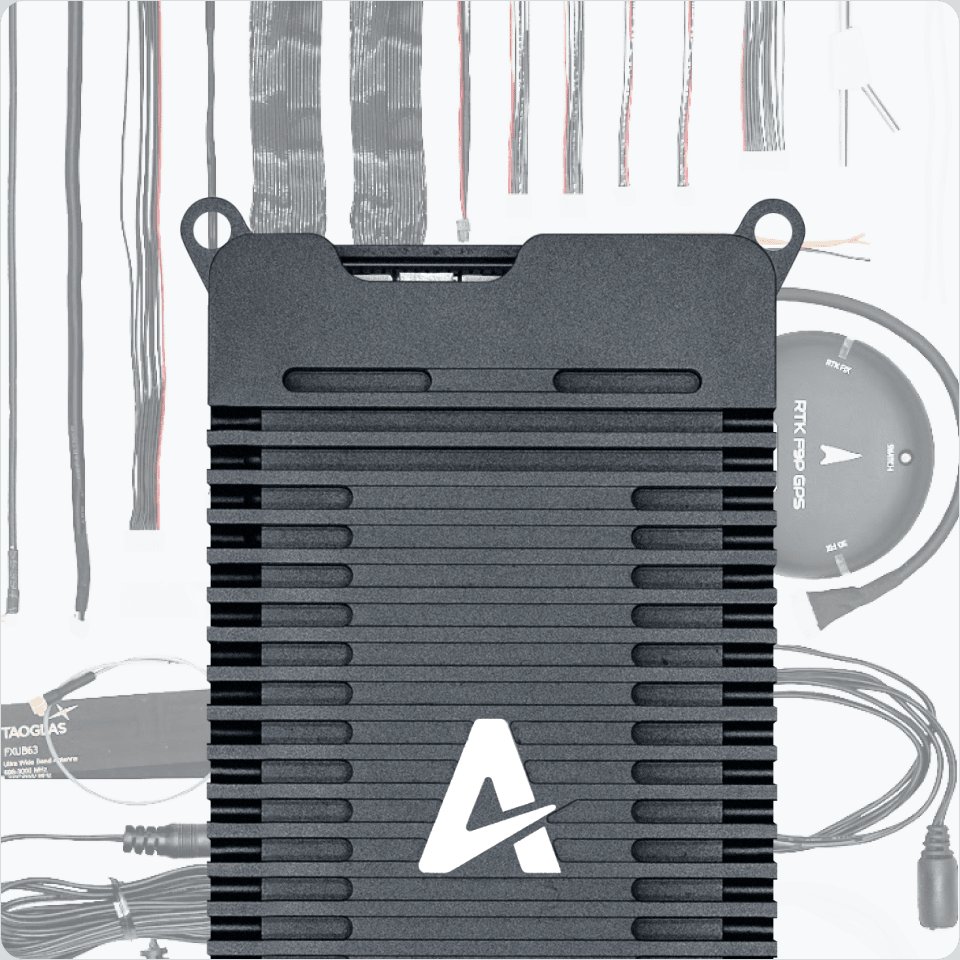
Skynode X is the higher-compute member of Auterion’s Skynode family, a flight control and autonomy module aimed at intelligence, surveillance, and reconnaissance drones that need to run heavier perception workloads on the airframe itself. The Swiss-American firm announced the variant in 2023 as a step up from the smaller Skynode S, which targets one-way attack and loitering munitions; X sits in larger platforms where there is room — and a budget — for richer onboard computer vision, sensor fusion, and target handling logic.
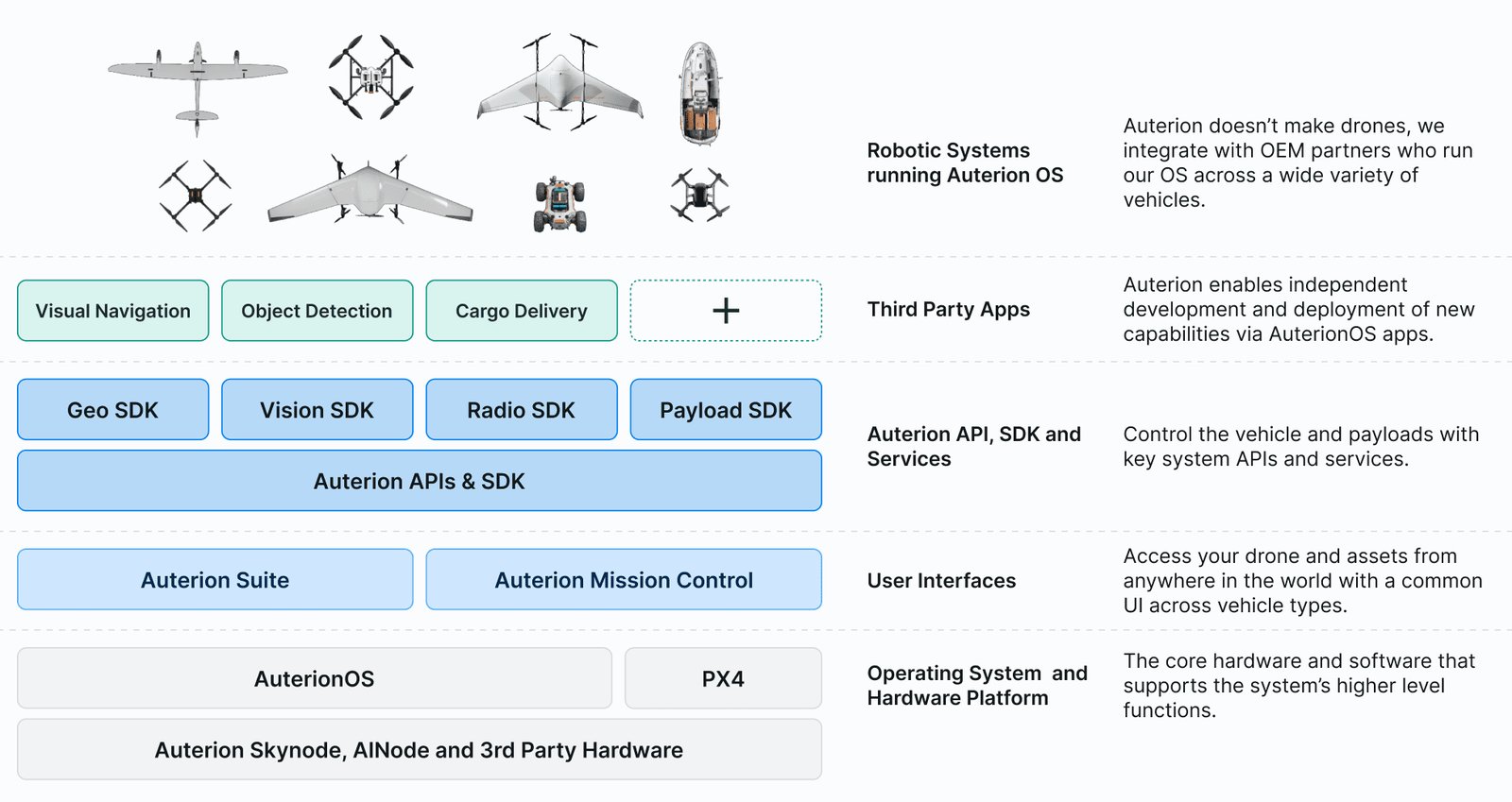
At the heart of the unit is a multi-core system-on-chip paired with a neural processing unit, giving operators enough headroom to run object detection, tracking, and classification models without round-tripping video to a ground station. The module is built to integrate with multiple sensor payloads — EO/IR cameras, lidar, signals receivers — and runs AuterionOS, the company’s PX4-derived flight stack. That same stack underpins Auterion’s Nemyx swarm autonomy software, allowing Skynode X-equipped aircraft to operate as part of coordinated formations rather than as individually piloted vehicles.
Auterion’s published customer base centres on the United States. The Department of Defense has been the most visible buyer of the company’s avionics, and Auterion has been named among the suppliers feeding the Pentagon’s Replicator initiative, which is procuring large numbers of attritable autonomous systems for the Indo-Pacific. Skynode X has not been declared combat-tested in any public release. Auterion’s wider stack is, however, in service in Ukraine on Western-supplied drones from partners such as Quantum-Systems, and the company has drawn on those deployments to refine the autonomy software that runs across both Skynode variants.
Auterion positions the Skynode line as an attempt to do for drones what Android did for handsets — a common hardware-and-software substrate that airframe makers can drop in instead of writing autonomy from scratch. Skynode X is the variant of that bet aimed at the upper end of the small unmanned market, where richer perception and multi-sensor handling demand more silicon than the company’s lighter modules can carry.