Shablya M2
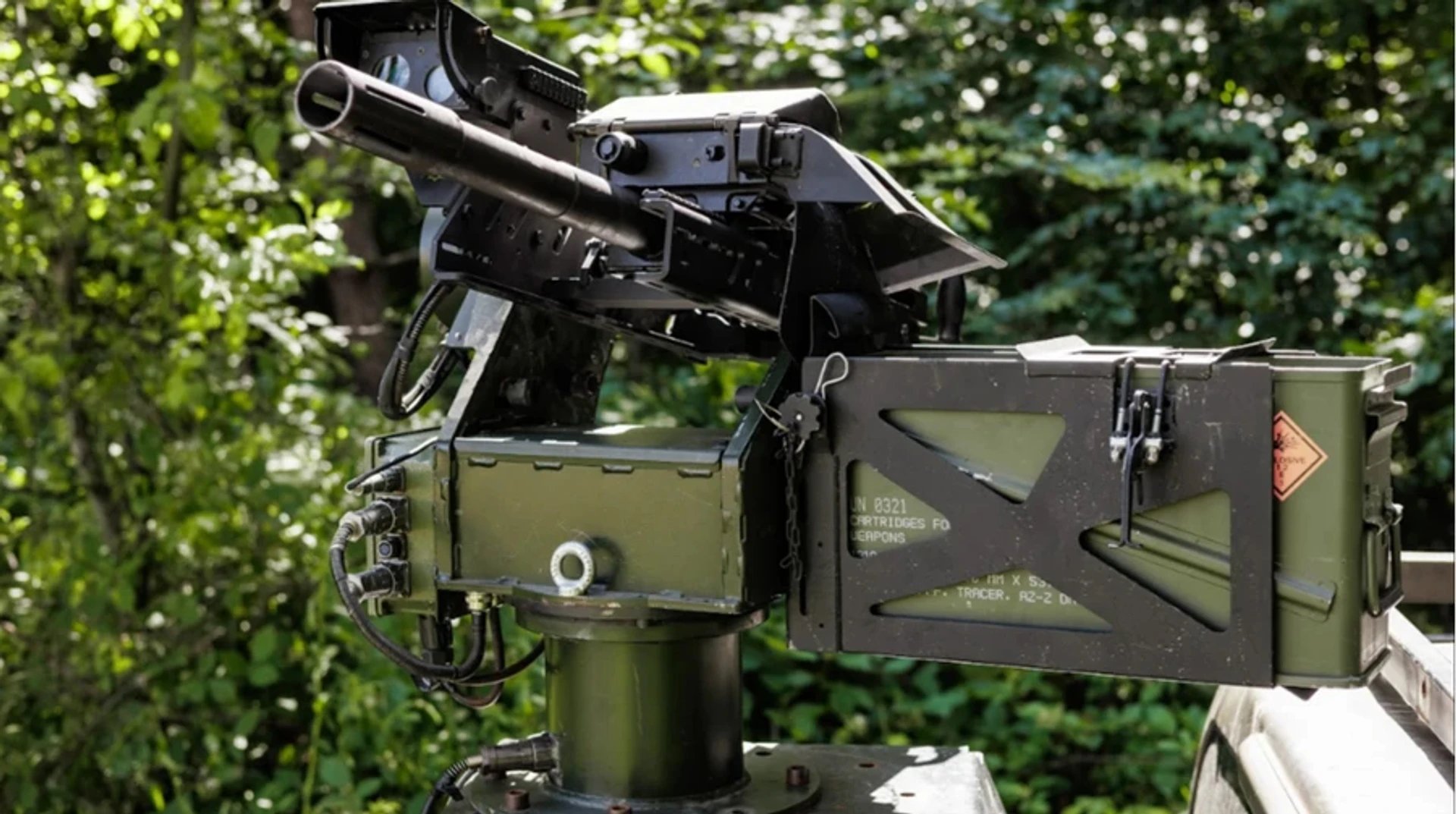
Lightweight remote weapon module designed for mounting on ground robotic platforms and stationary positions.
systemby RoboneersIntroduced 2022
Photos: oboronka.mezha.ua · Roboneers · www.armyrecognition.com
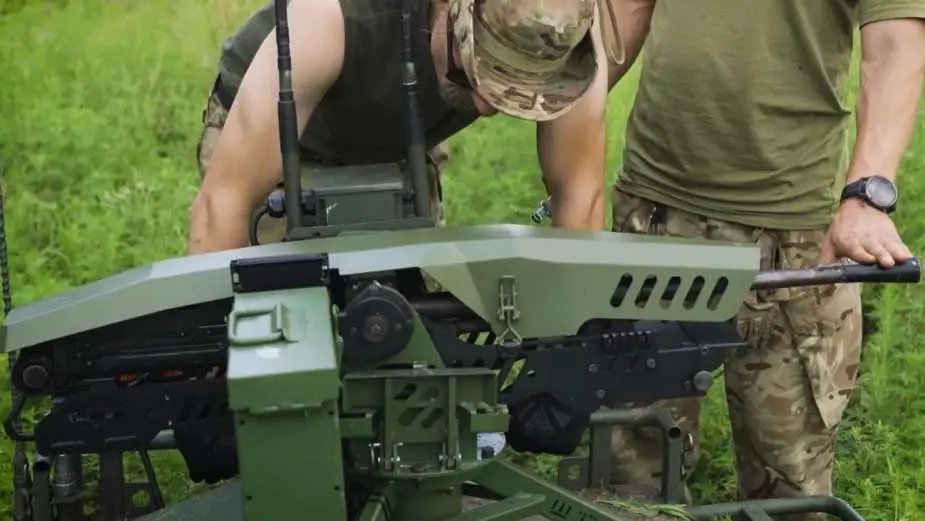
The Shablya M2 is a remote weapon module produced by Roboneers, a Ukrainian firm that has emerged as one of the country’s principal suppliers of remote-controlled fire systems since Russia’s full-scale invasion in February 2022. Designed for mounting on uncrewed ground vehicles, light vehicles, and fixed defensive positions, the module accepts standard Soviet-pattern PKM and PKT 7.62×54mmR machine guns — weapons already abundant in Ukrainian arsenals and donor stocks. Fielding began in 2022 as Ukrainian units sought ways to keep gunners off the parapet and out of the path of FPV drones, mortar fire, and counter-battery work.
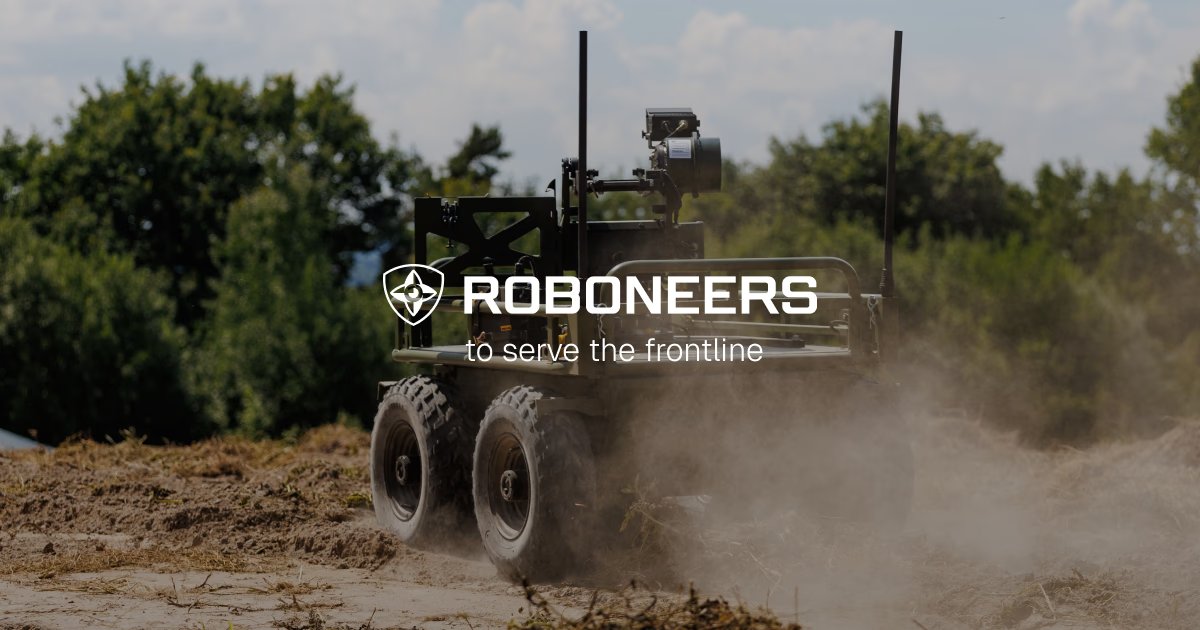
At its core the Shablya M2 is a powered cradle with electrically driven elevation and traverse, slaved to a daylight camera and operator console linked by cable to a remote position. The operator aims through the video feed and fires the host machine gun via an electromechanical trigger; reticle, range markings, and battery state are overlaid on the screen. Roboneers has kept the module deliberately lightweight — substantially lighter than the company’s larger Sabre RCWS — so it can ride atop small tracked unmanned ground vehicles or be carried up to a rooftop or trench position by a two-person team. Successive iterations have added thermal sights and improved tracking electronics, with stabilisation and interface tweaks driven by front-line feedback.
In service the Shablya has appeared in widely circulated footage from the Bakhmut, Avdiivka, and Kupyansk axes, mounted on Ukrainian-built UGVs ferrying ammunition, evacuating wounded, and providing static fire support along contested treelines. Volunteer foundations, including Come Back Alive and the Serhiy Prytula Charity Foundation, have funded batches for delivery to front-line brigades, and the Ukrainian Ministry of Defence later codified Roboneers’ modules under state procurement, broadening fielding beyond crowdfunded buys. Public unit counts have not been released, but the module is in use across the Ground Forces, Marines, and Territorial Defence in numbers reported in the hundreds.
Development has continued in parallel with combat use. Roboneers iterates the M2 firmware and optics on feedback loops measured in weeks rather than years, an unusual cadence reflecting the broader Ukrainian pattern of rapid wartime hardware revision. The Shablya occupies a niche similar to international systems such as Kongsberg’s Protector Lite and Elbit’s REMAX, but at a price point and weight aimed squarely at the platoon and company level rather than the armoured vehicle fleet — a posture shaped by what the war has actually demanded of small infantry units holding ground under persistent drone observation.