Scout
Passive acoustic sensor system for detecting and classifying small UAVs by their rotor-noise signature.
Hardwareby Microflown AVISAIntroduced 2016
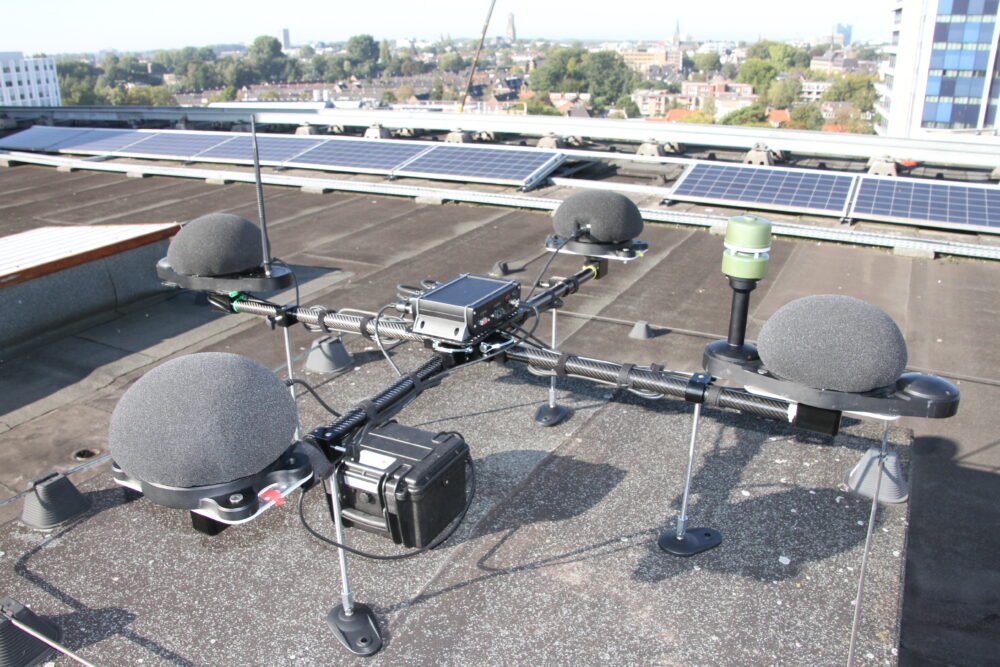
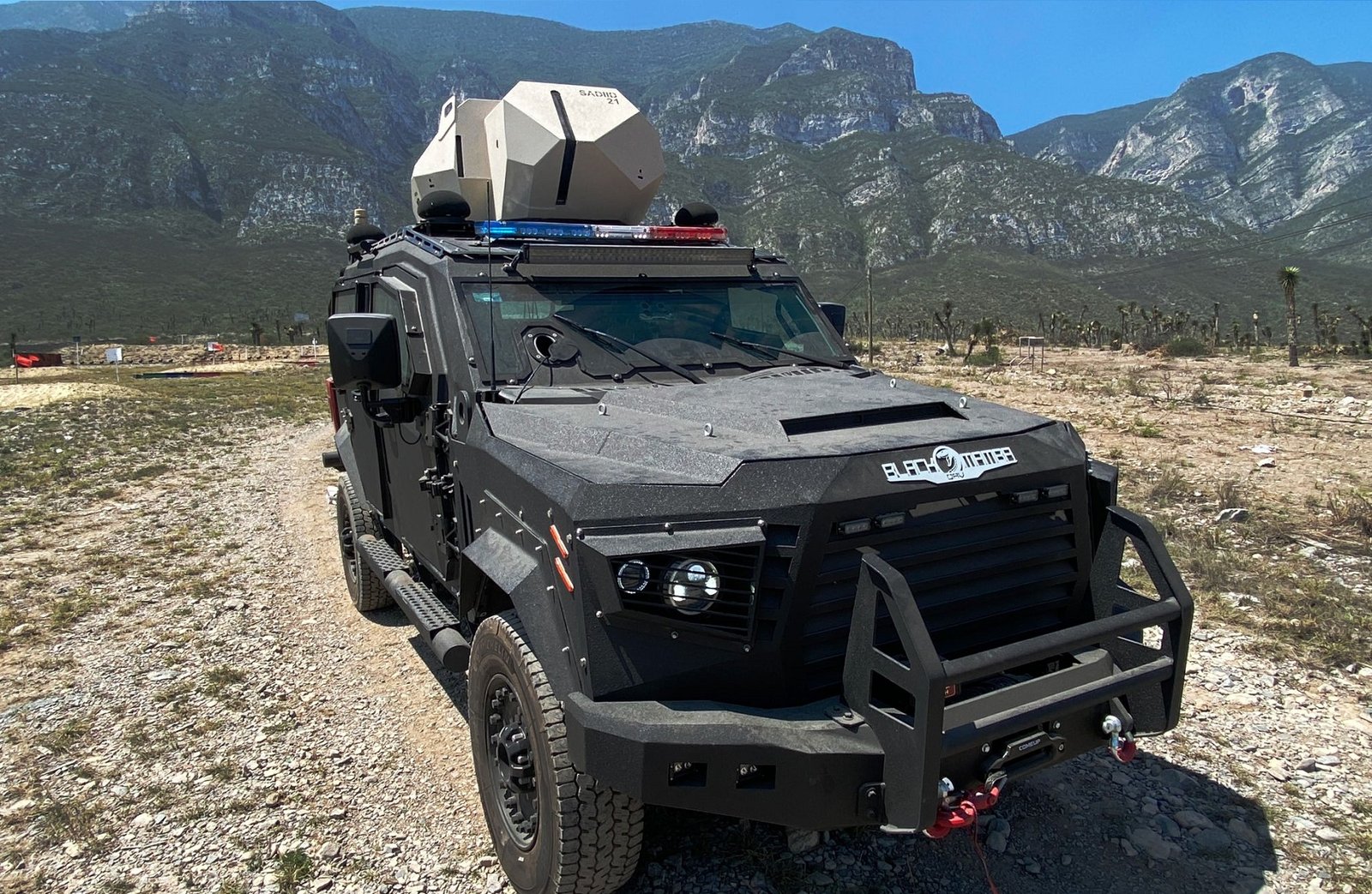
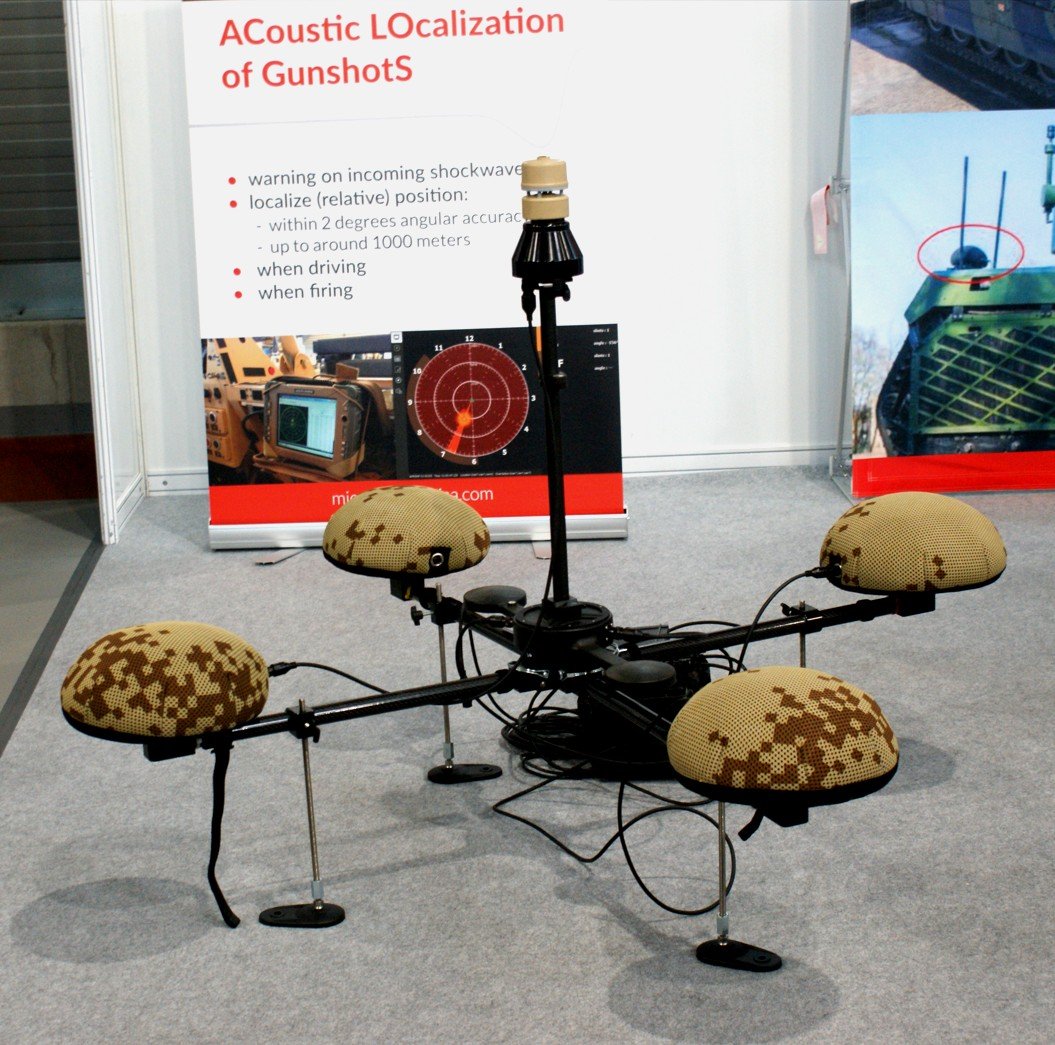
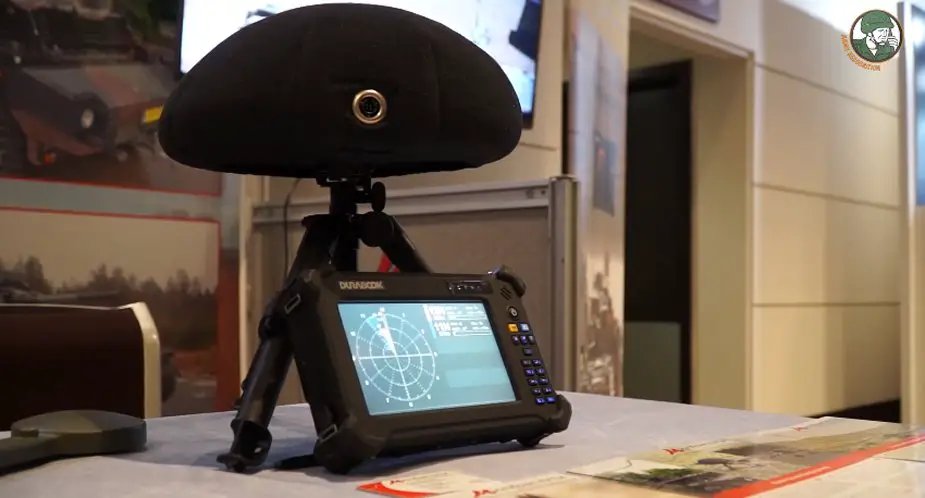
Photos: www.microflown-avisa.com · defence-blog.com · www.armedconflicts.com · www.armyrecognition.com · www.linkedin.com
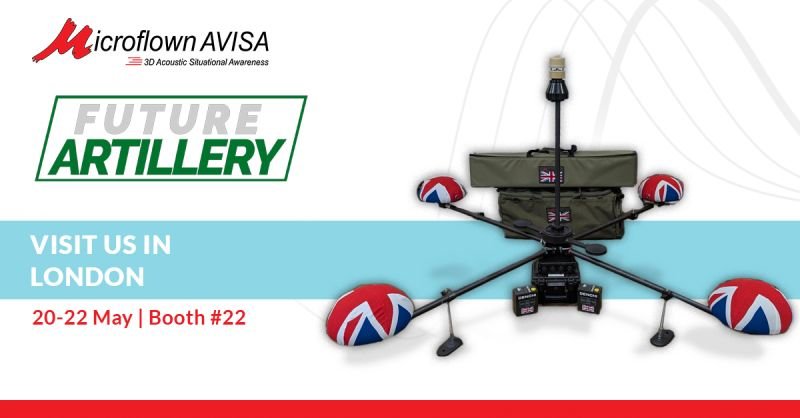
Scout is a passive acoustic detection system built by Microflown AVISA, the Dutch sensor specialist based in Arnhem. Introduced in 2016, it addresses one of the harder problems in modern short-range air defence: spotting small multi-rotor and fixed-wing drones at low altitude, where conventional radar struggles with ground clutter and vanishingly small radar cross-sections. Rather than illuminating the sky with electromagnetic energy, Scout listens for the rotor signature of the drone itself, classifies it, and cues an operator or a wider counter-UAS network onto the threat.
At the core of the system sits the Microflown acoustic vector sensor, a particle-velocity transducer originally spun out of research at the University of Twente. Where a conventional microphone records only pressure, the Microflown measures the directional component of acoustic flow, which means a single compact sensor head can resolve the bearing of a sound source without the large baffled arrays that other acoustic detectors require. Scout pairs this hardware with classification software trained on the rotor-noise signatures of common drone families — quadcopters, hexacopters, small fixed-wings — so the system not only flags an incoming target but tags what kind of platform it is. Detection ranges run to several hundred metres, varying with rotor size, ambient noise and weather. Because the sensor is entirely passive, it emits nothing for an adversary to home onto or to jam in the radio-frequency domain, and it keeps working when the electromagnetic environment is saturated.
Scout has been evaluated and fielded by NATO member states including the Netherlands, the United Kingdom and Germany, usually as one element in a layered counter-drone setup that also includes radar and RF detection. The Royal Netherlands Army and allied units have run the system through NATO-led counter-UAS exercises, and Microflown AVISA has been a regular presenter at the alliance’s annual technical interoperability events at Vredepeel. Public reporting of frontline use is thin compared with the systems now familiar from Ukraine, but allied interest in passive sensors has sharpened since 2022, as Shahed-pattern one-way attack drones and small commercial quadcopters exposed the limits of radar-only architectures.
The company has continued to iterate on the underlying transducer, with successive Scout configurations integrating better classifiers, more ruggedised housings, and tighter links into the command-and-control systems used by ground units and base-protection cells. The same vector-sensor hardware also underpins Microflown’s gunshot-localisation product line, giving the firm a dual-use sensor portfolio that spans small-arms fire and small-drone detection from a common technical core.
Among the small group of vendors offering passive acoustic counter-drone sensors, Microflown is distinctive for owning the transducer rather than reselling commodity microphones, and Scout remains the company’s principal expression of that capability for armed-forces customers.