SCANTER 4000
Air and coastal surveillance radar tuned for small, slow, low-flying targets — the basis of Terma's counter-UAS offering.
Hardwareby TermaIntroduced 2016

Photos: www.edrmagazine.eu · Terma · www.researchgate.net · www.radartutorial.eu · www.yumpu.com
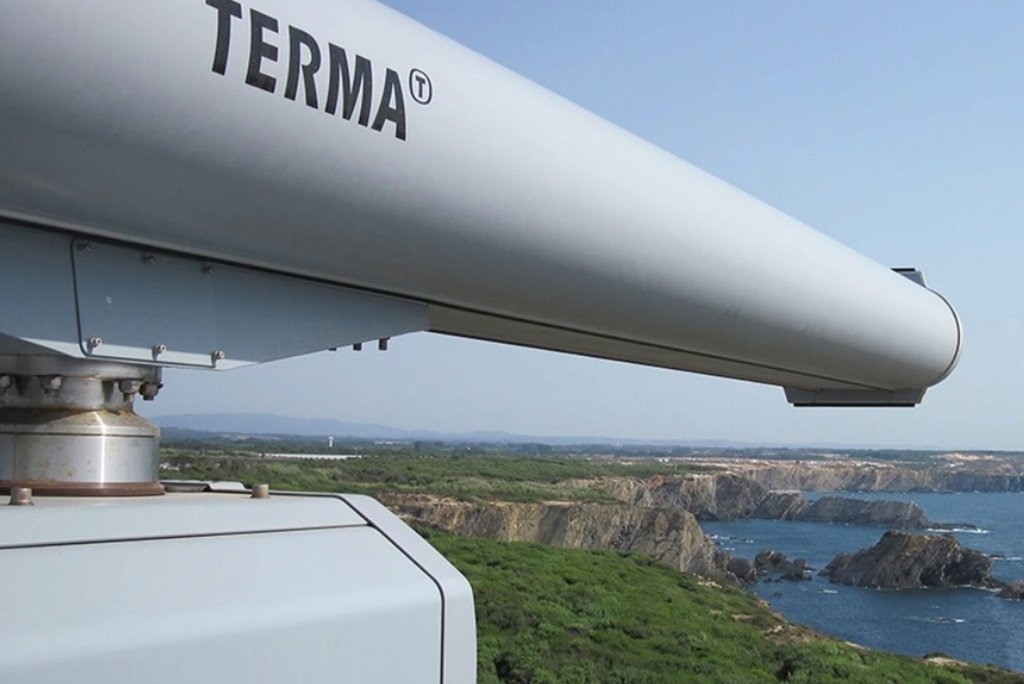
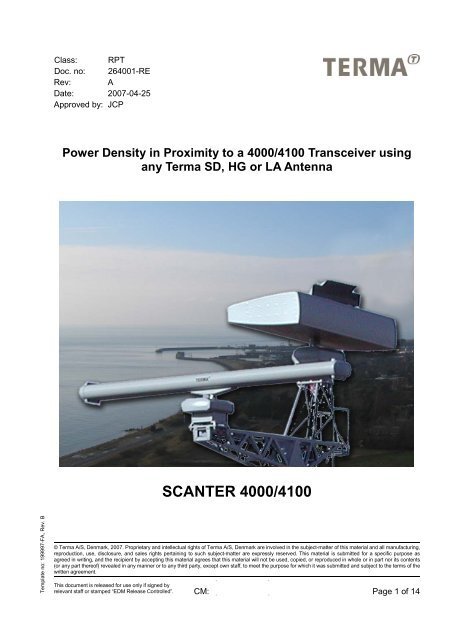
The SCANTER 4000 is an X-band, solid-state surveillance radar built by Terma, the Danish defence electronics firm headquartered in Lystrup. Introduced in 2016 as part of Terma’s long-running SCANTER family, the 4000 series is tuned for the awkward category of targets that legacy air-defence radars handle poorly: small, slow, low-flying objects against cluttered coastal or littoral backdrops. That tuning is what has made it the radar layer underneath much of Terma’s counter-UAS work, alongside its established role in coastal surveillance and harbour protection.
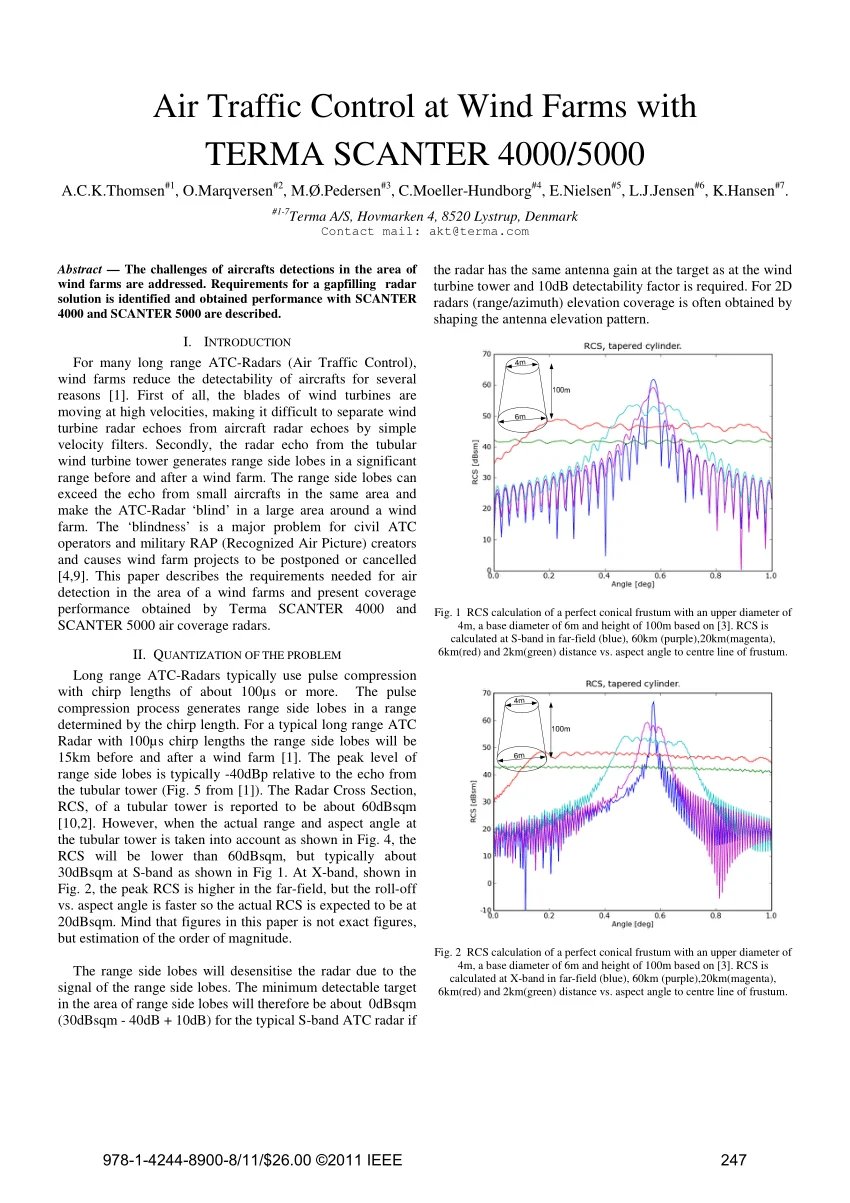
Technically, the system is a fully solid-state pulse-Doppler radar operating in the 9 GHz band, with electronic stabilisation and a high-update-rate antenna spinning at up to 60 rpm. It uses pulse-compression and frequency agility to pull Class I drone-sized returns out of sea clutter, rain, and bird traffic — the failure modes that defeat older magnetron sets. Detection of small UAS is quoted at multi-kilometre range, with simultaneous tracking of surface vessels, helicopters, and fixed-wing aircraft from a single aperture. The radar is designed as a sensor node rather than a closed system: it feeds tracks over standard ASTERIX formats into command-and-control suites, vessel traffic services, and counter-drone effectors, including the C-UAS architectures Terma builds around its T.react integration layer.
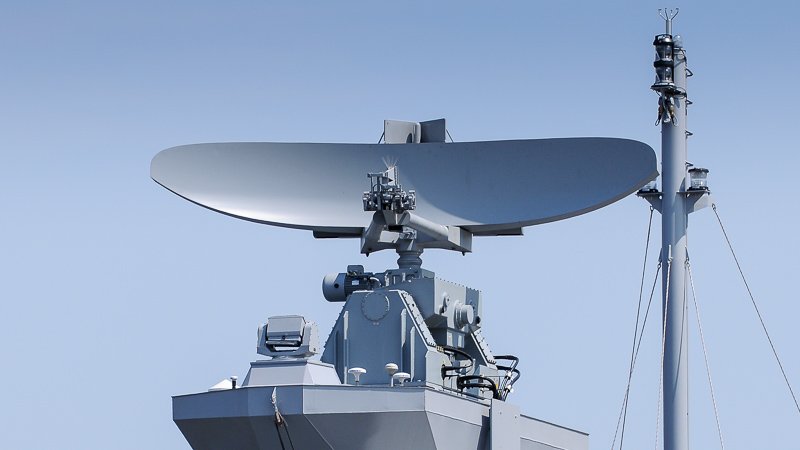
Operators include the Danish armed forces, the United States, and Germany, with further fielding across NATO and Gulf customers as part of naval and base-protection programmes. The 4000 is installed on Royal Danish Navy Iver Huitfeldt-class frigates and Absalon-class support ships in its naval variants, and on coastal sites tasked with monitoring the approaches to Danish, Baltic, and North Sea waters. In the United States, SCANTER radars have been selected for harbour and base surveillance roles; Germany has procured the family for both coastal monitoring and force-protection use. The radar has not been associated with declared combat use, but its deployment pattern has tightened since 2022, as European operators have re-prioritised drone detection along sensitive coastlines and around critical infrastructure following incidents in the Baltic.
The 4000 sits within a wider SCANTER lineage that includes the 5000 and 6000 series for larger naval and air-traffic roles, and Terma has continued to iterate on the signal-processing chain, drone-classification algorithms, and integration with optical and RF sensors that complete a counter-UAS picture. In a market crowded with bespoke counter-drone radars from younger entrants, the SCANTER 4000’s distinguishing trait is institutional: it is a NATO-fielded surveillance radar that happens to do counter-UAS well, rather than a counter-UAS product seeking accreditation.