Raybird-3
Long-endurance fixed-wing reconnaissance UAV with autonomous mission capability, used extensively by Ukrainian forces for deep ISR.
Droneby SkyetonIntroduced 2015
Photos: www.unmannedsystemstechnology.com · www.slideshare.net · www.commercialuavnews.com
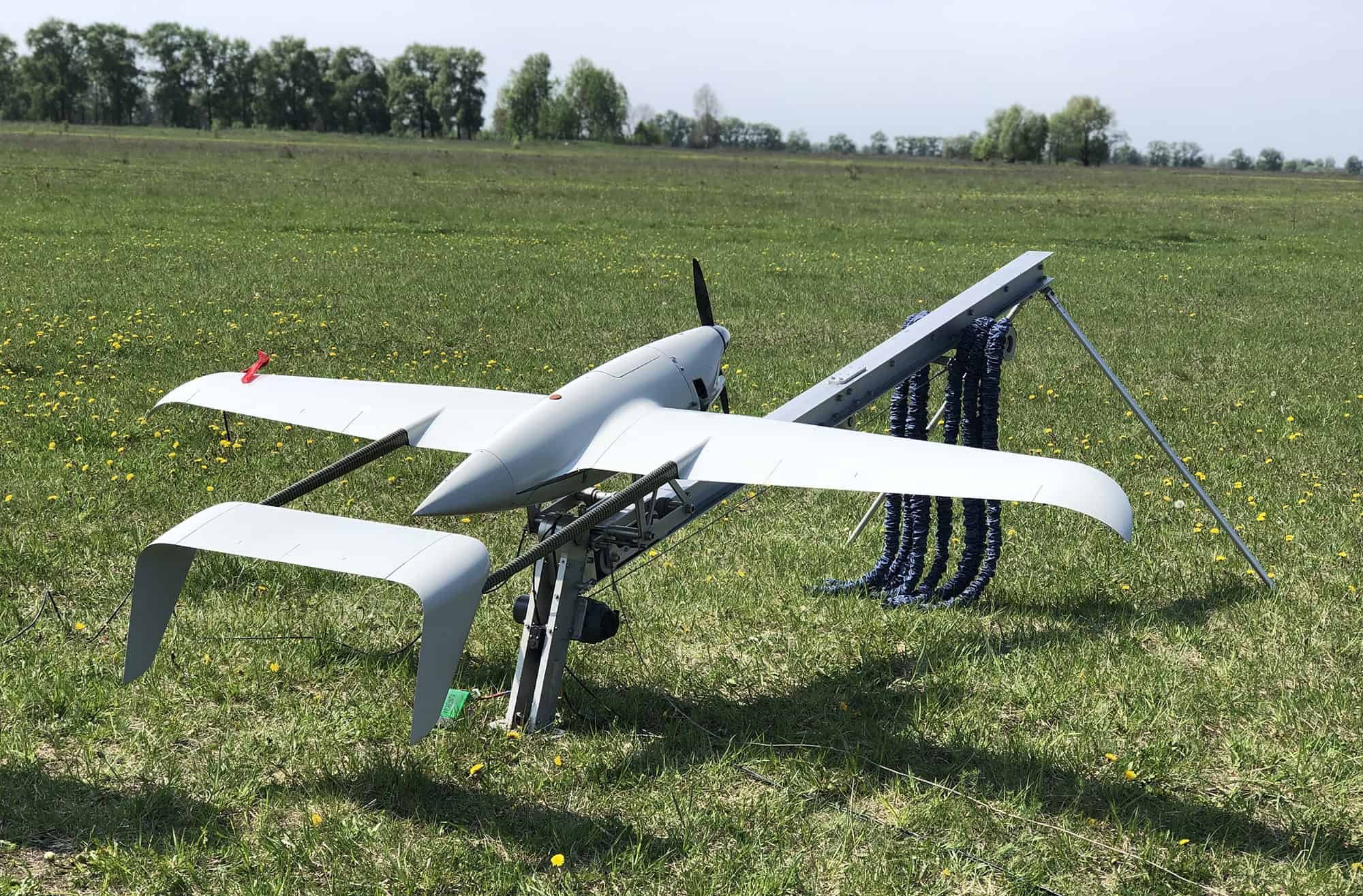
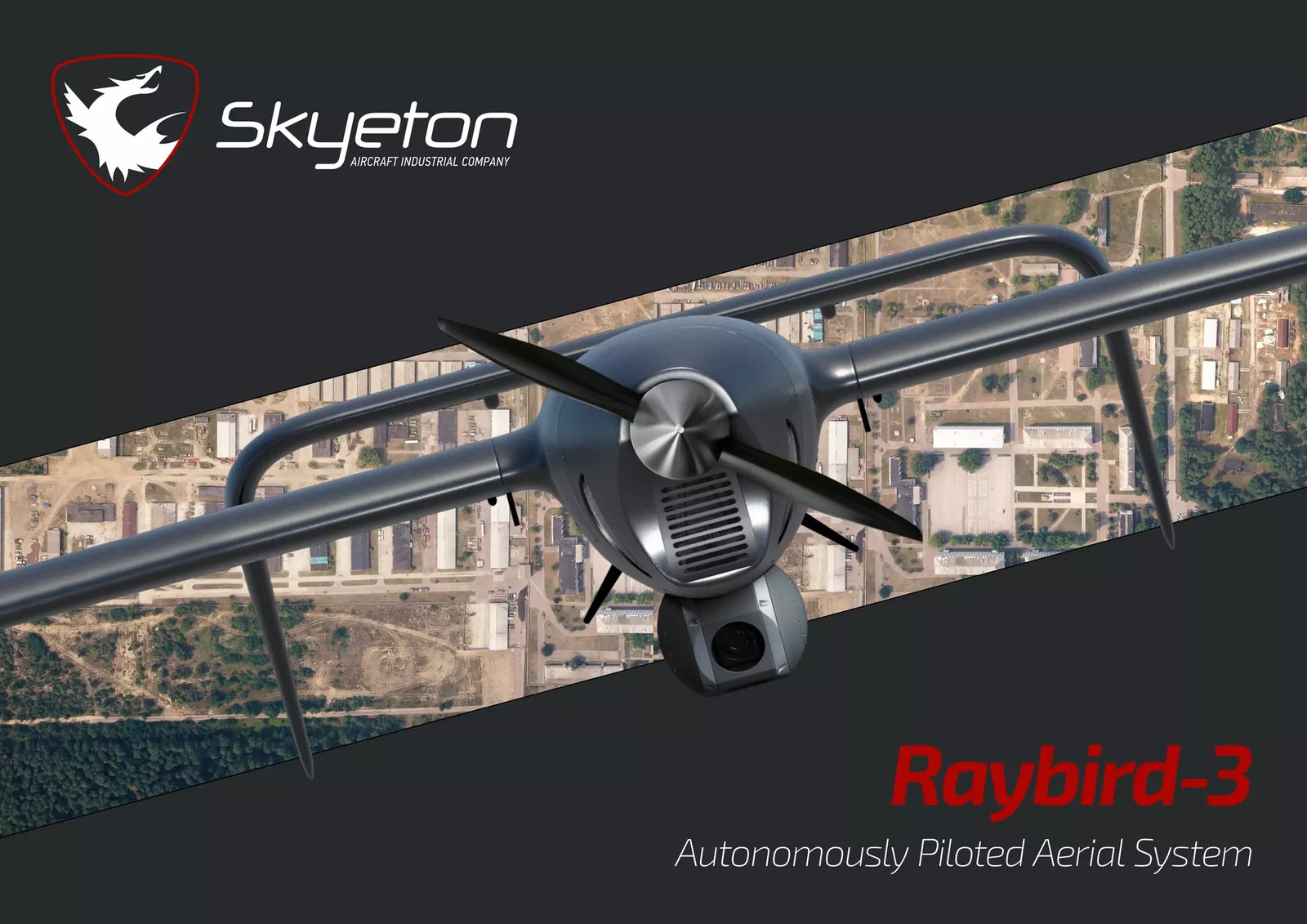
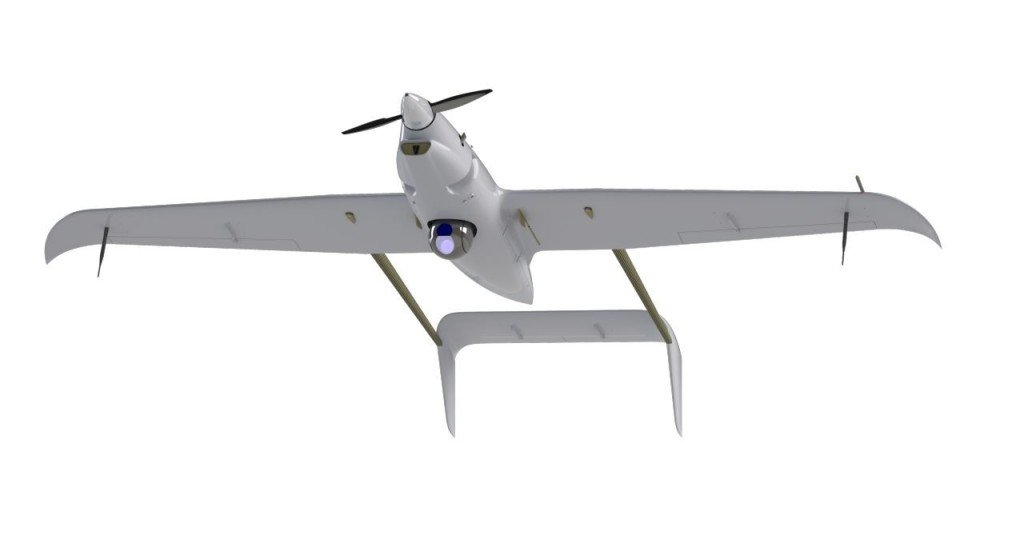
Raybird-3 is a long-endurance fixed-wing reconnaissance drone built by Skyeton, a Ukrainian airframe maker that has spent the past decade refining a single platform rather than diversifying. Introduced around 2015 and continuously updated since the full-scale Russian invasion in 2022, the system fills the medium-altitude tactical ISR slot for Ukrainian forces — sitting above hand-launched quadcopters and below Western strategic UAVs like the MQ-9 Reaper. It is small enough to be operated by a two- or three-person team from a vehicle, but stays airborne long enough to behave more like a manned reconnaissance asset.
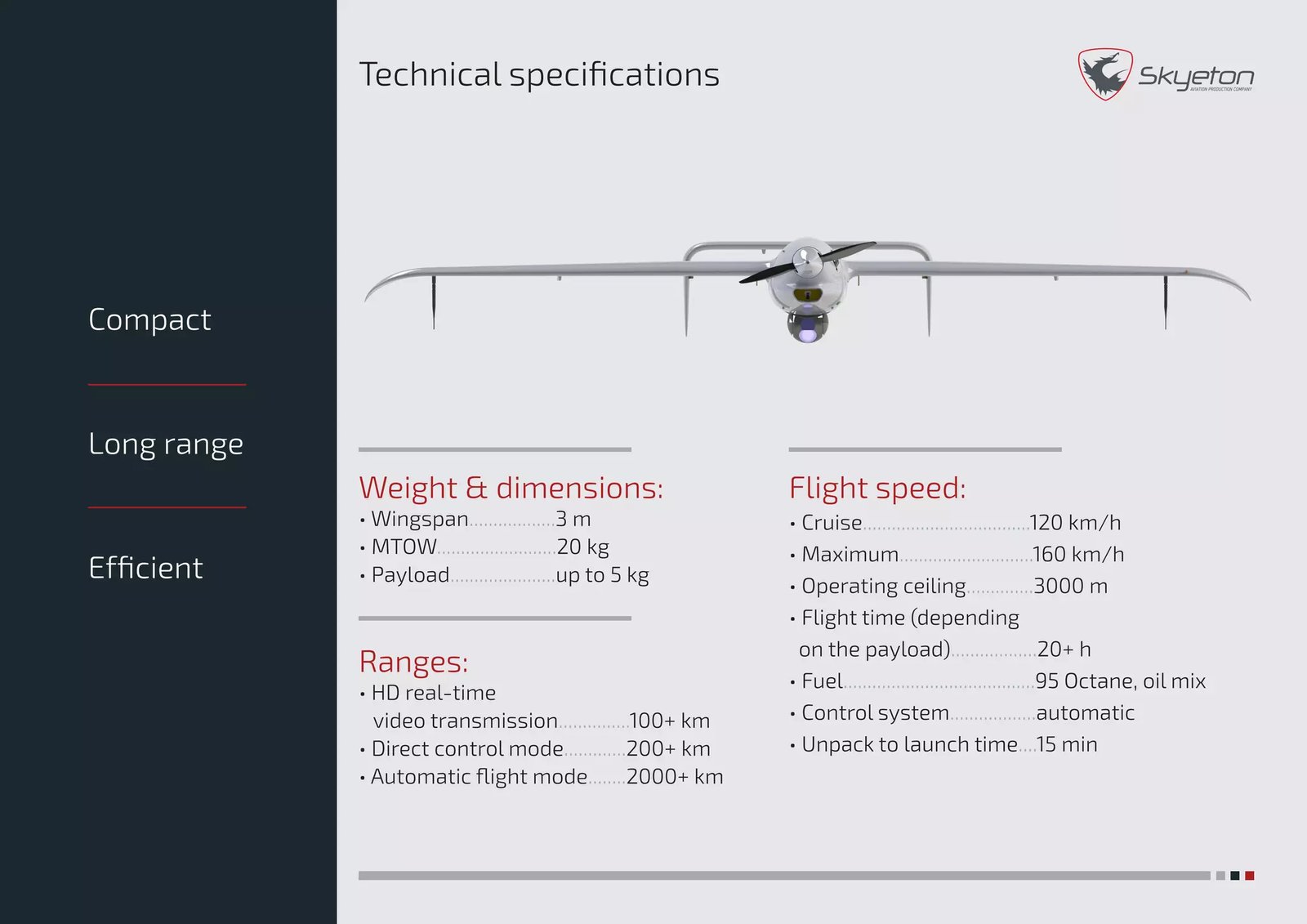
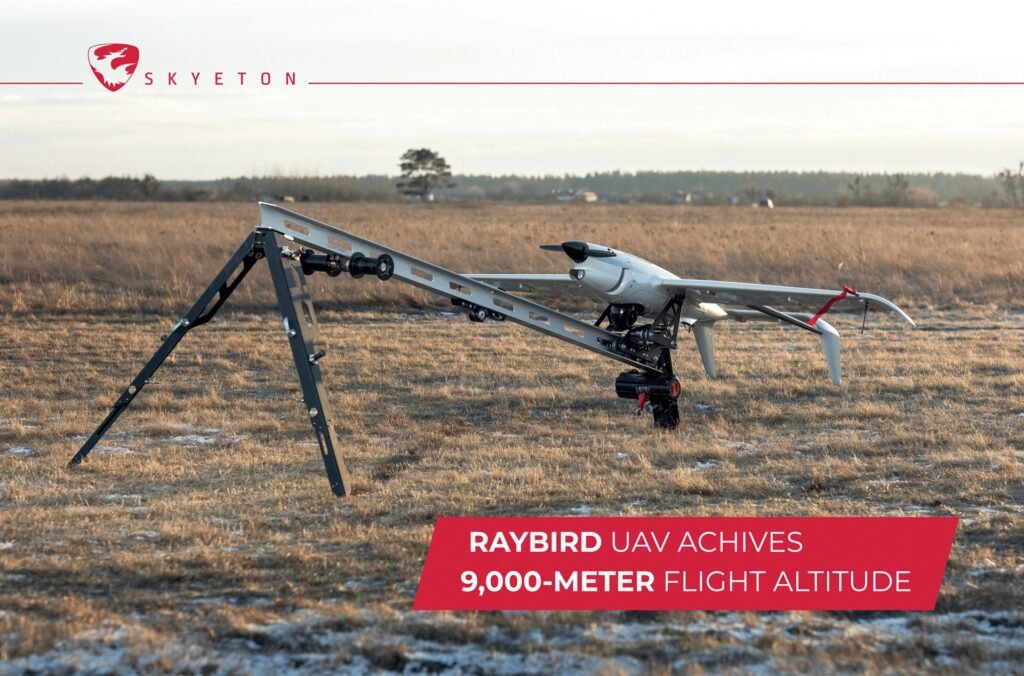
The airframe is a roughly 3-metre-wingspan composite pusher, catapult-launched and parachute-recovered, with a maximum take-off weight of about 22 kilograms. Skyeton publishes an endurance figure near 28 hours and an operating radius extending to about 2,500 kilometres on the round trip, numbers driven by a small piston engine and an aerodynamically efficient high-aspect-ratio wing. The standard payload is a stabilised EO/IR gimbal capable of identifying ground targets from altitudes that put the aircraft above most short-range air defences and at the edge of audible range. The flight management system supports fully autonomous mission profiles — including operation in GPS-degraded environments, where inertial navigation and visual reference techniques keep the aircraft on course — and the data link has been hardened against Russian electronic-warfare jamming, an iterative cat-and-mouse process that has shaped much of the platform’s development since 2022.
Ukraine is the dominant operator. The Armed Forces of Ukraine and the Main Intelligence Directorate use Raybird-3 for deep ISR over occupied territory, artillery correction, and target identification for HIMARS and other long-range fires. Skyeton reports that its Raybird fleet has accumulated over 350,000 combat flight hours, and Ukrainian press coverage credits the type with locating Russian air-defence batteries, command posts, and logistics nodes well behind the front line. The system has also been adopted under technology-transfer arrangements with Western partners; in 2024 Skyeton announced a joint venture with Prevail Partners to manufacture Raybird airframes outside Ukraine for export customers.
Development has been driven almost entirely by wartime demand. Iterations to the autopilot, datalink, and payload options have rolled out roughly quarterly, and Skyeton has stated that production has scaled into the hundreds of airframes per year. Among Ukrainian-designed drones, Raybird-3 occupies a distinctive middle ground — neither a cheap attritable munition like a Shahed derivative nor a strategic platform, but a reusable long-range eye that has come to define how Ukraine sees the battlefield.