RQ-11 Raven
Hand-launched small ISR UAV — the most-produced military drone in the world.
Droneby AeroVironmentIntroduced 2003
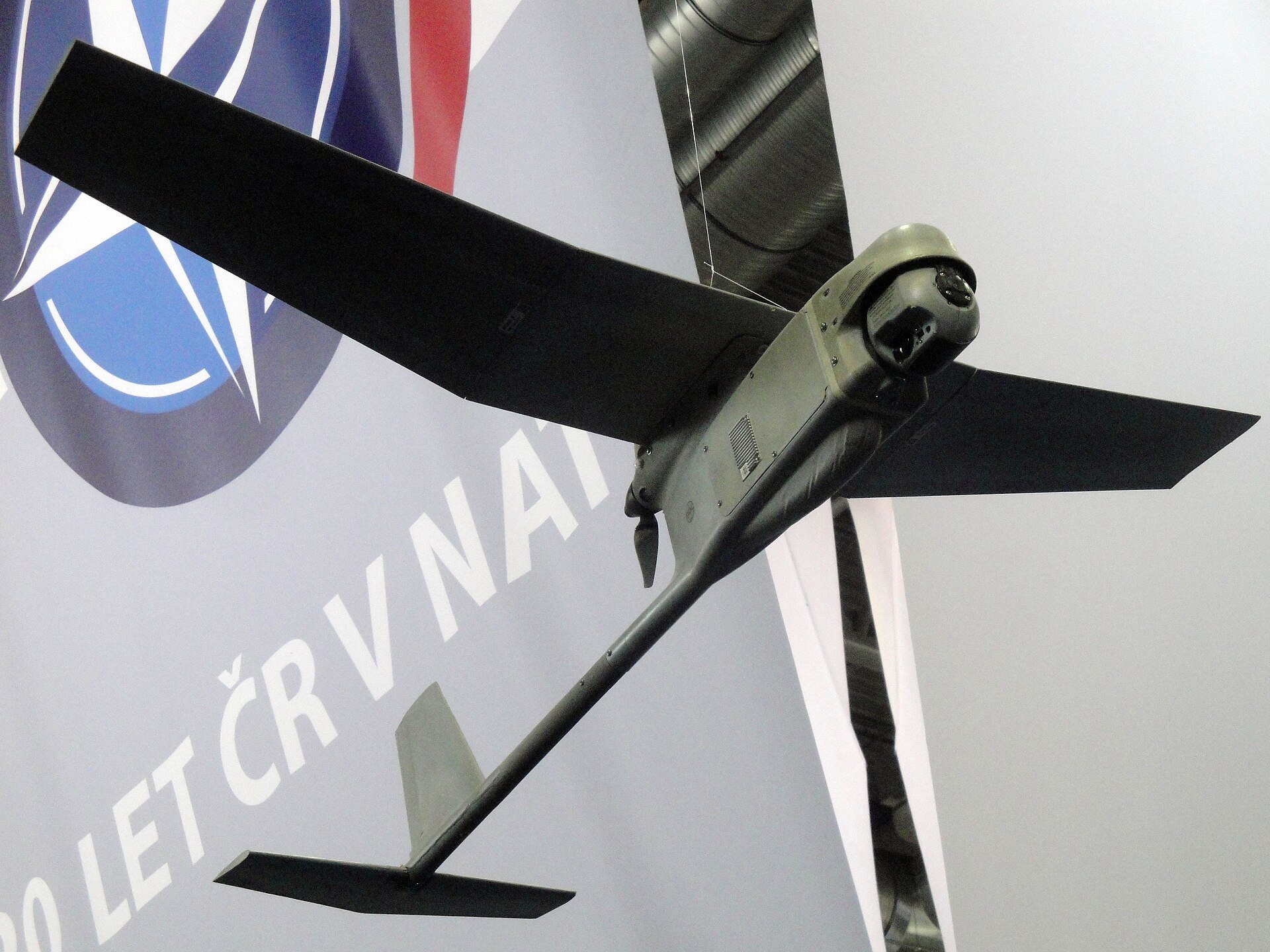
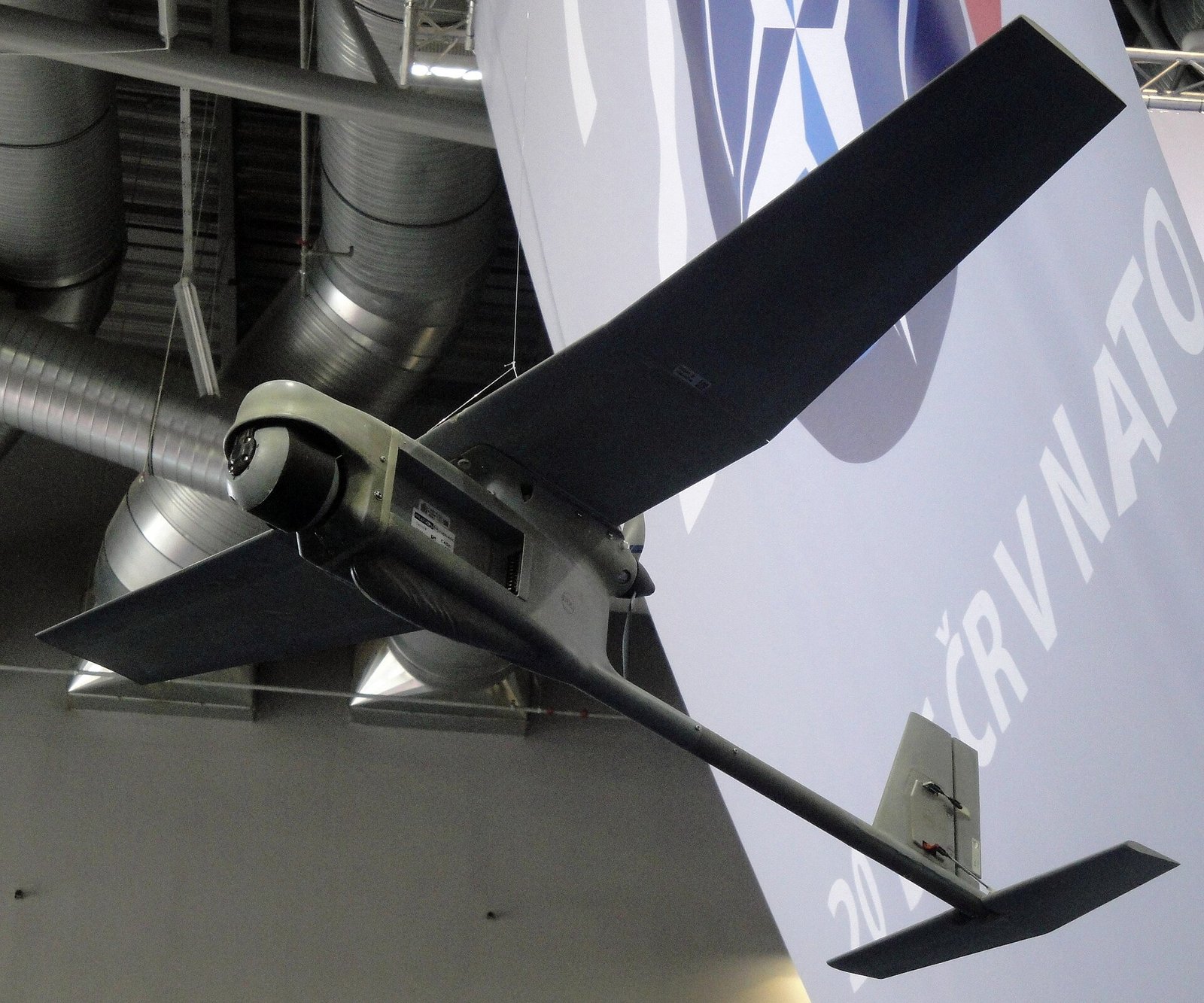
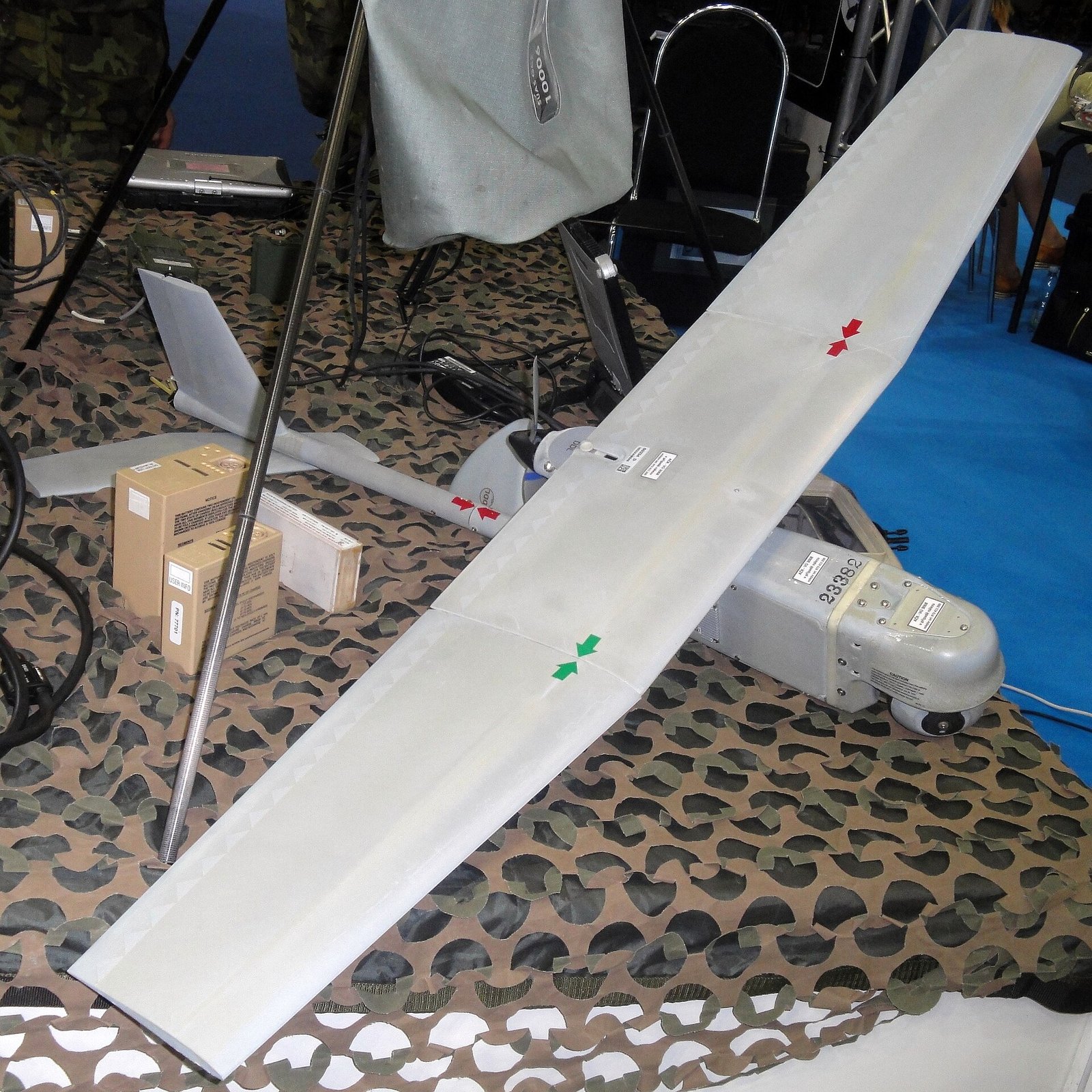
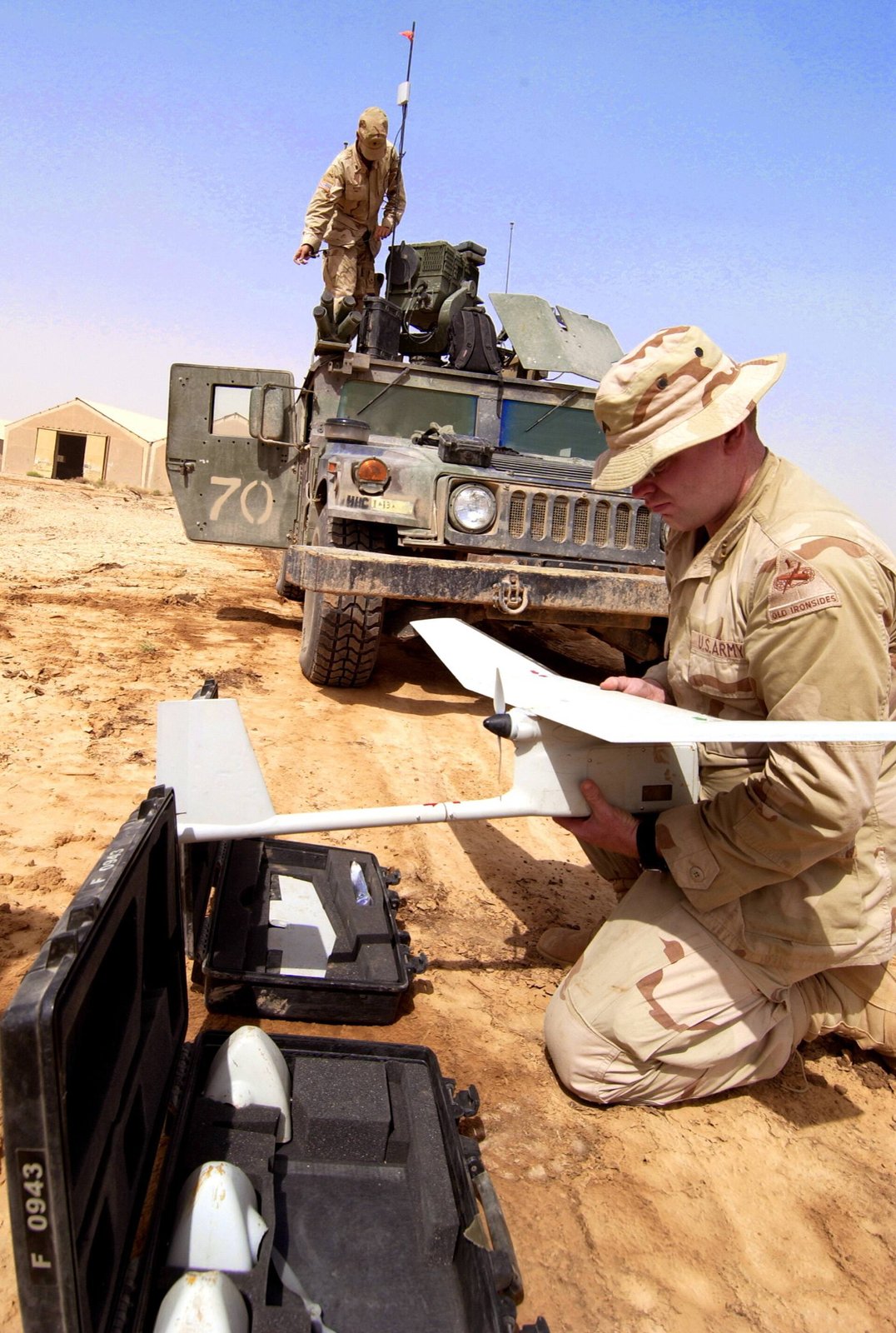

Photos: Reise Reise · DoD photo by Tech. Sergeant Russell E. Cooley IV, U.S. Air Force. (Released) · AeroVironment
Among small unmanned aircraft fielded by Western militaries, the RQ-11 Raven is the most ubiquitous. Built by AeroVironment, the hand-launched ISR drone entered US Army service in 2003 and has since been produced in greater numbers than any other military UAV, with the manufacturer reporting more than 19,000 airframes delivered across upwards of thirty allied operators. At 1.9 kg with a wingspan of around 1.4 metres, the airframe is small enough to be carried in a soldier’s rucksack, broken into three pieces, and thrown into the air without a launcher or a runway.
The Raven flies on an electric pusher propeller and stays aloft for sixty to ninety minutes, with a control radius of roughly ten kilometres from its ground control station. Its payload is a stabilised gimbal carrying electro-optical and infrared cameras, with a side-looking sensor available on the dual-payload variant. Navigation is handled autonomously: operators set GPS waypoints on a ruggedised laptop, and the airframe flies the route, loiters over a target, and returns to a designated recovery point. Recovery itself is unceremonious — the Raven cuts power and auto-lands by deep stall, bouncing into a handful of pieces designed to pop apart on impact and snap back together for the next sortie. The current production standard, the RQ-11B, replaced the original analog video feed with the Digital Data Link, an encrypted digital channel that addressed intercept vulnerabilities exposed during operations in Iraq.
The United States Army and Marine Corps remain the largest operators, fielding the system at platoon and company level. It flew extensively in Iraq and Afghanistan, where small units used it for over-the-hill reconnaissance, route clearance, and convoy overwatch. Italy, Spain, Australia, Denmark, the Czech Republic, Estonia and others have acquired it under the US Foreign Military Sales programme. Since 2022, several hundred Ravens have been transferred to Ukraine through US security assistance packages and used for tactical reconnaissance alongside larger systems and Ukrainian-built quadcopters — a higher-threat electromagnetic environment than the platform was originally designed for, with reports of jamming-related losses surfacing in Ukrainian operator accounts.
AeroVironment has iterated the design steadily rather than replacing it. The Digital Data Link upgrade is now standard, the company has marketed a Gimbaled Payload variant, and software updates have added swarming features and improved navigation in GPS-denied conditions. Production continues out of the company’s California facilities.
Within AeroVironment’s Family of Small Unmanned Aircraft Systems, the Raven sits below the larger Puma and is increasingly complemented in US service by quadcopter scouts that perform similar tactical roles at shorter ranges. Its longevity rests less on any single capability than on the fact that, for two decades, no comparable system has been as cheap to buy, train on, and replace.