RQ-20 Puma
All-environment hand-launched ISR UAV with maritime and long-endurance variants.
Droneby AeroVironmentIntroduced 2008
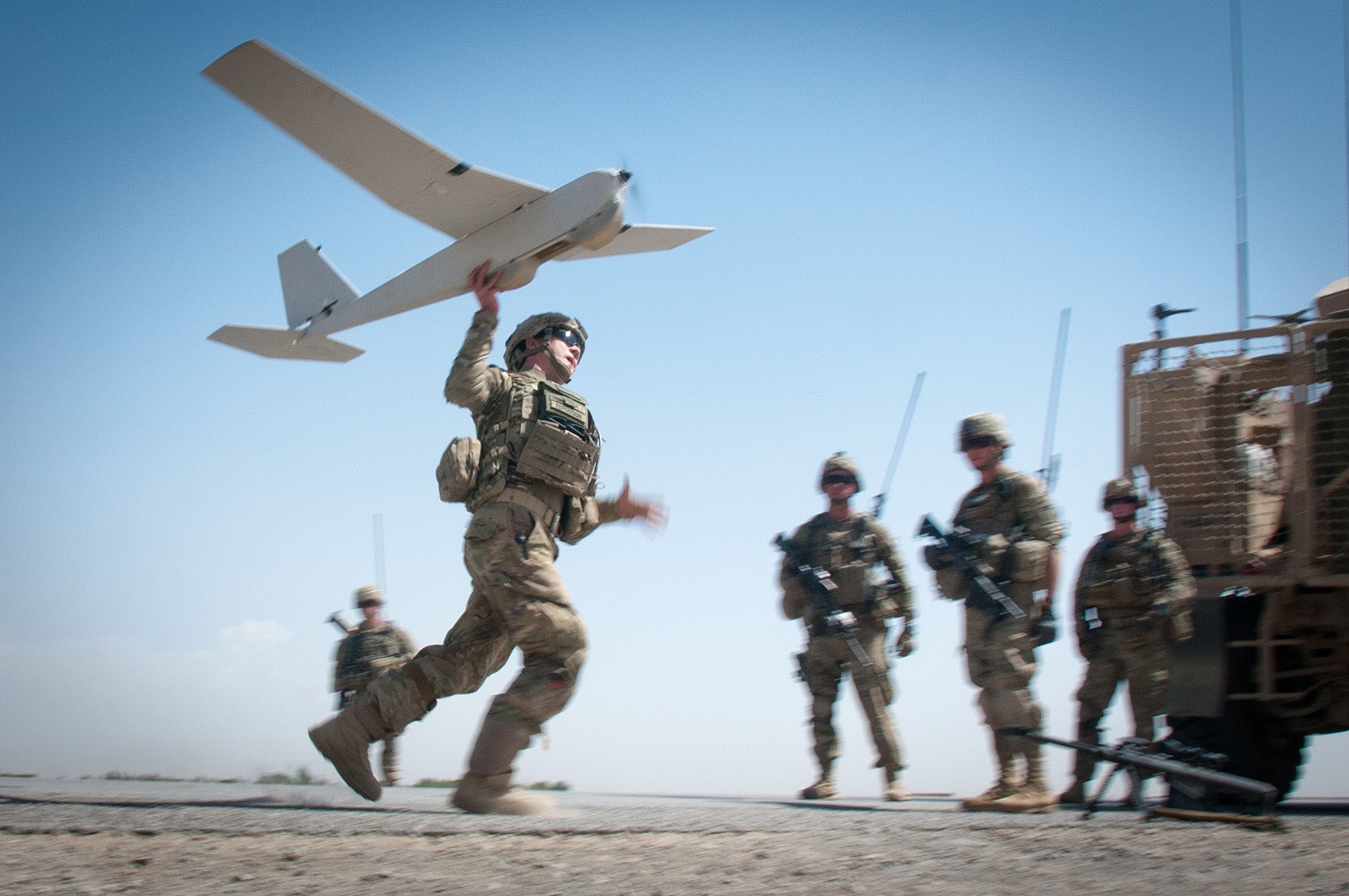
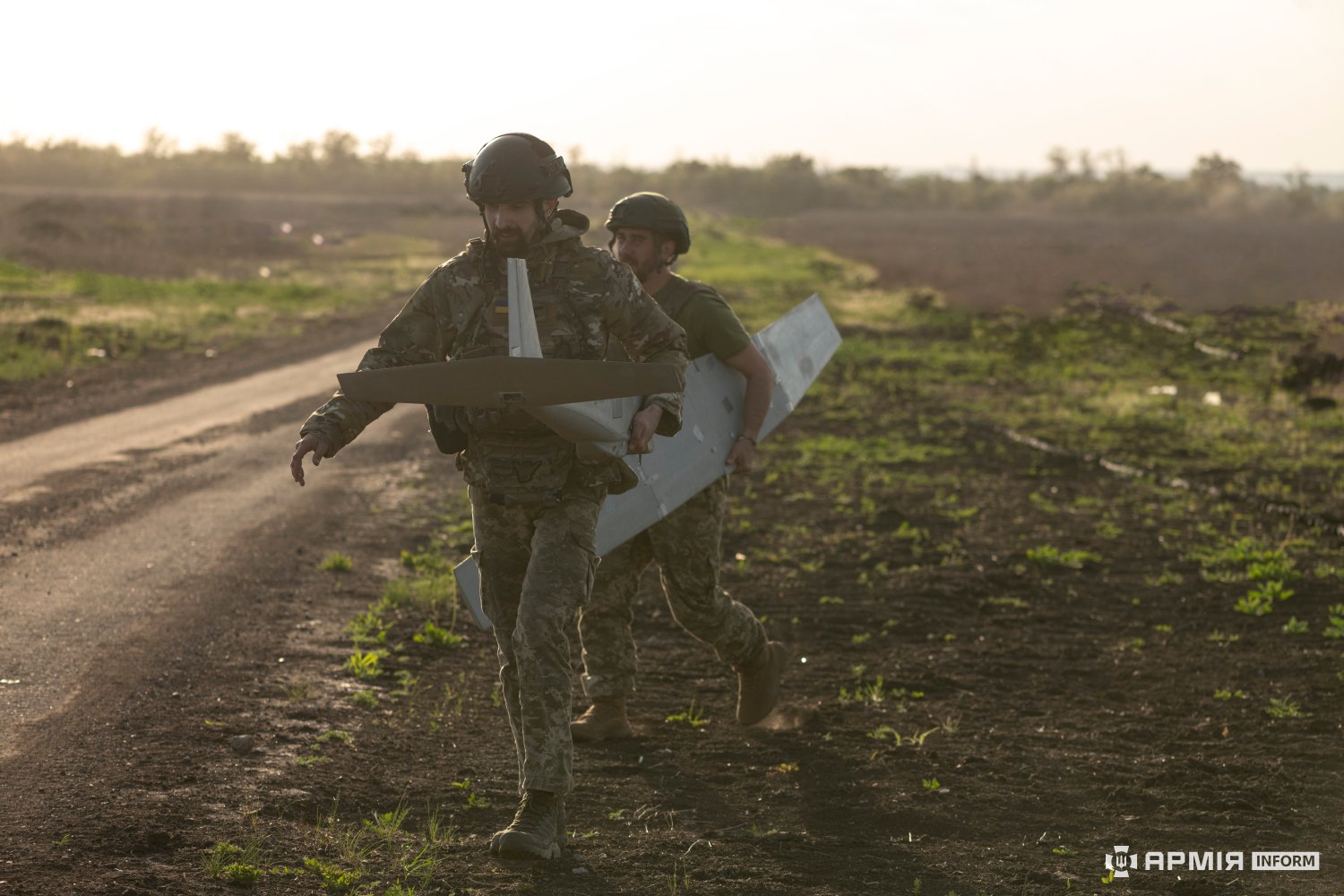
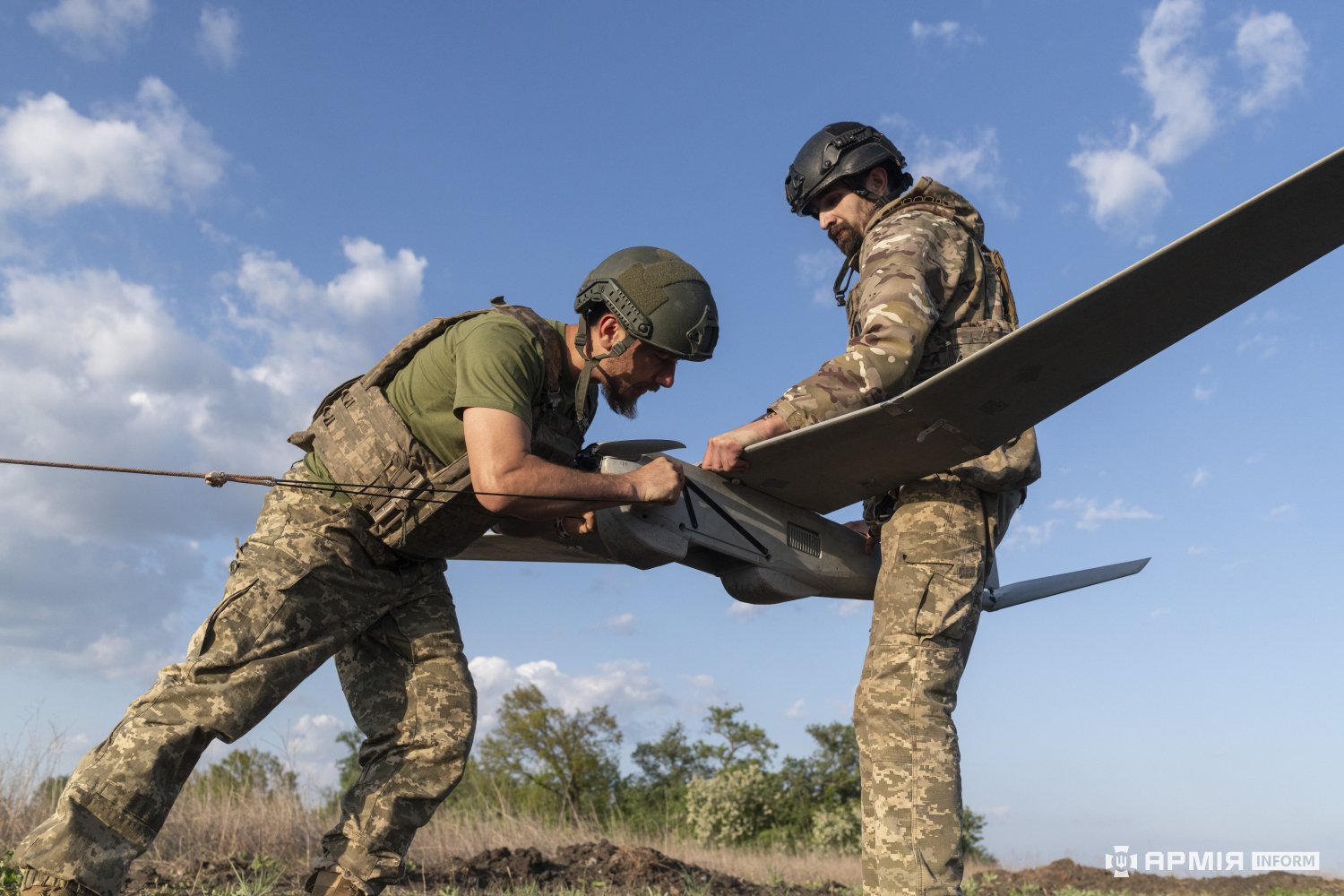
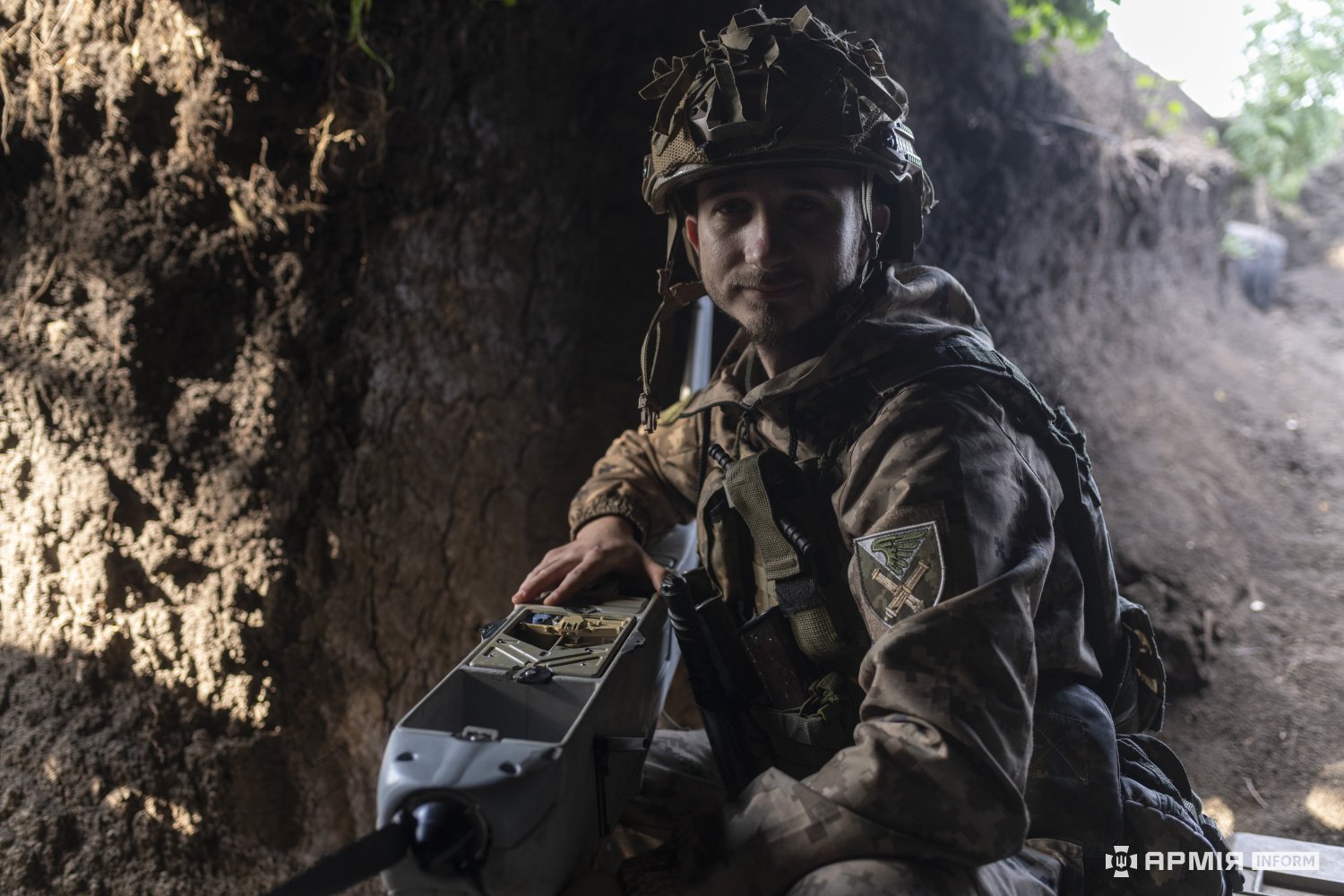
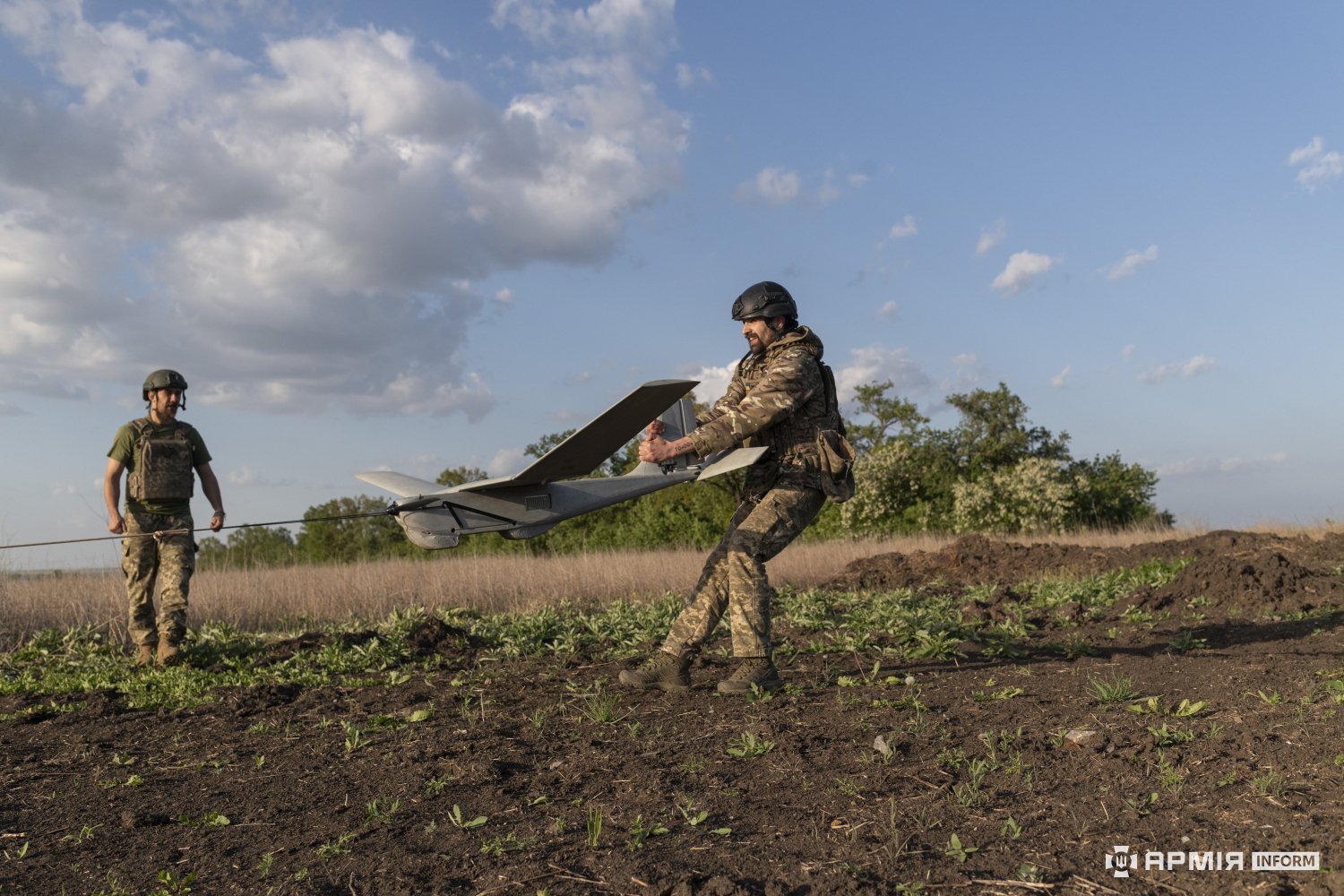
Photos: Wikipedia · ArmyInform
The RQ-20 Puma is a hand-launched small unmanned aircraft built by AeroVironment, the same Virginia-based manufacturer behind the Switchblade loitering munition and the smaller Raven. Fielded since 2008, the Puma sits in the Group 1 / Group 2 tier of military UAS — light enough for two soldiers to carry and launch from open ground or a small boat, big enough to loiter for two and a half hours and feed full-motion video back to a ground control station roughly twenty kilometres away. It was designed initially for U.S. Special Operations Command and has since become one of the most widely fielded ISR drones in the Western inventory.
Mechanically the Puma is a battery-powered, propeller-driven aircraft of about 9 kg, hand-launched and recovered by a deep-stall belly landing — on land, sand, snow or open water. The “AE” (All Environment) designation refers to its waterproofing, which lets units operating from small craft or coastal positions ditch the airframe into the sea and recover it intact. The current Puma 3 AE carries the Mantis i45 gimbaled sensor with electro-optical and infrared cameras, a laser illuminator, and onboard image stabilisation; later production blocks add secure datalinks, GPS-denied navigation aids, and an open payload bay that operators have used to fit signals-intelligence packages and small communications relays. The aircraft is operated through the same ground-station family as the Raven and Wasp, which has eased adoption in units already using AeroVironment’s small UAS line.
Operators include the United States Army, Marine Corps and Special Operations Command, the Australian Defence Force, the Canadian Armed Forces, the Danish military, and a long list of NATO and allied users. Ukraine is the most active wartime operator: Pumas have shipped in successive U.S. drawdown packages since 2022 and are flown by Ukrainian artillery and reconnaissance units to spot Russian armour and direct fires beyond the line of contact. AeroVironment received a $200 million IDIQ contract from the U.S. Army in 2022 covering further Puma 3 AE deliveries, and additional foreign military sales have followed.
Development continues incrementally rather than through a wholesale redesign. Recent upgrade work has focused on resilience in contested electromagnetic environments — encrypted datalinks, alternative navigation when GPS is jammed, and quieter motors — features that became operationally urgent the moment Russian electronic warfare started hunting Western small UAS over Donbas. Within its weight class the Puma’s main competition comes from the heavier end of the quadcopter market and from purpose-built tactical UAS such as the Insitu ScanEagle, but its waterproof airframe and long service tail keep it distinct.