Plastun
Mobile signals-intelligence and radio-monitoring complex used to detect, locate, and classify enemy emitters across HF/VHF/UHF.
systemby InfozahystIntroduced 2015
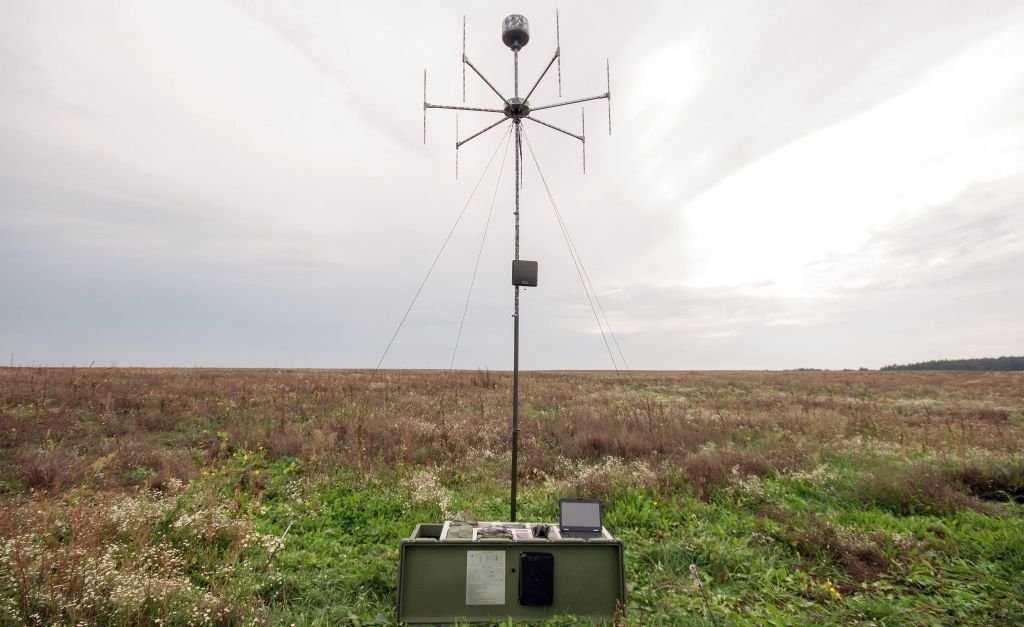
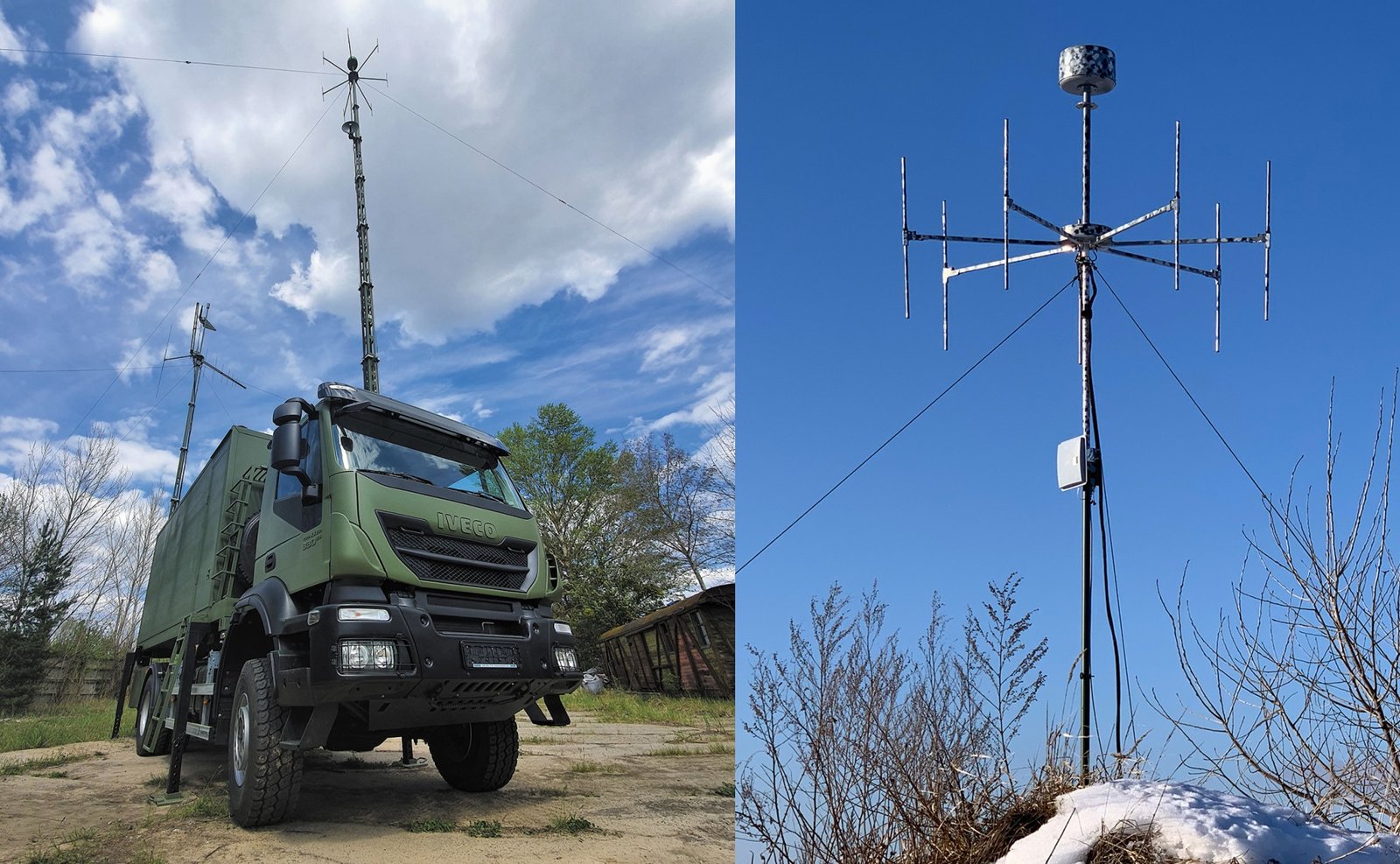
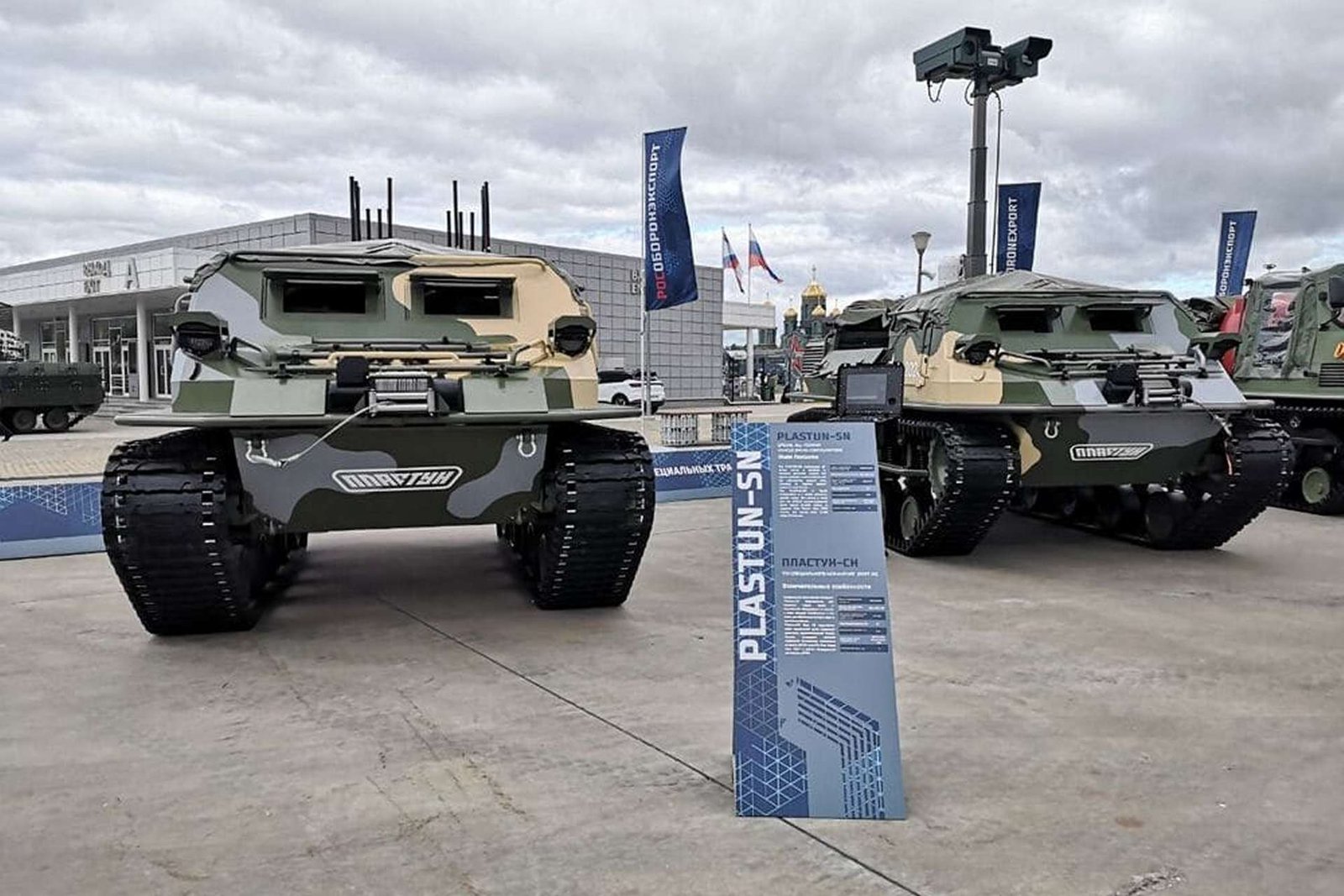
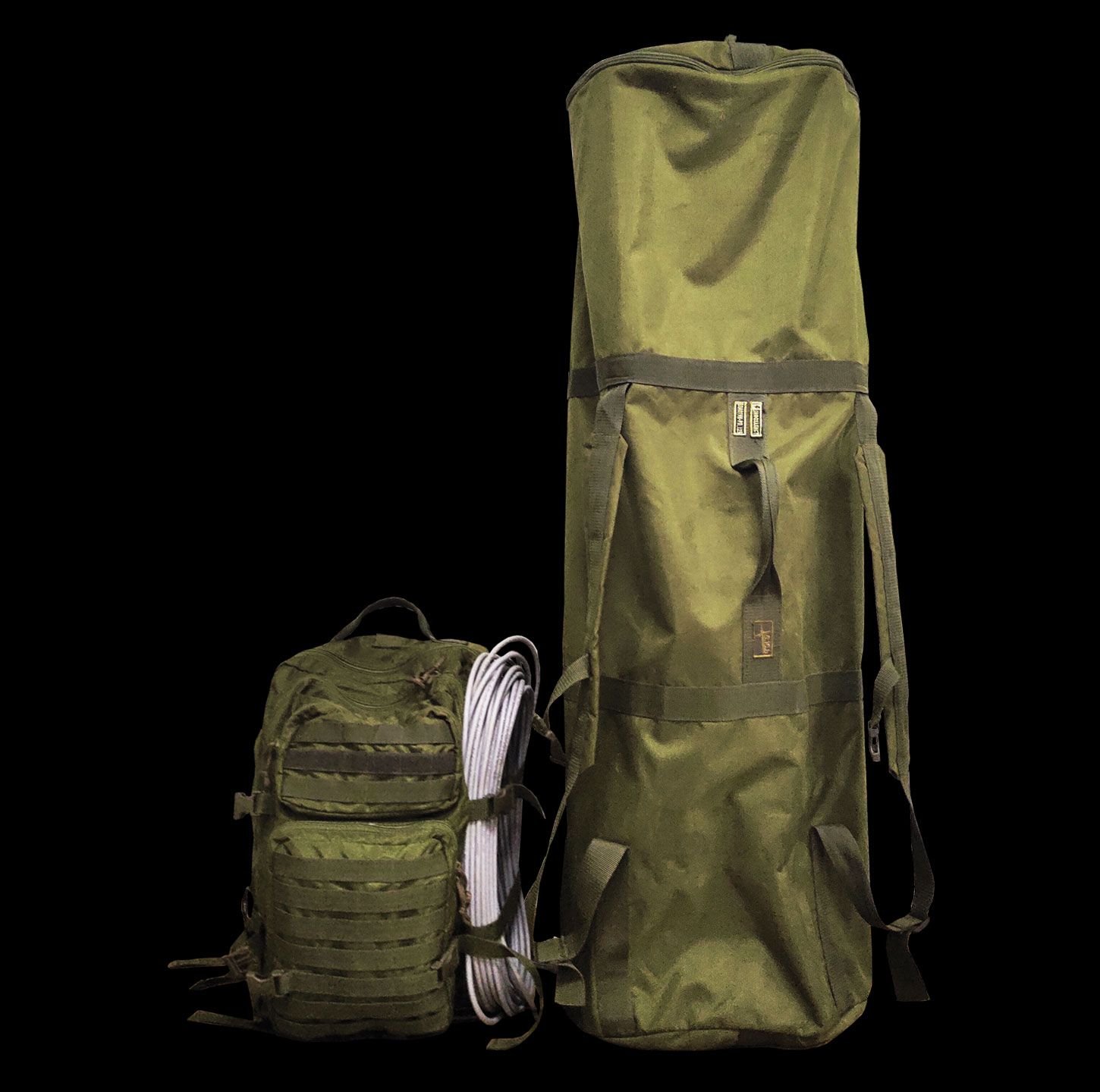
Photos: Infozahyst · defence-blog.com · www.armyrecognition.com
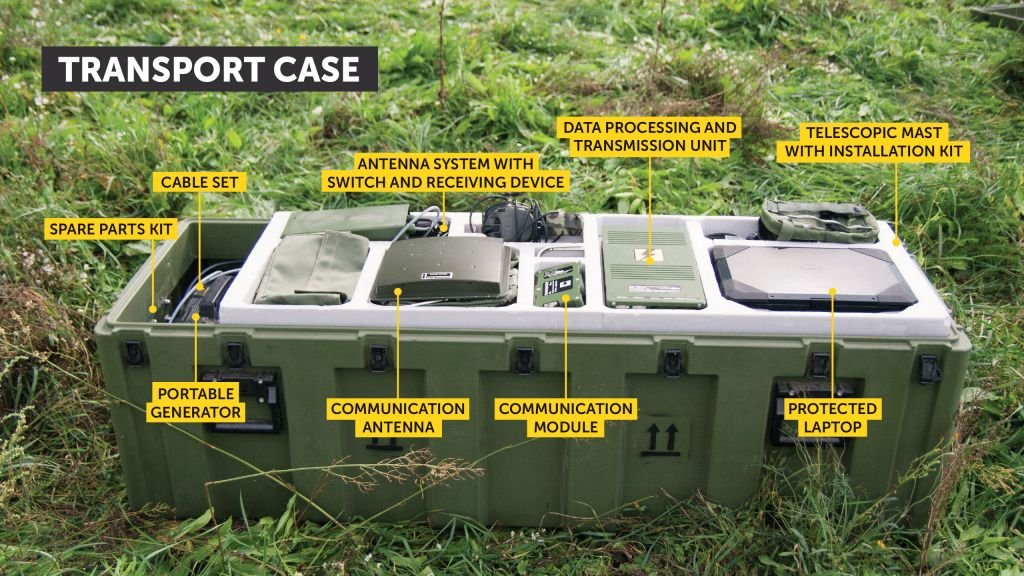
Plastun is a mobile signals-intelligence and radio-monitoring complex built by Infozahyst, a private Ukrainian electronic-warfare house headquartered in Kyiv. The system entered service with the Ukrainian armed forces in the mid-2010s, in the wake of Russia’s first incursion into the Donbas, and has remained one of the country’s principal organic SIGINT capabilities ever since. Its purpose is straightforward: detect, geolocate, and classify hostile radio emitters across the HF, VHF, and UHF bands — the spectrum used by enemy command nets, tactical radios, drone control links, and electronic-warfare jammers.
The complex is built around a network of vehicle-mounted scanning receivers and direction-finding antennas, typically deployed as a multi-vehicle baseline so that bearings from separated stations can be triangulated into emitter fixes. Operators work from inside shelter-bodied trucks where automated classification software matches intercepted signals against a library of known waveforms, identifying everything from R-168 family Russian tactical radios to Orlan-10 and Zala downlinks. Modern Plastun configurations cover roughly 1.5 MHz through 18 GHz depending on variant and integrate with Ukraine’s situational-awareness layer through Delta and other battle-management tools, so a fix on a Russian command post can be passed to artillery, drones, or strike aviation within minutes. The system is also used in reverse — to map Russian electronic-warfare emissions and inform jamming-evasion routing for Ukrainian drone units.
Ukraine is the only confirmed operator. Plastun has been worked hard since February 2022 across every front of the full-scale war: in the defence of Kyiv, the long counter-battery duels in Donbas, the Kherson counter-offensive, and the present positional fight along the Donetsk axis. Ukrainian SIGINT crews have credited it with cueing strikes on Russian field headquarters and EW vehicles, and Infozahyst’s product line has expanded around it — adding higher-frequency reach, smaller form factors for sub-unit use, and the Khortytsia-M2 derivative that pairs SIGINT with active EW. The company has been on Russia’s sanctions list since 2018, and its Kyiv premises were targeted by a Russian missile strike in 2024.
Plastun sits in a small club of operationally proven, software-defined SIGINT complexes — alongside systems like Israel’s Elta family and Western primes’ equivalents — but with the distinguishing feature of being designed and refined under wartime conditions. That feedback loop, more than any single technical specification, is what defines its trajectory.