Plastun-RCS
Radio-control reconnaissance station for detecting and locating drone command links and tactical radios.
systemby InfozahystIntroduced 2018
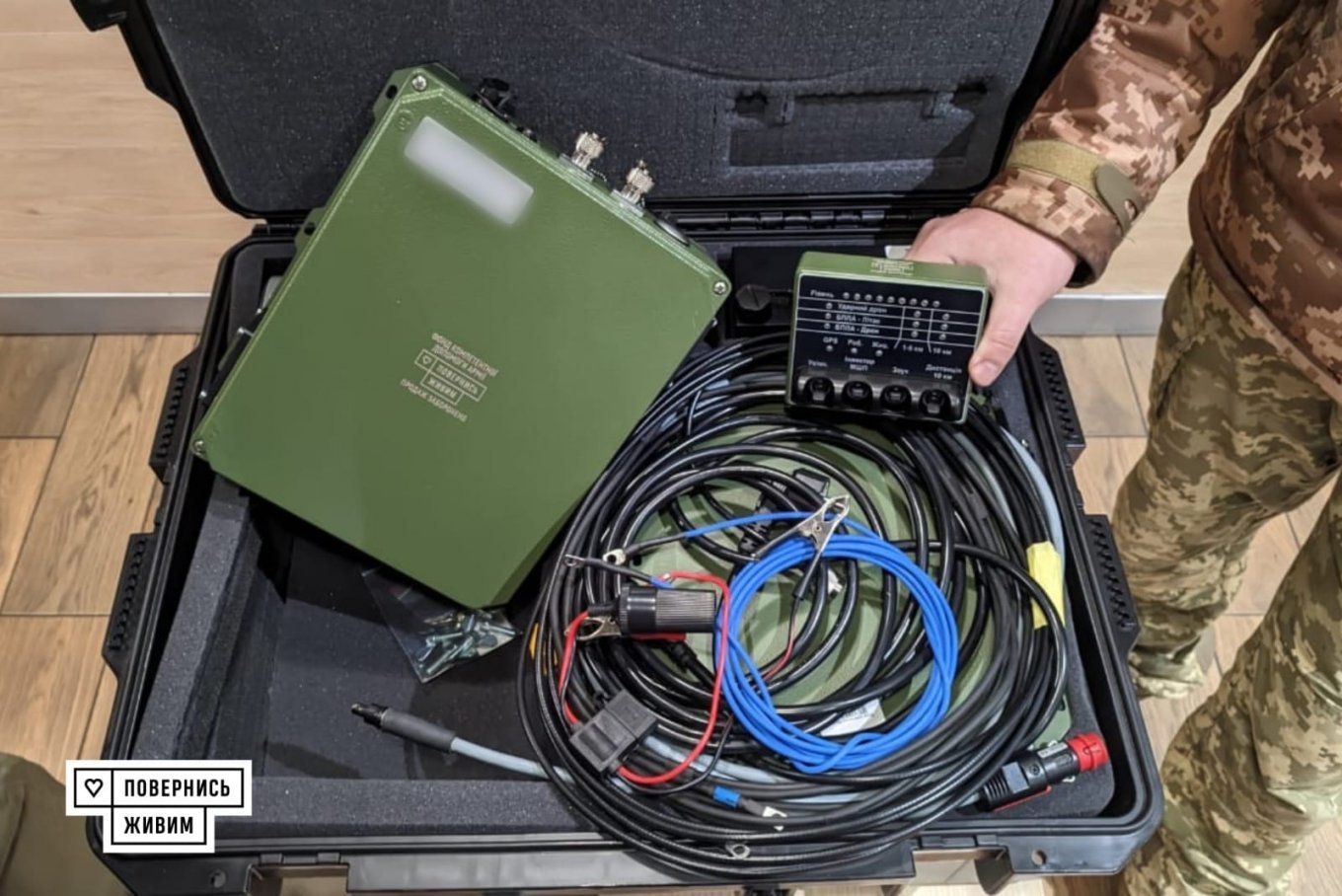
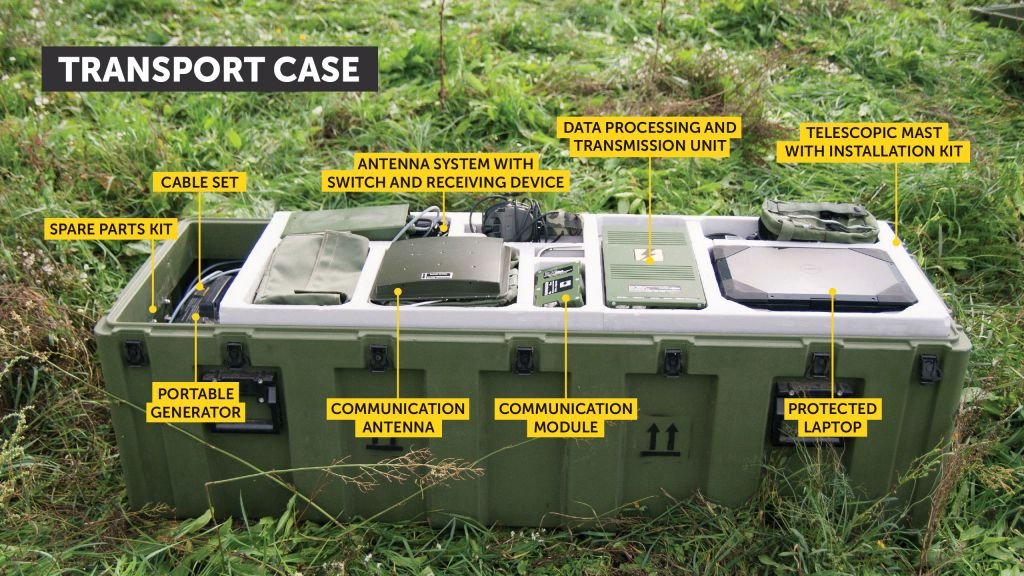
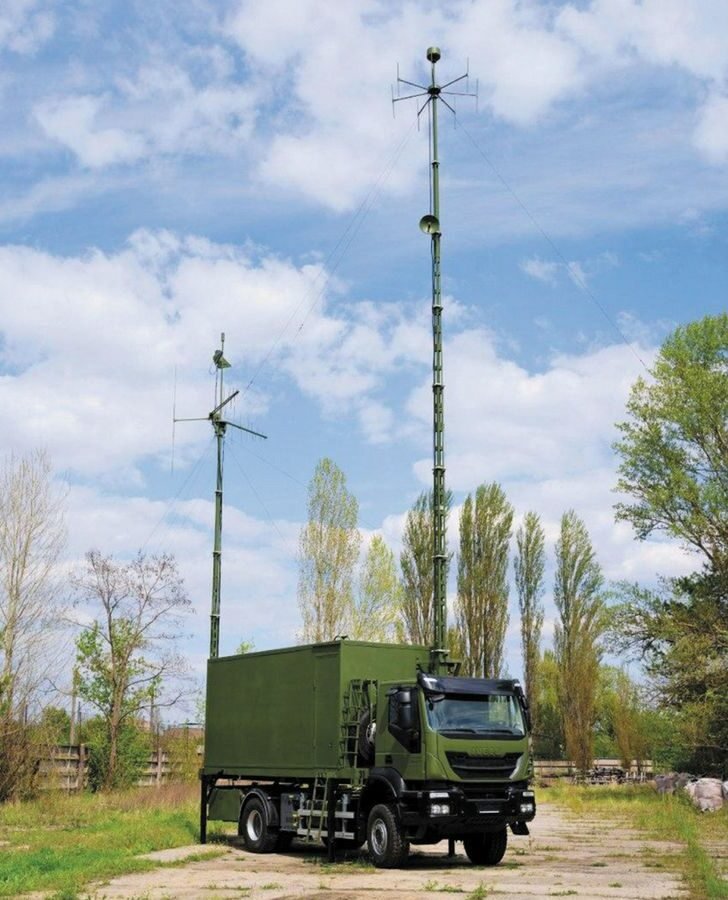
Photos: en.defence-ua.com · infozahyst.com
Built by Kyiv-based Infozahyst, the Plastun-RCS is a vehicle-mounted radio-control reconnaissance station designed to detect, classify, and direction-find the radio links that hold modern battlefields together — drone command-and-control channels, tactical voice nets, jammer emissions, and the data uplinks from loitering munitions. It entered service around 2018 and has since become a quiet workhorse of Ukrainian electronic intelligence, one of several Plastun-family systems Infozahyst has fielded in the SIGINT and EW space.
The station covers a wide swath of the radio spectrum, from VHF up through several gigahertz, and pairs that wideband front end with automated signal recognition and direction-finding algorithms. Operators see emitters appear on a map in close to real time, with bearings drawn from a single station and lines-of-bearing crossed when networked with other Plastun units. The architecture is modular: antenna masts, receivers, and operator consoles ride on standard truck or shelter platforms, and the software is built to push contacts forward into fires loops rather than holding them inside the SIGINT cell. That last point matters in this war — the value of a detected Orlan-10 control link or a Russian platoon radio depends on how quickly the bearing reaches a battery, a counter-UAS team, or a strike drone crew.
Ukraine is the headline operator. The country’s armed forces took delivery of Plastun systems before 2022 and have leaned on them heavily since the full-scale invasion, using the network to map the radio order of battle along the front and to cue counter-drone and counter-battery responses. Ukrainian operators have publicly described Plastun stations as one of the tools that help them locate Russian electronic-warfare complexes and unmanned-aerial-system control points, and Infozahyst has said the war drove a sharp rise in production and continuous software iteration.
Plastun-RCS sits inside a broader family that includes longer-range strategic SIGINT variants and lighter man-portable versions, and Infozahyst has continued to refresh its signal libraries as Russian forces rotate frequencies and waveforms. In a conflict where the contest for the electromagnetic spectrum is now central — drones cannot fly without it, artillery cannot hide from it — systems like Plastun-RCS occupy the same operational niche as Western platforms from L3Harris or Hensoldt, but tuned by the side that has spent the most recent years using them in earnest.