MVSS
Microflown Vehicle Sensor System — vehicle-mounted acoustic array combining gunshot localisation and UAV detection in one ruggedised unit.
Hardwareby Microflown AVISAIntroduced 2014
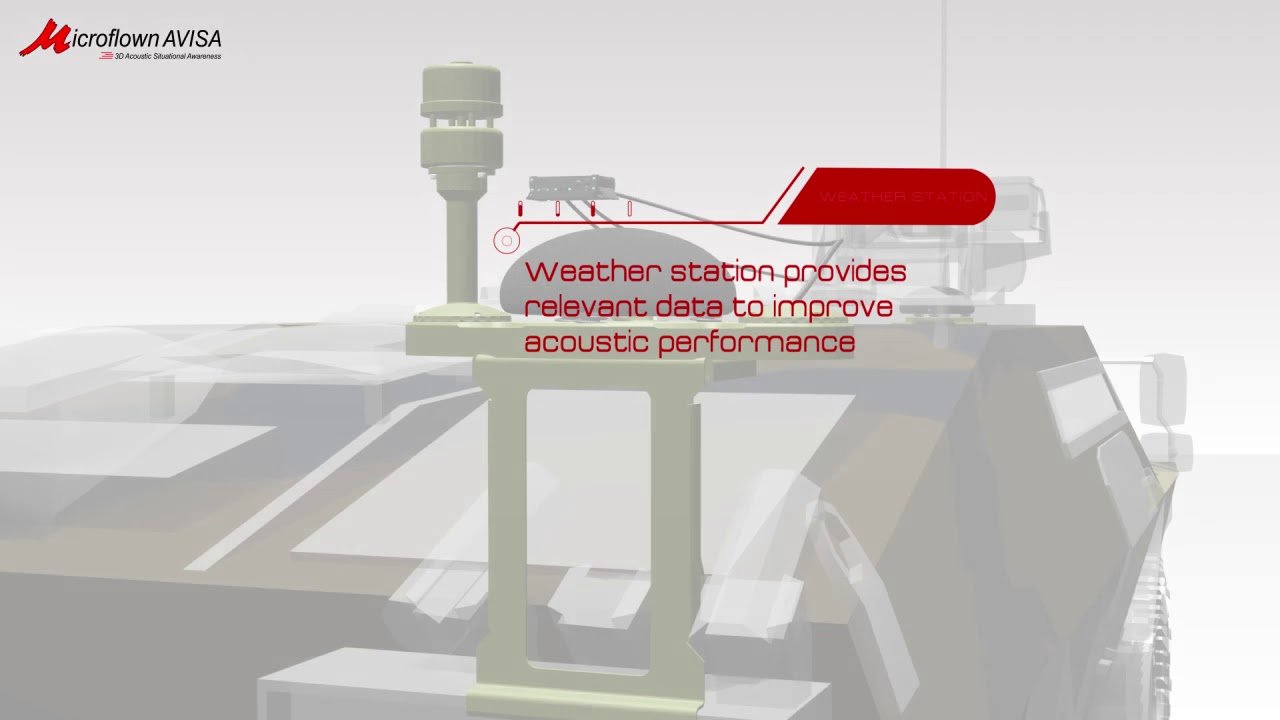

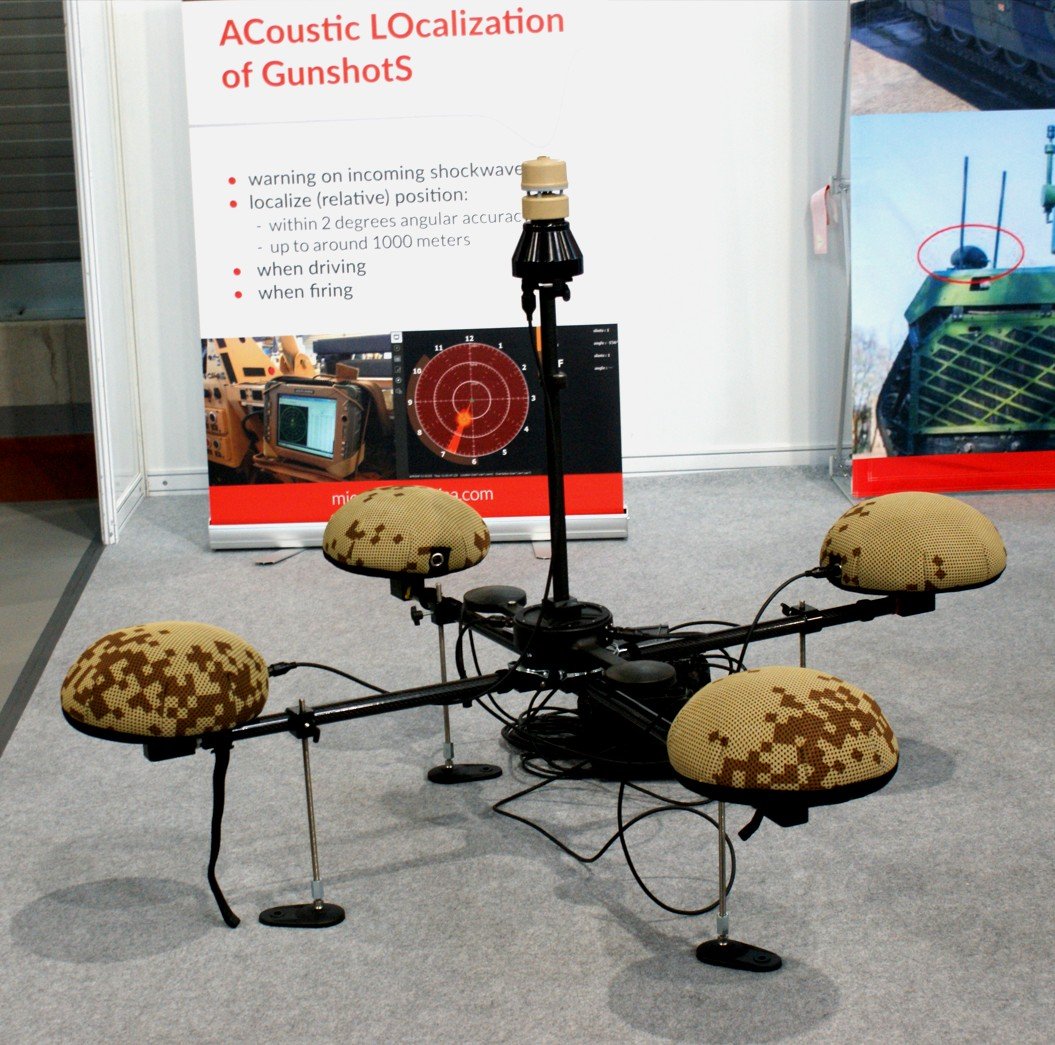
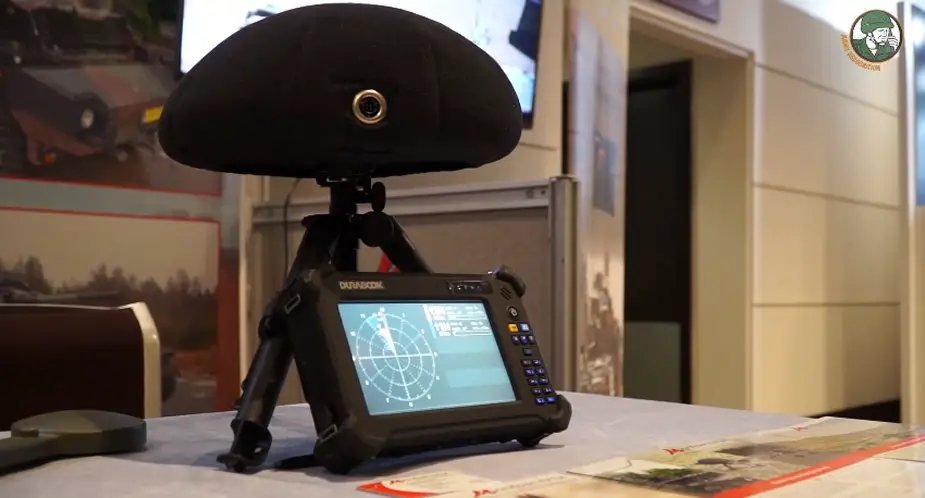
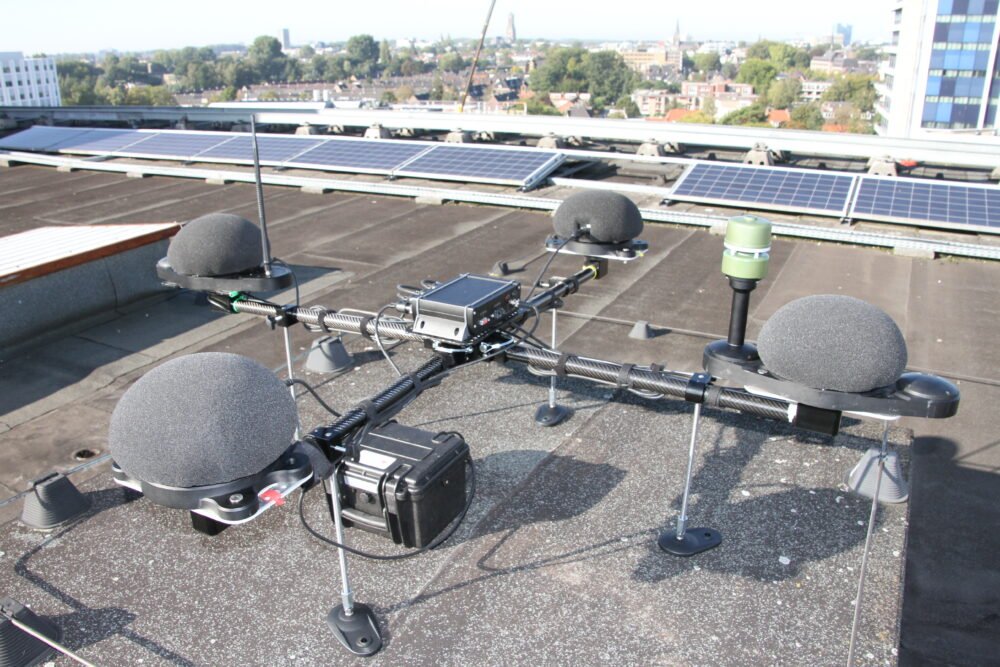
Photos: www.youtube.com · Microflown AVISA · www.armedconflicts.com · www.armyrecognition.com · www.microflown-avisa.com
MVSS, short for Microflown Vehicle Sensor System, is a vehicle-mounted acoustic detection package built by Microflown AVISA, the Arnhem-based Dutch firm that commercialised acoustic vector sensor technology for defence applications. Introduced in 2014, the unit folds two distinct threat-detection jobs — locating incoming small-arms fire and detecting low-flying drones — into a single ruggedised sensor head suited for mounting on armoured vehicles, light tactical trucks, and patrol platforms. The Netherlands armed forces are the publicly identified operator.
At the technical core sits Microflown’s signature acoustic vector sensor, a MEMS device that measures the particle velocity of sound waves directly rather than the pressure variations a conventional microphone records. Two nanometre-thin heated platinum wires sit in close parallel; air movement from a passing sound wave cools one wire more than the other, and the temperature differential resolves both the magnitude and direction of the acoustic signal. Because direction is encoded in a single sensor, a compact three-axis stack delivers full 3D bearing without the long microphone baselines that traditional array systems require. The MVSS combines this with on-board classification, fusing the transient signatures of supersonic muzzle blasts and shock waves on the counter-sniper channel with the persistent harmonic signatures of small UAV propellers on the counter-drone channel. Outputs are pushed to the host vehicle’s command-and-control stack over standard military data links.
Dutch ground forces have been the lead customer, with the system fielded as part of broader force-protection upgrades on patrol and reconnaissance vehicles. The MVSS sits inside a wider Microflown product family that also serves stationary perimeter coverage and dedicated armoured-platform applications, and the company has positioned its sensors with NATO members across Europe. Operational logic treats acoustic sensing as a passive complement to radar and electro-optical means: it gives away no emissions, works through dust and at night, and detects around terrain in ways a directional camera cannot.
Development since the original 2014 release has tracked the changing drone threat. Where the early MVSS was tuned primarily to the counter-sniper problem, with UAV detection a secondary mode, the proliferation of small commercial quadcopters and loitering munitions on battlefields from Ukraine to the Red Sea has shifted the centre of gravity. Software updates have extended classification libraries to cover newer rotor signatures, and integration into multi-sensor counter-UAS suites has become a core selling point. The compact footprint also lends itself to retrofit programmes on legacy fleets where adding a full radar mast is impractical.
Within the small field of vehicle-grade acoustic threat sensors — a niche dominated by French competitors fielding multi-microphone arrays — the MVSS leans on Microflown’s vector-sensor intellectual property to keep the package smaller and lighter than rival designs. It remains a specialist product in a counter-drone market otherwise dominated by RF-based systems, but the appeal of a fully passive, emissions-free option keeps acoustic players in the conversation.