MIRADOR
Electro-optic fire control system with automated target tracking for naval close-in and medium-range engagements.
Hardwareby Thales NederlandIntroduced 2003
Photos: esut.de · Thales Nederland · www.janes.com · www.navalnews.com
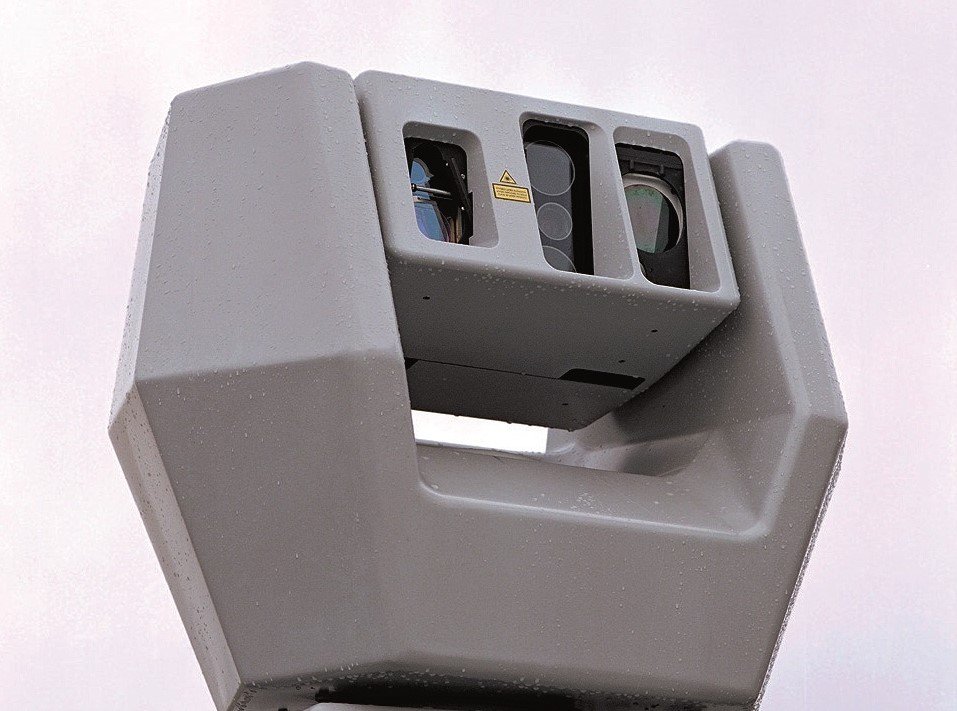
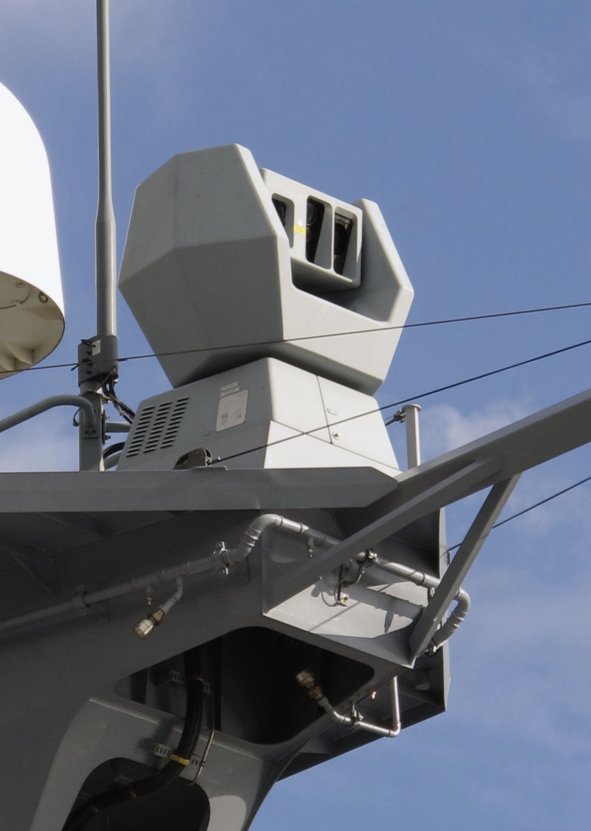
MIRADOR is a shipborne electro-optical fire control system built by Thales Nederland, the Hengelo-based combat-systems house that traces its lineage to Hollandse Signaalapparaten. Introduced in 2003, the mount gives naval crews an independent optical channel for tracking surface and air targets — useful when radar is jammed, when contacts fly below the radar horizon, or when emissions discipline rules out an active radar lock. It has become the standard EO director on the Royal Netherlands Navy’s larger combatants and has been exported to several NATO neighbours.
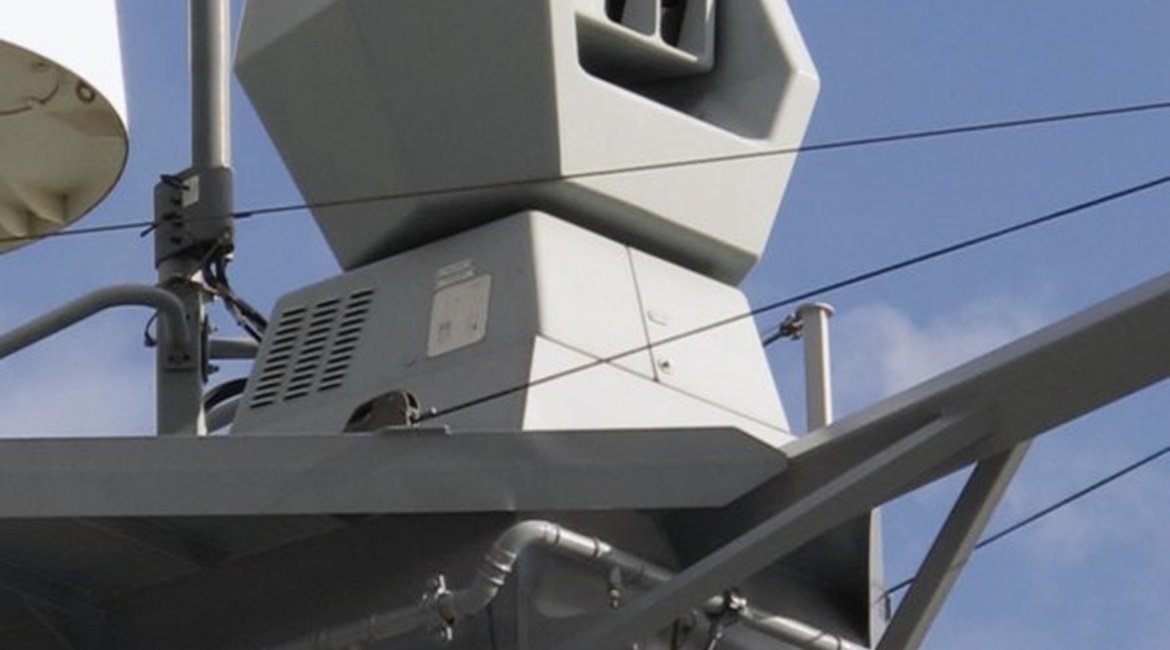
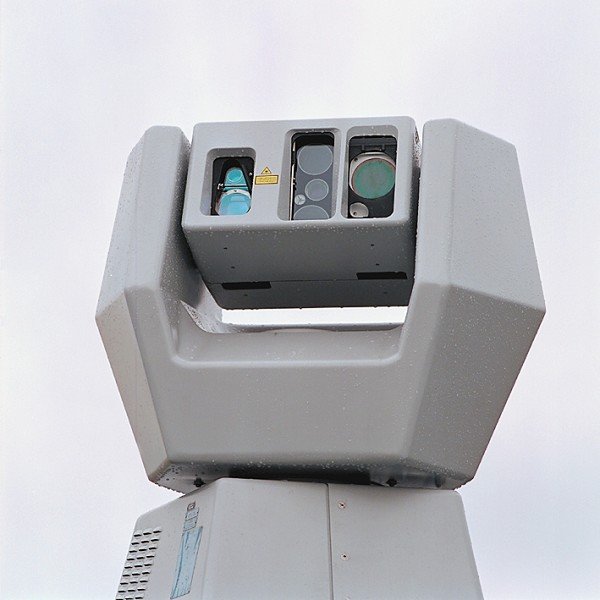
The system is built around a gyro-stabilised pan-and-tilt head carrying a colour television camera, a third-generation thermal imager, and an eye-safe laser rangefinder. Imagery from the three sensors is fused on the operator’s console, where automatic target trackers — built on the image-processing stack Thales has been refining since the 1990s — lock onto a designated contact and feed range, bearing, and elevation back to the ship’s combat management system. From there the track can be handed to a gun mount such as the Goalkeeper close-in weapon system or the 76 mm OTO Melara, or used to cue a missile launcher. The mount itself is sealed against salt spray and continues to track through ship roll, vibration, and the muzzle blast of its own weapons.
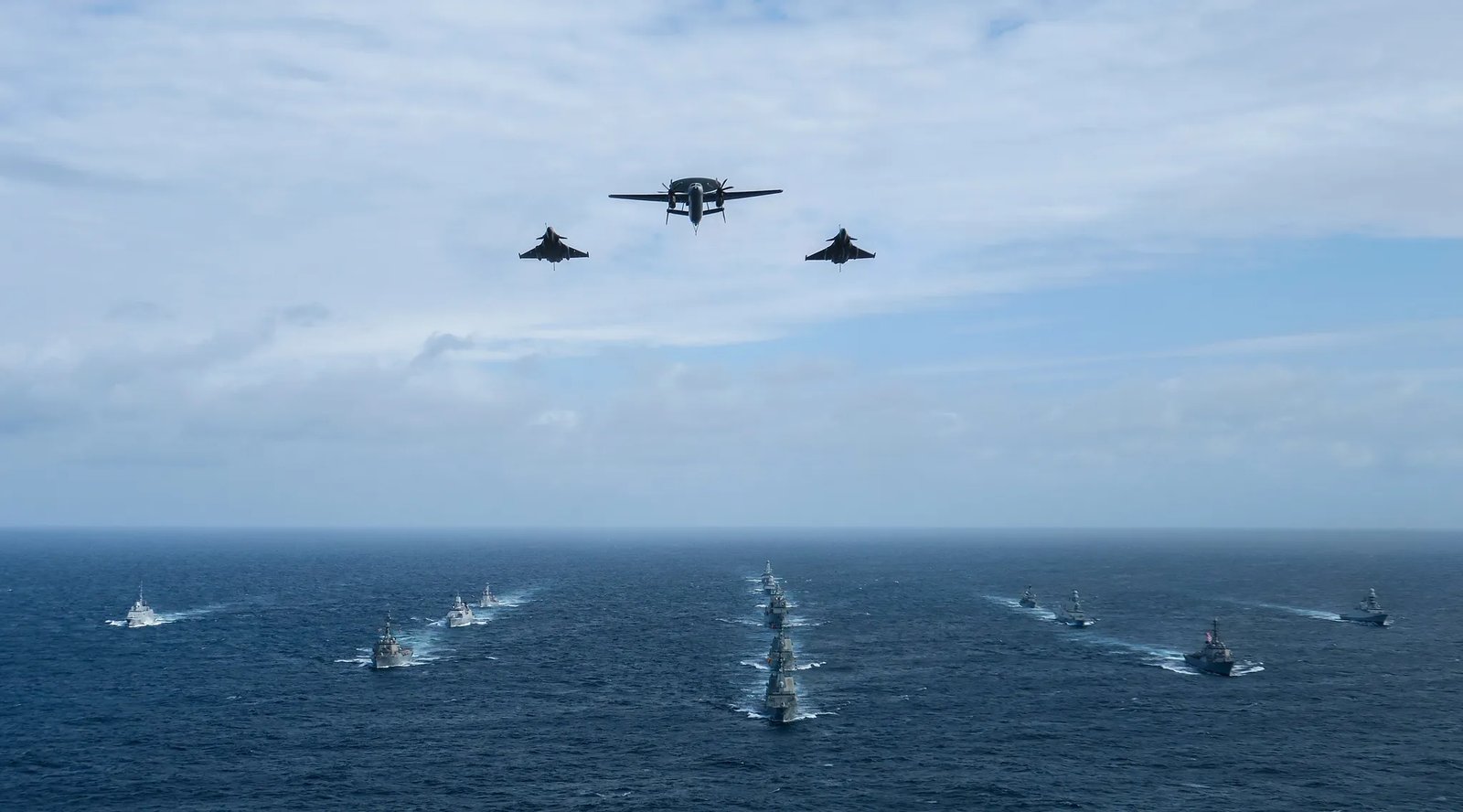
Operators include the Royal Netherlands Navy, which fits MIRADOR on its De Zeven Provinciën-class air-defence frigates, Holland-class offshore patrol vessels, and the joint-support ship HNLMS Karel Doorman; the Portuguese Navy on its Bartolomeu Dias-class frigates (former Dutch M-frigate hulls); and the navies of Germany, Belgium, and Denmark on a range of frigate and patrol platforms. The system has accumulated operational hours on counter-piracy patrols off the Horn of Africa, on Standing NATO Maritime Group deployments, and on Red Sea escort missions, where Houthi one-way attack drones and anti-ship missiles have made low-altitude optical tracking newly important.
Thales Nederland has iterated on the platform without renaming it, fielding updated sensor heads with longer-range thermal imagers and trackers tuned for small unmanned aerial systems — the same class of target the war in the Black Sea has shown can saturate a warship’s radar picture. The Dutch sea-drone defence work the company has been publishing on, including deep-learning classifiers for low-RCS contacts, is being pulled into the MIRADOR processing chain rather than spun off into a separate director.
Within the European naval EO market, MIRADOR sits alongside competitors such as the Safran Vampir NG and the Rheinmetall MSP-500, distinguishing itself less by raw sensor performance than by the depth of its integration into the Thales combat systems already running on the same hulls.