Khortytsia-M
Battle-management and EW situational-awareness system fusing SIGINT feeds for commanders.
systemby InfozahystIntroduced 2020
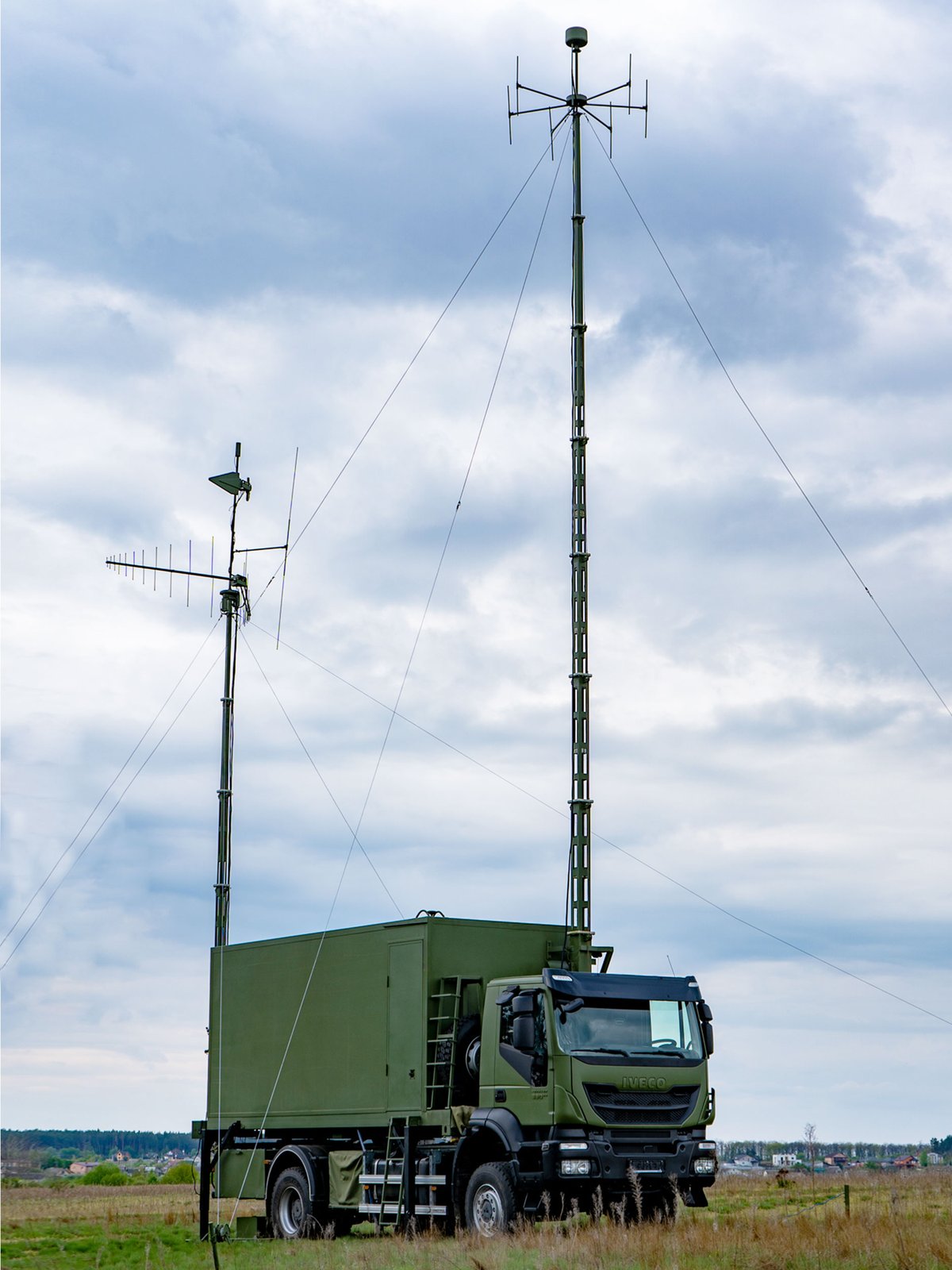
Photos: infozahyst.com · defence-blog.com · Militaryukr
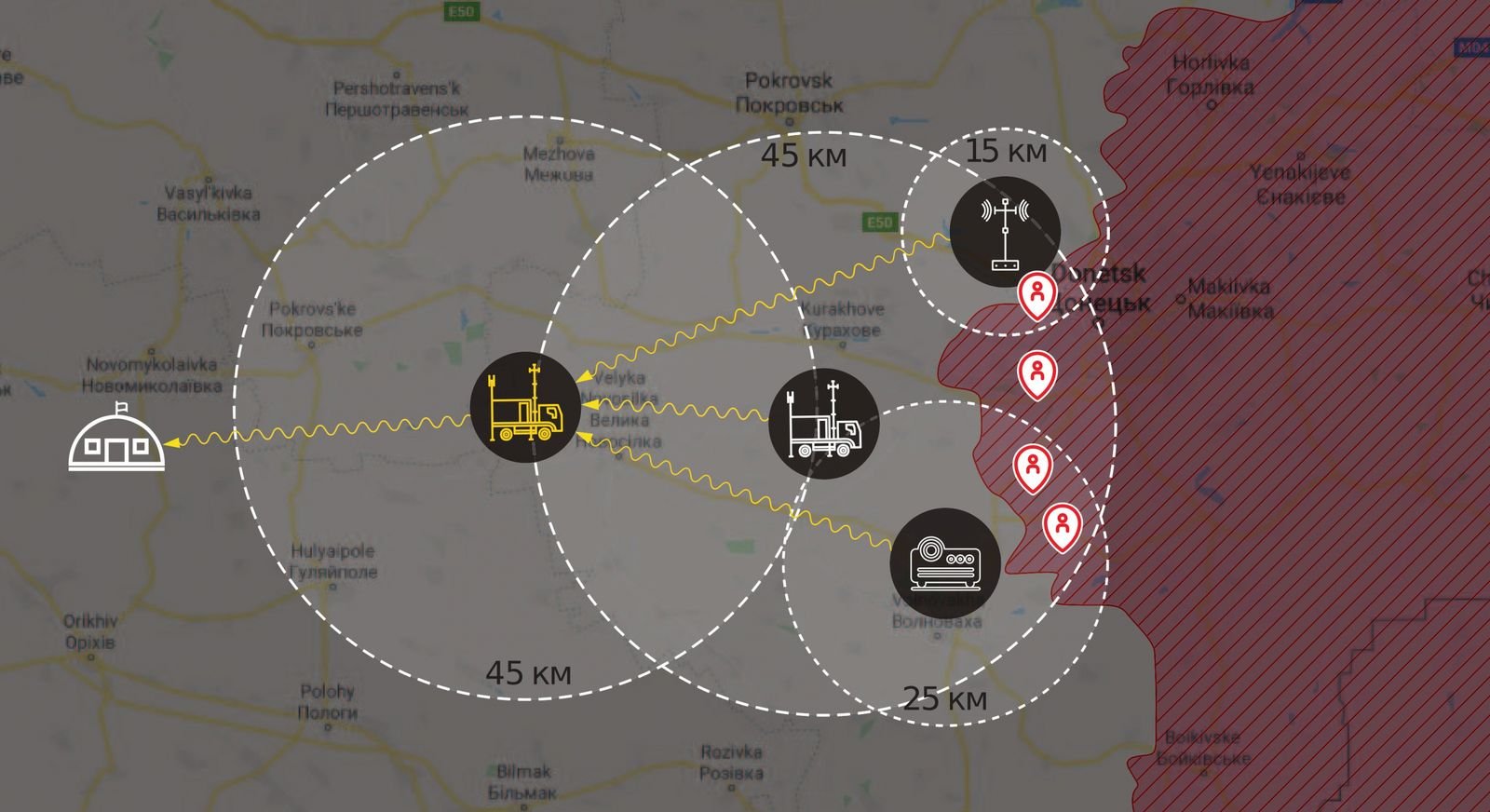
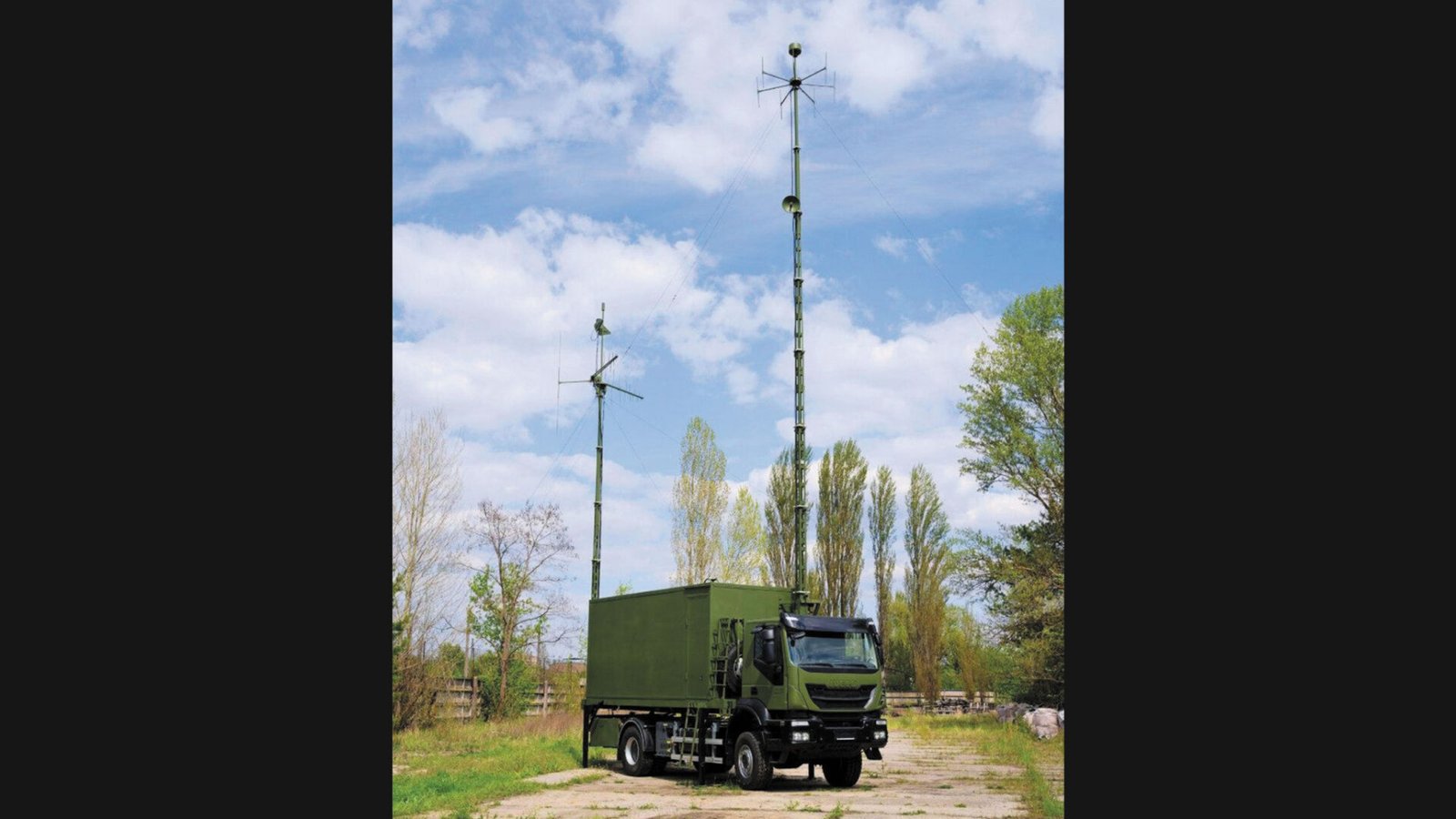
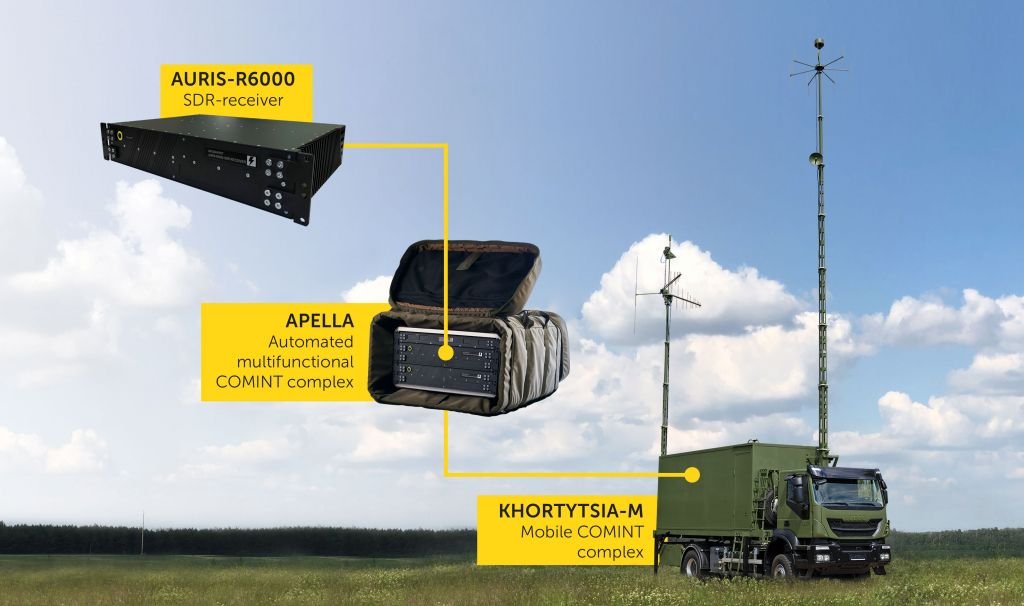
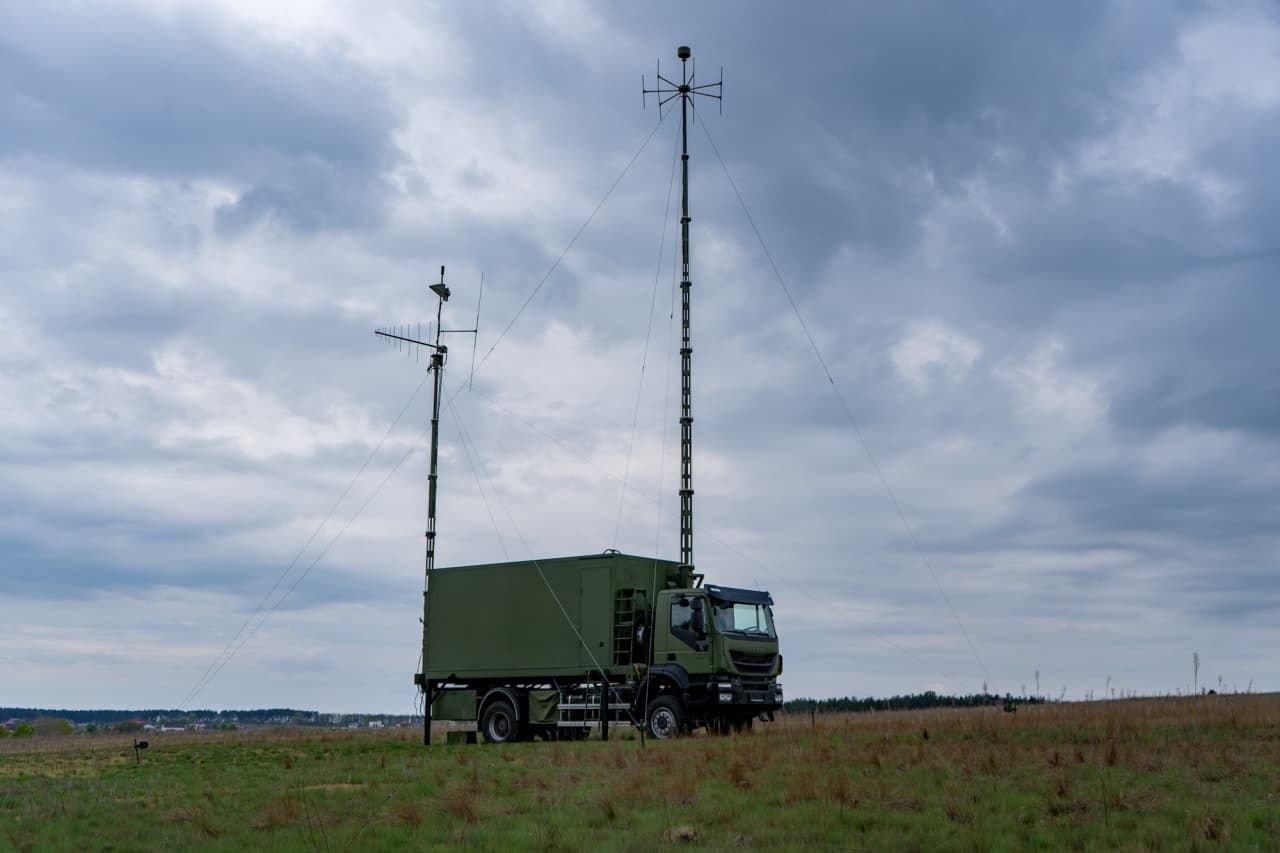
Khortytsia-M is a battle-management and electronic-warfare situational-awareness system fielded by the Armed Forces of Ukraine since around 2020. Built by Kyiv-based Infozahyst, it sits at the command-level layer above the company’s Plastun signals-intelligence suite, fusing radio-monitoring feeds with terrain mapping so brigade and operational staffs can read the electromagnetic picture of the battlefield in something close to real time.
The system pulls signal data from Plastun ground stations and other compatible direction-finding receivers, geolocates emitters by triangulation, and overlays the resulting tracks on a digital map alongside friendly and enemy positions. Operators use it to plot Russian command-post locations, fix the bearings of jammers and air-defence radars, and — increasingly central to the current war — detect the radio-control links that tether Russian first-person-view drones and fixed-wing UAVs to their pilots. Once an emitter is classified, the same console can push the contact onward to fires units, EW platoons, or counter-battery cells, compressing what used to be a multi-step staff process into a single workflow.
Ukraine has been the system’s only public operator since its introduction. It entered service before Russia’s full-scale invasion in February 2022 and has been iterated on continuously through wartime feedback, with updates reportedly pushed to deployed units as the Russian electromagnetic order-of-battle shifts. The combination of Plastun receivers in the field and Khortytsia-M at the headquarters has become a recognisable signature of how Ukrainian brigades hunt Russian artillery, drone teams, and electronic-warfare assets along the Donbas and southern fronts.
Infozahyst has not publicised export contracts for Khortytsia-M, and the architecture is built around Ukrainian sensor formats; what the company sells abroad — under the Plastun banner — tends to be the SIGINT collection hardware rather than the command-level fusion layer. Inside Ukraine the system sits in a small group of locally built battle-management tools, alongside the Defence Ministry’s Delta platform and a number of brigade-grown alternatives, that have replaced Soviet-era paper-map and voice-radio workflows over the course of the war.
Its profile abroad is modest by design. The interesting story is operational: a domestically built EW common operating picture, hardened in three years of large-scale war, is now a baseline expectation for any Ukrainian formation tasked with finding and killing Russian emitters.