Kelluu Airship
Hydrogen-powered autonomous airship designed for persistent long-endurance ISR, environmental monitoring, and border surveillance.
Droneby KelluuIntroduced 2020
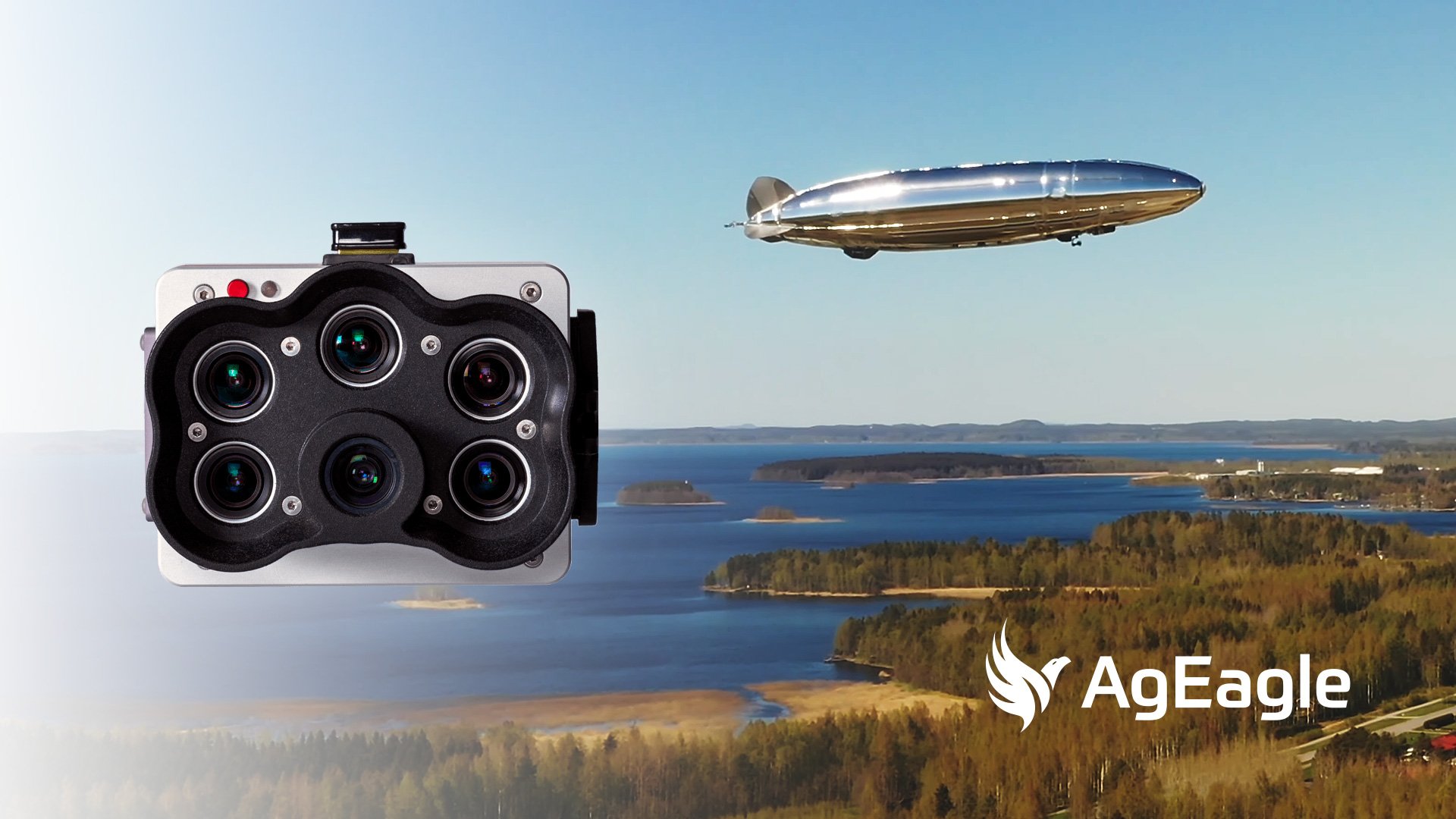

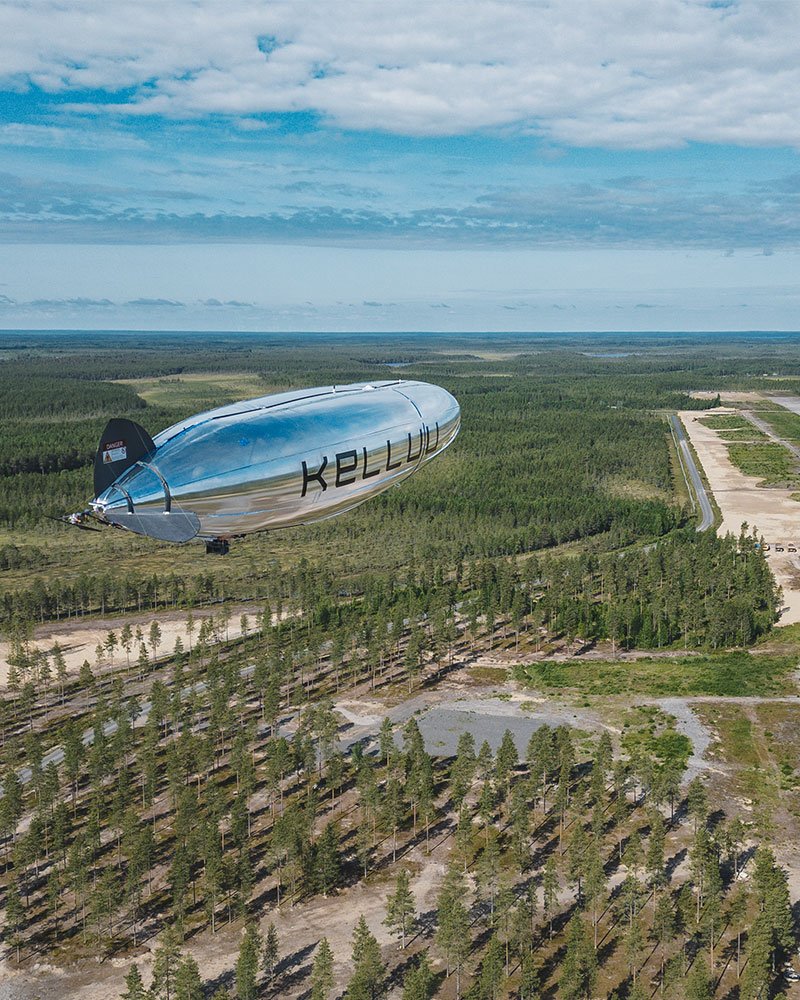

Photos: eaglenxt.com · kelluu.com · highways.today
Kelluu Airship is a small autonomous hydrogen-lift airship built by Kelluu, a Finnish startup based in Joensuu. The 12-metre envelope carries an electric propulsion module and a swappable sensor bay, and is designed to loiter over a fixed area for hours at a time rather than transit at speed. The platform reached commercial service around 2020, after several years of prototyping, and has since been pitched as a low-noise, low-cost alternative to fixed-wing ISR drones for missions where staring is more useful than chasing.
The airship’s defining feature is its hydrogen lift gas, which means the bulk of the energy budget goes into station-keeping and sensors rather than into staying aloft. A typical sortie runs up to twelve hours; the company has demonstrated multi-day operations by rotating airships through a ground crew. Autonomy is handled on board: operators upload a mission area and the airship plans its own pattern, holds altitude against wind, and returns for landing without a stick-and-rudder pilot. The standard payload pairs an electro-optical / infrared gimbal with options for hyperspectral, methane-sensing, and LiDAR modules, and the company has flown 5G relay and air-quality packages on the same airframe. Cruise speed is modest — the aircraft is meant to be quiet and persistent rather than fast — and the small acoustic and thermal signature makes it harder to spot than a piston-engined surveillance drone of comparable endurance.
Finland is the lead operator. The Finnish Border Guard has tested the airship along the eastern frontier with Russia, a section of NATO’s external border that has drawn fresh attention since Helsinki’s accession to the alliance in April 2023 and Russia’s instrumentalised migration push later that year. Kelluu has also flown civil missions for the Finnish Forest Centre, energy utilities, and environmental agencies, building flight hours that feed back into the military-adjacent use cases. Outside Finland, the company has run demonstrations with European partners and competed in NATO innovation programmes aimed at unmanned ISR.
Development work has focused on payload integration, swarming several airships under a single operator, and extending unattended endurance with autonomous ground handling. Within the persistent-surveillance niche, the system competes with tethered aerostats and small fixed-wing UAVs; what distinguishes it is the combination of free flight, hydrogen lift, and a price point that lets agencies field several airships rather than one expensive asset.