Kelluu
Hydrogen-powered autonomous airships for long-endurance ISR and border surveillance.
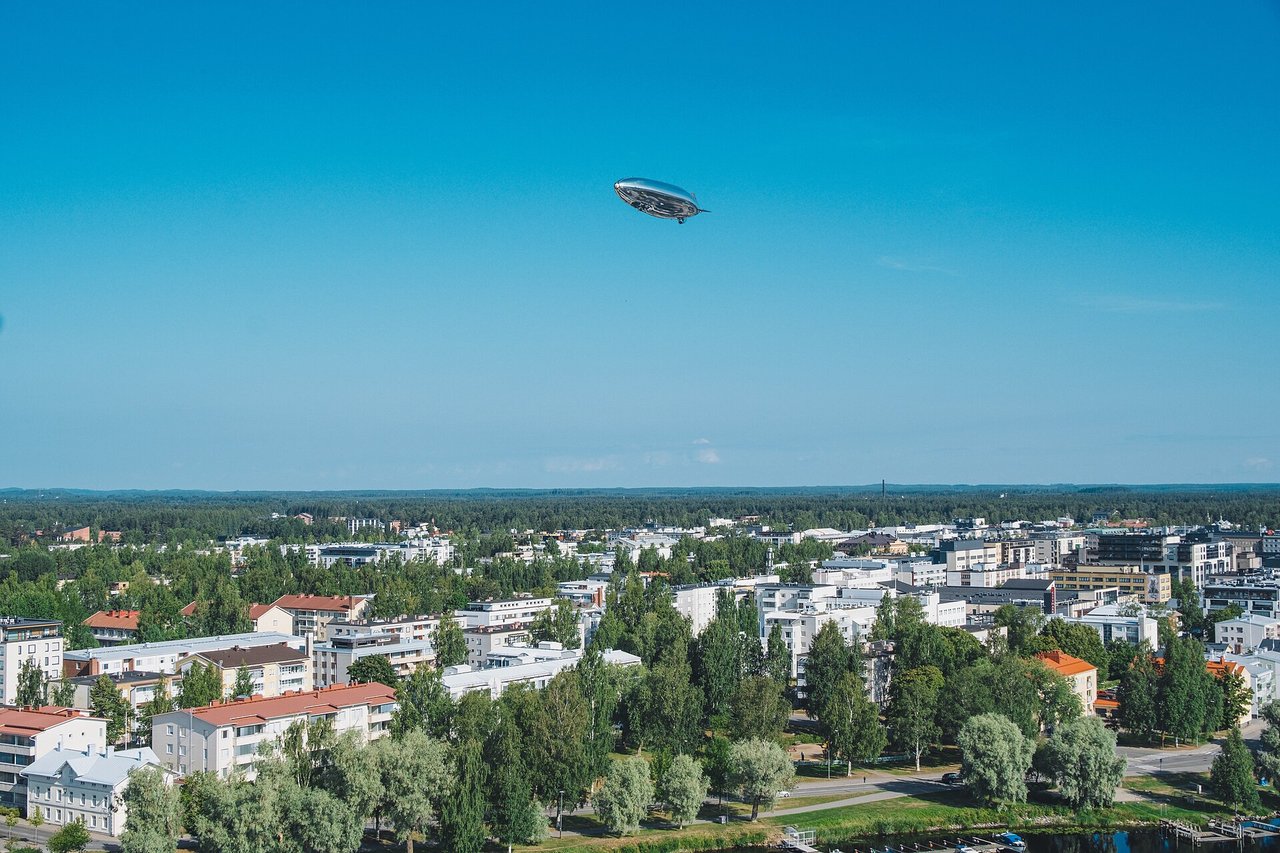
Kelluu is a Finnish company based in Joensuu, specializing in the design and operation of autonomous hydrogen-powered airships for persistent aerial surveillance. Founded in 2018, the firm positions its technology as a bridge between the high-altitude persistence of satellites and the high-resolution agility of drones. The company operates its own fleet of these unmanned aerial vehicles, offering data collection and digital twin creation as a service rather than solely selling hardware. This “airship-as-a-service” model allows Kelluu to manage the entire ecosystem, including software, hardware, and flight permissions, for clients requiring long-endurance situational awareness.
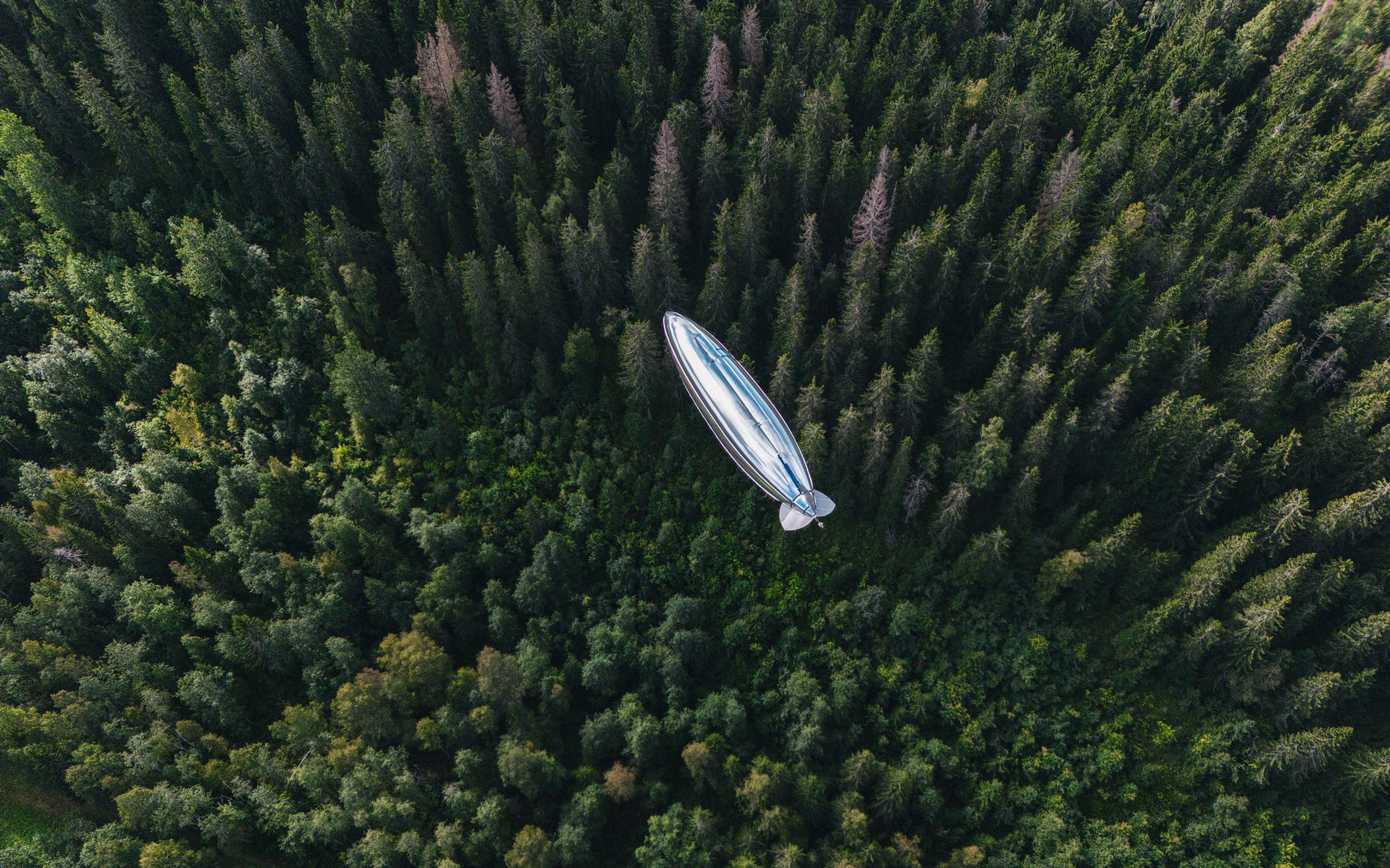
The core of Kelluu’s offering is its autonomous airship, which utilizes hydrogen for propulsion and lift. The company states that its hydrogen system is five times more energy-efficient than commercial drones and carries twenty times more energy onboard, enabling flight times of up to 12 hours on a single charge. Unlike traditional drones that require on-site pilots and have limited endurance, Kelluu’s airships are designed for autonomous operation, making them suitable for Arctic conditions and continuous monitoring. The airships can carry a payload of up to 6 kg, allowing for the attachment of various sensors. The company claims its technology can achieve a resolution where one pixel equals one centimeter in the real world, facilitating the creation of detailed 3D digital twins and large-scale environmental intelligence.
Kelluu markets its capabilities across three primary domains: defense, critical infrastructure, and environmental intelligence. In the defense sector, the company emphasizes its role in strengthening security through persistent situational awareness. The firm highlights its ability to monitor wide areas and spot risks early, particularly in populated or sensitive regions where its silent operation and compliance with European regulations are advantageous. The company has also demonstrated its technology in non-military contexts, such as using an airship in Koli National Park to study bark beetle damage in forests and creating a 3D digital twin of a major electric car battery production site. These examples illustrate the platform’s versatility in capturing large-scale data for both commercial and strategic purposes.
The company describes itself as the northernmost airship factory in the world, manufacturing its own vessels in Joensuu. This vertical integration allows Kelluu to offer a complete monitoring solution. The firm’s website promotes the airships as safe, citing a patented hydrogen-safe structure to prevent explosions. While the company does not explicitly list specific military customers or contract values in its public materials, its positioning in the defense category and emphasis on border surveillance and critical infrastructure protection align with the growing demand for long-endurance ISR platforms in Europe. The firm’s focus on persistent aerial data layers suggests a strategic interest in providing continuous monitoring capabilities that traditional satellite or drone systems cannot sustain.