Ironclad
Tracked unmanned ground combat vehicle armed with the Shablya remote weapon module for fire support and reconnaissance.
vehicleby RoboneersIntroduced 2023
Photos: wikitanks.com · defence-ua.com · en.defence-ua.com · Wikipedia
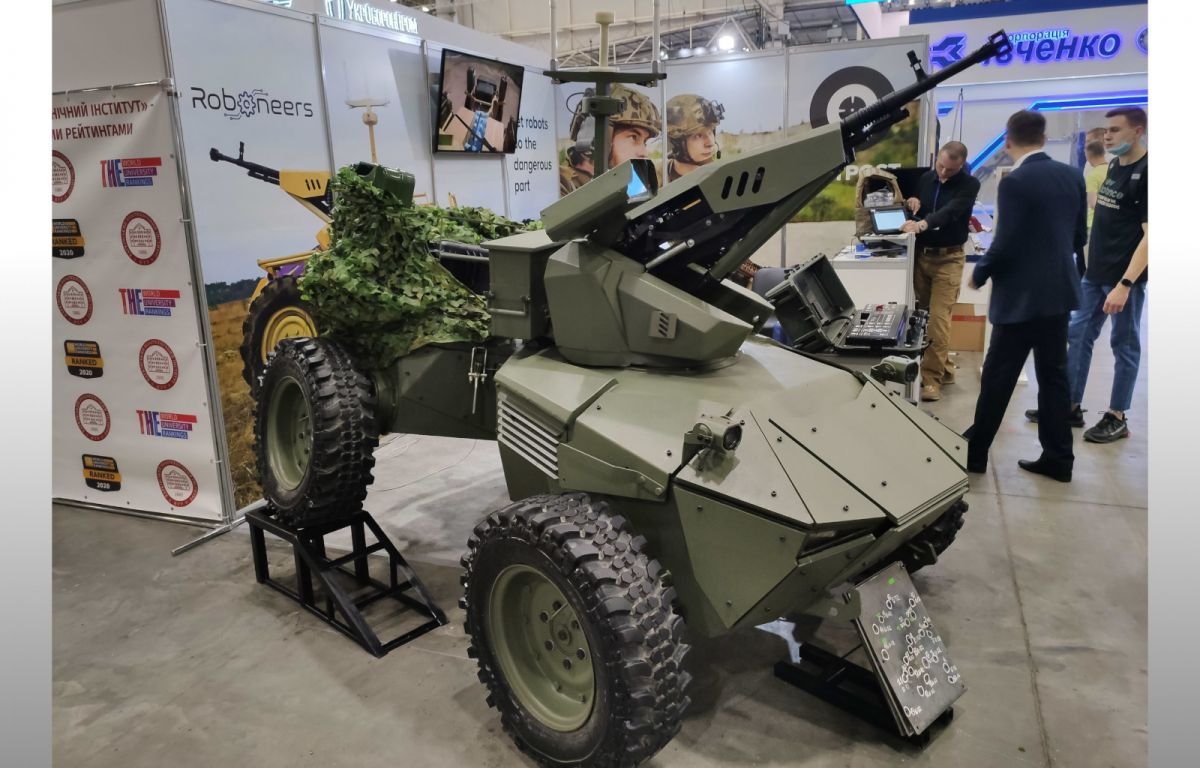
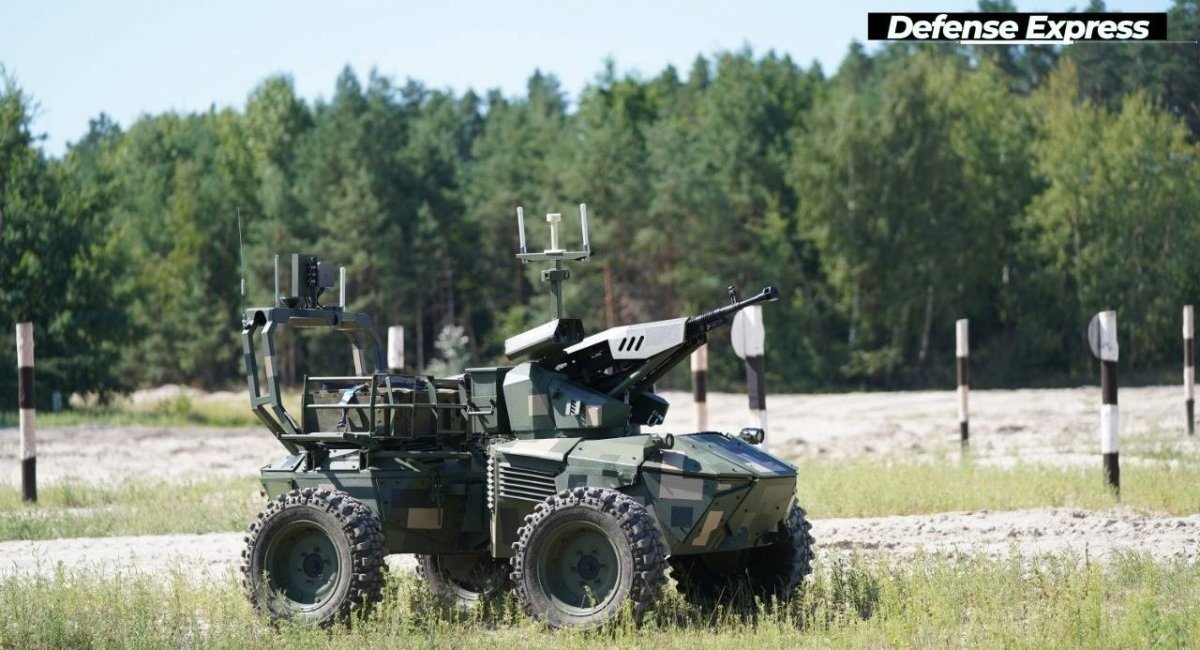
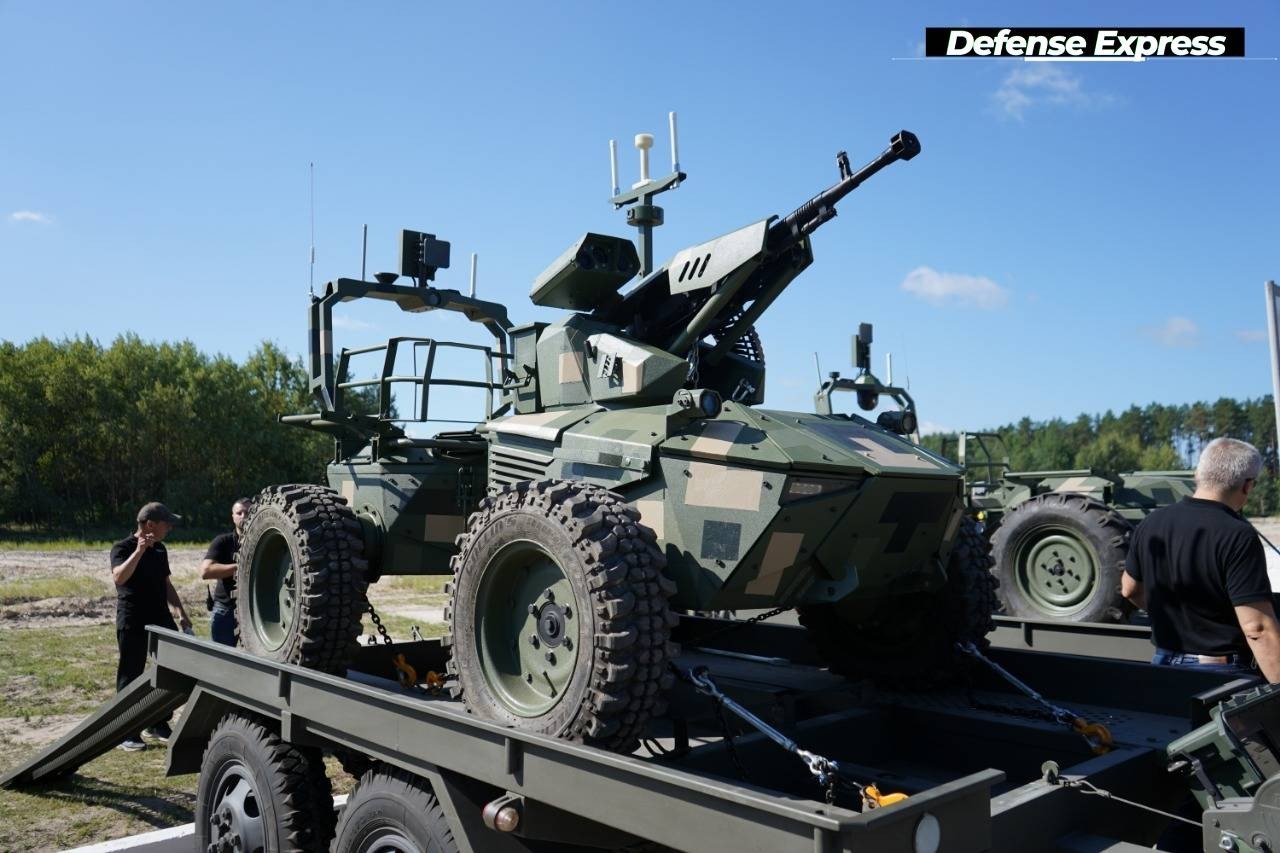
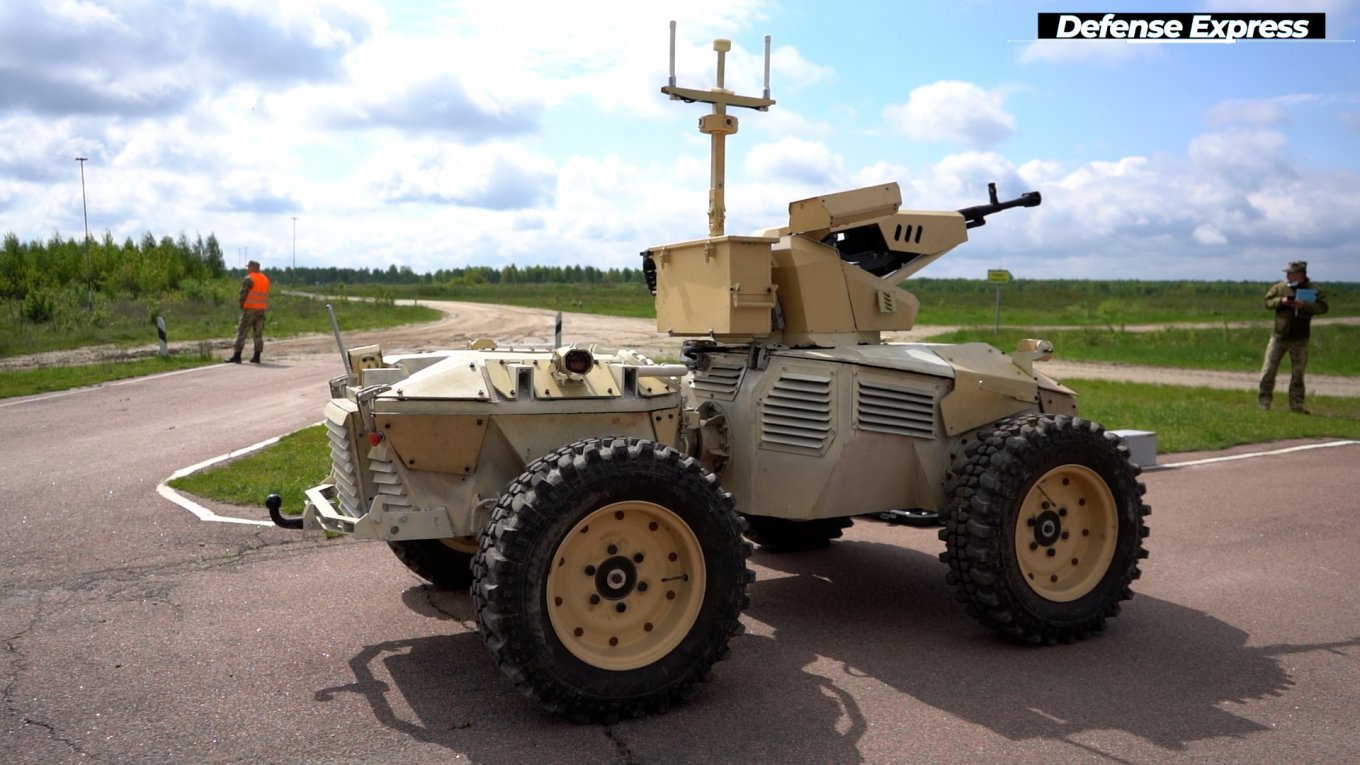
Ironclad is a tracked unmanned ground combat vehicle developed by Roboneers, a Ukrainian robotics firm best known for its Shablya family of remote weapon stations. The platform first appeared in 2023 as part of Ukraine’s wartime push to field domestically built ground robots that could take on tasks too dangerous for infantry — fire support, perimeter defence, and reconnaissance under direct enemy observation. It is a small, low-slung machine, weighing in the low hundreds of kilograms, with a steel hull intended to shrug off small-arms fire and shell fragments from the front aspect.
The defining subsystem is the Shablya M2 remote weapon module mounted on the upper deck. The Shablya is Roboneers’ production-grade RCWS, typically armed with a 7.62 mm PKT machine gun on a stabilised cradle with day and thermal optics, laser rangefinder, and digital ballistic correction. On Ironclad the module is slaved to a tele-operator working from a rugged ground-control station that streams live video over an encrypted radio link. The vehicle itself is tele-operated rather than autonomous; an operator drives it forward into a firing position, then engages targets through the same console used for the weapon. Tracked locomotion gives it the ability to cross trenches, mud and debris that would strand the wheeled UGVs more common on the same front, at the cost of speed and range.
Operationally, Ironclad has been deployed by Ukrainian forces along the eastern and southern fronts of the war with Russia. Roboneers has shown footage of the platform crewing static defensive positions, covering road approaches, and supporting assault groups by suppressing tree lines and dugouts ahead of an advance. It is one of a small but growing class of armed Ukrainian ground robots — alongside systems such as the Vyriy family and various ad-hoc designs from frontline workshops — that have moved from prototype demonstrations to repeated combat use within the same eighteen-month window. Public unit numbers remain limited, with Roboneers describing serial production rather than concrete delivery counts.
Development has continued in step with feedback from Ukrainian crews. Iterations have focused on reducing the radio signature, hardening the data link against jamming, and improving the optics package on the Shablya turret so the vehicle can engage at the longer ranges typical of drone-saturated front lines. Against the wider field of armed UGVs — Estonia’s THeMIS, Russia’s Marker, the various Western prototypes still in trials — Ironclad stands out less for raw capability than for the fact that it is being shot at, repaired, and shot at again, on a real battlefield, in numbers.