IRIS
3D X-band staring radar that detects, tracks, and classifies micro-drones in real time using neural-network classification.
Hardwareby Robin Radar SystemsIntroduced 2018
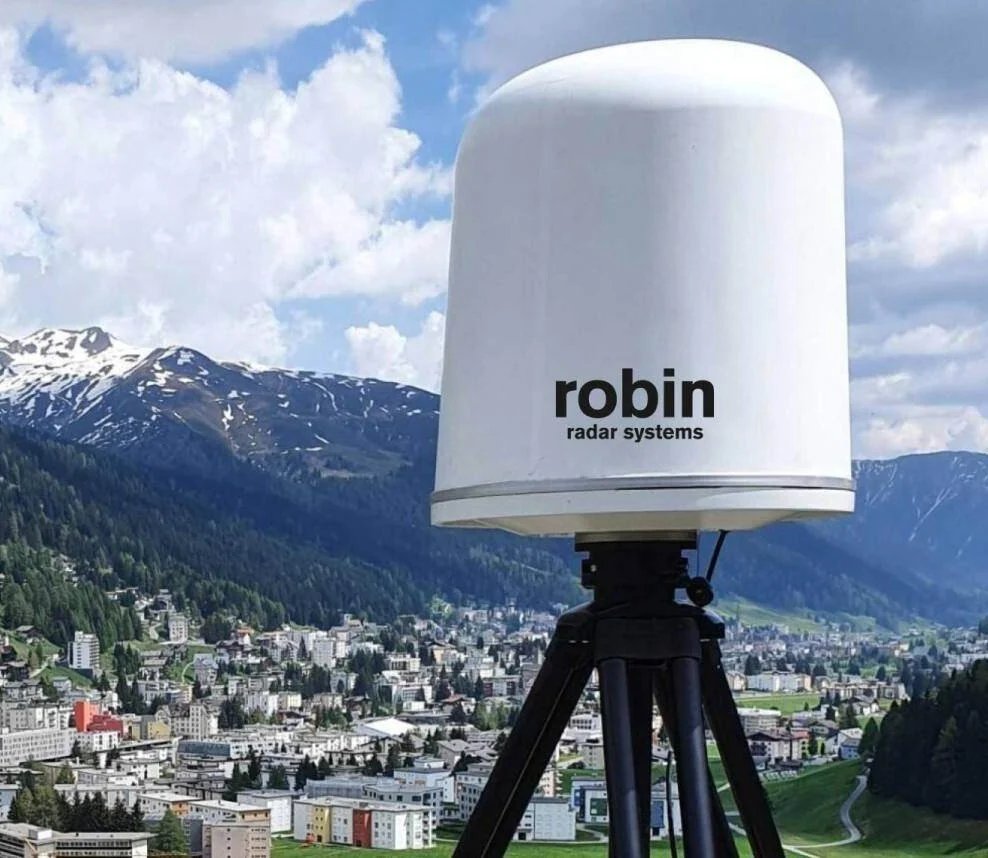
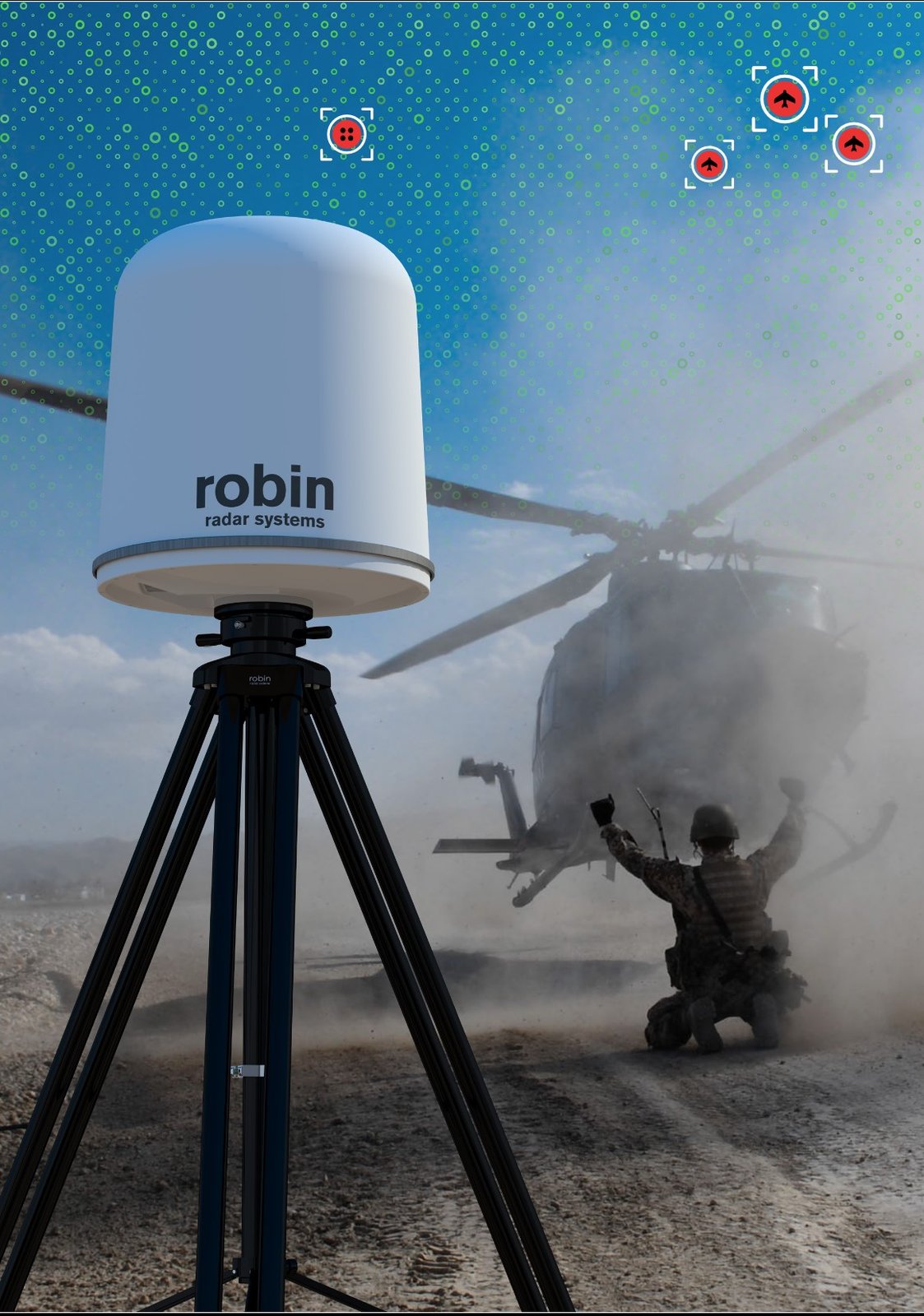
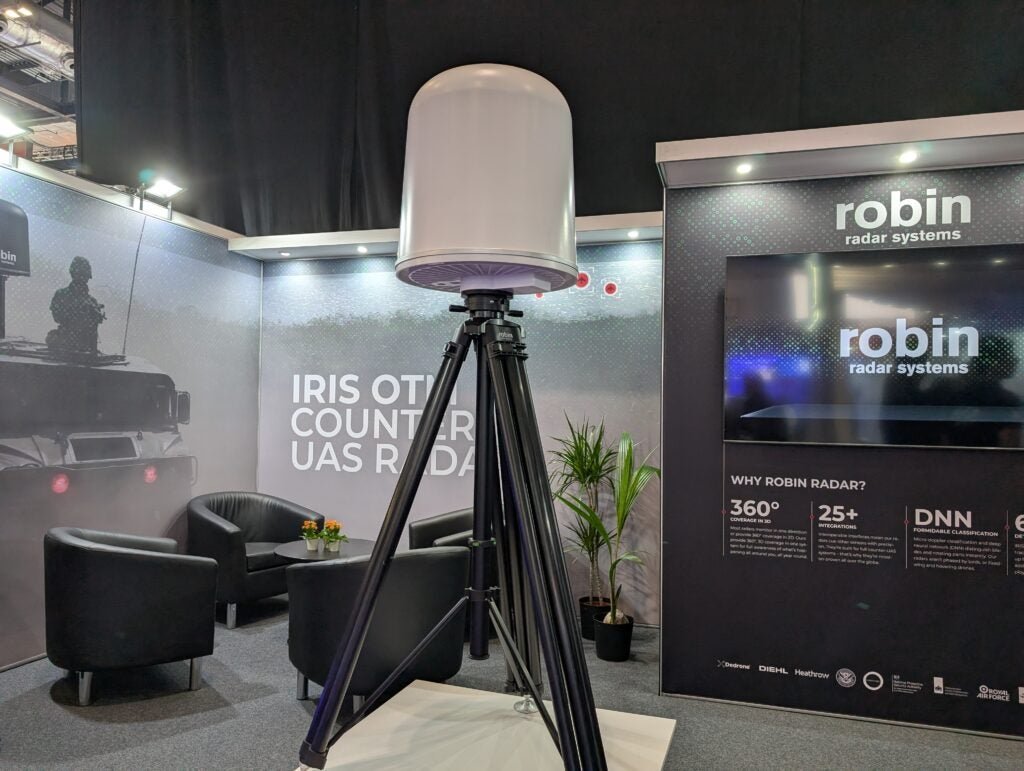
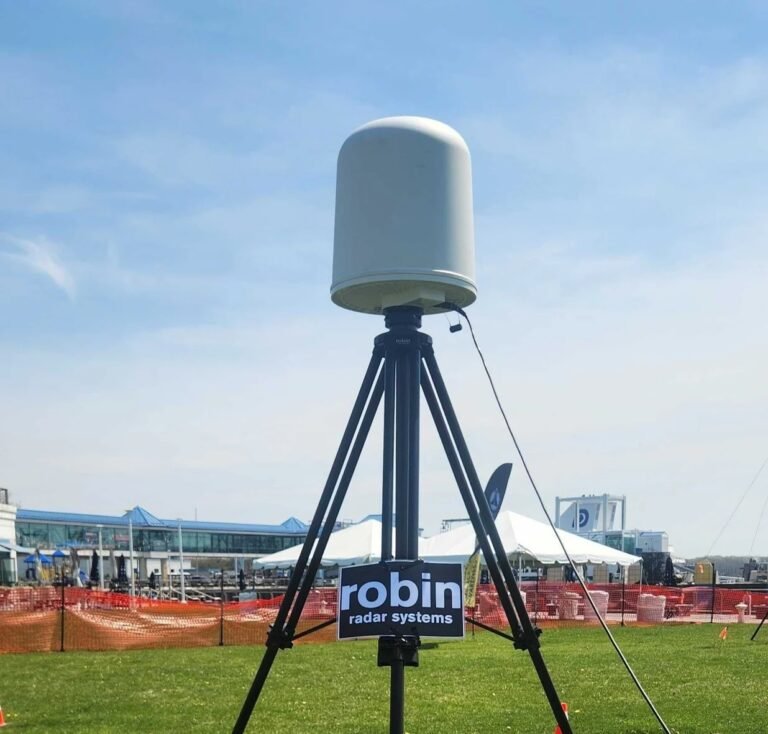
Photos: www.robinradar.com · euro-sd.com · www.overtdefense.com · www.unmannedsystemstechnology.com
IRIS is a 3D staring radar built by Robin Radar Systems, the Dutch sensor firm based in The Hague that originally made its name detecting birds around wind farms and airports before pivoting hard into the counter-drone market. The system entered service in 2018 and has since become one of the most widely fielded micro-drone sensors in NATO airspace, sold as a fixed-site or vehicle-mounted unit and integrated into a growing number of European and American counter-UAS architectures.
The radar’s distinguishing feature is that it does not rotate. Instead of a mechanically scanned dish, IRIS uses a fixed array that stares continuously at a 360-degree volume around the unit, sampling every sector several times per second. That refresh rate is what allows it to keep track of small, slow, low-flying targets that a conventional rotating radar tends to lose between sweeps. The system operates in X-band and is designed around the micro-drone problem in particular — quadcopters, fixed-wing hobby airframes and loitering munitions in the sub-25-kilogram class — with a cited detection range of around five kilometres against a Mavic-class target. Each track is fed through an onboard neural-network classifier that separates drones from birds, the same problem Robin Radar had spent a decade solving for the bird-strike market and that turned out to translate cleanly into the counter-UAS world. The output is exposed over standard interfaces so the radar can hand off cued tracks to electro-optical turrets, jammers, or hard-kill effectors from third-party vendors.
IRIS has been delivered to Ukraine, where it is used to detect Shahed-136 one-way attack drones and Russian reconnaissance and loitering munitions such as the Lancet-3, often working alongside Western-supplied effectors and shorter-range visual sensors. Outside the war, the Netherlands, the United Kingdom, Germany and the United States have all bought the system for base protection, critical-infrastructure defence and event security. Robin Radar has not published full order figures, but the company has stated that several hundred units are in the field across more than two dozen countries, with a meaningful share going to Ukraine through national donations and NATO-coordinated procurement.
Development has continued in parallel with operational use, with iterative software updates to the classifier as new threat profiles appear and a heavier elder sibling, MAX, aimed at longer-range Group 2 and Group 3 drones. Among small, AI-enabled counter-UAS radars, IRIS sits in the same competitive space as Echodyne’s EchoGuard, SRC’s Gryphon and DroneShield’s RfPatrol family — distinguished primarily by Robin Radar’s bird-classification heritage and its early, sustained presence on the Ukrainian front line.