ELVIRA
Compact ground-based drone-detection radar using micro-Doppler signatures to distinguish drones from birds.
Hardwareby Robin Radar SystemsIntroduced 2015
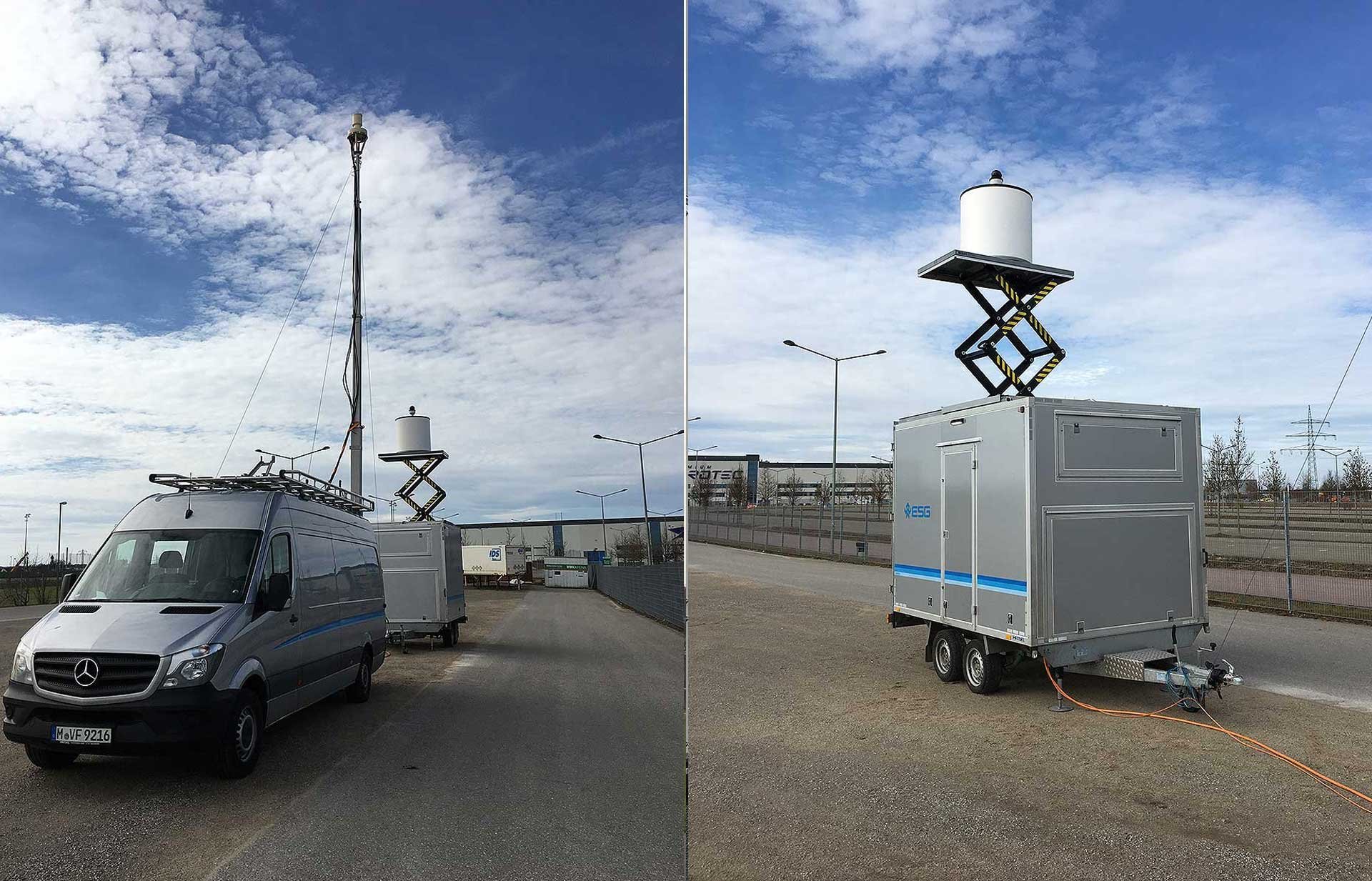
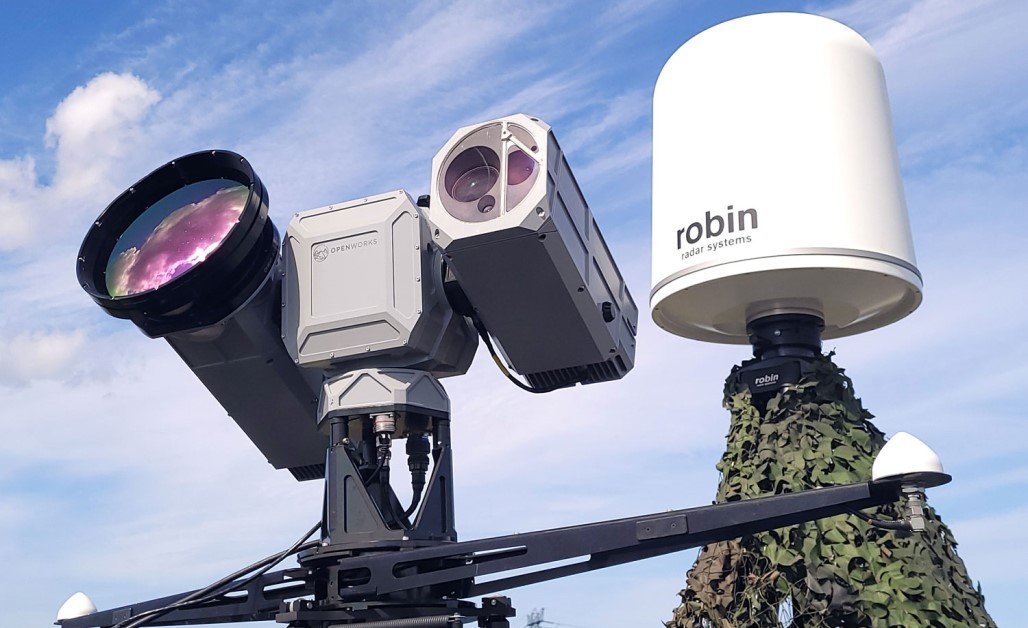
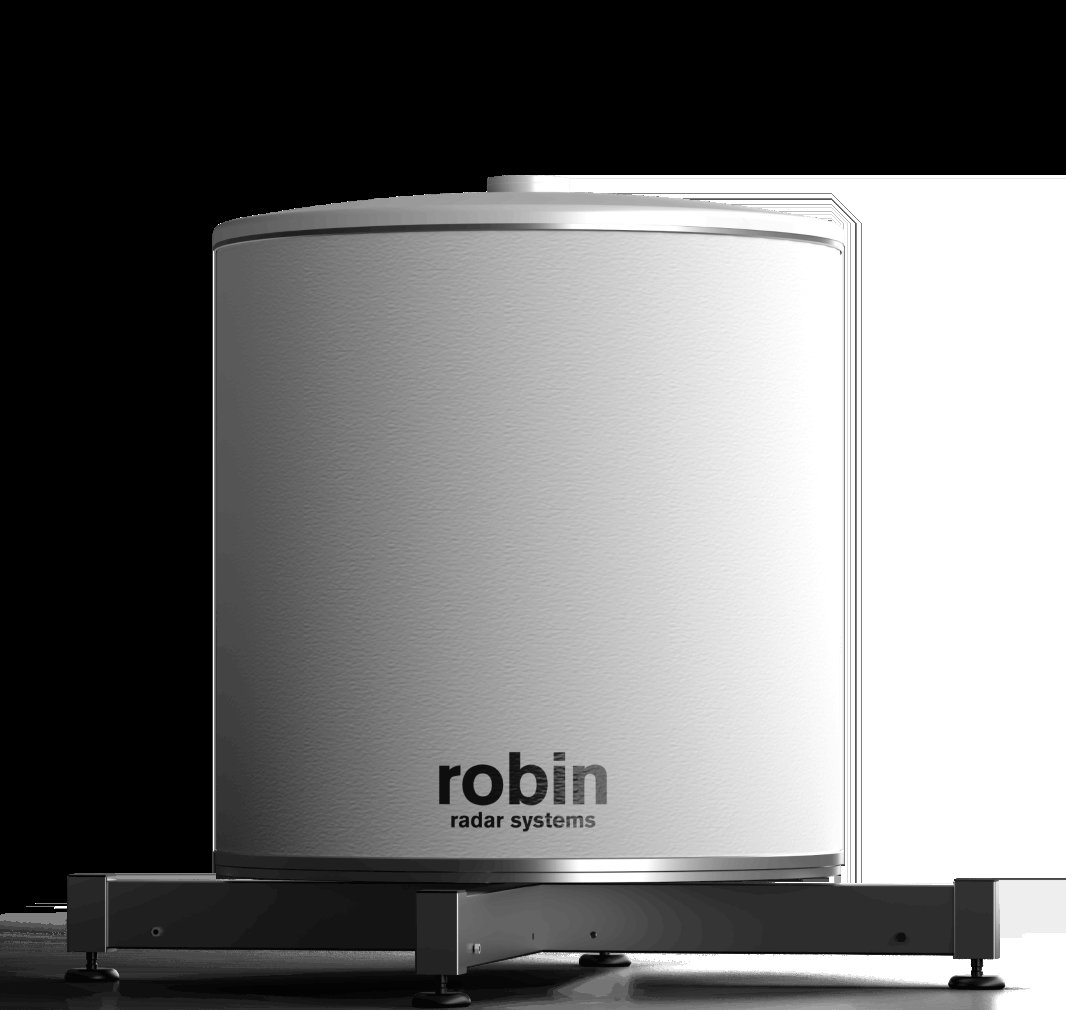
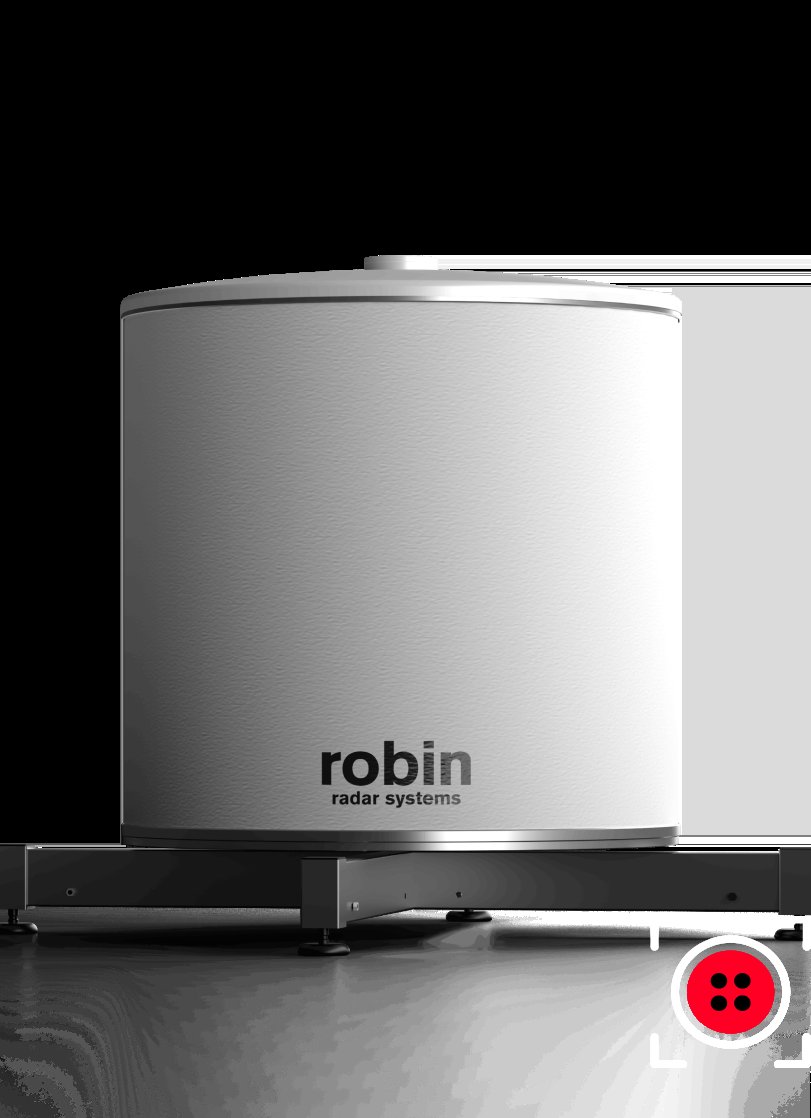
Photos: www.robinradar.com · www.flyeye.io · pdf.aeroexpo.online
ELVIRA is a compact ground-based radar built by Robin Radar Systems for detecting and classifying small drones at short to medium range. The Dutch sensor maker brought the system to market in 2015, drawing on a decade of bird-tracking work at airports and offshore wind farms. That heritage matters: the same Doppler-processing tricks that separate a flock of starlings from a Boeing also turn out to separate a quadcopter from a hawk, and ELVIRA was one of the first commercial radars built around that insight.
The system is an X-band frequency-modulated continuous-wave radar that scans 360 degrees in two dimensions, typically mounted on a tripod or short mast and powered from a portable generator. It detects micro Class-I targets out to roughly five kilometres and feeds every track through a micro-Doppler classifier that reads the modulation imposed on the return signal by spinning rotor blades. Birds beat their wings; drones spin propellers; the two produce very different frequency signatures, and ELVIRA labels each track accordingly before passing it to whichever command-and-control layer the operator runs. The radar is usually paired with an electro-optical or radio-frequency sensor for visual confirmation and, where the rules of engagement allow, a jammer or hard-kill effector. Robin’s IRIS 3D radar is the longer-range stablemate; ELVIRA covers the close-in tier.
NATO members make up the bulk of the customer base. The Netherlands, the United Kingdom, Belgium and Germany have all fielded the system, with deployments ranging from royal-residence and airport protection to forward-base defence on exercise. The British Army bought ELVIRA units to round out its counter-UAS kit during the Daesh campaign, and the radar has been a fixture at NATO trials at Vredepeel and elsewhere. It also turns up in civilian airport-protection rigs after the 2018 Gatwick incursion pushed European operators to take small-drone detection seriously. Robin does not publish unit counts, but the company has said the family is in service across more than thirty countries.
Development has continued in parallel with the sharper end of the company’s portfolio. IRIS, a 3D radar with a five- to ten-kilometre reach, has drawn most of the recent attention, including Ukrainian deployments tracking Iranian-pattern Shahed drones. ELVIRA remains the close-range, easy-to-deploy option in the same product line — a sensor designed before the current drone war made counter-UAS a priority, and quietly relevant because of it.