DroneCatcher
Net-firing interceptor UAV that captures rogue drones mid-air and carries them away for forensic recovery.
Droneby Delft DynamicsIntroduced 2015
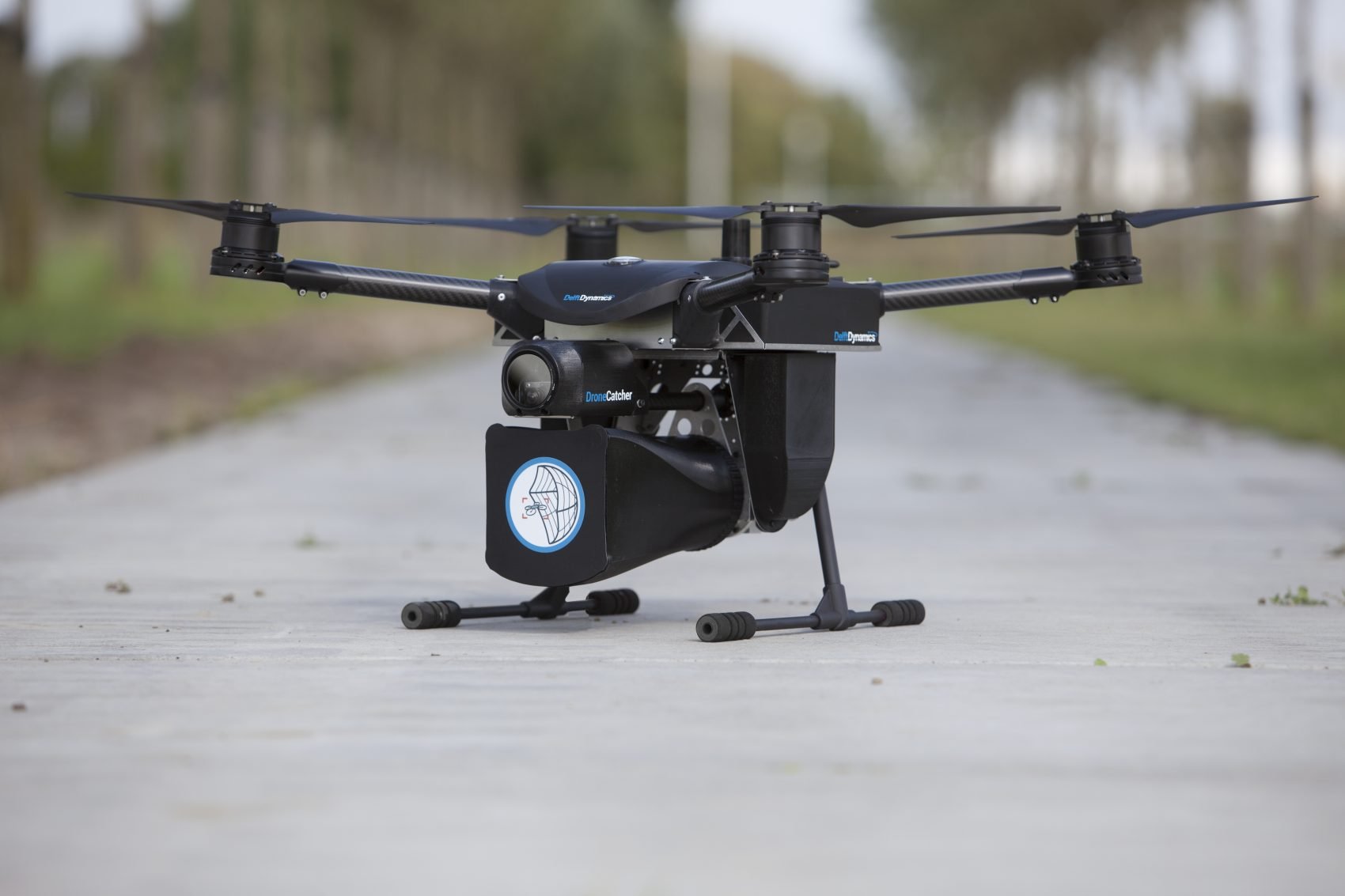
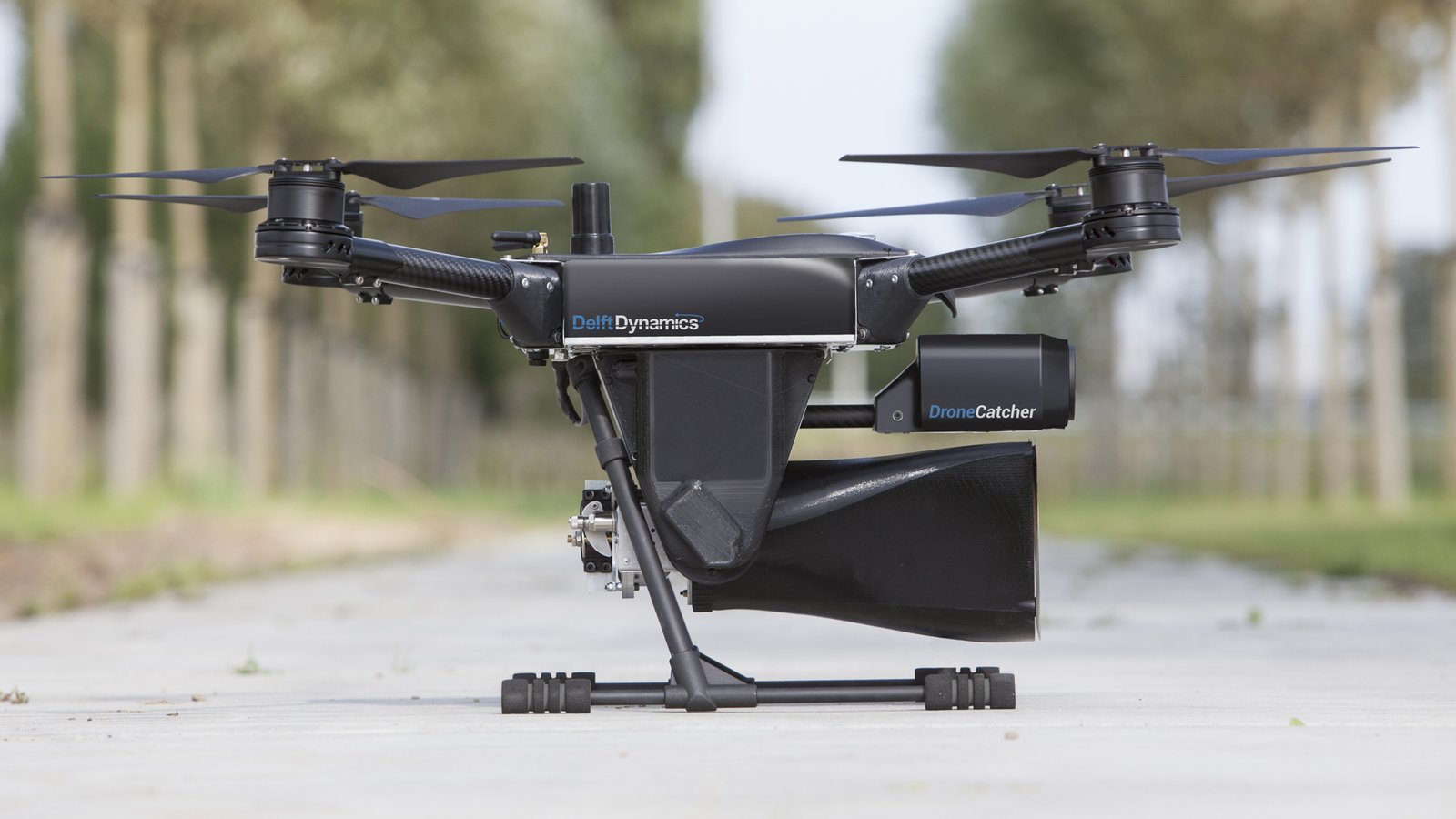
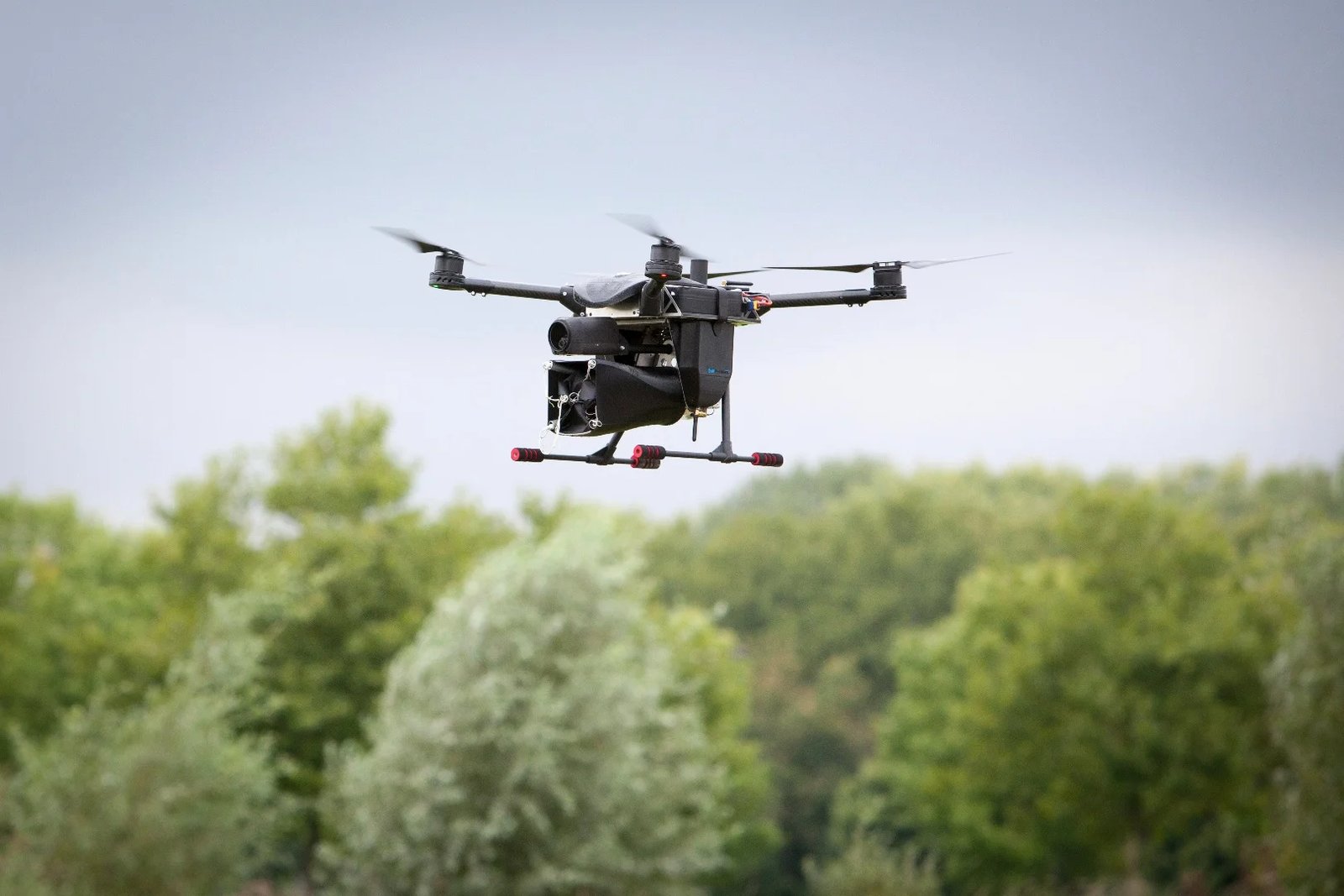
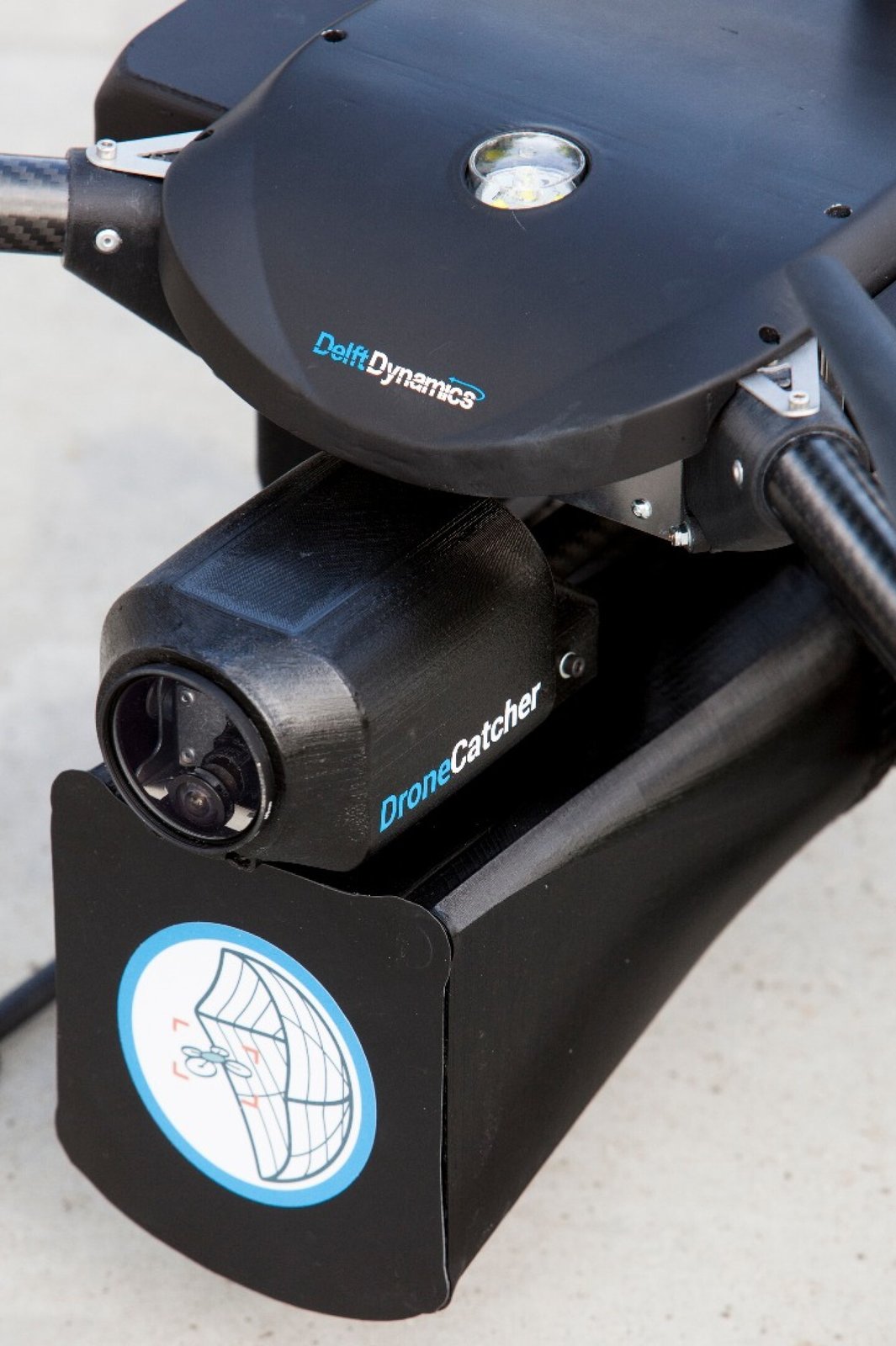
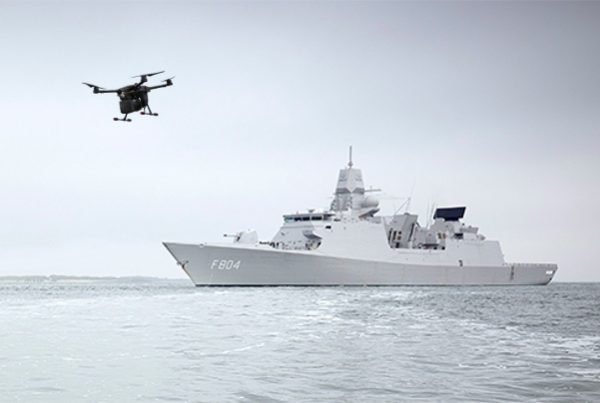
Photos: www.delftdynamics.nl · dronecatcher.nl · newatlas.com
DroneCatcher is a net-firing interceptor unmanned aerial vehicle developed by Delft Dynamics, a Dutch robotics firm spun out of the autonomous flight research group at TU Delft. First demonstrated in 2015, the system fills a narrow but increasingly relevant role in the counter-UAS field: rather than jamming or shooting down a hostile drone, it physically captures the target in flight and carries it away intact for forensic recovery. That distinction matters in environments where falling debris is unacceptable — over crowds, near critical infrastructure, in airport perimeters — and where investigators want the captured airframe in one piece to trace its operator.
The interceptor airframe is a multirotor carrying a forward-mounted net gun. Once a target is designated, an onboard tracker keeps the rogue drone in the gun’s engagement window, and the operator (or, in autonomous mode, the system itself) fires a folded net that unfurls in flight and entangles the target’s rotors. Engagement range is on the order of twenty metres. The captured drone is then suspended on a tether beneath the interceptor and flown to a designated drop zone — the carry-away step is what differentiates DroneCatcher from ground-launched net guns and from sky-net rounds fired from another UAS that simply drop their catch. The tracking pipeline draws on the autonomous-flight work that Delft Dynamics inherited from TU Delft’s micro air vehicle laboratory, including vision-based detection and onboard control loops that compensate for the recoil and changing mass once a target is captured.
The Dutch National Police were the first announced customer, presenting the system in 2016 as part of their early counter-drone toolkit alongside the much-publicised eagle programme run in parallel; the eagle project was wound down, while net-based interception remained part of the national portfolio. Delft Dynamics has since pitched DroneCatcher to airport security operators and event-security buyers across Europe, and the system has appeared in NATO counter-UAS exercises and in trials run by several European law-enforcement agencies. Public deployment numbers are modest and operator lists are not disclosed in detail, which is typical for security-service kit at this scale.
Development has continued in iterations rather than as a clean-sheet successor. Later versions of the airframe extended endurance and improved the tracker, and Delft Dynamics has shown integrations with third-party radar and electro-optical cueing so the interceptor can be slaved to a wider air-defence picture rather than relying on its own onboard sensing alone.
Within the counter-drone landscape, DroneCatcher sits in a small kinetic-but-non-destructive niche alongside systems such as OpenWorks Engineering’s SkyWall and a handful of net-armed UAS from Asian and Israeli vendors. Its appeal is precisely that it leaves something to investigate when the engagement is over.