Delft Dynamics
DroneCatcher net-firing counter-UAS drone and autonomous flight research spun out of TU Delft.
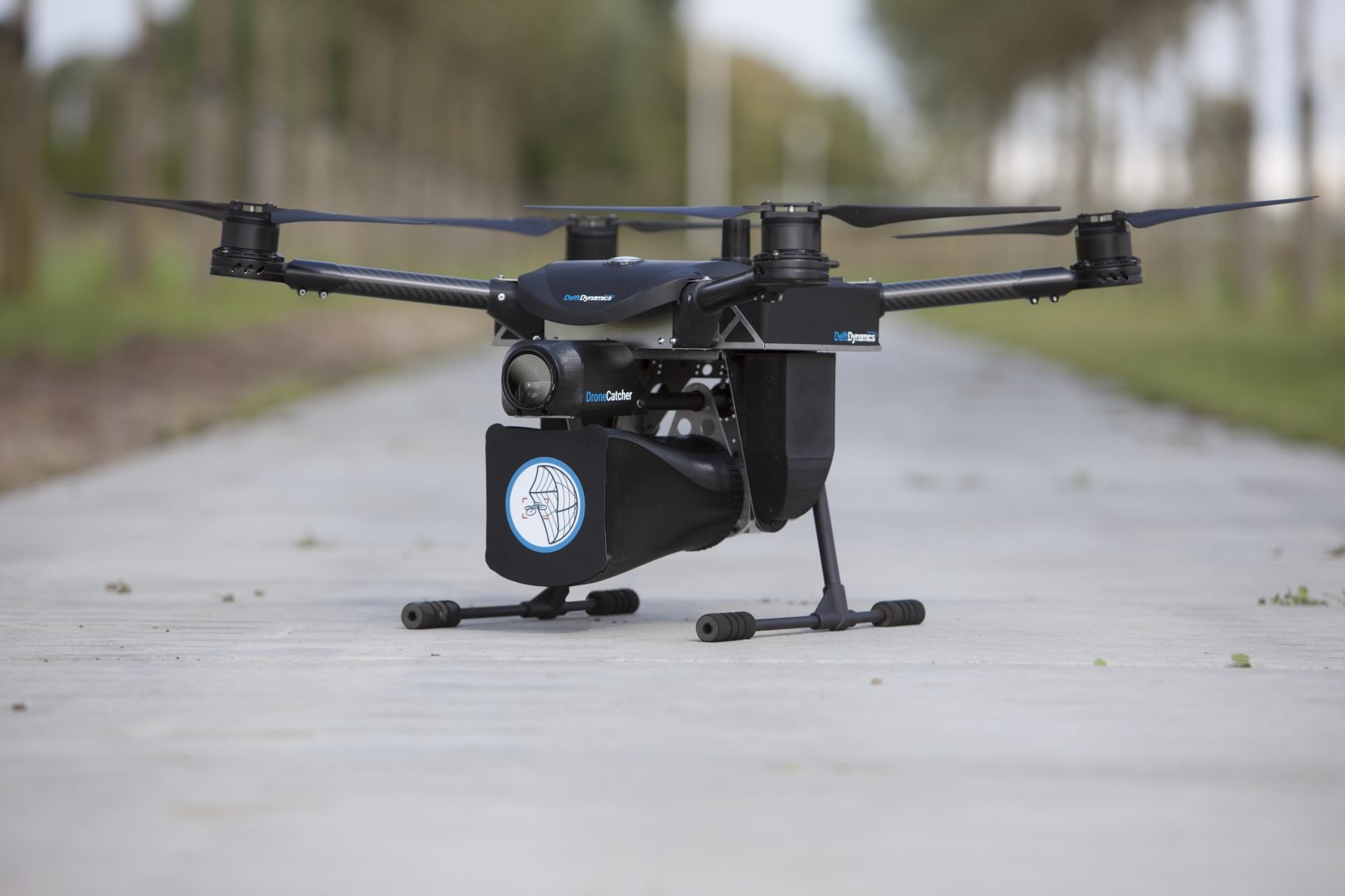
Delft Dynamics B.V. is a Dutch engineering firm specializing in unmanned aircraft systems and counter-drone technologies. The company was established in February 2006 in Delft, Netherlands, positioning it among the earlier entrants in the European commercial drone sector. Over its nearly two decades of operation, the firm has developed a portfolio of drone platforms and interceptor systems, leveraging its location near the Technical University of Delft to engage in extensive research and development projects with industry partners and academic institutions.
The company’s product line includes several distinct unmanned aerial vehicles and a notable counter-UAS solution. Its drone platforms include the RH2 ‘Stern’, the RH3 ‘Swift’, and the RH4 ‘Spyder’. The RH4 ‘Spyder’ is a fixed-wing drone designed for surveillance and reconnaissance missions. Complementing these offensive or surveillance platforms is the DroneCatcher, a net-firing interceptor drone designed to neutralize hostile unmanned systems. This system represents the company’s focus on counter-drone capabilities, a sector that has seen rapid growth and military relevance in recent years. The firm also developed the U-drone, a project that ran from 2018 to 2024, further expanding its range of unmanned systems.
Delft Dynamics has been involved in numerous national and international research and development initiatives, often collaborating with well-known knowledge institutes and universities. Recent and ongoing projects highlight the company’s engagement with current defense and security challenges. The E-CUAS project, running from 2024 to 2028, focuses on electronic counter-drone systems. Similarly, the Combat C-UAS project (2024-2025) addresses the integration of counter-drone technologies into combat scenarios. Other active or recent initiatives include DeterMine (2023-2027), ORIGAMI (2025-2029), and iMUGS2 (2025-2028). These projects suggest a strategic shift towards more specialized and integrated counter-drone solutions, reflecting the evolving nature of aerial threats.
The company offers engineering services to third parties, utilizing its experience in hardware and software integration, real-time simulation, and control design. This service-oriented approach allows Delft Dynamics to apply its technical expertise to a variety of client needs, beyond its own product development. The firm’s ability to provide adaptable test-platforms and conduct R&D with end-users underscores its role as a technical partner in the broader unmanned systems ecosystem.
While specific details regarding the company’s funding rounds, valuation, or employee count are not publicly disclosed in the provided materials, its long-standing presence in the Dutch defense-tech sector and its involvement in significant EU and national projects indicate a level of institutional support and industry recognition. The company’s website lists career opportunities, suggesting ongoing operational activity and growth.
Delft Dynamics occupies a niche in the European counter-UAS market, combining its experience in drone design with specialized interceptor technology. The DroneCatcher system, in particular, addresses a critical gap in modern defense architectures: the need for kinetic and non-kinetic methods to counter the proliferation of small unmanned aerial systems. As the threat landscape continues to evolve, with increasing use of drones in both civilian and military contexts, companies like Delft Dynamics are positioned to play a key role in developing effective countermeasures. The firm’s focus on research and development, coupled with its collaborative approach with academic and industrial partners, suggests a continued commitment to innovation in the unmanned systems field.