B-21 Raider
Next-generation stealth bomber designed as a digital, optionally-manned, networked penetrating strike platform.
Aircraftby Northrop GrummanIntroduced 2023
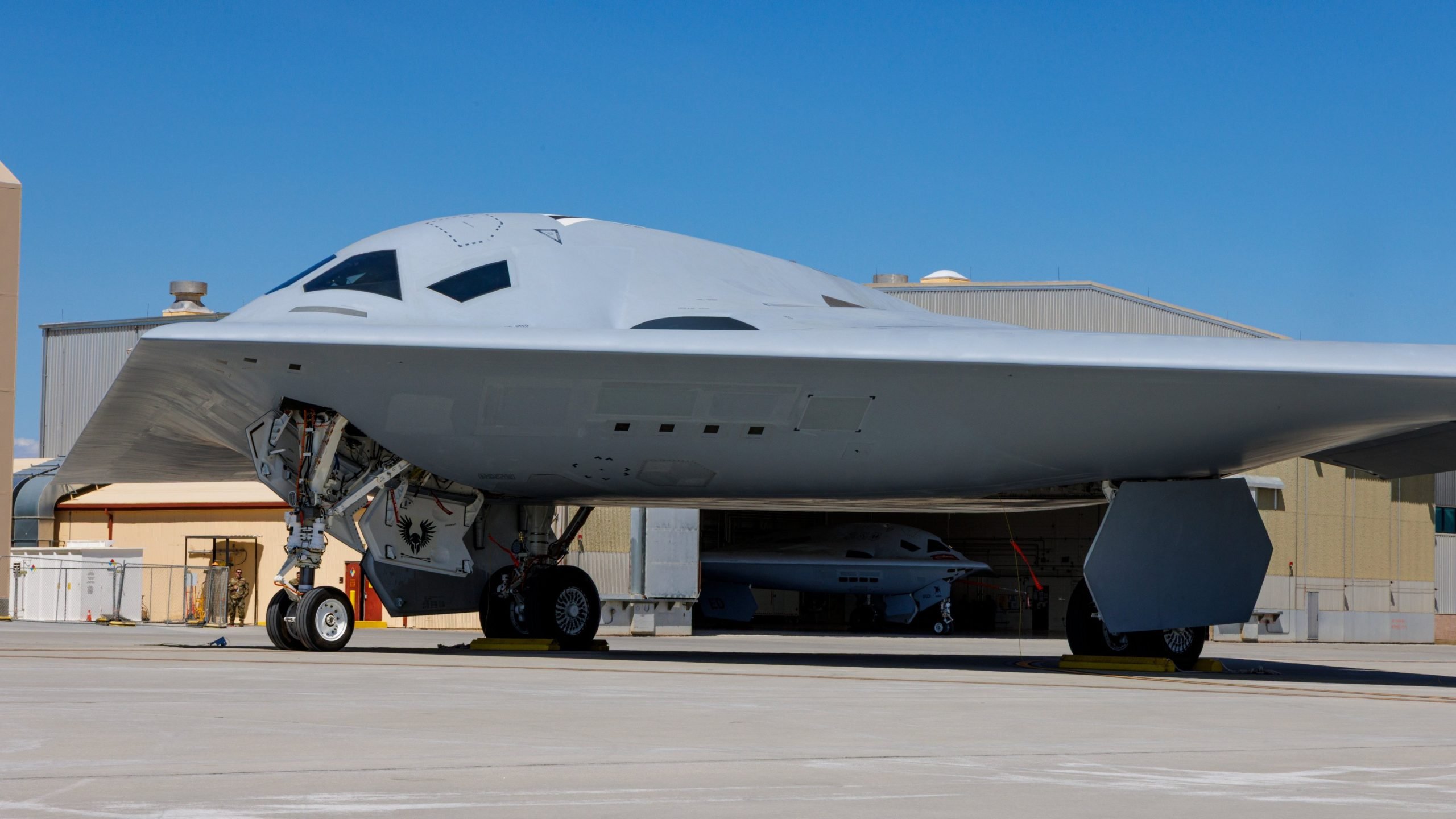
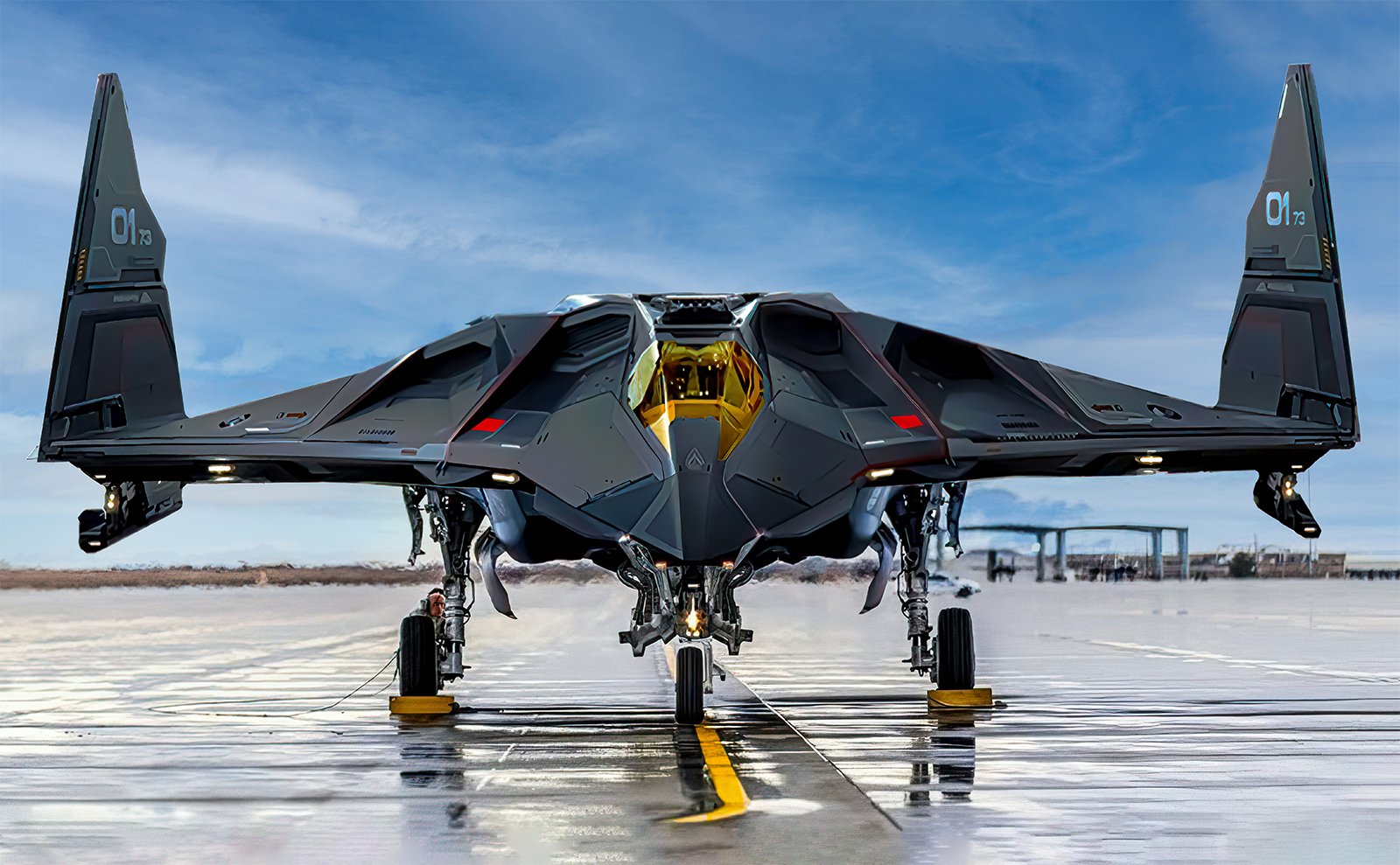
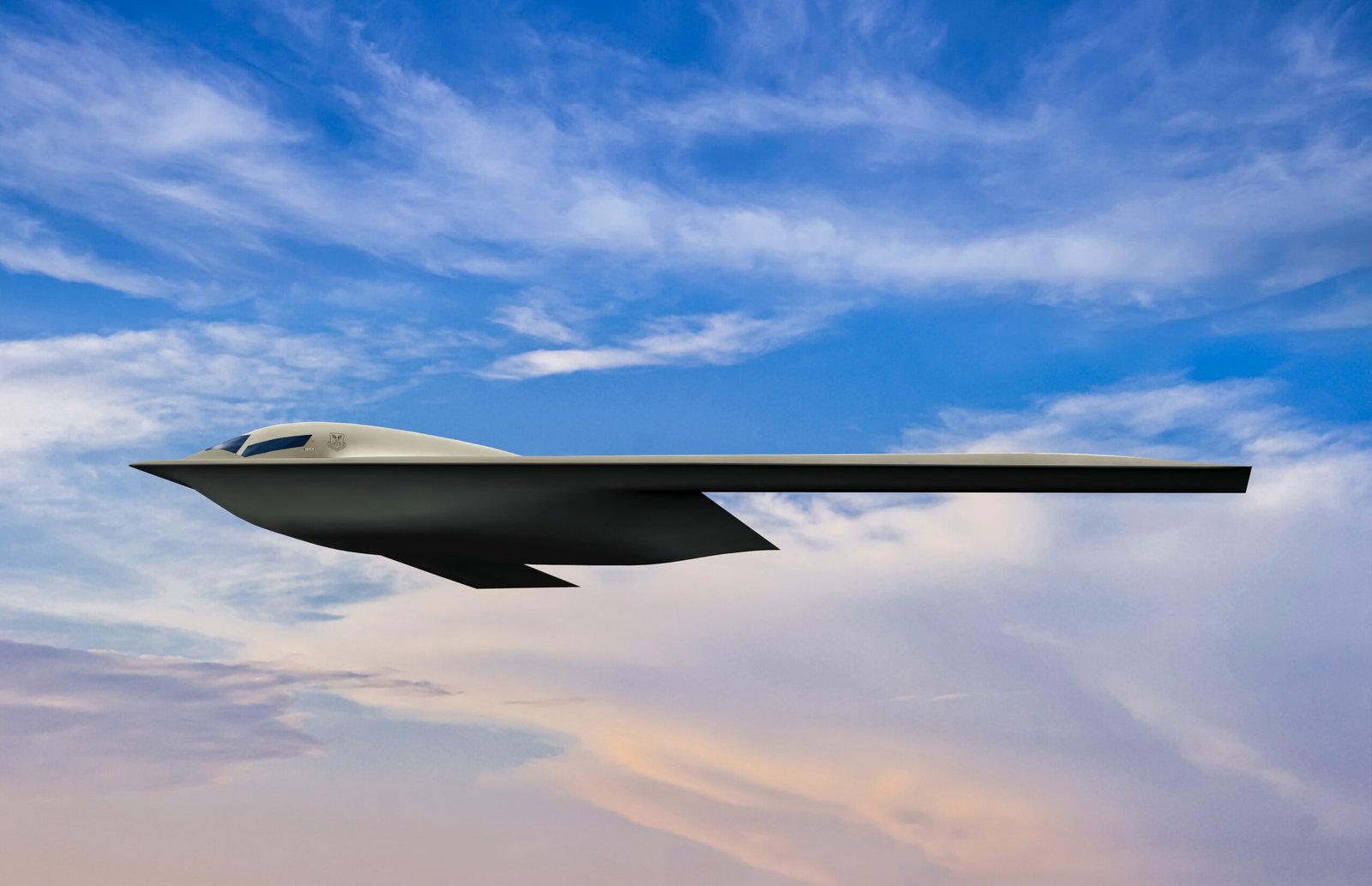
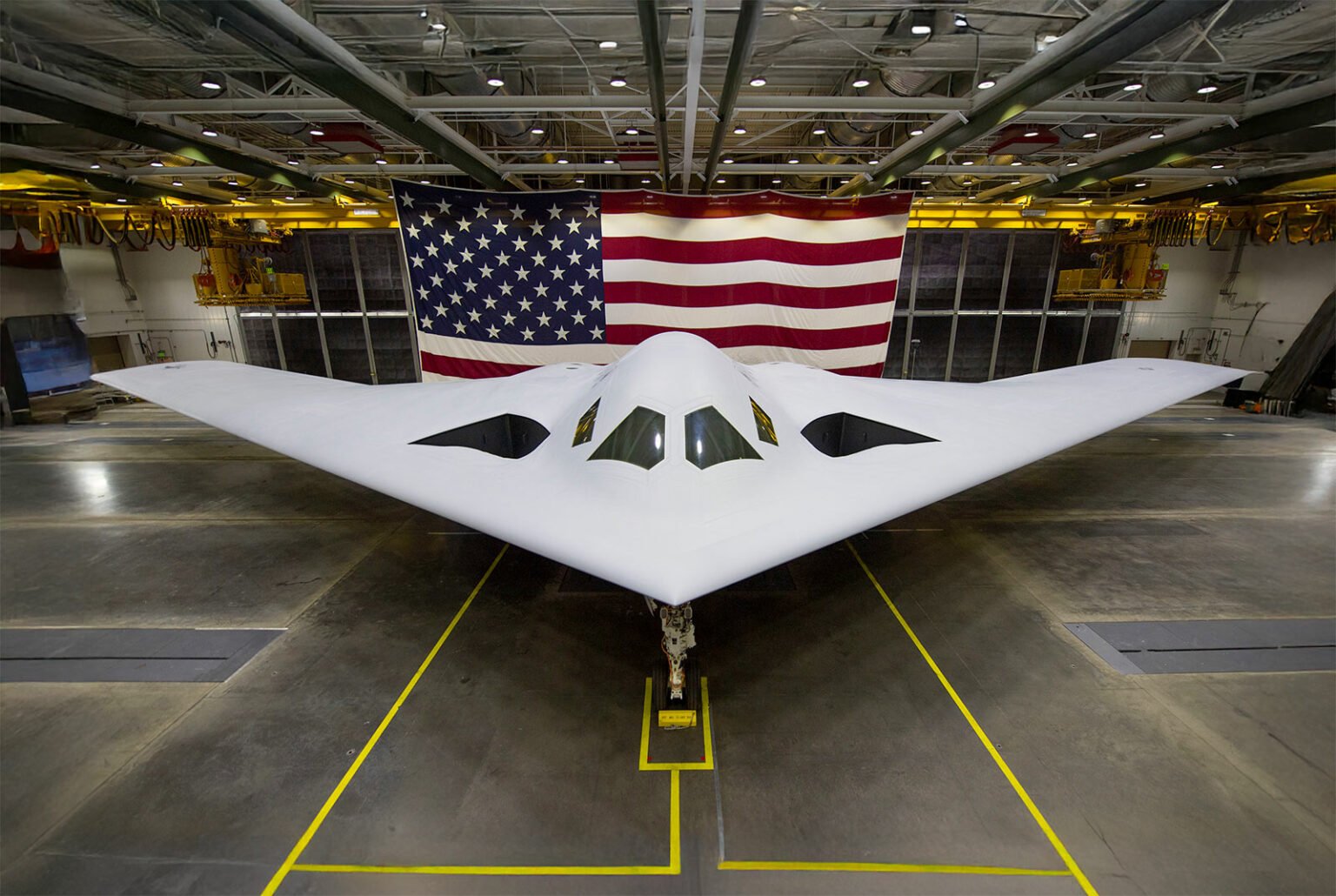
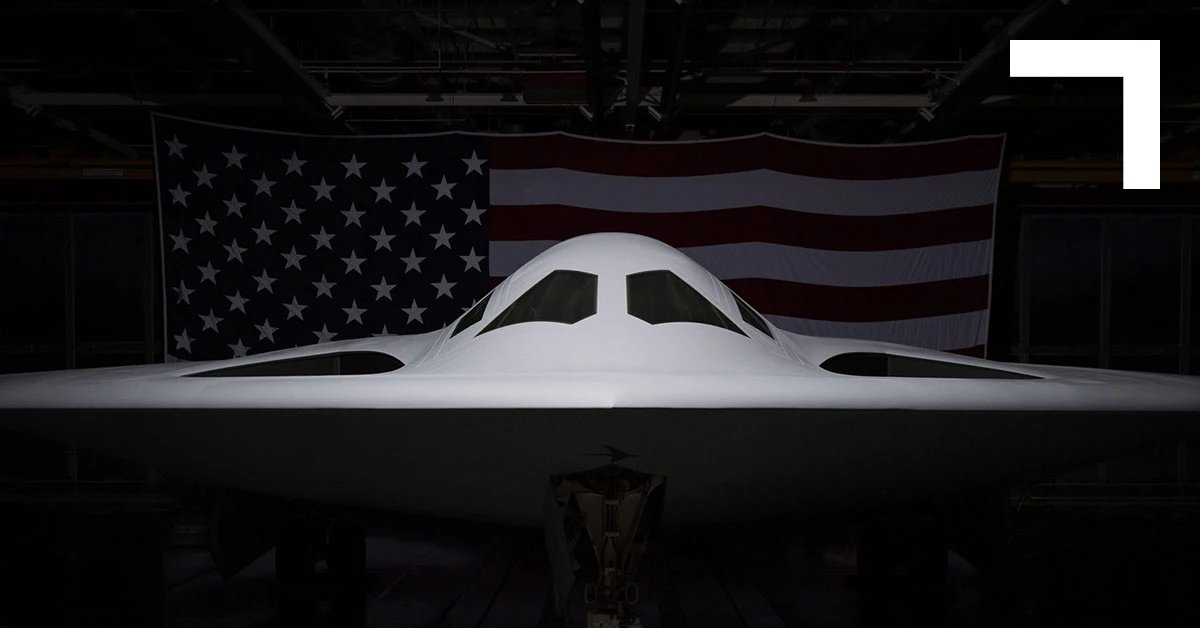
Photos: theaviationist.com · fity.club · ukaviation.news · warwingsdaily.com · Northrop Grumman
Built by Northrop Grumman, the B-21 Raider is a long-range, dual-capable stealth bomber being developed for the United States Air Force as the centerpiece of its future penetrating-strike fleet. It was rolled out at the company’s Plant 42 facility in Palmdale, California in December 2022 and made its first flight from there to Edwards Air Force Base in November 2023. The Raider is intended to replace the B-1B Lancer and the B-2 Spirit, eventually sharing the long-range strike role with a smaller residual force of upgraded B-52s.
The aircraft is a flying-wing design clearly descended from the B-2, but its stealth shaping, materials, and signature management are a generation newer and aimed at penetrating the dense integrated air defenses fielded by China and Russia. Northrop Grumman and the Air Force describe it as built around an open-systems architecture, with mission systems and software treated as upgradeable components rather than fixed hardware — a deliberate response to the long, expensive avionics refreshes that plagued earlier bombers. The platform is dual-capable, certified to deliver both conventional precision weapons and the B61-12 nuclear gravity bomb, and is designed to be optionally crewed, anchoring it in the broader move toward AI-assisted and uninhabited operation across the U.S. combat air force. It is also engineered as a networked node, expected to share sensor data with other manned and unmanned platforms in a wider strike package rather than operate as a lone penetrator.
The United States is the only declared operator. The Air Force has committed to a minimum buy of 100 airframes, with public planning documents suggesting the total could grow. Six test articles are being built on production-representative tooling at Palmdale, an approach intended to compress the gap between flight test and operational delivery. Ellsworth Air Force Base in South Dakota has been named the first main operating base, with Whiteman and Dyess to follow. Combat use lies in the future; the type is still in flight test as of 2026.
Unit cost has been a persistent point of attention. The program’s original target was around $550 million per aircraft in 2010 dollars, which Northrop Grumman and the Air Force have since restated in current-year terms above $700 million; the company took a substantial loss on early production lots in 2024, citing inflation and supply-chain pressure on the fixed-price low-rate batches. Even so, the Raider remains the only Western clean-sheet strategic bomber program in active development, and its progress is closely watched as a marker of how quickly the U.S. can re-arm its long-range air leg for a more contested operating environment.