B-21 Raider
Next-generation stealth strategic bomber built on an open architecture designed for AI-assisted mission systems and optional unmanned operation.
Aircraftby Northrop GrummanIntroduced 2023
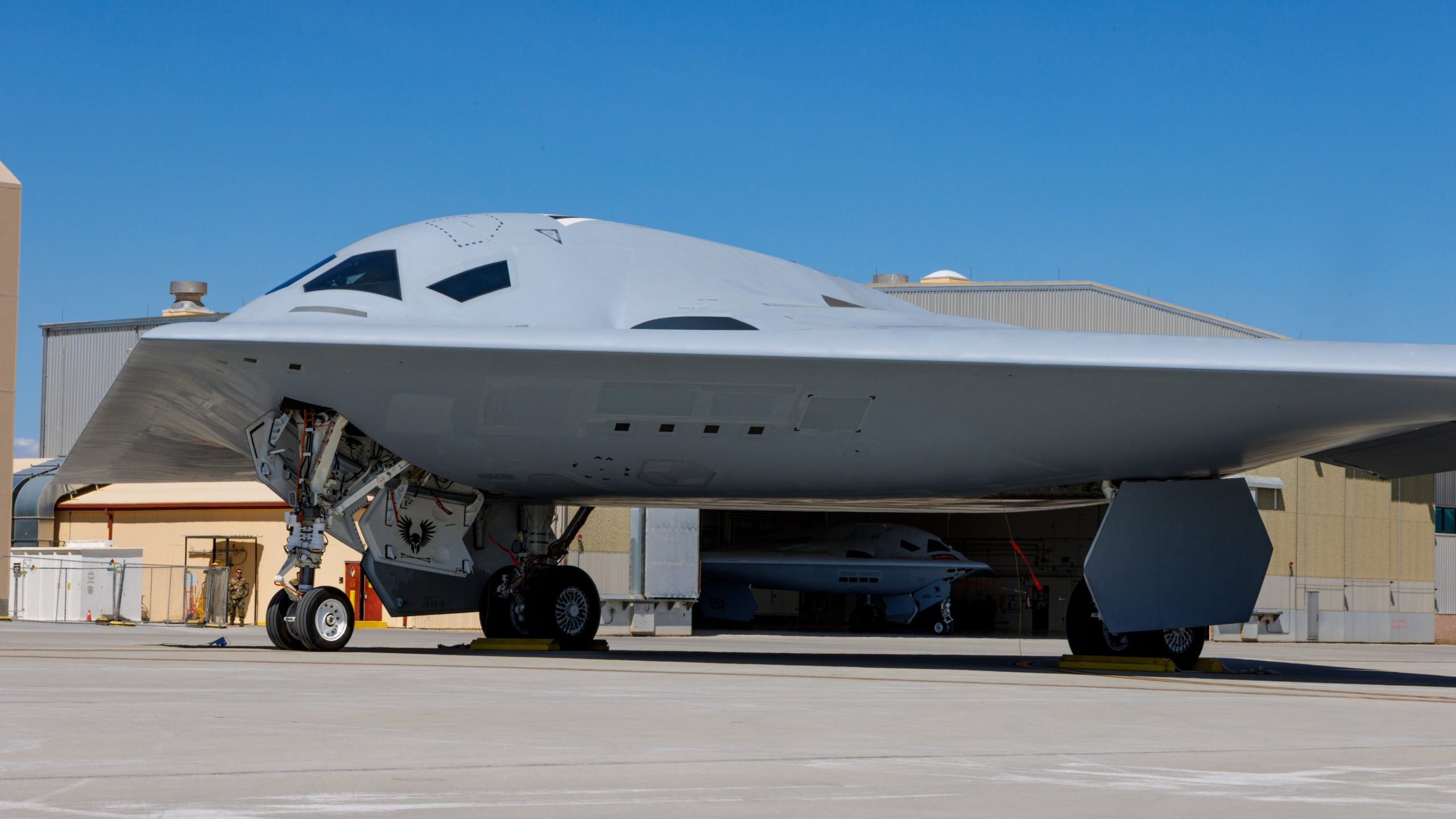
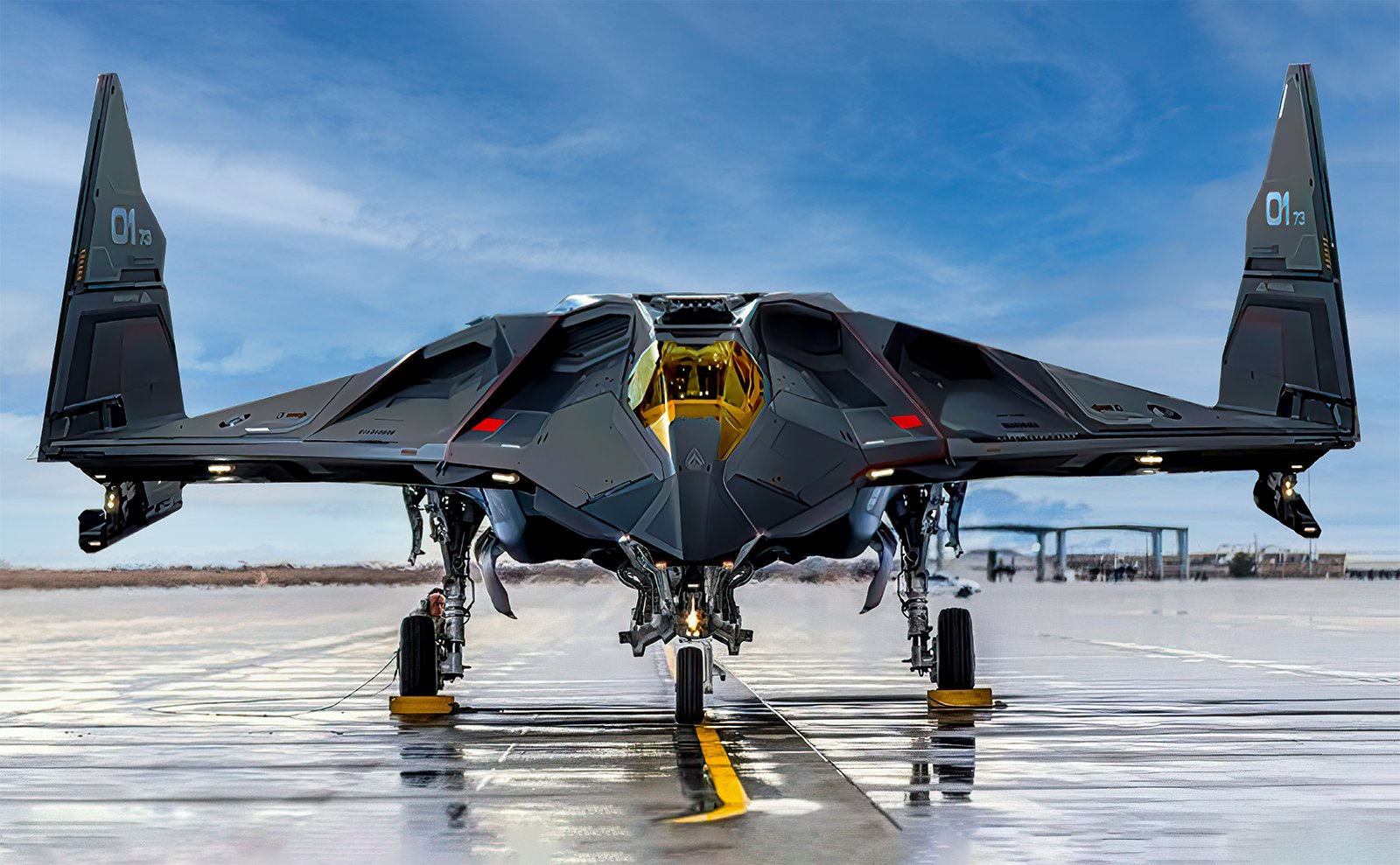
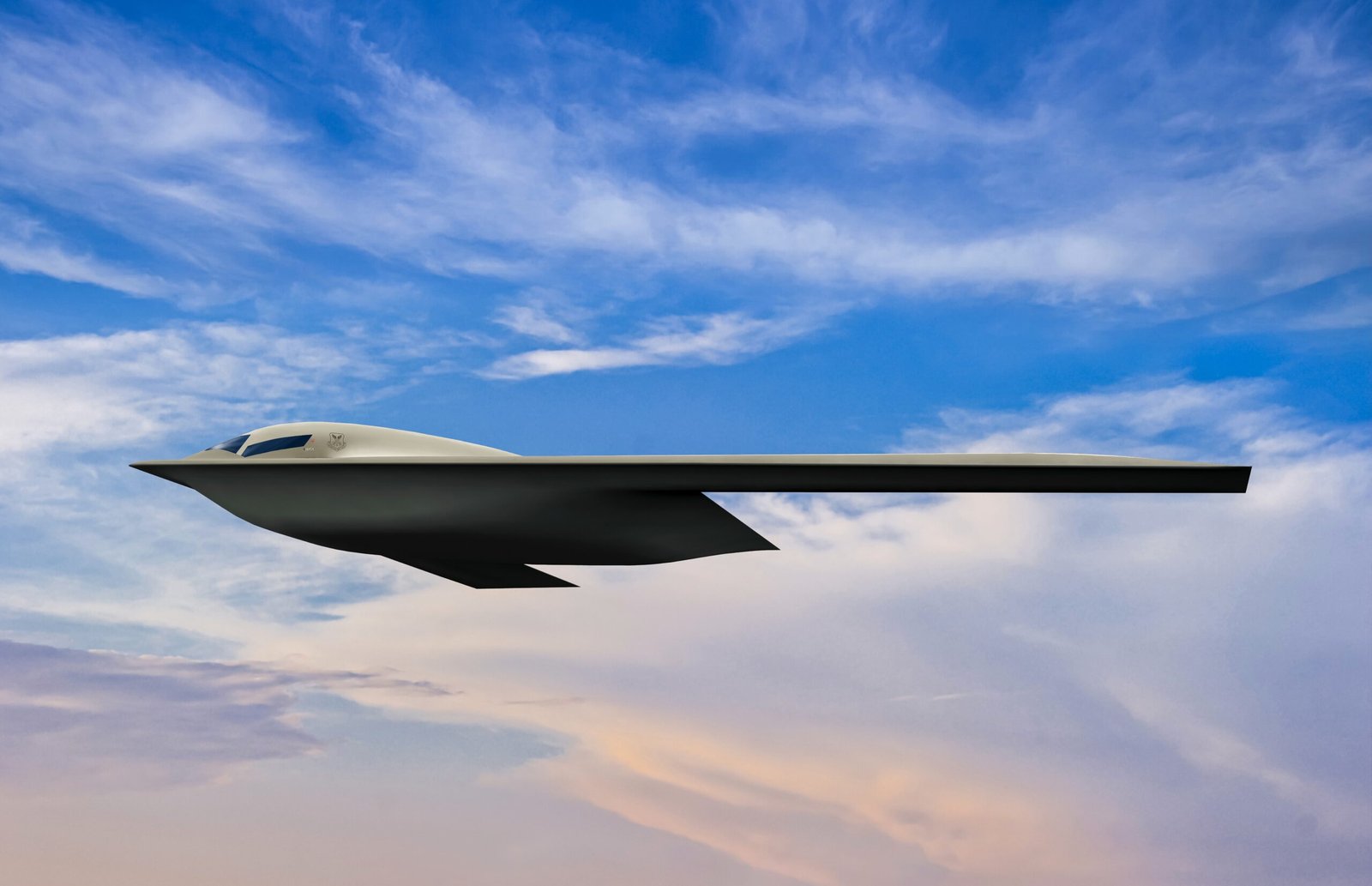
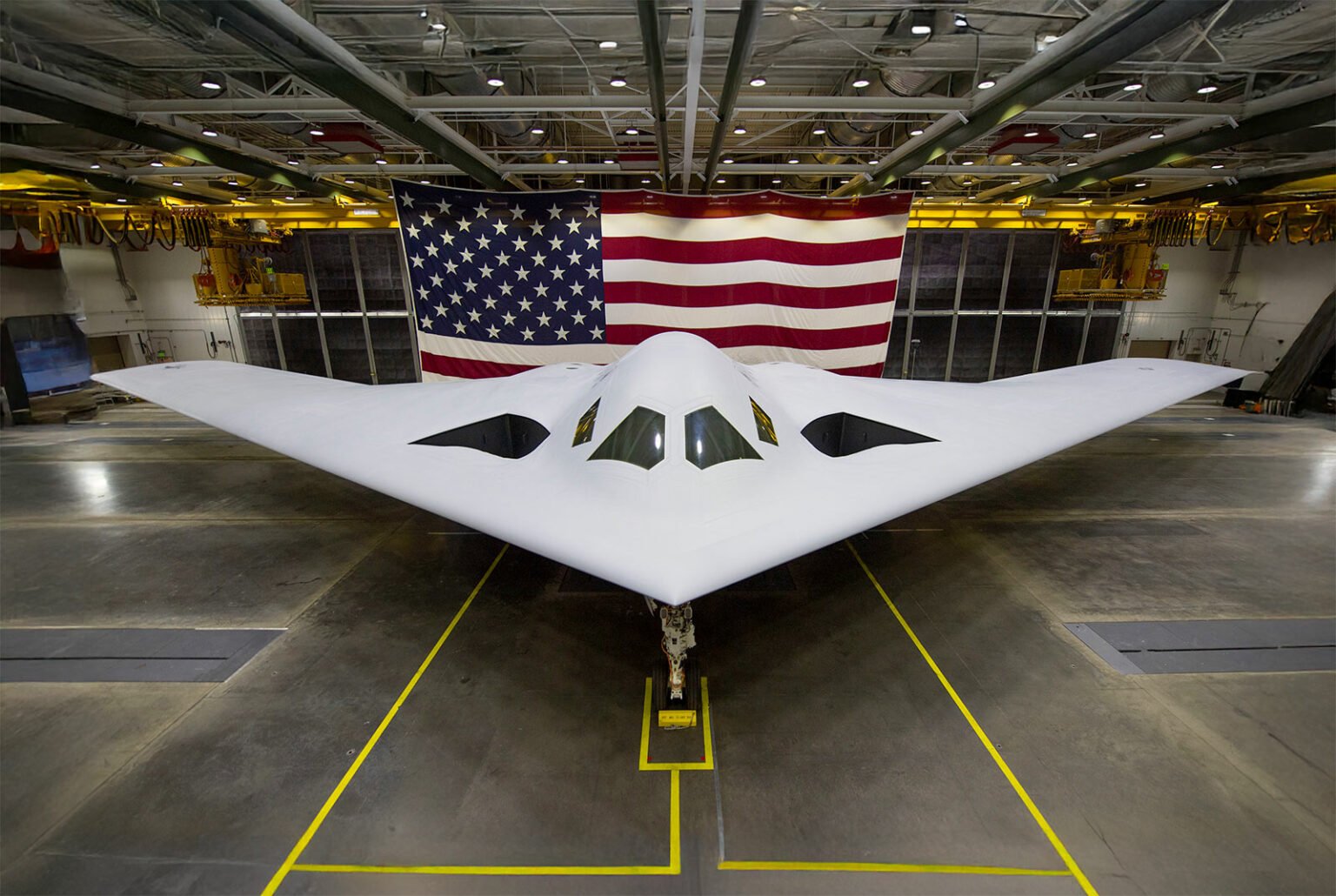
Photos: theaviationist.com · fity.club · ukaviation.news · warwingsdaily.com · Northrop Grumman
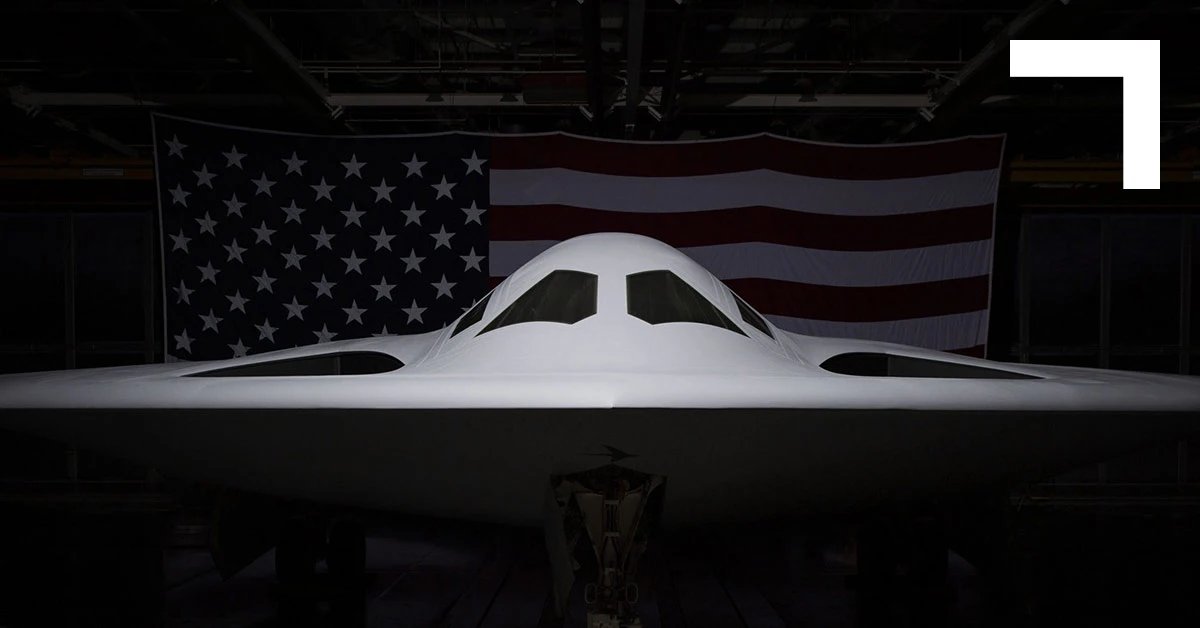
The B-21 Raider is a long-range stealth strategic bomber being developed for the United States Air Force by Northrop Grumman, part of the service’s broader effort to recapitalise its bomber fleet and eventually retire the B-1B Lancer and B-2 Spirit. The programme grew out of the Long Range Strike Bomber competition awarded to Northrop Grumman in October 2015. The aircraft was publicly rolled out at the company’s Palmdale, California facility in December 2022 and made its first flight from Plant 42 to Edwards Air Force Base in November 2023. Low-rate initial production is already underway in parallel with flight testing — a deliberate concurrency choice the Air Force has framed as a lesson learned from the protracted B-2 programme.
At the technical core sits a flying-wing planform that visibly echoes the B-2 but is dimensionally smaller and built with a new generation of low-observable materials and shaping. The Air Force has emphasised that the Raider is the first aircraft designed from the outset around an open mission systems architecture, allowing software, sensors, and weapons to be swapped without redesigning the airframe. That architecture is the foundation for the programme’s headline ambition: a bomber that can be flown either by a two-person crew or autonomously, and that is built to host AI-assisted mission systems for tasks such as sensor fusion, threat reaction, and the management of accompanying uncrewed teammates. The aircraft is nuclear-certified from the outset and is being qualified to carry both standoff and direct-attack weapons, including the AGM-181 Long Range Standoff missile and the B61-12 gravity bomb.
The Raider is currently a single-customer programme. Ellsworth Air Force Base in South Dakota has been designated the lead operating base and will also host the formal training unit; Whiteman and Dyess have been named as follow-on locations. Air Force leadership has stated a minimum fleet objective of 100 aircraft, with internal studies arguing for a larger buy as the threat picture in the Pacific evolves. Per-unit cost in fiscal year 2019 dollars was disclosed at roughly $692 million, although the total programme value remains classified.
Development continues at Edwards, where the flight-test fleet is being expanded as additional airframes leave Palmdale. The Raider sits at the centre of the Air Force’s long-range strike modernisation and represents the most consequential US bomber acquisition since the original B-2 buy was truncated in the early 1990s. Comparable next-generation bomber efforts elsewhere — China’s H-20 and Russia’s PAK DA — remain unflown.