AQ-400 Scythe
Long-range one-way attack drone built from plywood and off-the-shelf parts for mass production at low unit cost.
Droneby Terminal AutonomyIntroduced 2023
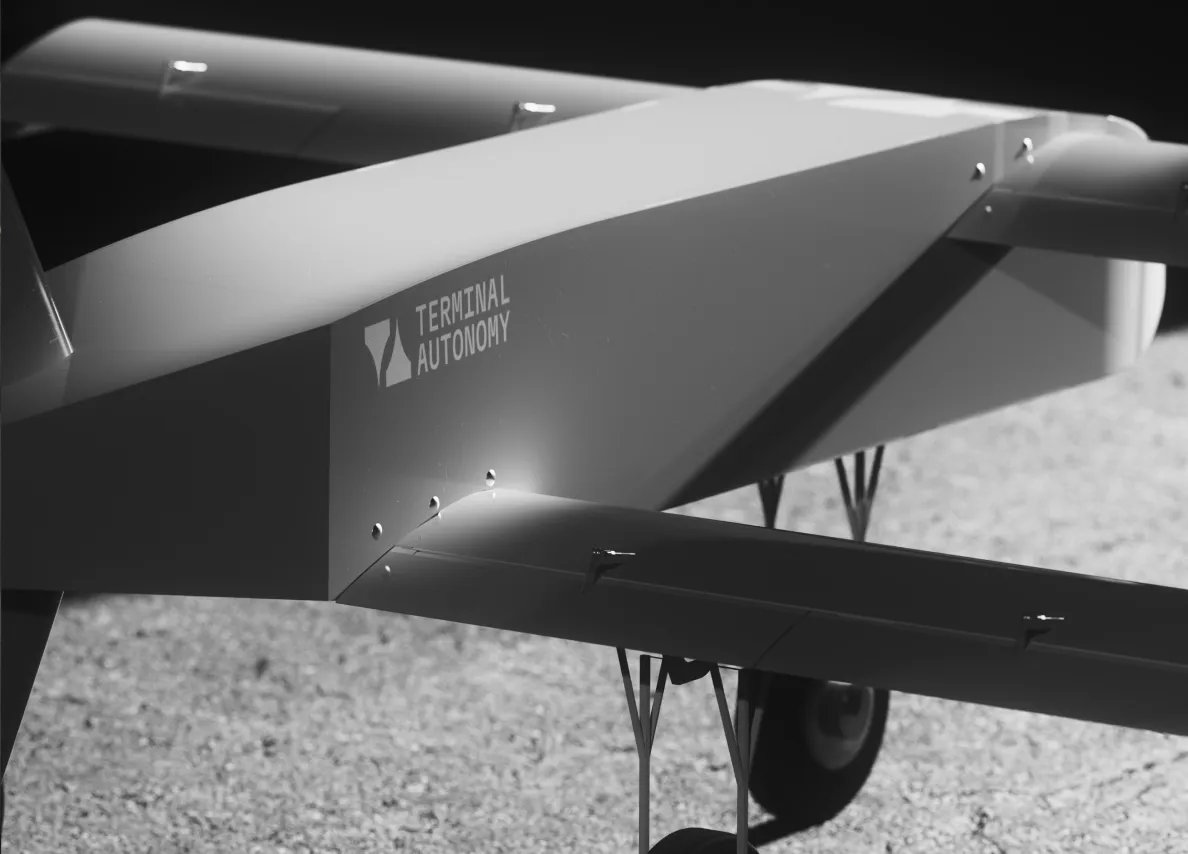
Photos: aviationsmilitaires.net · www.armyrecognition.com · defence-blog.com · www.defenseromania.ro · www.terminalautonomy.com
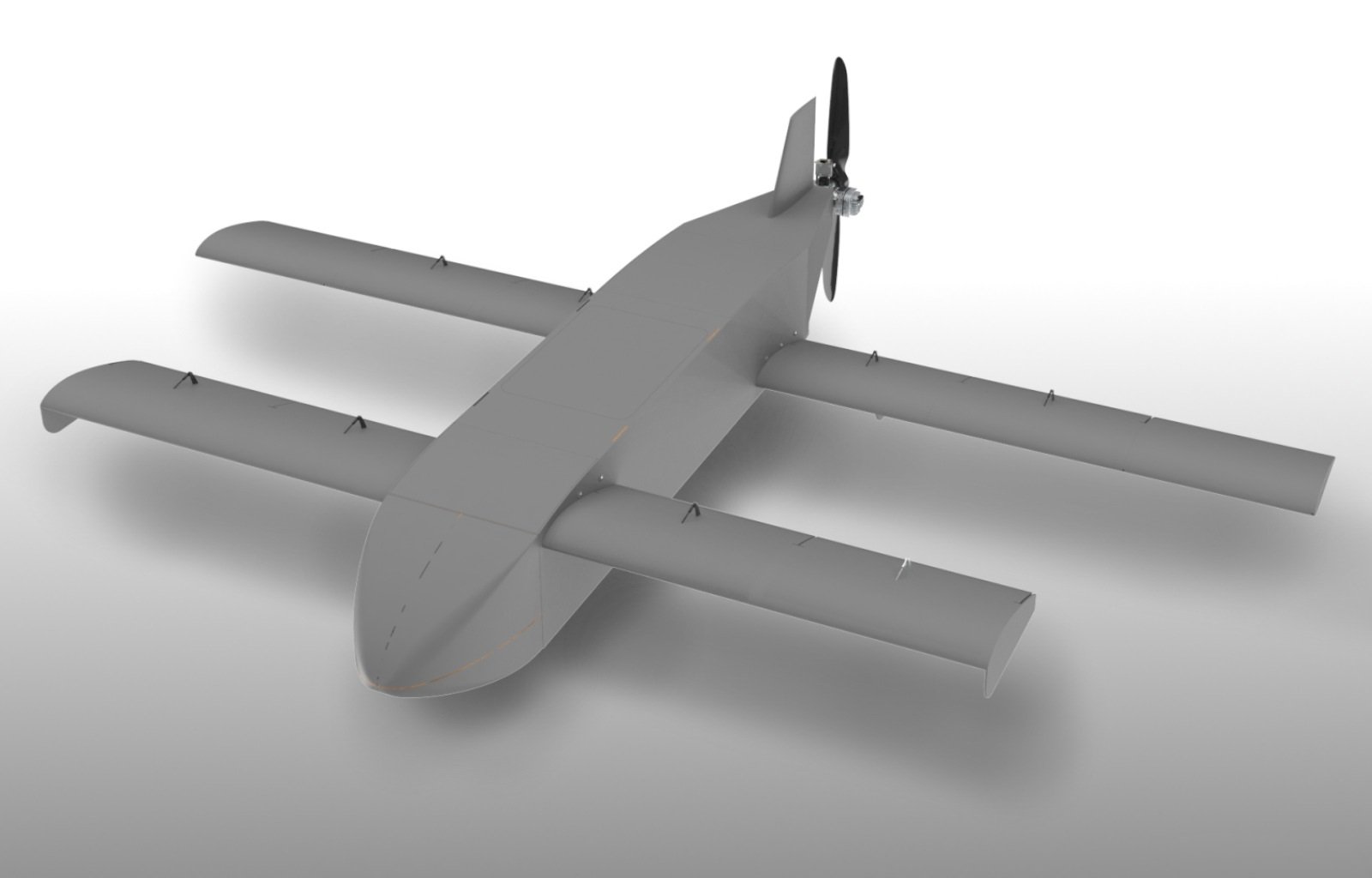
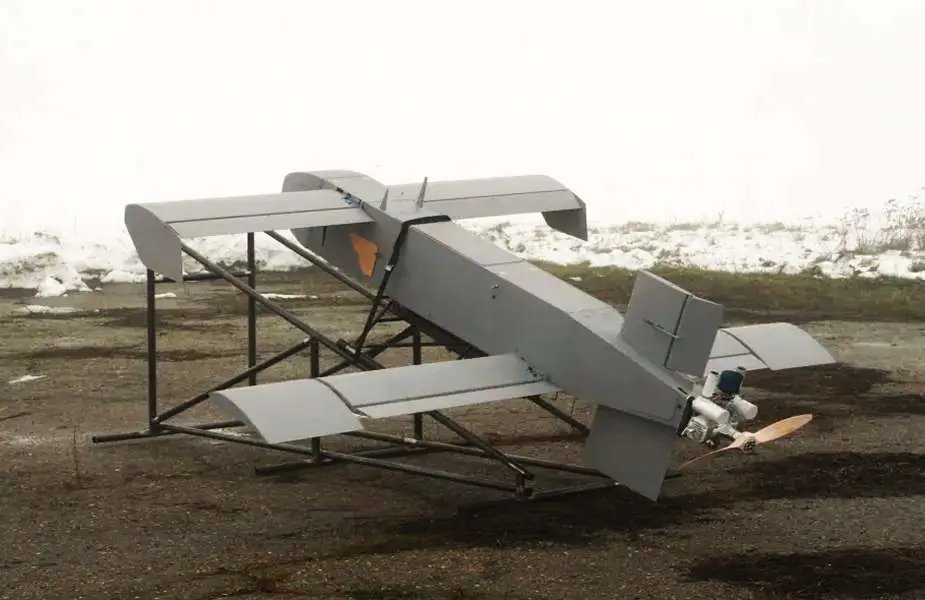
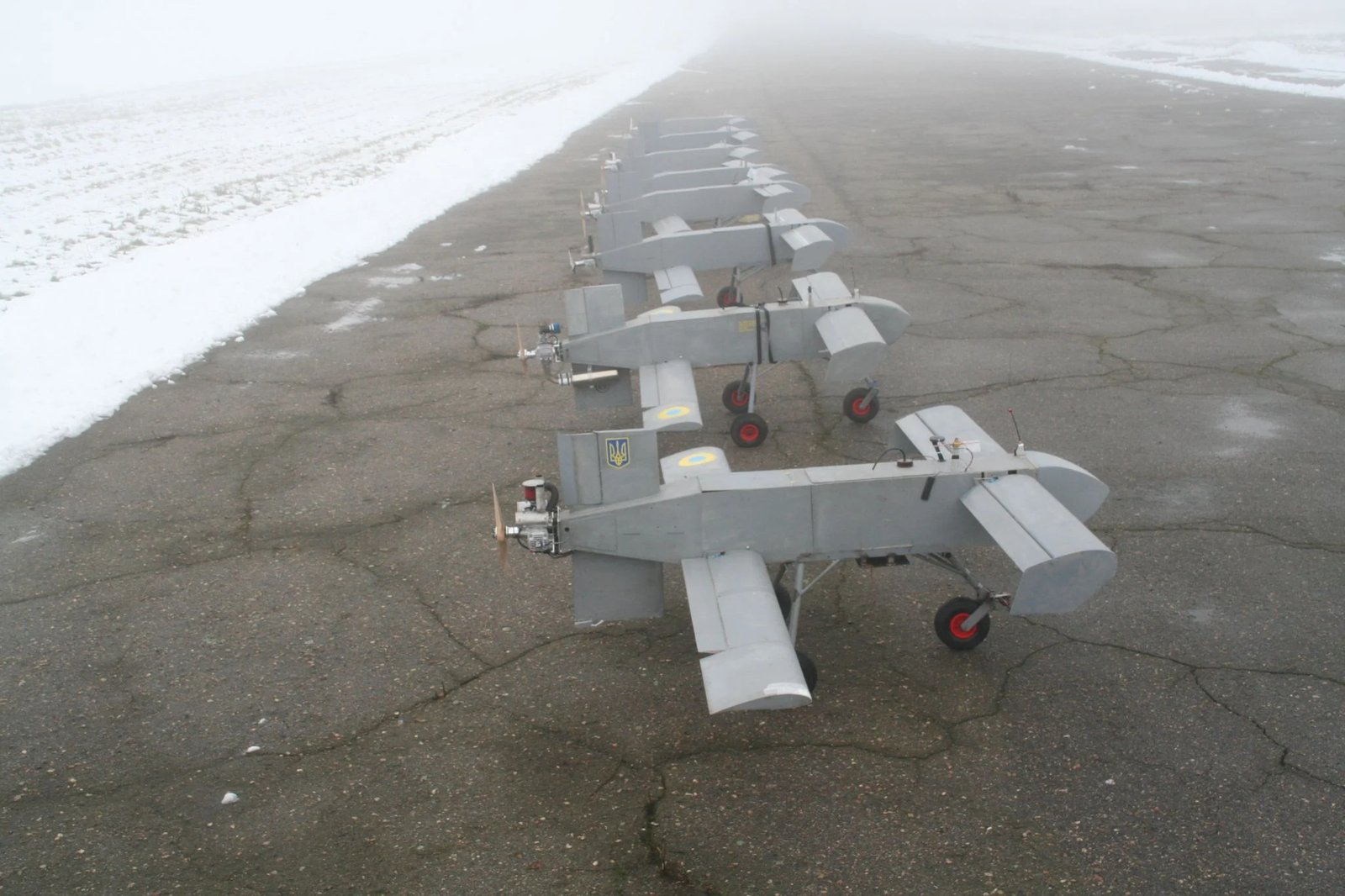
The AQ-400 Scythe is a long-range one-way attack drone built by Terminal Autonomy, a Ukrainian manufacturer that emerged during the war with Russia. First publicly revealed in 2023, the airframe is built primarily from plywood and commercial off-the-shelf components — a design choice driven by the need to produce strike drones in numbers that match the threat. The Scythe is, in effect, Ukraine’s answer to the Iranian-designed Shahed-136 that has been launched at its cities since late 2022.
The drone carries a 32 to 43 kg warhead and is quoted at roughly 750 km of range, putting most of European Russia within reach when launched from Ukrainian territory. Power comes from a piston engine driving a pusher propeller, with the wing and tail surfaces cut from layered plywood. The wooden construction reduces both unit cost and radar return relative to a comparable metal airframe, and lets parts be produced by joinery shops rather than aerospace suppliers. Guidance is satellite-based with inertial backup, and the airframe is designed to fly programmed waypoints toward fixed targets such as oil refineries, ammunition depots, and air bases. The simplicity is the point: every part that would otherwise be machined to aerospace tolerances is instead something a furniture factory can cut and glue.
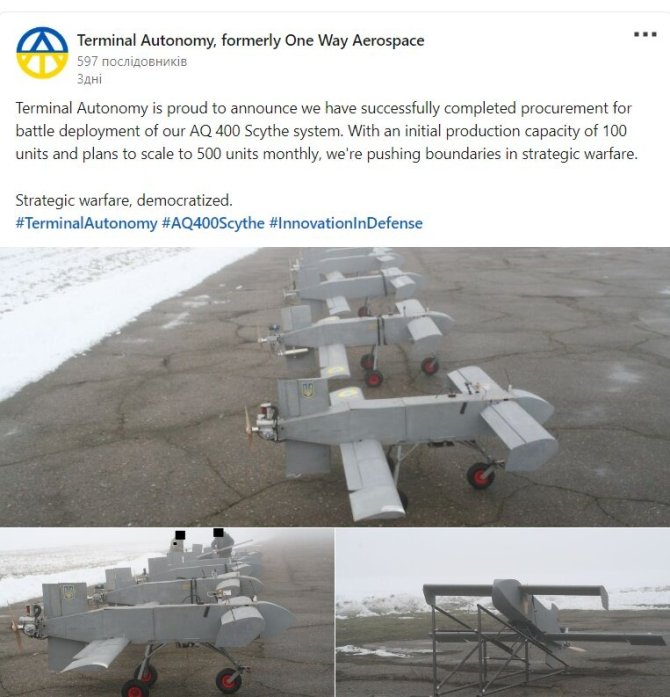
Ukraine is the launch operator and the only confirmed user. Strikes attributed to the Scythe have been reported against targets deep inside Russia, including refineries and military airfields hundreds of kilometres from the front line. Terminal Autonomy has spoken publicly about production targets in the hundreds of units per month — output that depends on the deliberately low parts count and on assembly being distributable across small workshops rather than concentrated in a single plant. The logic mirrors what Iran and Russia have done with the Shahed line: trade peak performance for volume.
The Scythe sits within a broader Ukrainian effort to industrialise long-range strike that includes the Lyutyi, the Bober, and the FP-1 from Fire Point, each occupying a slightly different cost-and-range bracket. What distinguishes the Scythe is the open commitment to wood as a primary structural material — a bet that Ukrainian industry can scale a strike platform faster by shedding metal than by adding precision, and that the war’s tempo rewards quantity built from cheap inputs over a smaller fleet of higher-spec systems.