
Rafael Advanced Defense Systems
Israeli state-owned weapons developer — Iron Dome, David's Sling, Iron Beam laser, Spike anti-tank missiles.
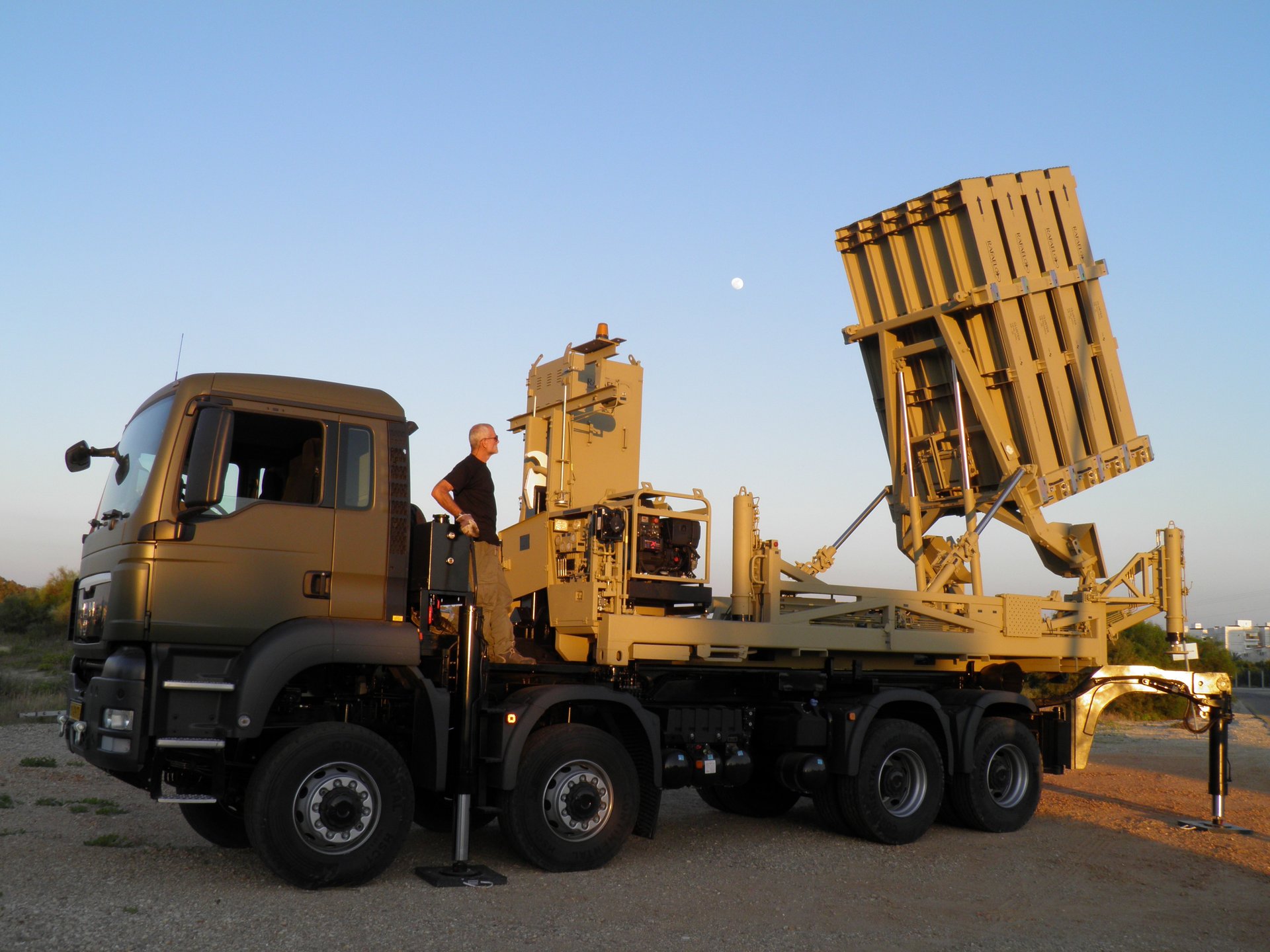
Rafael Advanced Defense Systems traces its origins to 1948, when Israel’s Ministry of Defense set up a national research laboratory to give the new state a domestic capacity for weapons development. Known internally by the Hebrew acronym EMET, the lab took the Rafael name in 1958 and operated as a directorate inside the ministry until 2002, when it was incorporated as a state-owned limited company headquartered in Haifa. Yoav Turgeman, a long-tenured Rafael executive, took over as chief executive in 2023 and has run the firm through the period of intense demand triggered by the post-October-2023 Gaza war.
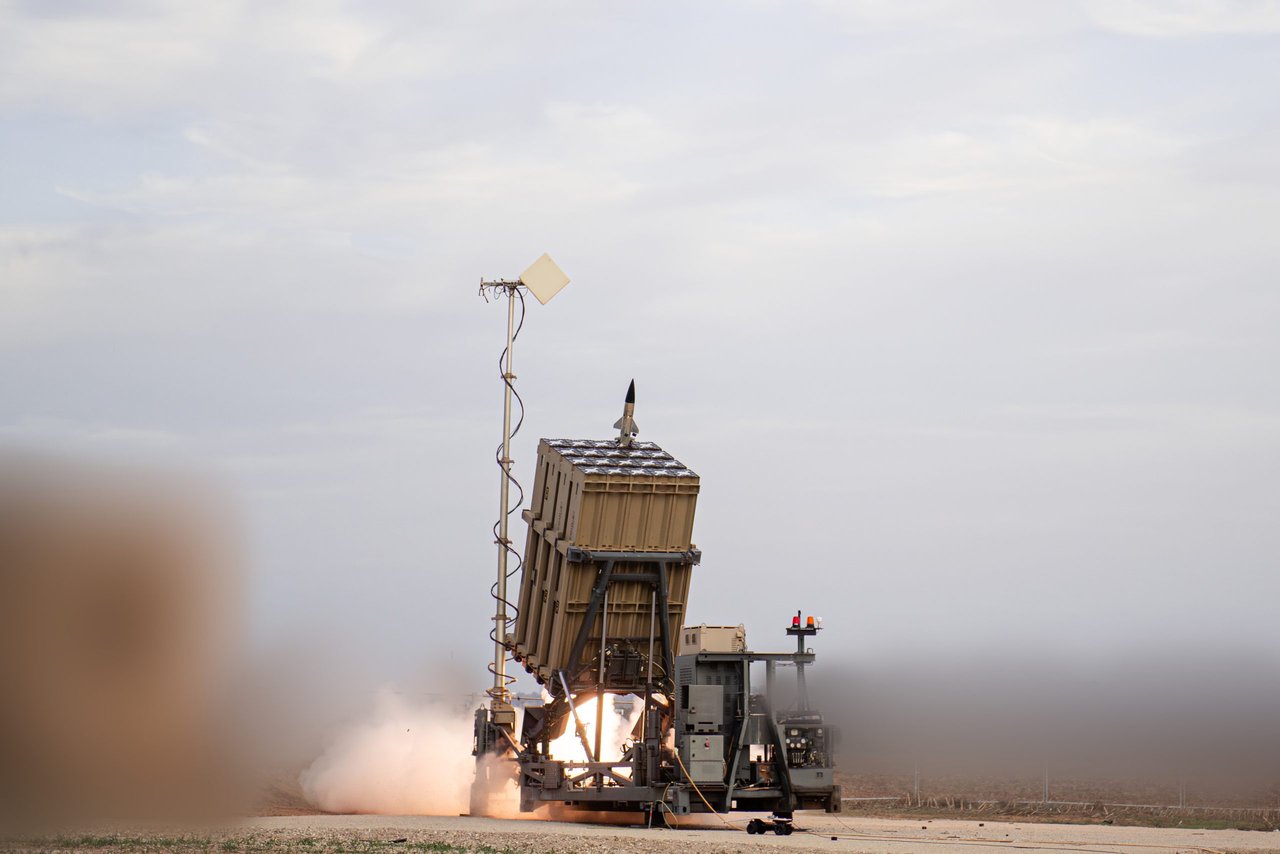
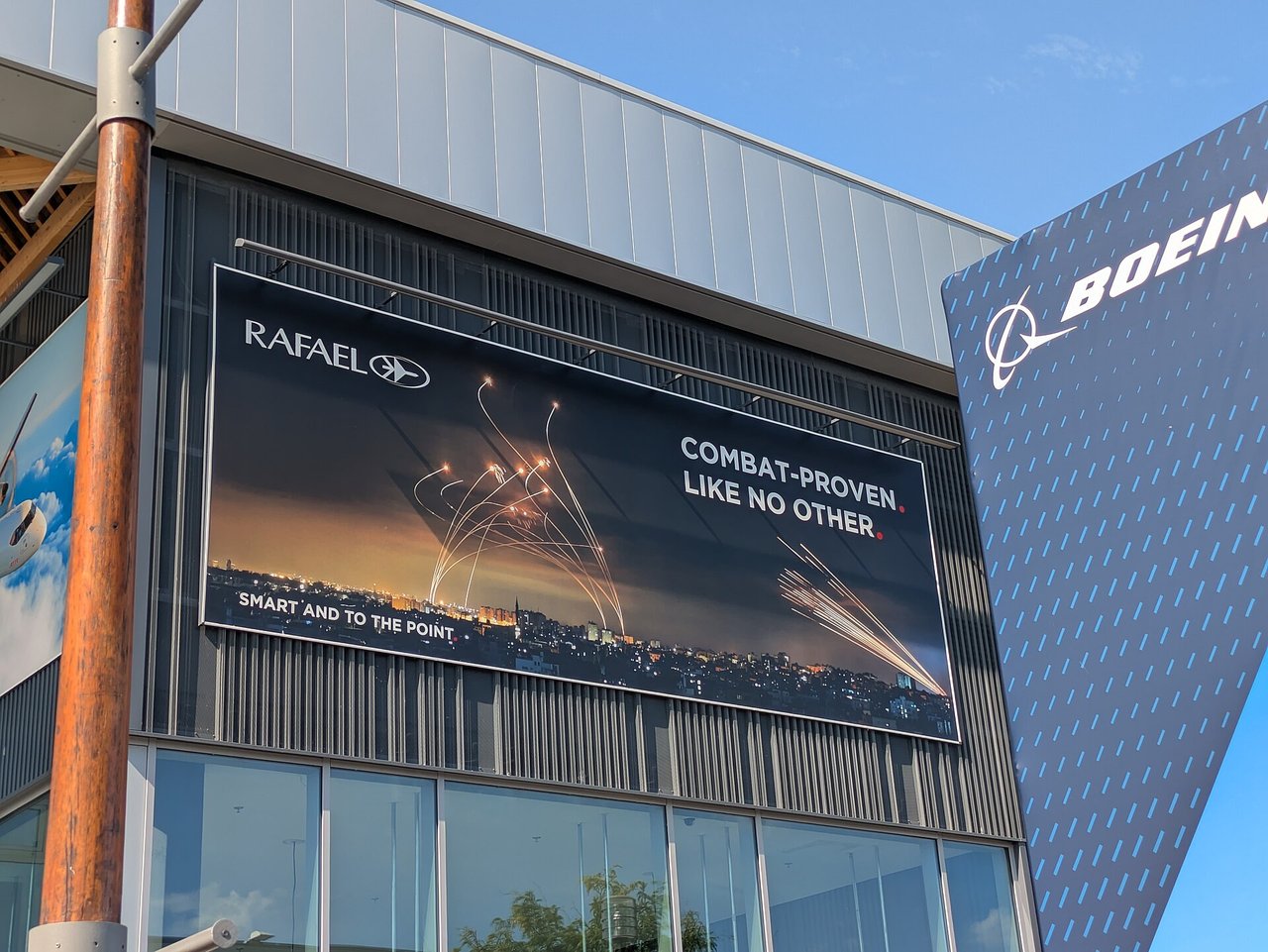
The product catalogue is built around layered air defence and precision missiles. Iron Dome, fielded with mPrest’s battle-management software and IAI’s ELM-2084 radar, intercepts short-range rockets and mortars using Tamir interceptors, and is the system most associated with the company in public coverage. David’s Sling — co-developed with Raytheon — sits above it, firing the Stunner interceptor against medium- and long-range ballistic and cruise threats. At the end of 2025 Rafael delivered the first Iron Beam units to the Israel Defense Forces: a high-power laser air-defence system Turgeman has flagged for phased activation, intended to handle the cheaper end of the threat spectrum at marginal cost per shot. Beyond air defence, the Spike anti-tank guided missile family — now in its fourth generation — anchors the export portfolio. The Trophy active-protection system is fitted to Israeli Merkava tanks and US Army Abrams variants, and the firm also produces the Python and Derby air-to-air missiles, the Sea Breaker anti-ship missile, the Litening targeting pod, and BNET software-defined radios.
Rafael’s customer base spans some thirty militaries. Spike has been adopted by Germany through the long-running Eurospike joint venture with Diehl and Rheinmetall, alongside the United Kingdom, Spain, Italy, Poland, the Netherlands, Romania, Finland, Latvia, Lithuania, Estonia, India, Singapore, South Korea and Australia. The United States Army bought two Iron Dome batteries, and in 2025 the two governments signed a multi-billion-dollar production-expansion deal to build interceptor capacity in both countries. Trophy entered US Army service on the Abrams M1A2 SEPv3 after combat trials in Israel. David’s Sling was sold to Finland in 2023, marking its first export customer.
The company is wholly owned by the Israeli government and does not publish the cadence of disclosures expected of a listed peer, but reported revenue runs around four-and-a-half billion dollars annually with a workforce in the order of eight thousand. Demand has surged since 2023 as European states scramble to rebuild stocks and Israel itself ramps domestic procurement.
Rafael sits inside the political economy of Israeli defence exports, which has come under intensified scrutiny since the start of the Gaza war. Several European customers have paused or reviewed individual licences, and parliamentary debates in Spain, Belgium and the Netherlands have touched on Spike supply specifically. The company’s products are also a recurring subject in coverage of the use of artificial-intelligence-driven targeting tools in Gaza, though Rafael itself has not publicly tied its systems to the IDF tools described in those reports.
Among the three pillars of the Israeli defence industry — alongside IAI and Elbit Systems — Rafael is the one most identified with active interceptors and missiles rather than platforms or electronics. The Iron Beam fielding is the closest test yet of whether directed-energy weapons can move from demonstration to an operational layer, and what Rafael does with that programme over the next few years is likely to set the pace for the rest of the field.
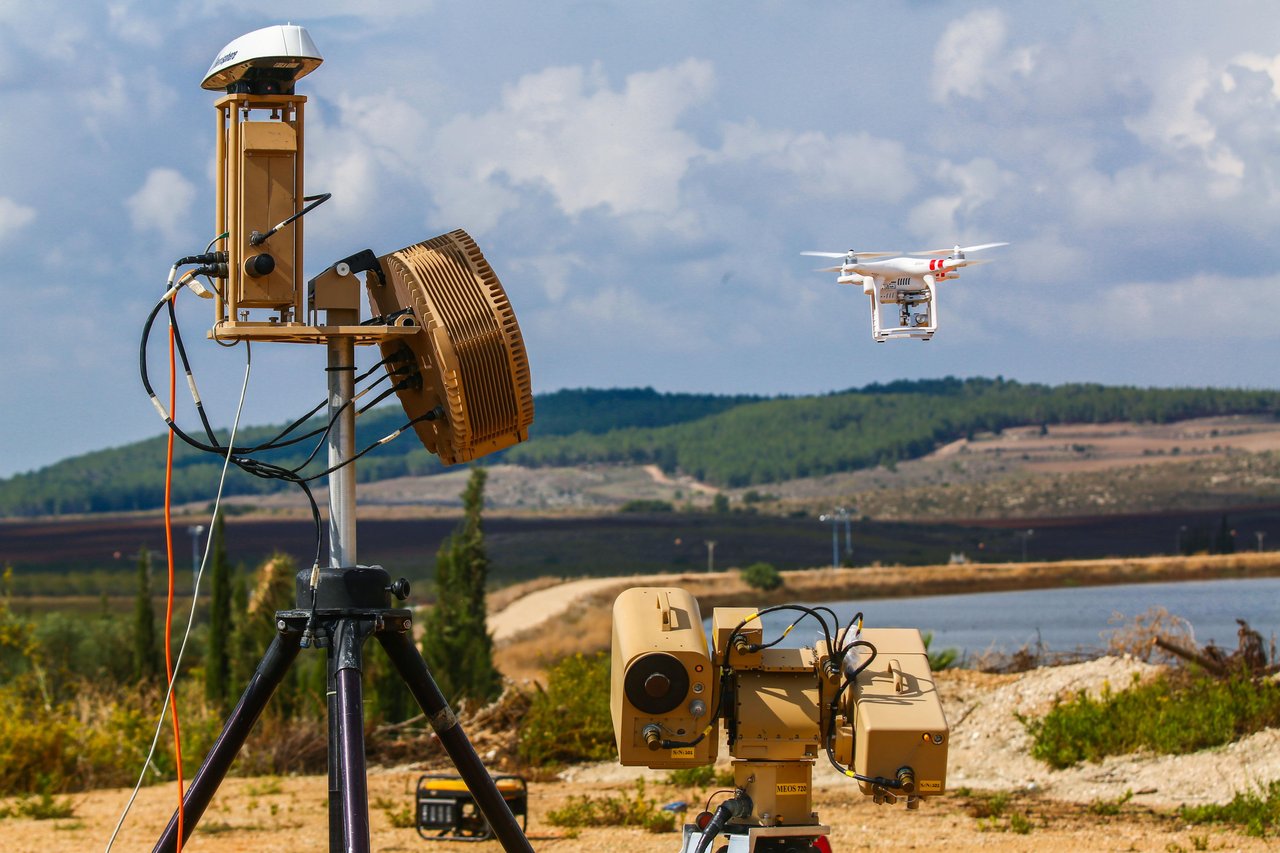
Products
Missiles & loitering munitions
Iron Dome
Short-range air-defence system; intercepts rockets, artillery and mortars. The flagship Israeli air-defence platform; multi-billion-dollar production-expansion contract signed 2025.
David's Sling
Medium- to long-range air-defence layer between Iron Dome and Arrow.
Spike (4th-gen)
Fourth-generation fire-and-forget anti-tank guided missile family; widely exported to NATO members and others.
Iron Dome
Israel's short-range air-defence shield — rocket, artillery, and mortar interceptor that has reshaped expectations for cost-effective area defence.
Introduced 2011 · Updated 2025
Python-5
Fifth-generation imaging-infrared air-to-air missile with full-sphere lock-on-after-launch capability.
Introduced 2005
Spike
Family of electro-optically guided anti-tank and multi-purpose missiles with fire-and-forget and man-in-the-loop modes.
Introduced 1981
Integrated systems
David's Sling
Medium-to-long-range air defence system co-developed with Raytheon, filling the gap between Iron Dome and Arrow.
Introduced 2017
Iron Beam
High-energy laser air defence system designed to complement Iron Dome at near-zero per-shot cost.
Introduced 2025
Trophy
Active protection system for armoured vehicles that detects and intercepts incoming RPGs and ATGMs.
Introduced 2011
Gallery
Sources
- en.wikipedia.org/wiki/Rafael_Advanced_Defense_Systems (2026-05-02) — Encyclopedic entry — confirms 1948 origin, 2002 incorporation, Spike family, air-defence portfolio.
- breakingdefense.com/2025/10/lasers-and-ai-inside-rafaels-vision-of-israels-future-air-defense/ (2026-05-02) — Breaking Defense — Iron Beam, AI in Rafael's air-defence vision.
- www.calcalistech.com/ctechnews/article/rju11mfzsbx (2026-05-02) — Calcalist CTech — IPO at >$20B valuation.
- www.calcalistech.com/ctechnews/article/by3cwqfrbl (2026-05-02) — Calcalist CTech — Israeli privatisation timeline for IAI + Rafael.
- mod.gov.il/en/press-releases/press-room/israel-mod-signs-multi-billion-dollar-contract-with-rafael-to-expand-serial-production-of-iron-dome-system (2026-05-02) — Israeli MoD press release on Iron Dome production expansion.
Books
Sources (9)
- en.wikipedia.org/wiki/Rafael_Advanced_Defense_Systems
- www.wikidata.org/wiki/Q154610
- www.rafael.co.il/
- en.wikipedia.org/wiki/Rafael_Advanced_Defense_Systems
- en.wikipedia.org/wiki/Rafael_Advanced_Defense_Systems
- en.wikipedia.org/wiki/Rafael_Advanced_Defense_Systems
- en.wikipedia.org/wiki/Rafael_Advanced_Defense_Systems
- en.wikipedia.org/wiki/Rafael_Advanced_Defense_Systems
- en.wikipedia.org/wiki/Rafael_Advanced_Defense_Systems