Vectis
Skunk Works stealth Collaborative Combat Aircraft — designed to escort the F-35 and the future NGAD fighter into contested airspace.
Droneby Lockheed MartinIntroduced 2025 · Updated 2025
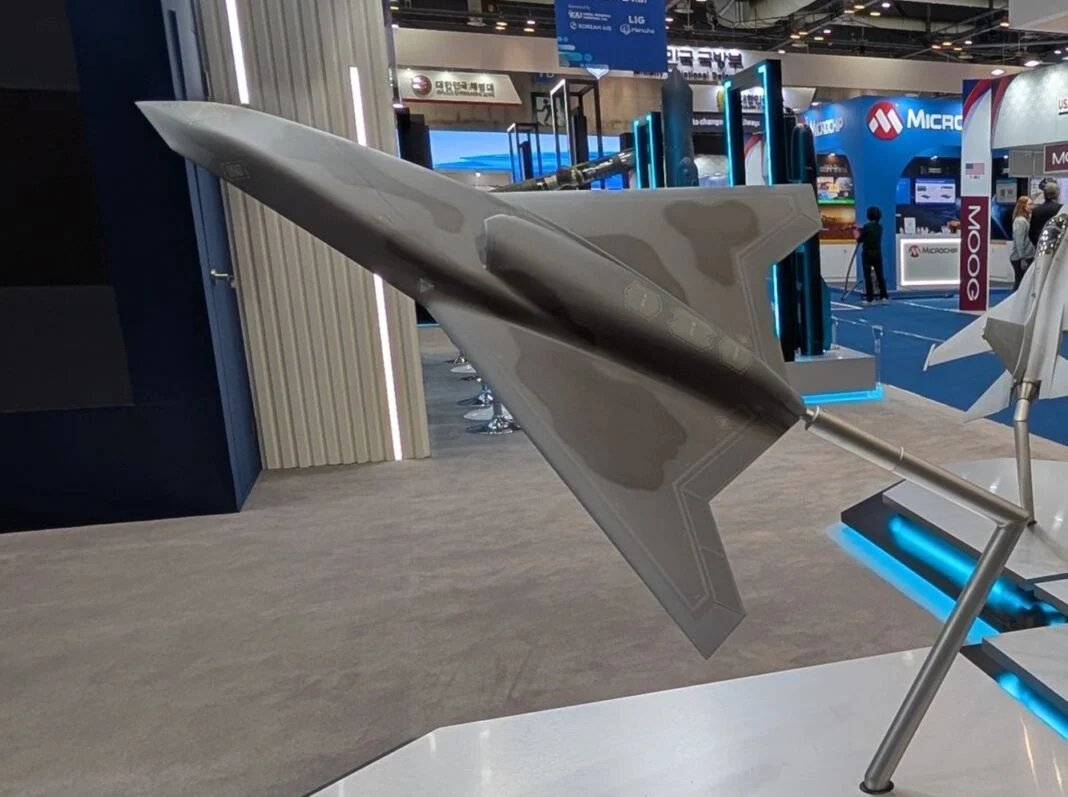
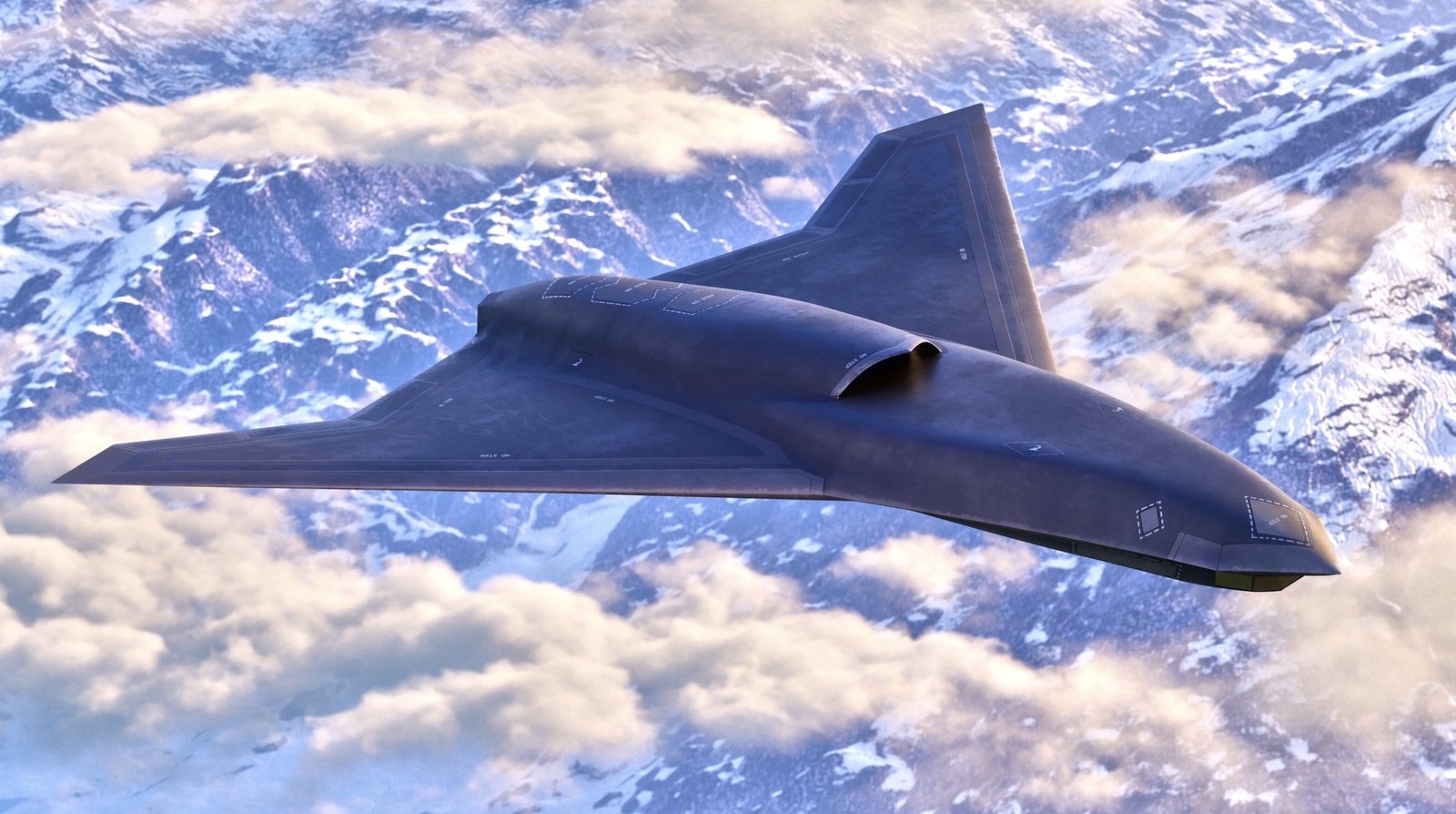
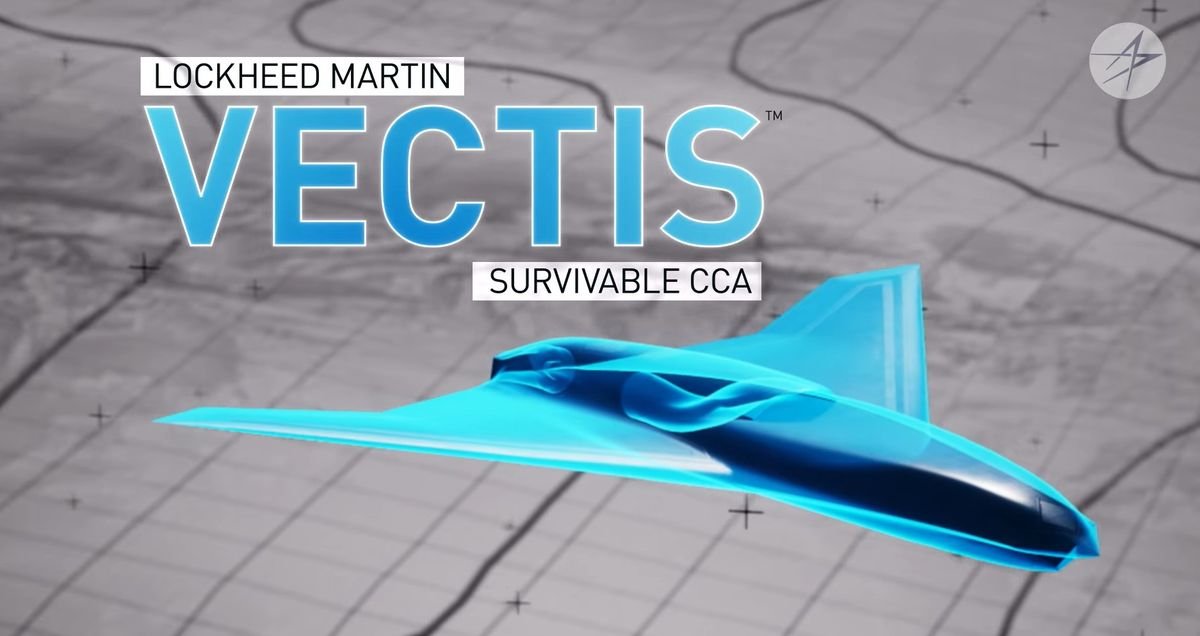
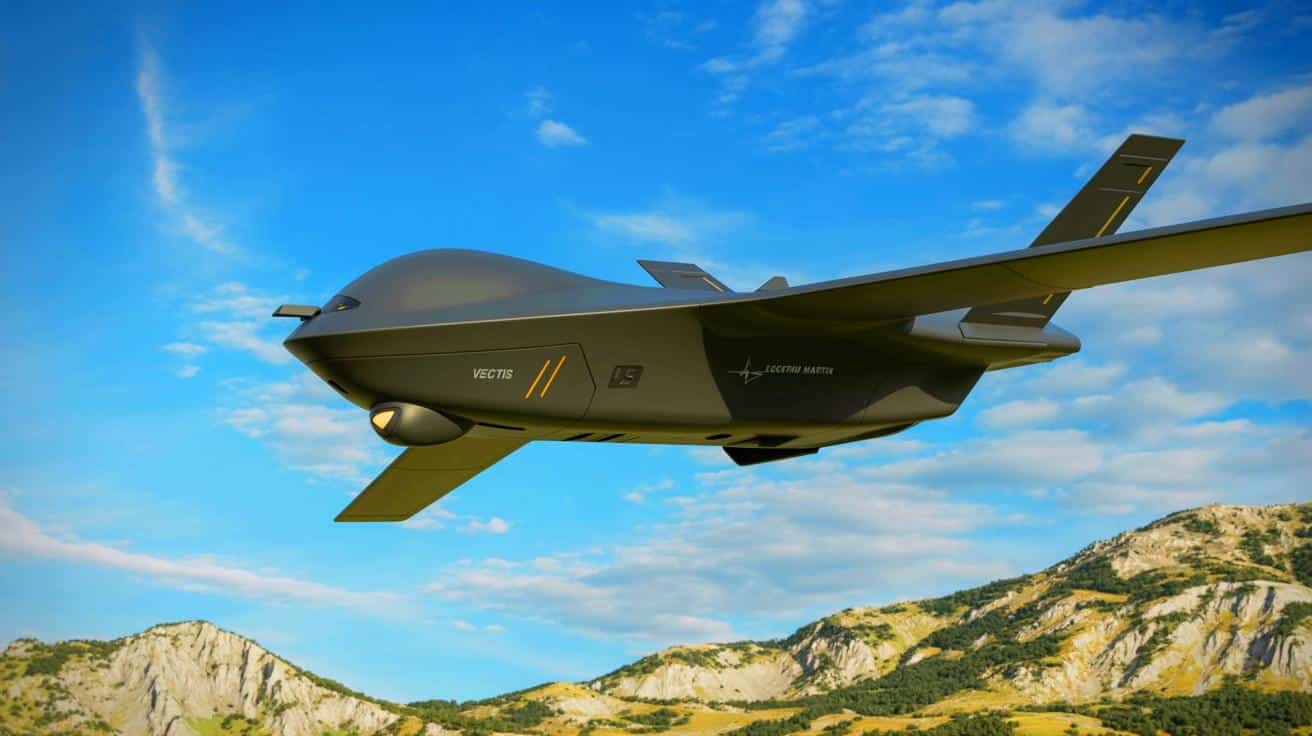
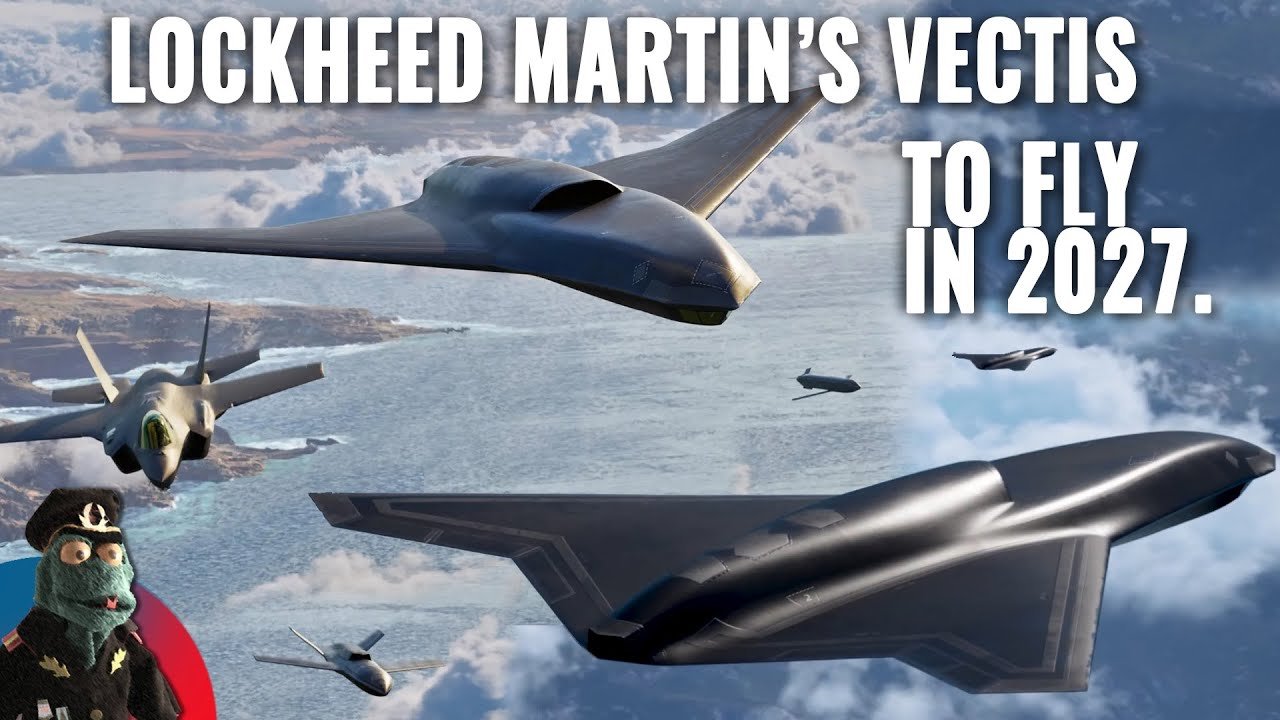
Photos: defence-blog.com · dronevideos.com · aeronaut.media · visegradpost.com · fity.club
Vectis is Lockheed Martin Skunk Works’ entry into the Collaborative Combat Aircraft (CCA) class — a stealth, attritable Group 5 drone designed to operate as a wingman for the F-35 Lightning II and the future NGAD fighter. Skunk Works unveiled the platform on 21 September 2025; first flight is targeted for 2027.
The design intent, as framed by VP and general manager OJ Sanchez at the unveiling, is the convergence of decades of Skunk Works work on stealth, fighter integration, and autonomous systems into a single platform sized for the CCA cost curve. The role envelope spans precision strike, electronic warfare, ISR targeting, and both offensive and defensive counter-air — a generalist mission set explicitly built to draft behind a crewed fifth- or sixth-generation fighter rather than operate as a standalone ISR or strike platform.
The Vectis announcement sits in a wider Skunk Works push during 2025. In November 2025 the division demonstrated F-22 cockpit control of a Collaborative Combat Aircraft via a pilot vehicle interface — the first time a fifth-generation US fighter has commanded a CCA in flight. In December 2025 Skunk Works flew a Stalker XE Block 25 with AI-driven mission contingency management, where the AI automatically replans the mission when an unexpected problem occurs in flight. Both demonstrations are pieces of the operating concept that Vectis is being designed to instantiate.
The competitive frame is the US Air Force’s CCA Increment 1, which selected Anduril’s Fury and General Atomics’ Gambit. Vectis pushes Lockheed into an Increment 2 conversation — a higher-end, more survivable CCA that complements the cheaper Increment 1 fleet. Whether the Air Force buys the dual-tier story, and at what scale, is the central commercial question for the platform.
Combat experience
Effectiveness
Vectis is Lockheed’s third generation of unmanned air vehicle thinking from Skunk Works, after the RQ-170 Sentinel (penetrating ISR) and the X-44A / Speed Racer demonstrators. Where the RQ-170 was conceived as a single high-end asset, Vectis is sized for the Collaborative Combat Aircraft cost curve — produced in the hundreds rather than the dozens, and built to be lost in greater numbers than crewed fighters.
In November 2025 Skunk Works demonstrated F-22 cockpit control of a CCA via a pilot vehicle interface, and in December 2025 Skunk Works flew a Stalker XE Block 25 with AI-driven mission contingency management — both pieces of the Vectis operating concept ahead of the platform’s first flight. The strategic question Vectis is implicitly designed to answer is whether the United States can field a CCA fleet large enough to balance the Chinese fighter mass advantage in the Pacific while keeping the F-35 and NGAD survivable.
Sources
- news.lockheedmartin.com/2025-09-21-Lockheed-Martin-Vectis-TM-Best-in-CCA-Class-Survivability (2026-05-02) — Lockheed Martin press release on the Vectis unveiling.
- breakingdefense.com/2025/09/lockheeds-skunk-works-reveals-vectis-stealth-drone-eyeing-first-flight-in-2027/ (2026-05-02) — Breaking Defense — 2027 first-flight target.
- newatlas.com/military/lockheed-martin-5th-gen-fighter-drone-control/ (2026-05-02) — New Atlas — F-22 cockpit controlling CCA via Skunk Works PVI.
- news.lockheedmartin.com/2025-12-04-Lockheed-Martin-Skunk-Works-R-Showcases-AI-Driven-Mission-Contingency-Management-on-an-Autonomous-UAV-Demonstration (2026-05-02) — Lockheed Martin press release — December 2025 AI mission-contingency demonstration.