Spyglass
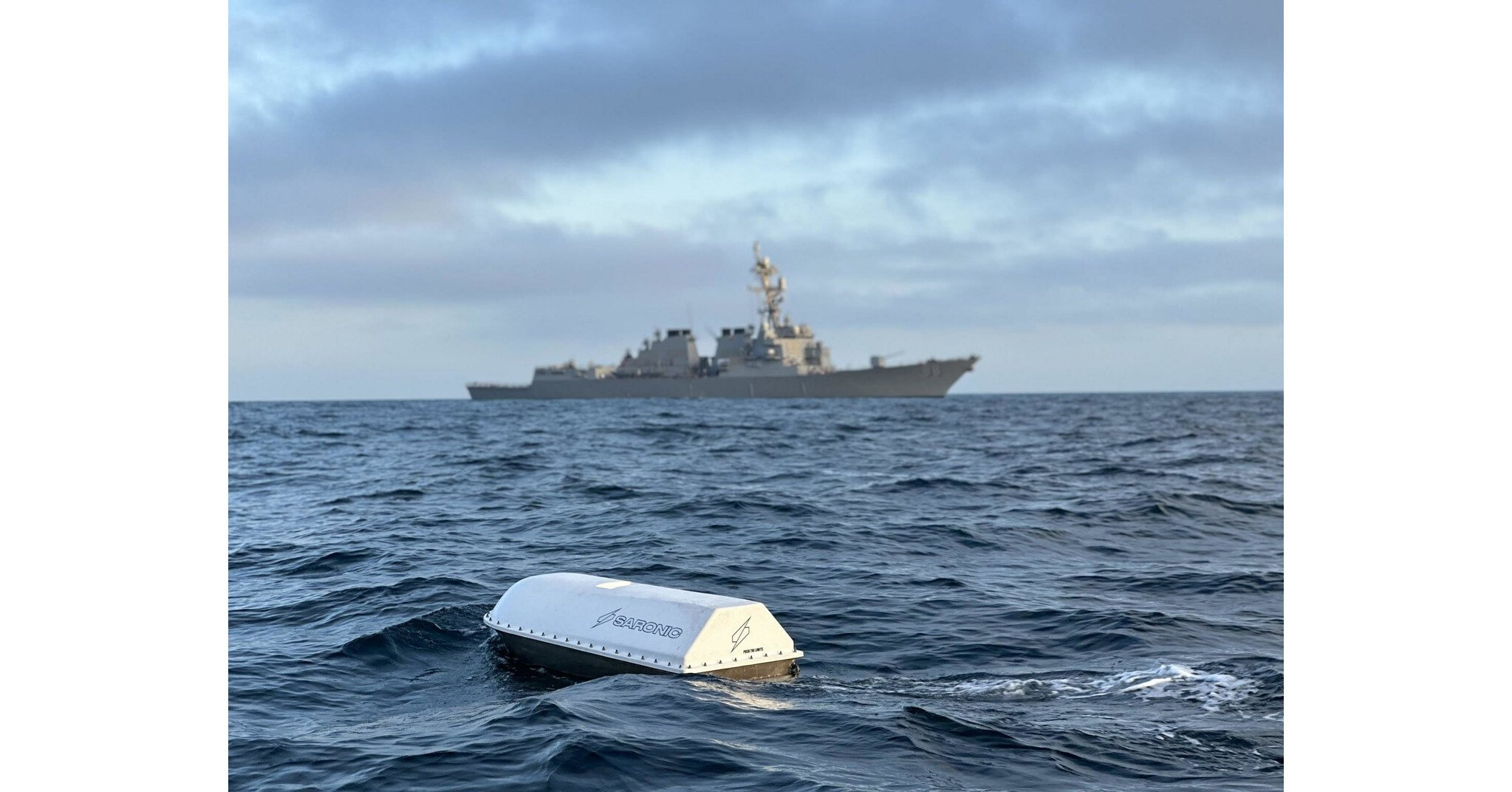
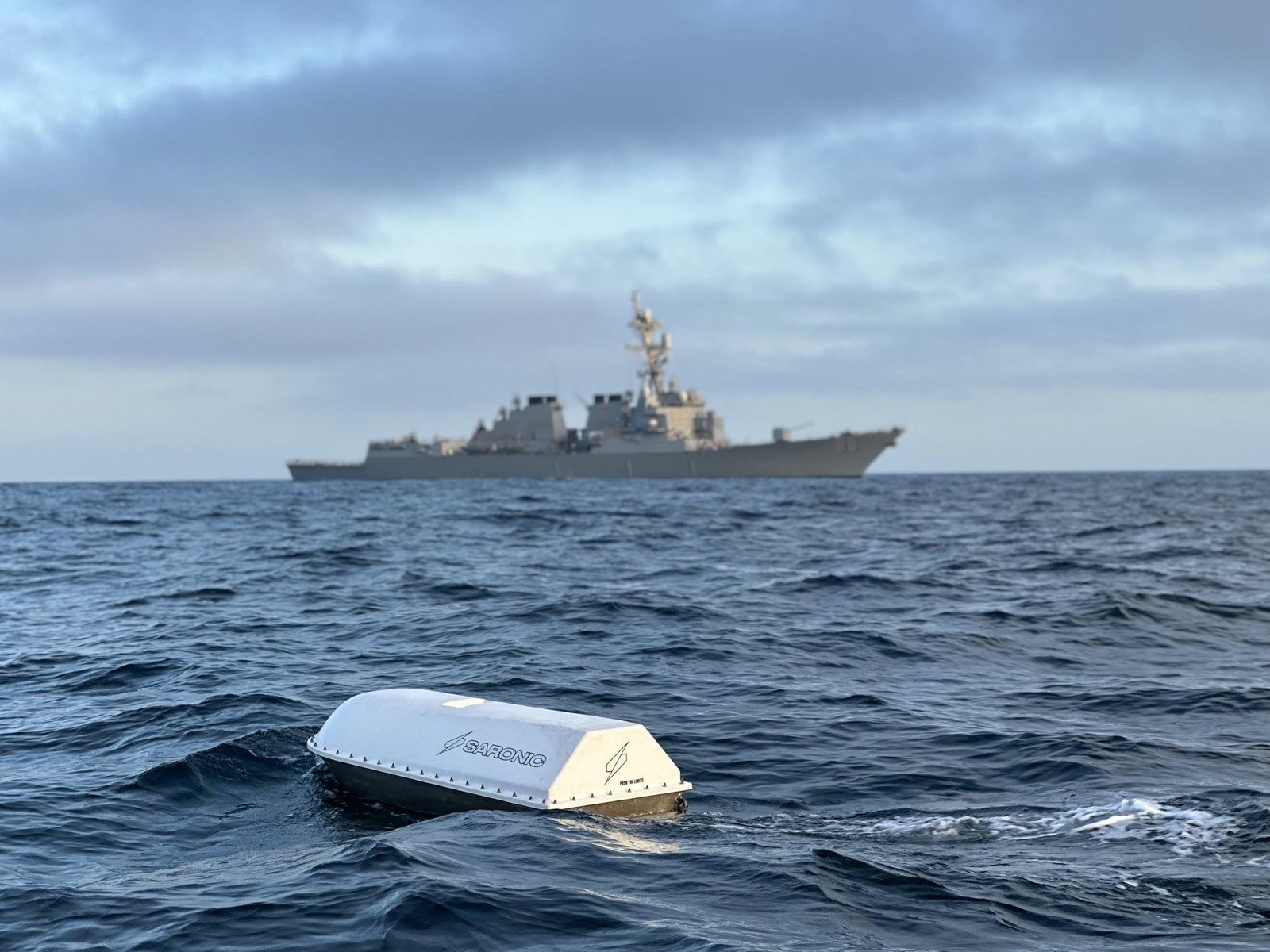
6-foot autonomous surface vessel built for ISR and forward-deployed maritime sensing.
navalby Saronic TechnologiesIntroduced 2023
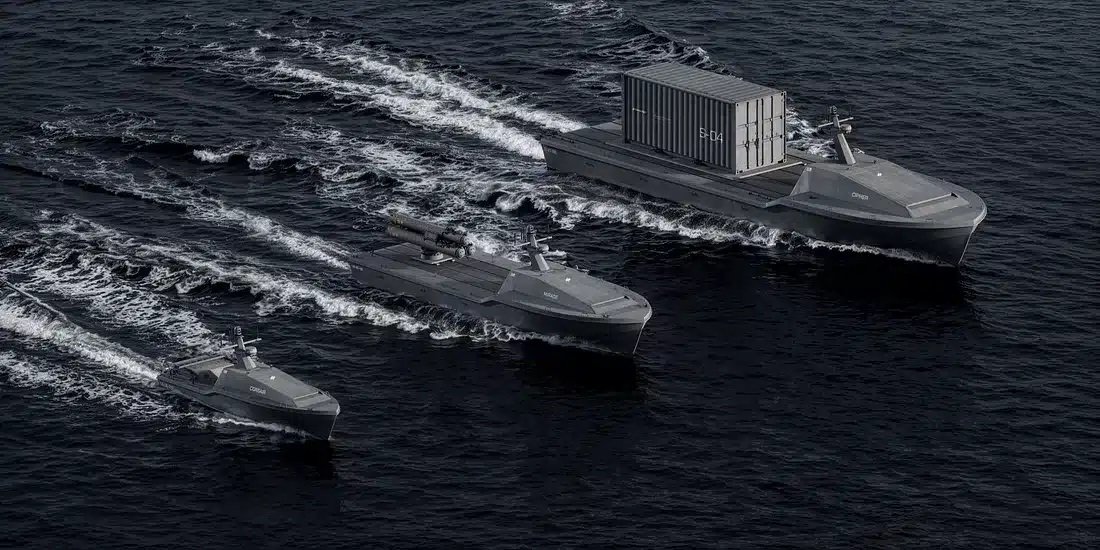
Photos: www.prnewswire.com · www.ensemble.vc · defence-blog.com · www.combattech.net
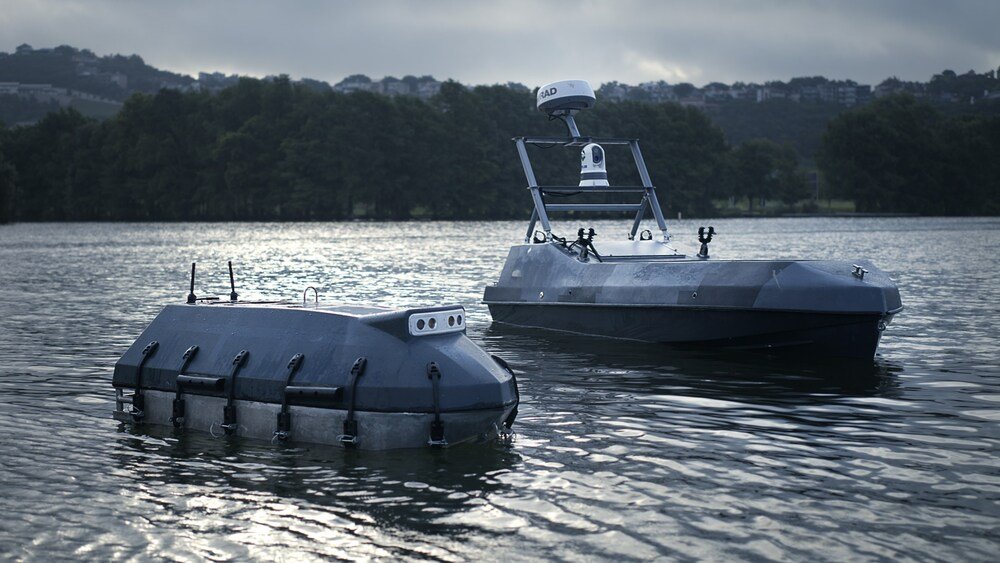
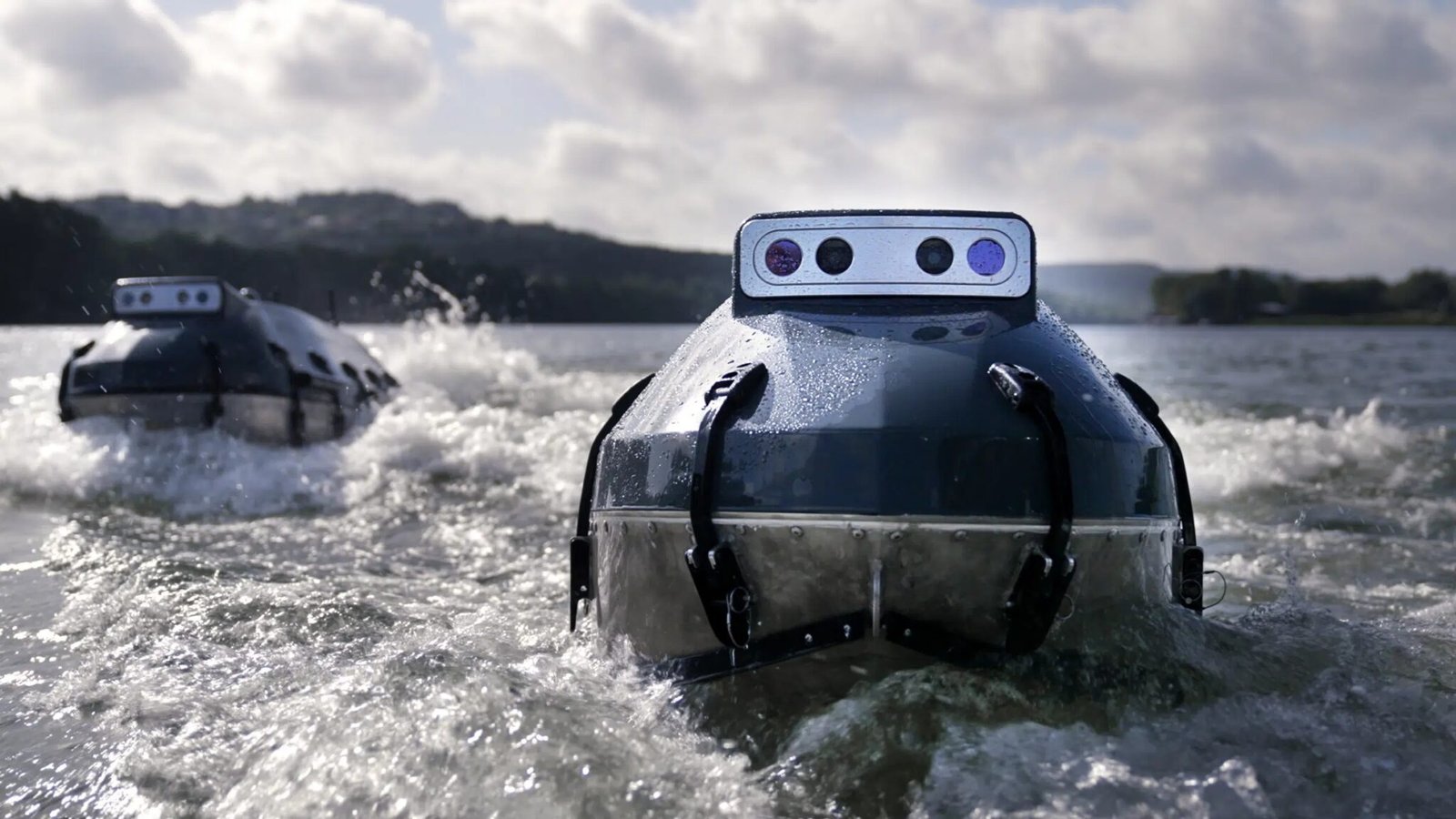
Spyglass is the smallest member of Saronic Technologies’ autonomous surface vessel family — a six-foot hull designed for forward-deployed maritime intelligence, surveillance, and reconnaissance. The Austin-based builder introduced the platform in 2023 alongside its larger Cutlass and Corsair vessels, positioning Spyglass as the squad-portable end of a tiered ASV catalogue aimed squarely at the U.S. Navy’s growing appetite for distributed, low-cost sensing in contested waters.
The boat is small enough to be launched from a rigid-hull inflatable or carried by a single team to a beach, but it runs the same autonomy stack Saronic uses across its larger hulls. Onboard navigation handles waypoint following, station-keeping, and obstacle avoidance without continuous operator input, allowing a single operator to oversee multiple vessels at once. The payload bay is modular — radar, electro-optical and infrared cameras, signals intelligence packages, and acoustic sensors can be swapped depending on the mission — and the open architecture is designed to slot into the Navy’s broader unmanned command-and-control networks rather than locking customers into a closed ecosystem.
Saronic itself was founded in 2022 by Dino Mavrookas, a former Navy SEAL, alongside Rob Lehman and Vincent Ortiz, with the explicit pitch that the United States needed cheaper, more attritable surface vessels in volume rather than a small number of exquisite platforms. That argument has aligned closely with the Pentagon’s Replicator initiative, which is funding the rapid fielding of low-cost autonomous systems across air, sea, and ground domains. The company raised a $175 million Series B in early 2024 and a $600 million Series C in early 2025, the latter valuing Saronic at roughly $4 billion and underwriting a new shipyard in Port Aransas, Texas, intended to scale production to hundreds of hulls per year.
Spyglass has not been publicly tied to combat operations, and Saronic does not disclose unit counts. Its operators to date are concentrated in the United States, where the Navy and the Defense Innovation Unit have run the platform through experimentation cycles aimed at fleet integration. Within Saronic’s own lineup, Spyglass sits beneath the medium-class Cutlass and Corsair, and well beneath the larger Marauder hull the company unveiled to extend the family into longer-endurance missions.
In a market that increasingly includes Anduril Industries and a wave of smaller maritime-autonomy startups, Spyglass represents the bottom rung of a deliberate ladder — a vessel sized for the squad rather than the strike group, built on the assumption that future maritime ISR will be handled by many small boats rather than a few large ones.