Seaglider
Long-endurance autonomous underwater glider for persistent oceanographic and anti-submarine-warfare environmental sensing.
Droneby Kongsberg DiscoveryIntroduced 2001
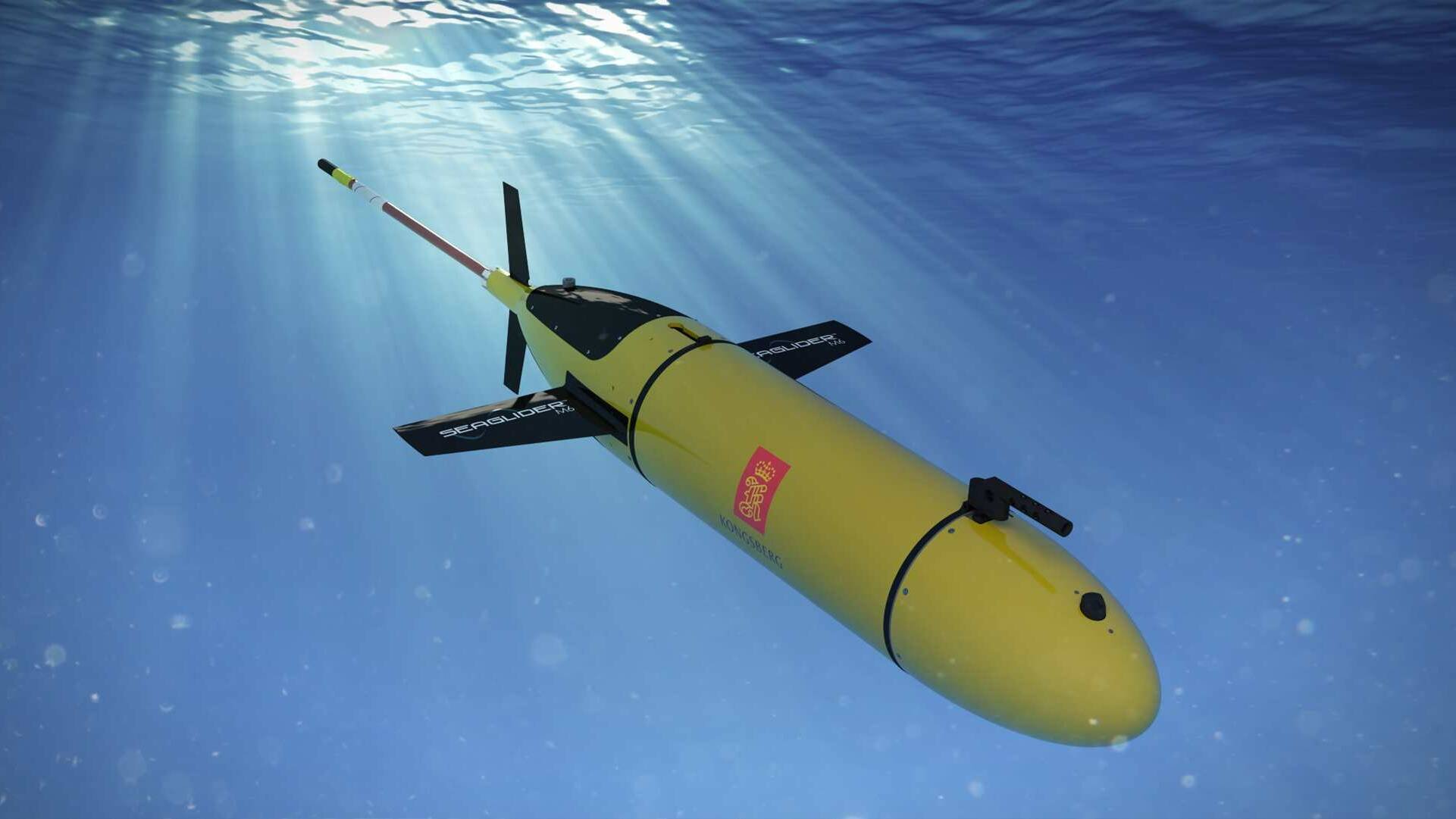

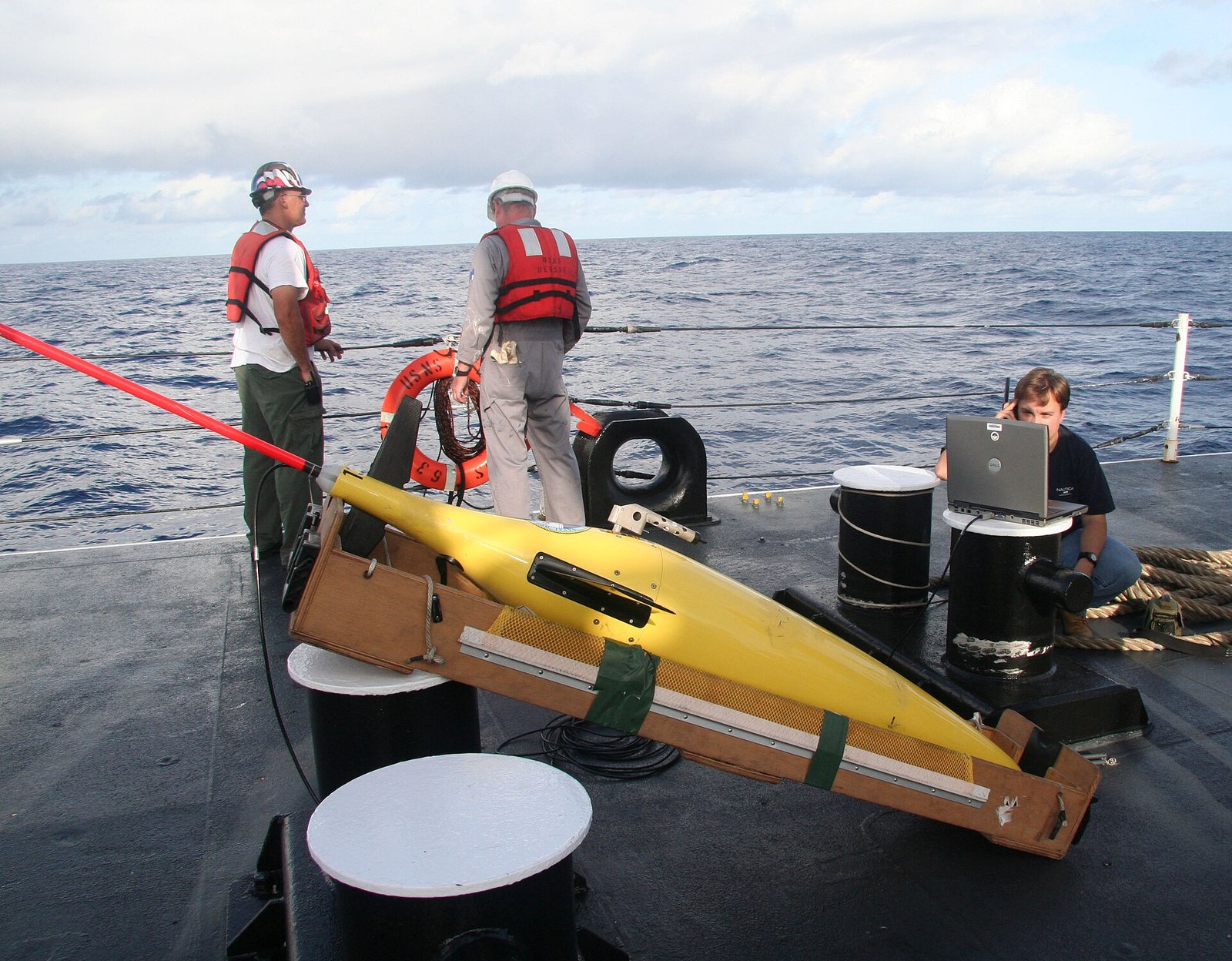
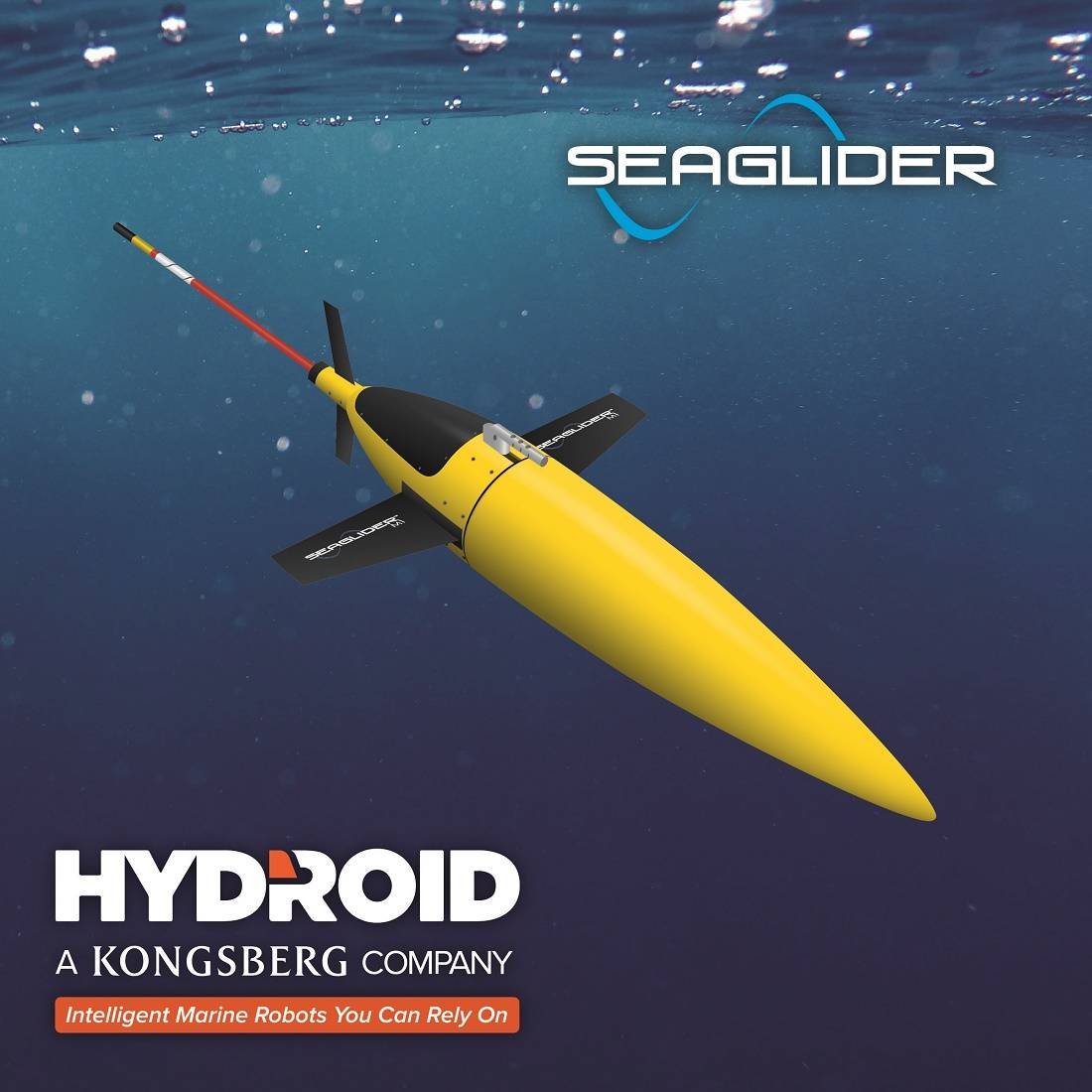
Photos: cyprusshippingnews.com · Kongsberg Discovery · U.S. Navy/Mass Communication Specialist 2nd Class Lily Daniels · www.kongsberg.com · www.marinetechnologynews.com
Seaglider is a long-endurance autonomous underwater glider built by Kongsberg Discovery for oceanographic survey and anti-submarine-warfare environmental sensing. The design originated at the University of Washington’s Applied Physics Laboratory in the late 1990s and entered operational use in 2001. Commercial production passed through iRobot’s maritime division before Kongsberg acquired the line and folded it into its underwater-robotics portfolio alongside the HUGIN and REMUS families. Unlike a propeller-driven AUV, a glider trades speed for endurance: a single mission can run for several months and cover thousands of kilometres on internal batteries, surfacing only to relay data and pick up new orders.
The propulsion principle is buoyancy. A small hydraulic pump moves oil between an internal reservoir and an external bladder, changing the vehicle’s displacement by a few hundred millilitres and giving it positive or negative buoyancy on demand. Fixed wings convert that vertical motion into horizontal travel, producing the characteristic sawtooth dive profile that takes the glider down to roughly 1,000 metres and back. Pitch and roll are controlled by shifting the internal battery pack along the hull, so there are no external control surfaces to fail or foul. A standard payload includes a CTD (conductivity, temperature and depth) sensor alongside dissolved-oxygen and optical instruments; mission planners can swap in passive acoustic recorders, fluorometers or turbulence probes. When the vehicle surfaces, it raises an antenna in its trailing fairing and reports position and data over Iridium satellite, receiving updated waypoints in the same call.
The United States, the United Kingdom and Norway are the principal naval operators. The US Navy fields Seagliders within its broader unmanned-glider fleet for sound-speed profiling, a task that directly underpins sonar-performance prediction in submarine hunts. The UK National Oceanography Centre and the Defence Science and Technology Laboratory have run Seagliders in the North Atlantic and Arctic, and Norwegian operators have used them on the Atlantic frontier, where the acoustic environment matters for tracking Russian submarine activity. Civilian science fleets in the same countries share many of the same hulls, and the dual-use nature of the platform means that data routinely flows between research institutions and naval oceanographic services.
Several variants have spun out of the original design. The Deepglider, also developed at the University of Washington, extends the depth envelope to 6,000 metres for full-ocean profiling. Kongsberg’s commercial Seaglider has continued to receive payload-bay and battery upgrades, with lithium primary cells pushing endurance towards a year on the most efficient missions. The platform sits in a small but mature category alongside Teledyne’s Slocum and the Spray glider; what distinguishes Seaglider is its deep-water reach and the maturity of a fleet that has been at sea, in some form, for more than two decades.