REMUS AUV
Family of man-portable to large-displacement autonomous underwater vehicles purpose-built for mine hunting and maritime reconnaissance.
Droneby Kongsberg MaritimeIntroduced 1997
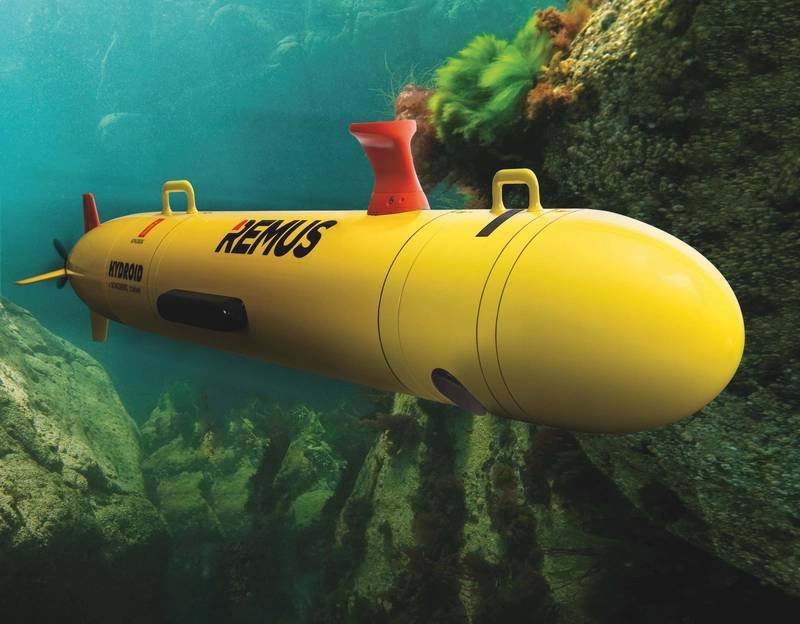
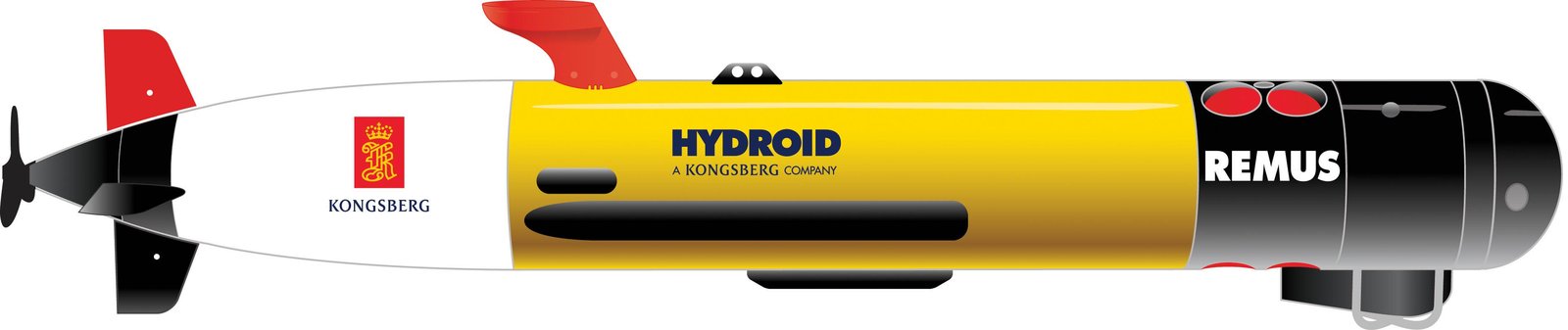
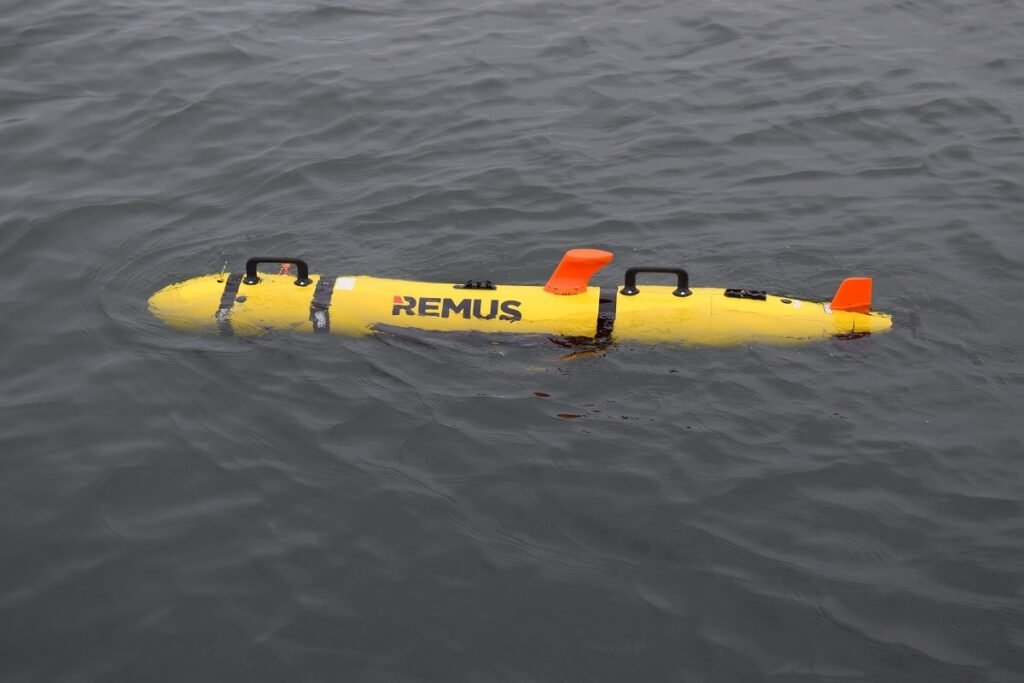
Photos: www.marinetechnologynews.com · Kongsberg Maritime · www.marinelink.com · bluezonegroup.com.au
REMUS — Remote Environmental Monitoring Units — is a family of torpedo-shaped autonomous underwater vehicles that has become the most widely fielded military AUV in the West. The line was developed in the 1990s at the Woods Hole Oceanographic Institution and spun out through Hydroid Inc., which Kongsberg Maritime acquired in 2008. The first REMUS 100 entered service in 1997 and the family now spans four core variants distinguished by their maximum operating depth: the man-portable REMUS 100, the newer REMUS 300, the ship-launched REMUS 600, and the deep-water REMUS 6000. Across those variants the vehicles fill the same niche — autonomous mine hunting, hydrographic survey, and underwater intelligence-gathering — at depths from harbor approaches to the abyssal plain.
The vehicles share a modular cylindrical architecture in which the nose, mid-body, and tail sections can be swapped for different payload fits. Side-scan sonar is the standard sensor for mine countermeasures, augmented by synthetic aperture sonar on the larger hulls, electro-optical cameras for target re-acquisition, and acoustic Doppler current profilers for oceanographic work. Navigation is handled by an inertial measurement unit aided by a Doppler velocity log and periodic GPS fixes when the vehicle surfaces; acoustic modems allow over-the-horizon status updates to a host ship. The REMUS 100 weighs roughly 37 kilograms, can be hand-launched from a small boat, and runs for around eight hours; the REMUS 6000, by contrast, displaces about 800 kilograms and dives to six kilometres.
The United States Navy is the largest operator, fielding the REMUS 100 as the Mk 18 Mod 1 Swordfish and the REMUS 600 as the Mk 18 Mod 2 Kingfish for explosive ordnance disposal teams. A REMUS 100 cleared mines in the approaches to Umm Qasr during the 2003 invasion of Iraq, the first documented combat use of an autonomous underwater vehicle. The Royal Navy, the Royal Australian Navy, the Royal Norwegian Navy, and the Japan Maritime Self-Defense Force all operate variants for mine countermeasures and survey. The REMUS 6000 has logged extensive civilian search work, including the 2011 recovery of the Air France 447 flight recorders from 4,000 metres in the South Atlantic.
In 2022 the US Navy selected the REMUS 300 as its Lionfish small unmanned undersea vehicle programme of record, with an initial order covering several dozen vehicles and an option ceiling reported at more than two hundred. Development now centres on longer-endurance battery packs, payload autonomy software, and integration with surface unmanned vessels that can carry the smaller REMUS hulls forward into denied waters.