REMUS 3000
Deep-water AUV for long-range seabed mapping, pipeline inspection, and submarine cable surveillance.
Droneby Kongsberg DiscoveryIntroduced 2007
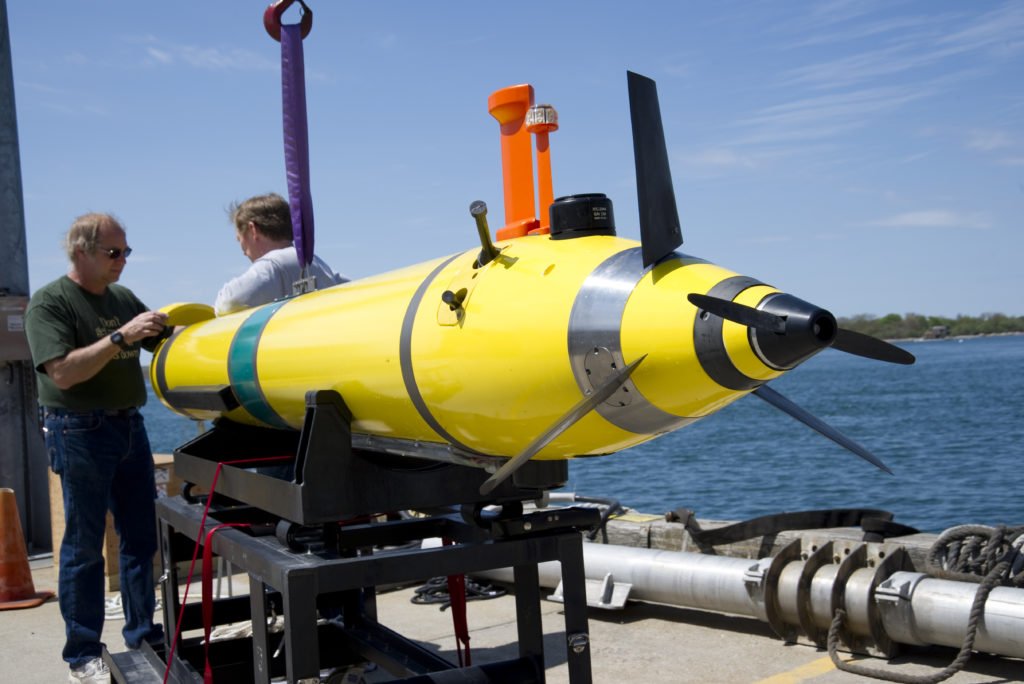
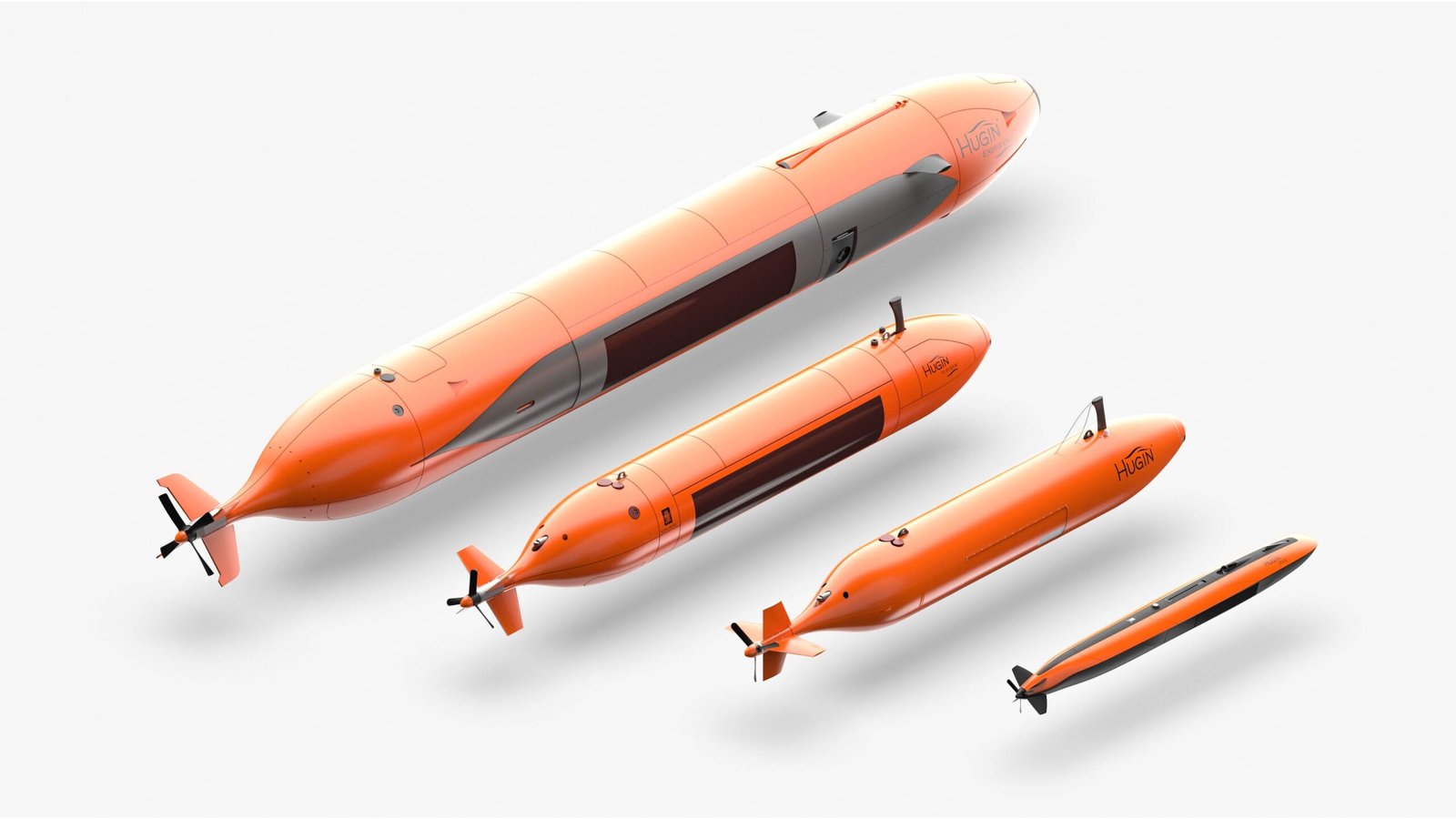
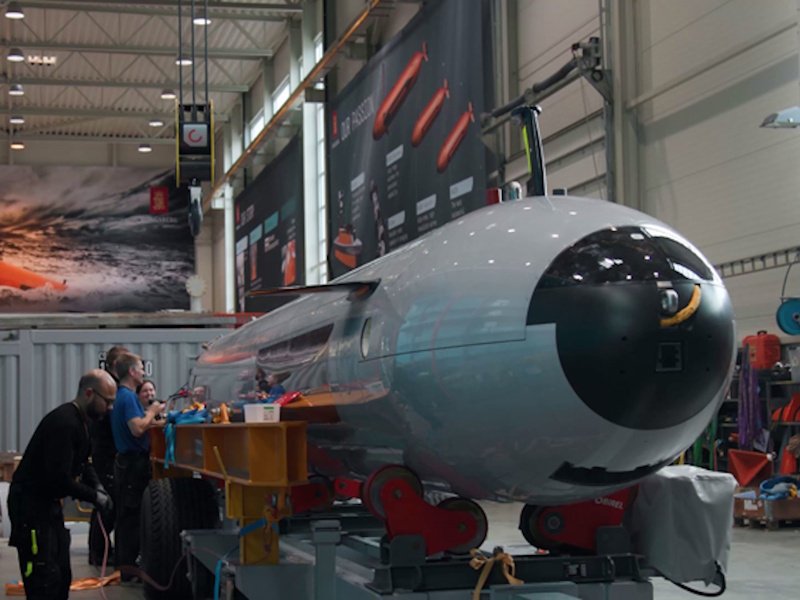
Photos: www2.whoi.edu · www.oceanbusiness.com · www.rovplanet.com
REMUS 3000 is a mid-class autonomous underwater vehicle built by Kongsberg Discovery, the underwater-robotics arm of Norway’s Kongsberg Group. The vehicle inherits the REMUS lineage — Remote Environmental Monitoring Units — that began at the Woods Hole Oceanographic Institution in the 1990s and was commercialised by Hydroid, the Massachusetts firm Kongsberg acquired in 2008. The 3000 designation refers to its operating depth in metres, placing it between the shallow-water REMUS 600 and the abyssal REMUS 6000 in the family’s depth ladder. It entered service around 2007 and remains in production for hydrographic survey, seabed mapping, mine countermeasures, and the kind of long-baseline infrastructure inspection that has become a strategic priority along Europe’s northern coastlines.
The vehicle is built around a compact torpedo-shaped pressure hull with modular nose, mid-body, and tail sections that operators reconfigure depending on the payload. A typical survey configuration carries a side-scan sonar, multibeam echosounder, and sub-bottom profiler; more recent fits add synthetic aperture sonar, which produces high-resolution seabed imagery at standoff ranges that conventional side-scan cannot match. Navigation relies on an inertial measurement unit aided by a Doppler velocity log, with GPS fixes taken when the vehicle surfaces and acoustic positioning available when a support ship is overhead. Endurance sits at roughly twenty-four hours on lithium-ion batteries, enough for a single dive to cover tens of square kilometres of seafloor at survey speed.
The US Navy is the longest-standing operator of the REMUS line, fielding the smaller variants in mine-countermeasure roles since the early 2000s and adopting the 3000 for deeper hydrographic and oceanographic work. Norway is the other anchor customer, both through the Royal Norwegian Navy and through Kongsberg’s own civilian survey arm. The 3000 sits alongside Kongsberg’s HUGIN family in the company’s catalogue — HUGIN is the larger, higher-endurance survey AUV used for the most demanding seabed-mapping contracts, while REMUS is positioned for missions that prize portability and modularity over raw range.
Seabed surveillance has become a politically charged use case in the years since the Nord Stream pipeline sabotage of 2022 and the repeated cable-cutting incidents in the Baltic. Pipelines, fibre-optic trunks, and naval listening installations all sit on the floors of seas that NATO members are now patrolling more actively, and the REMUS 3000 — quiet, deployable from a wide range of vessels, and able to survey a corridor for hours at a time — is one of the off-the-shelf tools available to do that work.