Products Kongsberg Defence & Aerospace
Protector Remote Weapon Station
Remotely-operated turret family fitted to tens of thousands of armoured vehicles worldwide; lets a crewman fire and track from inside the hull.
weaponby Kongsberg Defence & AerospaceIntroduced 2001

Photos: www.snafu-solomon.com · Kongsberg Defence & Aerospace · fity.club · euro-sd.com
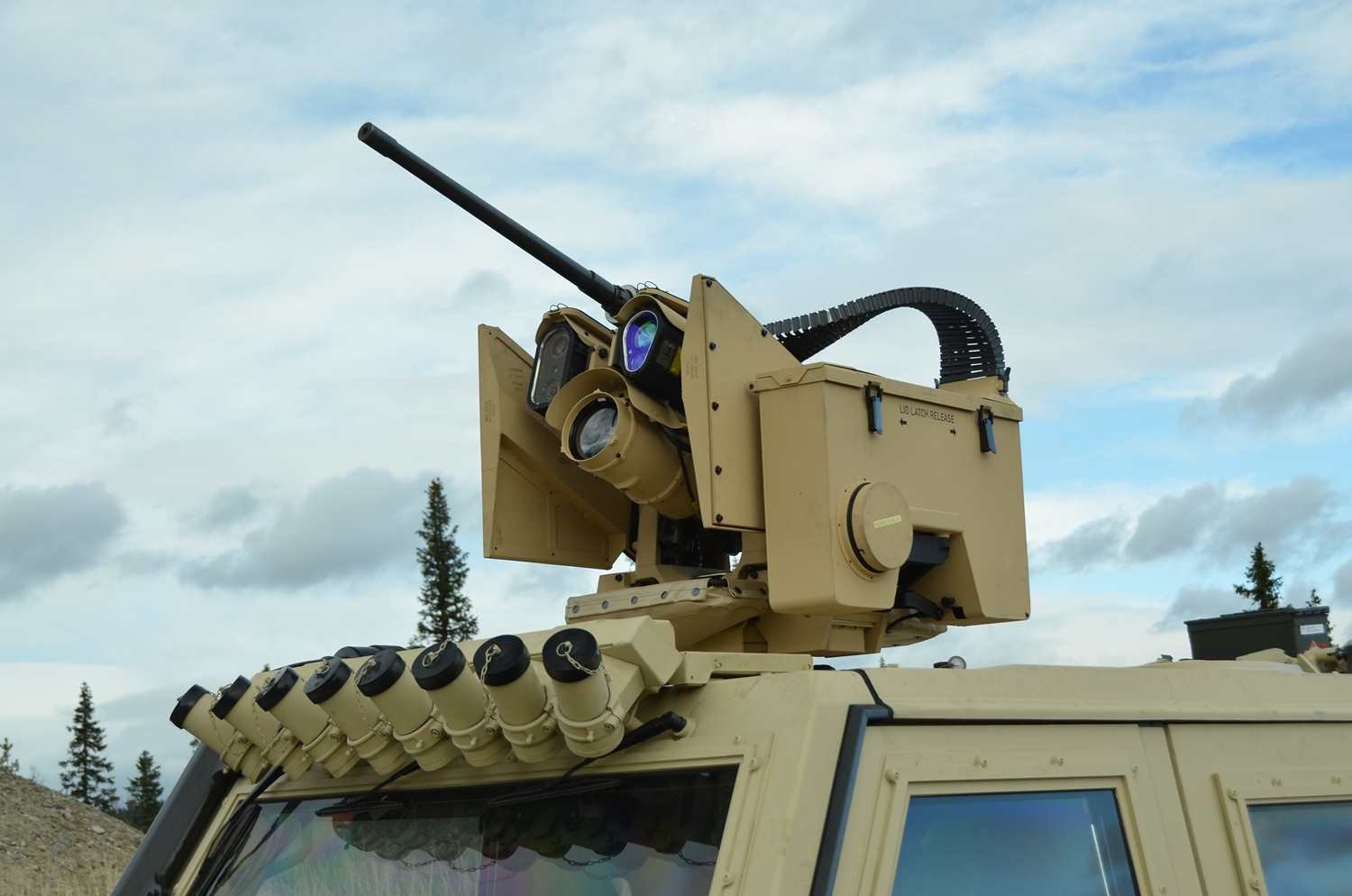
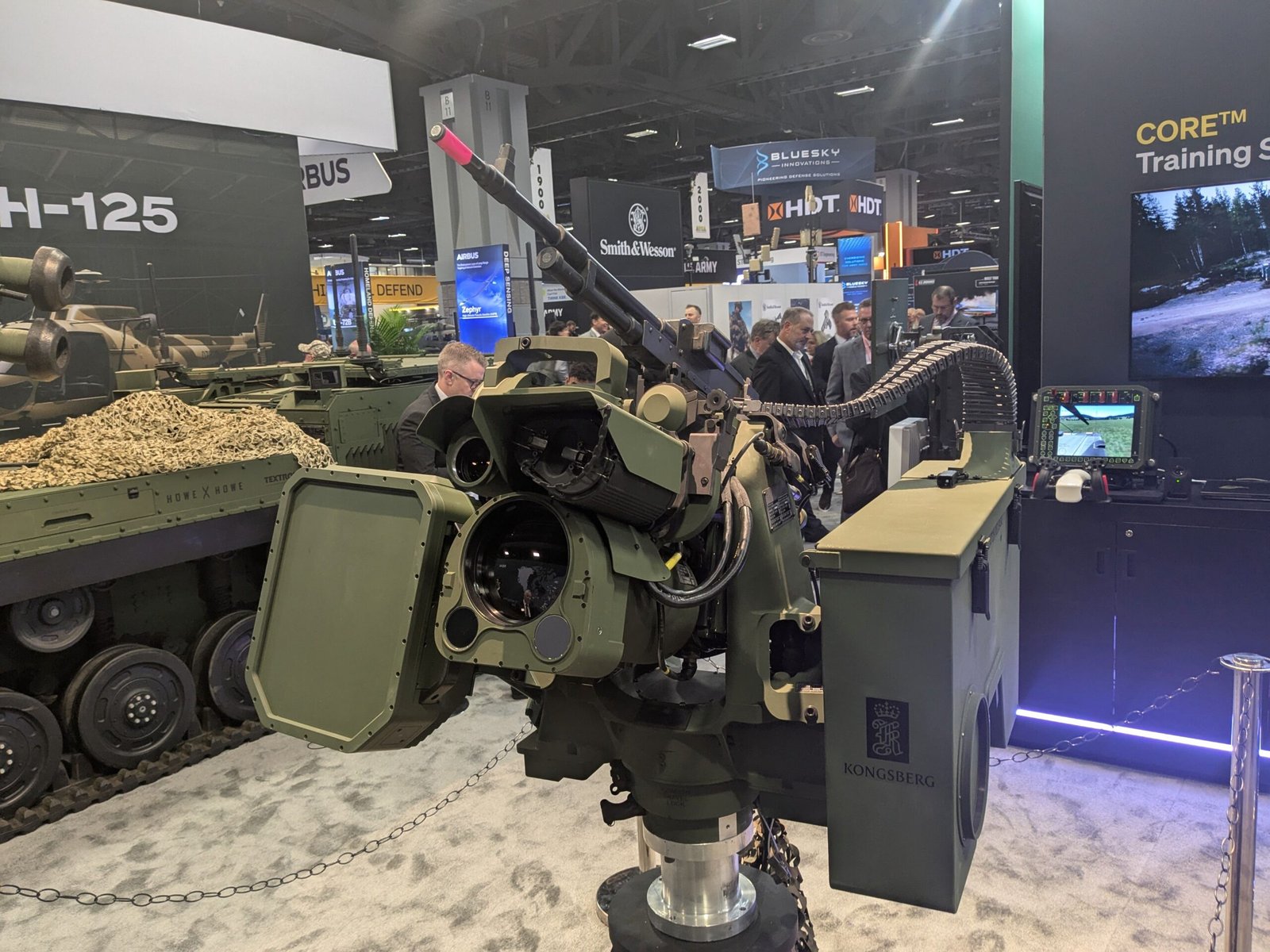
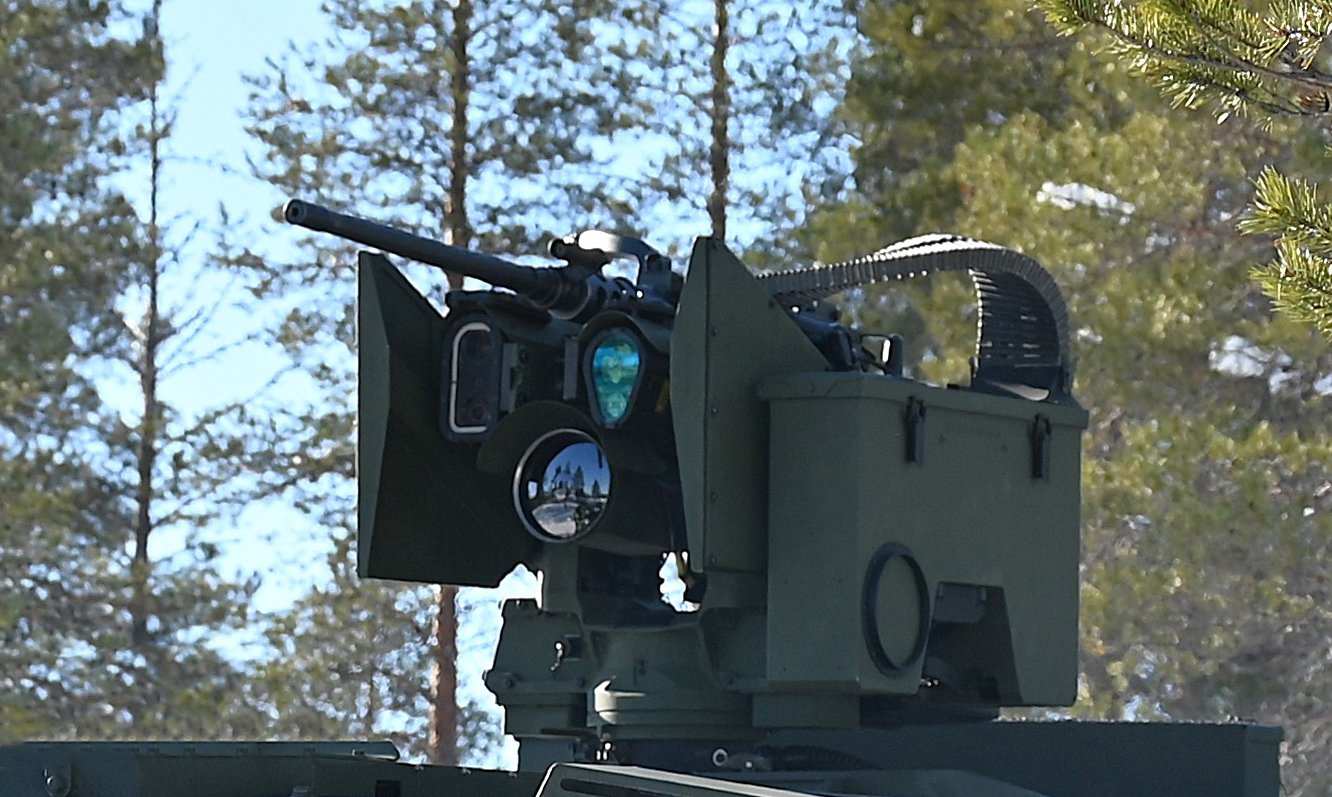
The Protector is a family of remotely-operated weapon stations developed by Kongsberg Defence & Aerospace of Norway, designed to let a vehicle crewman aim and fire a roof-mounted machine gun, grenade launcher, or autocannon from inside an armoured hull. First fielded in 2001 and most widely known under its US Army designation M151 — the centrepiece of the Common Remotely Operated Weapon Station, or CROWS, programme — the Protector has become the dominant Western RWS, fitted to more than 20,000 vehicles across roughly two dozen militaries.
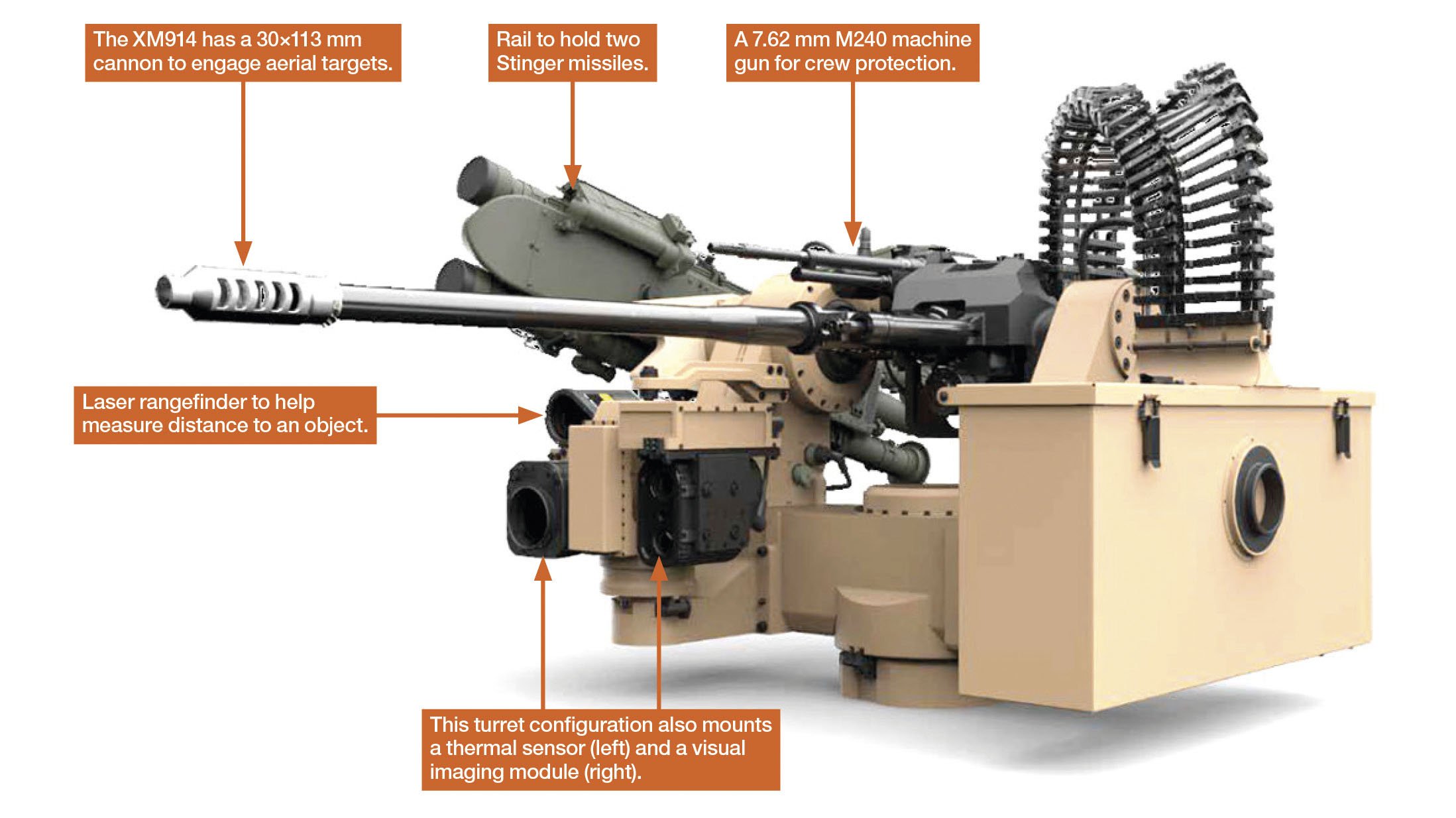
The core unit pairs a stabilised mount carrying a .50-calibre M2, a 7.62 mm M240, or a 40 mm Mk 19 grenade launcher with a sensor head holding a daylight camera, a thermal imager, and a laser rangefinder. An automatic target tracker keeps a moving target centred in the optics once the gunner designates it, compensating for the host vehicle’s motion as it manoeuvres. Heavier variants — the RT20 and RT40 — mount 20 mm and 30 mm cannons, and the MCT-30 medium-calibre turret derived from the same family arms the US Army’s Stryker Dragoon with an unmanned 30 mm gun. Newer Protector configurations, including the Protector RS6 and the airburst-capable RWS, add proximity-fused programmable munitions and software modes tuned specifically for engaging small drones.
The United States is by far the largest user; the CROWS programme has run since the early 2000s, and successive multi-year contracts have run into the billions, with recent CROWS-Low Profile and counter-UAS upgrades extending fielding into the 2030s. Norway, the United Kingdom, Australia, Finland, Canada, the Netherlands, Sweden, and Ireland operate Protector variants across Strykers, JLTVs, CV90s, Boxers, and a long list of MRAPs. The system saw heavy combat use throughout the Iraq and Afghanistan campaigns, where the ability to engage threats without exposing a turret gunner became a defining feature of the post-2003 American convoy. Protector-equipped vehicles donated to Ukraine have since been used against Russian forces.
Development continues to track the threats. Kongsberg has pushed the family toward integrated counter-drone work — radar cueing, programmable airburst rounds, and tighter integration with vehicle-level sensors — as cheap quadcopters and loitering munitions become the dominant threat to ground manoeuvre. Competitors including Sweden’s Saab Trackfire, Israel’s Elbit and Rafael station families, and a wave of Turkish and South Korean entrants face a market in which Kongsberg’s installed base and CROWS pedigree are difficult to dislodge.