PLEXUS
C2 software platform that fuses data from multiple heterogeneous C-UAS sensors and effectors into a single common operating picture.
Softwareby MyDefenceIntroduced 2021

Photos: mydefence.com · www.defenceonline.co.uk
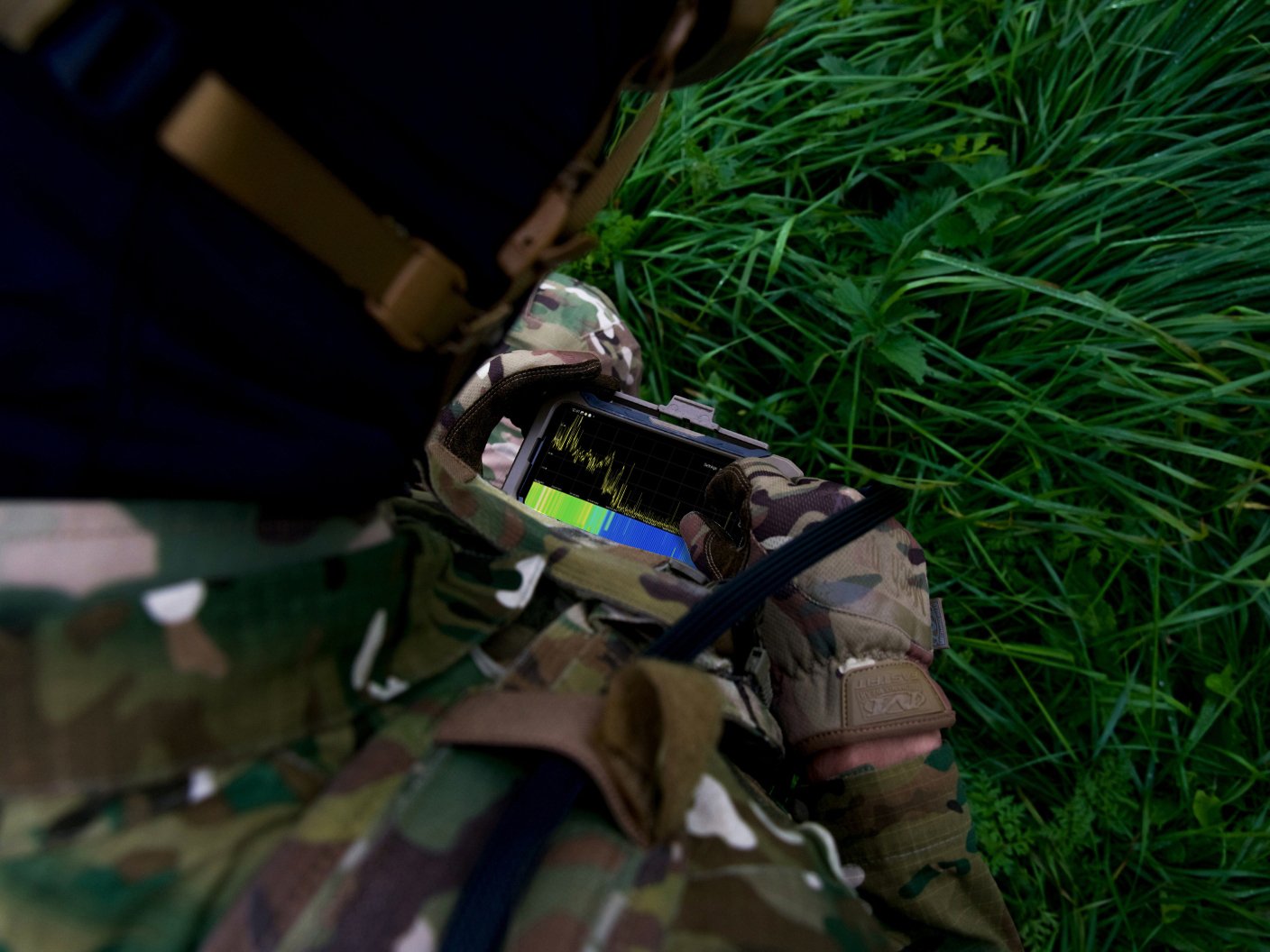
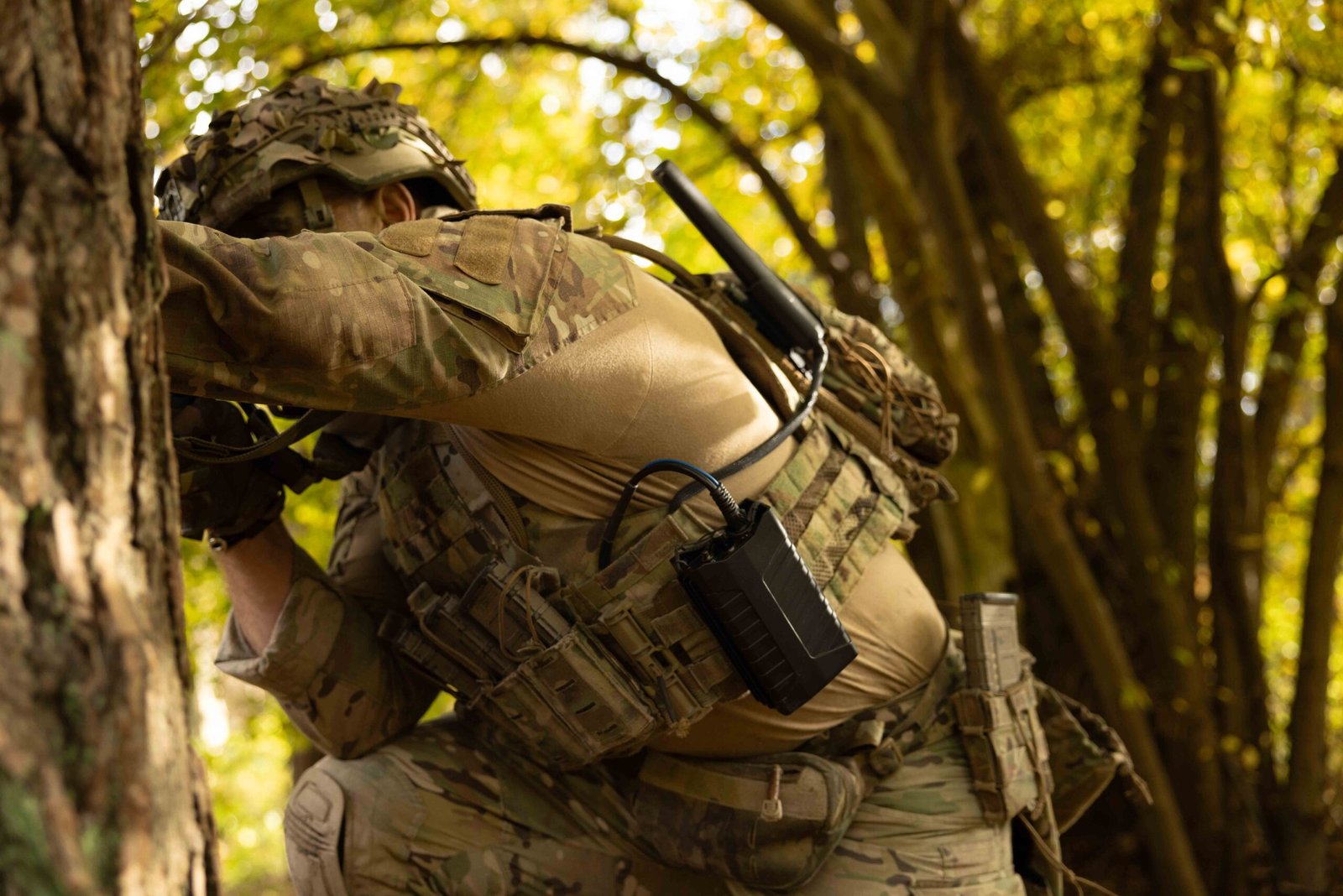
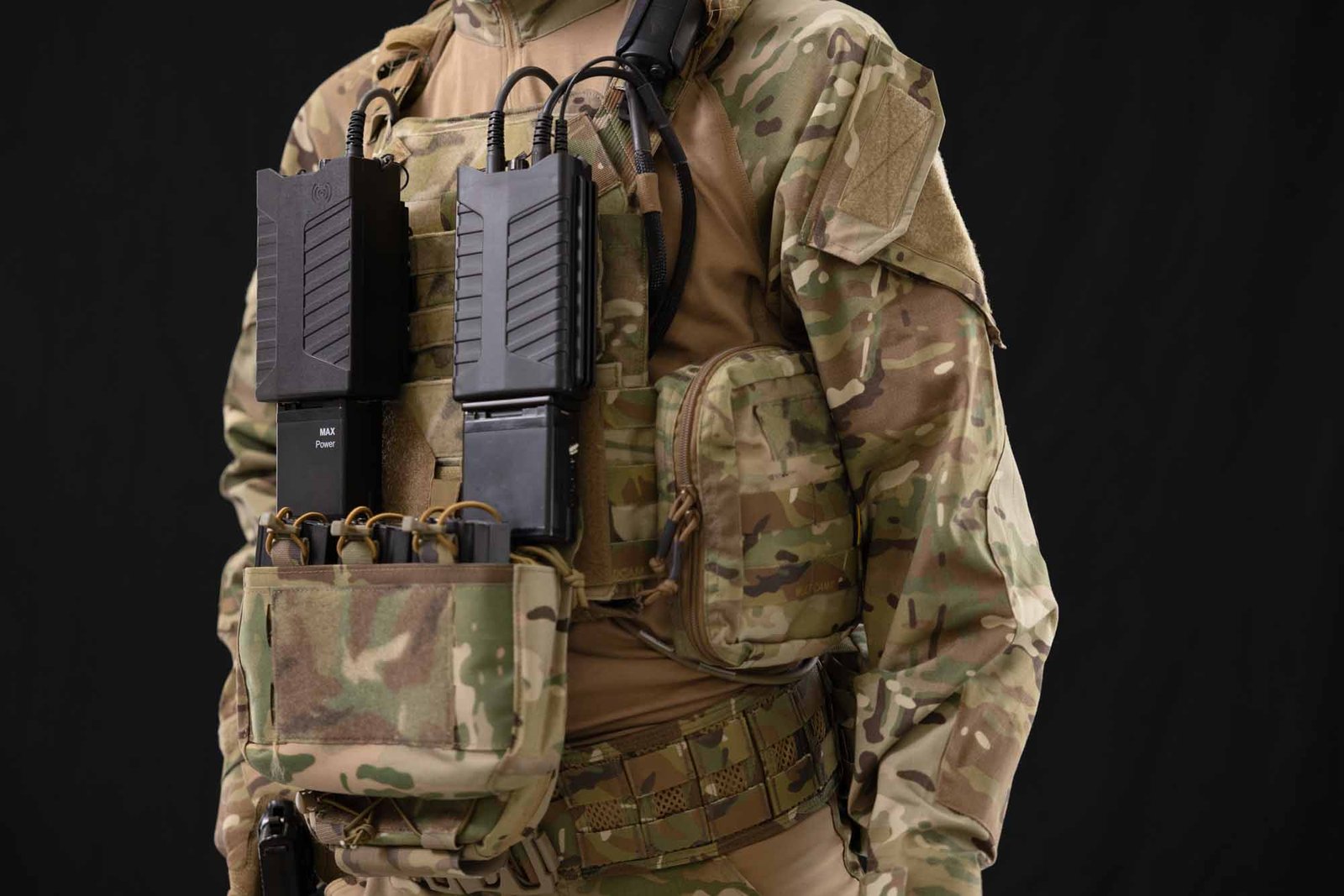
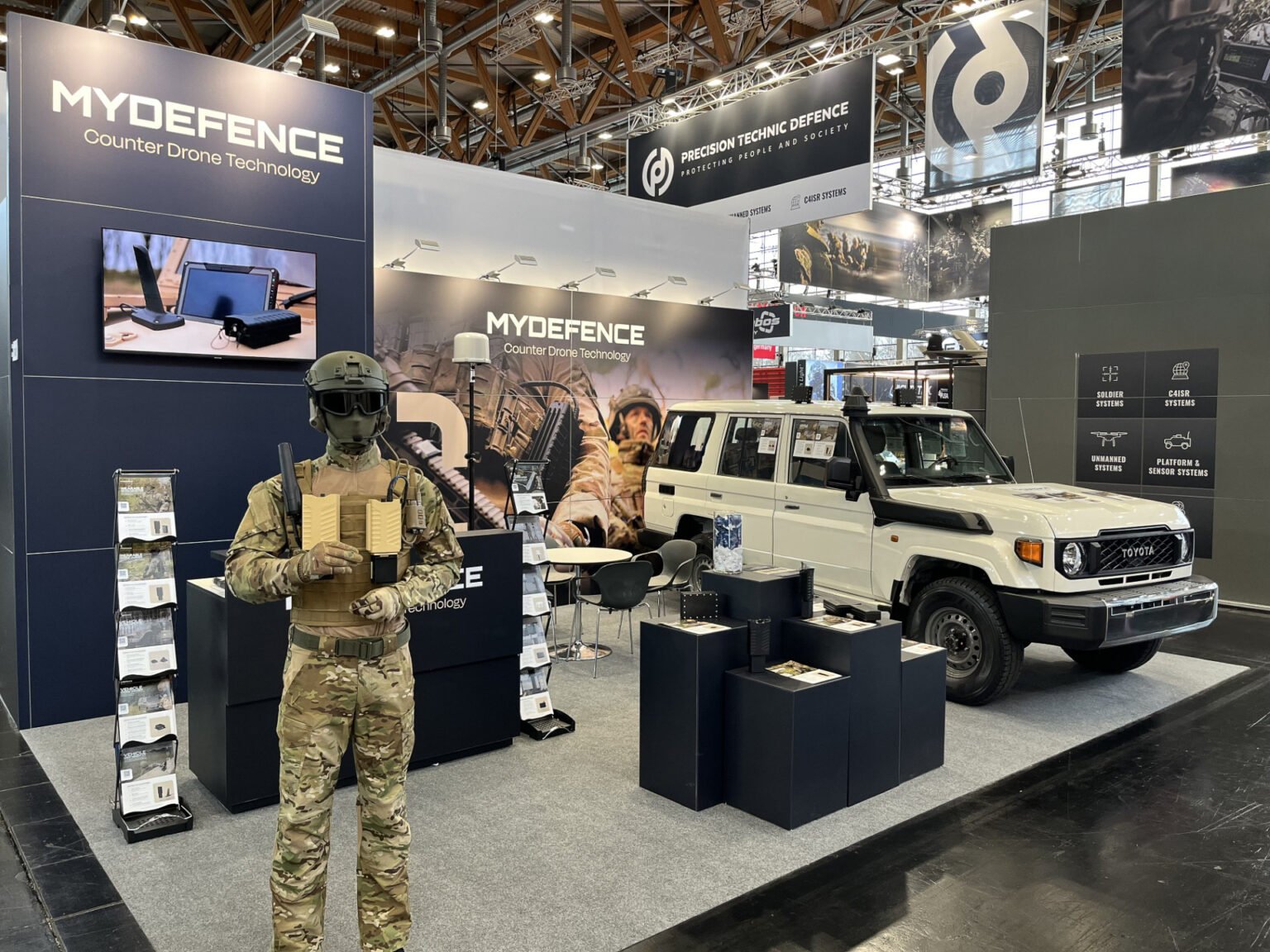
PLEXUS is the command-and-control layer that MyDefence, a Danish counter-drone specialist headquartered in Aalborg, built to sit above the rest of its detection-and-defeat product line. Where the company made its name on wearable RF gear — the Wingman body-worn detector and the Pitbull dismounted jammer carried by infantry — PLEXUS is the screen the operator looks at when those sensors, and others, all start reporting at once. The platform was introduced in 2021 as the company moved from selling single-purpose boxes to selling an integrated counter-UAS architecture.
Technically, PLEXUS is a web-based common operating picture that fuses tracks and alerts from heterogeneous sensors into a single map view, then routes engagement decisions to whichever effector the operator chooses. It is built around an open API rather than a closed stack, which means it can take feeds from third-party radars, electro-optical/infrared cameras, and RF direction-finders, not only MyDefence hardware. Operators see drone classifications, bearing and range estimates, and protocol identifications drawn from the underlying RF library, and can hand a target off to a jammer or a kinetic effector through the same interface. Because it runs in a browser, dispersed crews can share the same picture without dedicated hardware terminals.
MyDefence sells PLEXUS into the same market that drives the rest of its business: NATO-aligned militaries, special operations units, and force-protection customers buying counter-UAS systems for fixed sites, convoys, and dismounted patrols. The company has been a recurring presence on NATO C-UAS test ranges and has been named in Danish defence procurement around the protection of deployed forces. Specific customer lists for the software itself are not published, which is normal for C2 products sold into closed defence channels.
The product sits in a crowded field. Larger system integrators — Rafael with Drone Dome, Lockheed Martin with MORFIUS-adjacent C2, and a growing number of open-architecture entrants — are all competing to be the layer that ingests every sensor on a base. MyDefence’s pitch is that PLEXUS comes from a vendor that already understands the dismounted, RF-heavy end of the counter-drone problem rather than a prime contractor adapting an air-defence console downwards. As lessons from Ukraine push Western militaries toward layered, software-defined counter-UAS, that positioning has kept the platform in active development alongside the hardware it grew out of.