Otter USV
Compact dual-hull unmanned survey vessel for hydrographic mapping and inshore monitoring.
navalby Maritime RoboticsIntroduced 2017
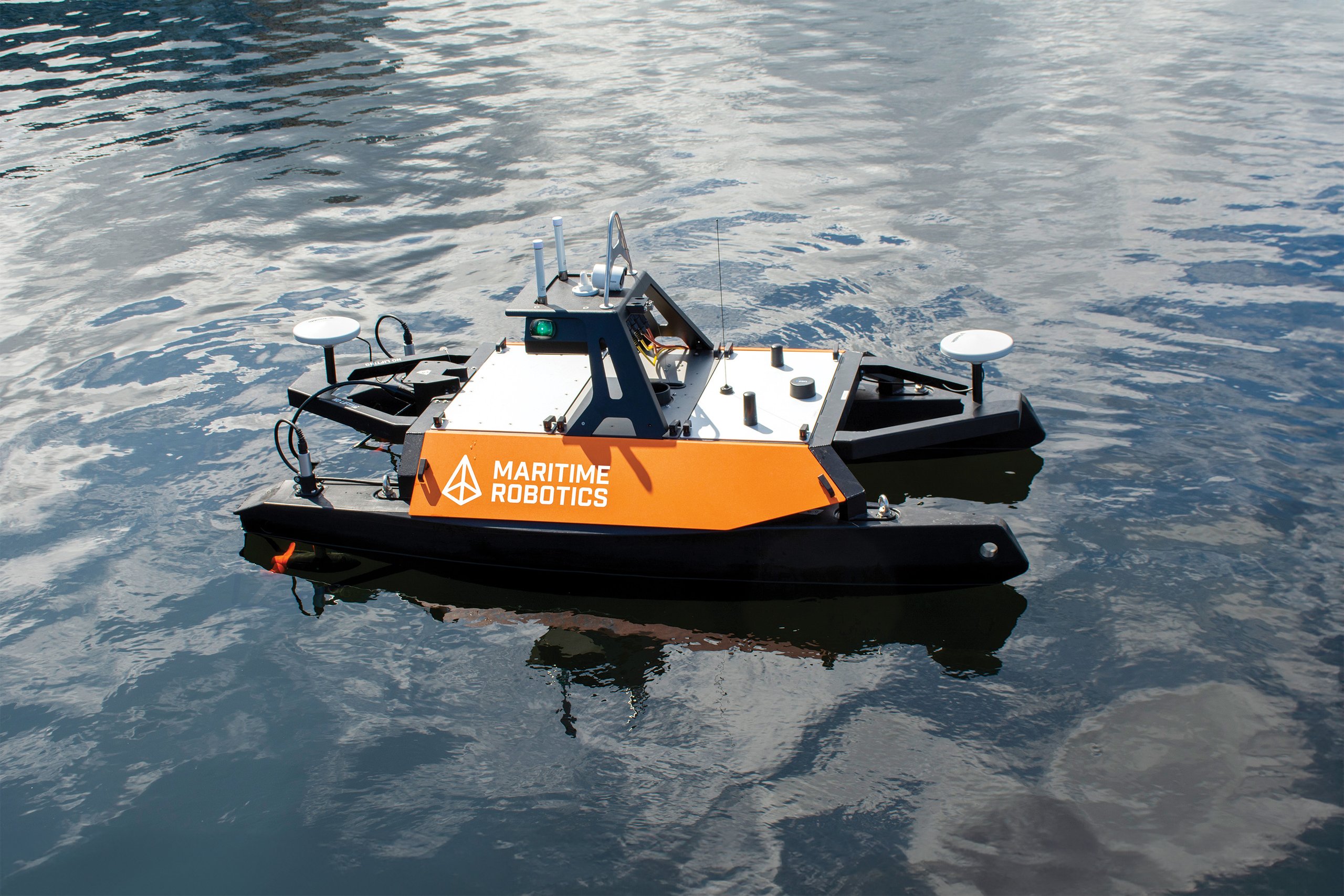
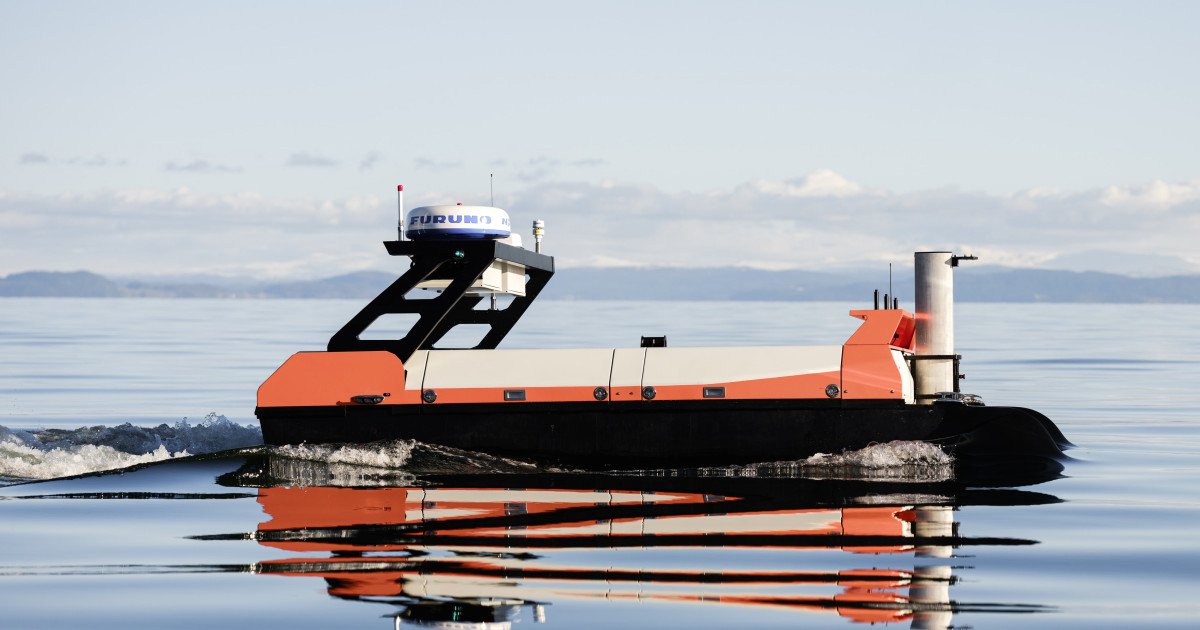
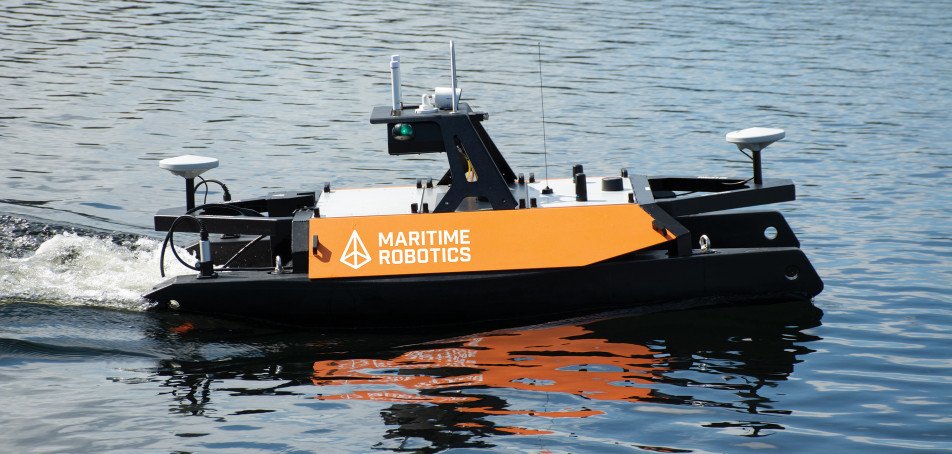
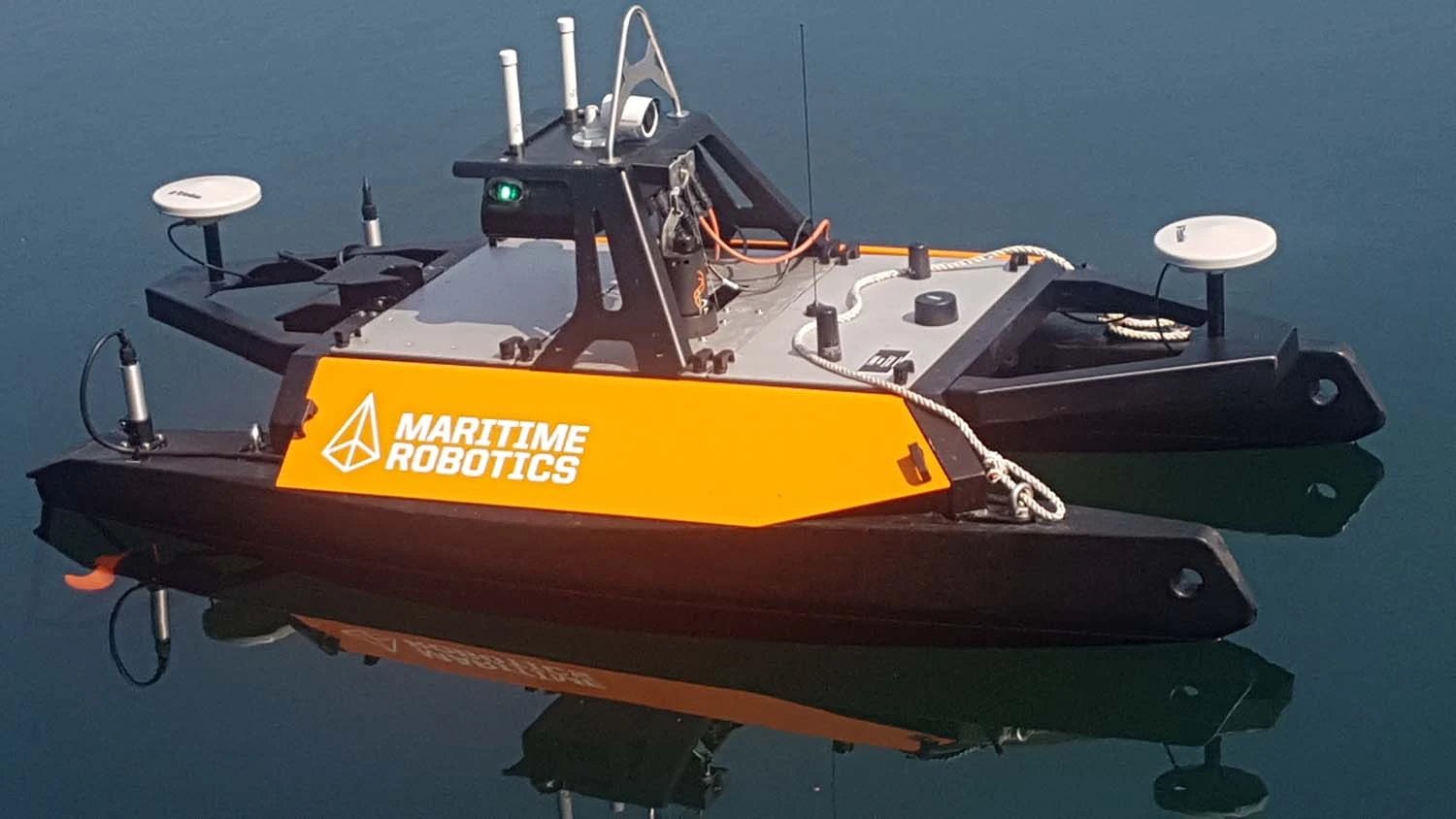
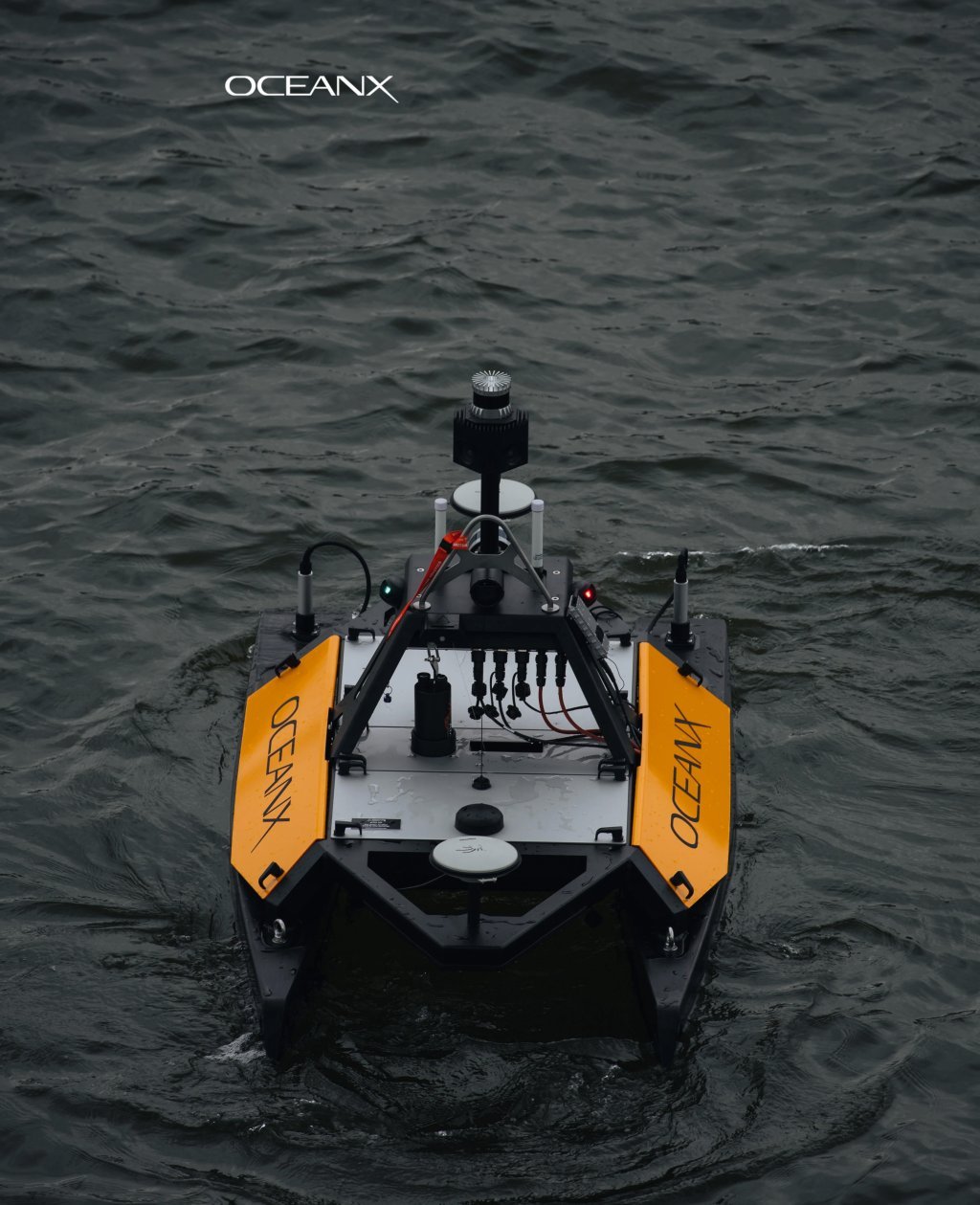
Photos: geo-matching.com · Maritime Robotics · www.maritimerobotics.com · newatlas.com
Maritime Robotics’ Otter is a compact catamaran unmanned surface vessel built for hydrographic survey and inshore monitoring. The Trondheim-based company introduced the platform in 2017, positioning it as the smallest in its USV line — well below the 8-metre Mariner — and aimed it at shallow-water work that manned launches cannot easily reach: harbours, river mouths, dam reservoirs, dredging sites, and the surf zone of coastal surveys.
The hull measures roughly two metres bow to stern, weighs around 200 kilograms ready to operate, and rides on twin pontoons driven by electric thrusters. A central well accommodates a swappable payload, most often a multibeam echo sounder — Norbit’s iWBMS is a common pairing — alongside an inertial navigation unit, GNSS, and an above-water camera. Missions are planned and supervised through Maritime Robotics’ Vehicle Control Station, which the operator runs from shore over a radio data link or, when out of line-of-sight, over 4G/LTE; the boat handles waypoint navigation, line-keeping, and basic obstacle avoidance autonomously while feeding back live sonar and telemetry. Endurance on a single battery charge typically covers a working day of survey at low speeds.
Operators are concentrated in the hydrographic and oceanographic community rather than in front-line navies. Norway’s mapping authority Kartverket has used the platform on coastal charting work, and the Norwegian Defence Research Establishment (FFI) has run autonomy trials with Maritime Robotics’ systems. US university hydrographic centres, port authorities and dredging contractors across Europe and Asia field Otters for routine bathymetry, and the boat has become a standard demonstration platform on the autonomy research circuit — small enough to ship in a hard case yet capable enough to run full survey lines.
A larger Otter Pro variant extends payload capacity and integrates a higher-end sensor fit for deeper or longer missions, while the parent Mariner USV scales the same control architecture up to a long-endurance ISR and mine-countermeasures platform. Maritime Robotics has used the family to argue for a continuum from civil hydrography into defence-relevant maritime tasks — the same software stack supervises both.
Among small survey USVs the Otter sits in a crowded field that includes Teledyne’s Z-Boat and SeaRobotics’ SR-Surveyor class. Its catamaran hull, Norwegian survey lineage, and integration with the wider Maritime Robotics autonomy stack have given it a steady foothold with both civil hydrographers and naval research labs exploring how cheap, electric, attritable platforms might fit into harbour protection and mine-countermeasures concepts.